
resposta rápida
Yes, the Manaslu Tsum Valley Trek is too remote for most first Nepal trekkers. The combined route runs 16 to 21 days, crosses the 5,106 m Larkya La pass, requires camping or basic teahouse stays for 8 to 12 nights above 3,500 m, and has limited helicopter rescue landing sites above Samagaon at 3,520 m. Acute mountain sickness rates run 18 to 25 percent for first timers above 5,000 m. Safer first treks include Annapurna Base Camp at 7 to 12 days and 4,130 m, or Langtang Valley at 7 to 11 days and 4,984 m.
Detalhamento detalhado
The Manaslu Tsum Valley Trek combines the Manaslu Circuit with a side trip into the Tsum Valley, a Tibetan Buddhist region north of Manaslu. The standard itinerary starts at Soti Khola, follows the Budhi Gandaki river through Machha Khola, Jagat, and Deng, then branches east at Lokpa into the Tsum Valley for 4 to 6 days. Trekkers visit Mu Gompa at 3,700 m and the Milarepa Cave at 4,000 m, then rejoin the Manaslu Circuit at Deng, climb to Samagaon at 3,520 m, cross the Larkya La at 5,106 m, and descend through Bimthang to Dharapani.
The Tsum Valley section is the remote part. Above Lokpa at 2,040 m, teahouses are basic with shared squat toilets, no hot showers, and solar electricity that runs out by 21:00. The valley sees 600 to 800 trekkers a year compared with 8,000 on the main Manaslu Circuit. There is no mobile signal above Chhokangparo at 3,030 m for 6 to 8 days. Helicopter rescue landing sites are limited to 3 spots above 3,500 m.
The Larkya La pass at 5,106 m is the altitude challenge. First timers above 5,000 m have an 18 to 25 percent acute mountain sickness rate, even with the recommended acclimatisation days at Samagaon and Samdo. The pass day involves a 600 m climb from Samdo, then a 1,400 m descent to Bimthang over 8 to 10 hours of walking.
Distribuição de custo/componente
| componente | Vale de Manaslu Tsum | Acampamento base de Annapurna | Vale de Langtang |
|---|---|---|---|
| duração | 16 a 21 dias | 7 a 12 dias | 7 a 11 dias |
| altitude máxima | 5.106 m Larkya La | 4.130 m abc | 4,984 m Tserko Ri |
| Acute mountain sickness rate | 18 to 25 percent first timers | 2 a 4 por cento | 4 to 8 percent |
| Teahouse quality | Basic above Lokpa | Good throughout | Good throughout |
| Permissão de área restrita | USD 100 per week autumn | nenhum | nenhum |
| Helicopter rescue landing sites | 3 above 3,500 m | 6 above 3,500 m | 4 above 3,500 m |
| pacote por pessoa | USD 1,400 to USD 2,200 | USD 800 a USD 1.500 | USD 600 to USD 1,200 |
O que afeta a resposta
Your prior altitude experience is the biggest factor. Trekkers who have slept above 4,500 m in the past 12 months can do Manaslu Tsum Valley as a second Nepal trek. First timers above 5,000 m have an 18 to 25 percent acute mountain sickness rate. The second factor is time. The 16 to 21 day duration is hard for most travellers with 2 weeks of annual leave. The third factor is your tolerance for basic teahouses and no mobile signal for 6 to 8 days.
Dicas de reserva
Book through a Kathmandu operator with at least 5 years of Manaslu Tsum Valley experience. Ask for a guide who has crossed Larkya La in the past 12 months. Carry a satellite phone or Garmin inReach because there is no mobile signal in the Tsum Valley. Book the Samagaon and Samdo teahouses 6 weeks ahead for October.
Comparação com alternativas
The Annapurna Circuit with Tilicho side trip is the closest alternative at 16 to 19 days and 5,416 m Thorong La, with better teahouse infrastructure and lower acute mountain sickness rates.
Erros comuns a evitar
Choosing Manaslu Tsum Valley as a first Nepal trek because of Instagram photos is the most common mistake. The 5,106 m Larkya La is not a beginner objective. Skipping the Samdo acclimatisation day to save USD 100 is the second mistake, because Samdo at 3,530 m is the last acclimatisation stop before the pass. Booking through a budget operator who skimps on rescue planning is the third mistake. Carry rescue insurance that covers USD 5,000.
FAQ
Can fit first timers do the Manaslu Tsum Valley Trek? Fitness is not the issue. Acclimatisation is. First timers above 5,000 m have an 18 to 25 percent acute mountain sickness rate, even with full acclimatisation days.
How many days should I plan for Manaslu Tsum Valley? 18 to 21 days including Kathmandu arrival and departure. The minimum safe walking duration is 16 days Soti Khola to Dharapani.
Is there mobile signal in the Tsum Valley? Ncell reaches Lokpa and Chhokangparo, then nothing for 6 to 8 days until Samagaon. Carry a satellite phone.
What is the cost of a helicopter rescue from Manaslu? USD 3,000 to USD 5,000 from Samagaon or Samdo. Carry rescue insurance that covers this amount.
What is the best first Nepal trek instead? Annapurna Base Camp at 7 to 12 days and 4,130 m, or Langtang Valley at 7 to 11 days and 4,984 m. Both have better teahouse infrastructure and lower acute mountain sickness rates.
resumo
The Manaslu Tsum Valley Trek is too remote for most first Nepal trekkers because of the 5,106 m Larkya La pass, 16 to 21 day duration, basic teahouses, and limited rescue infrastructure. The acute mountain sickness rate for first timers above 5,000 m is 18 to 25 percent. Safer first treks are Annapurna Base Camp or Langtang Valley.
conclusão
For 2027 to 2030 first Nepal trekkers, choose Annapurna Base Camp or Langtang Valley instead of Manaslu Tsum Valley. Save Manaslu Tsum Valley for a second or third Nepal trek when you have prior 4,500 m altitude experience. If you must do it as a first trek, plan 18 to 21 days, carry a satellite phone, and book through a Kathmandu operator with documented Manaslu Tsum Valley experience.
Pacotes de Trek recomendados
Trekking Places para explorar
Explore Trips in Nepal
Hand-picked guided trips to this destination
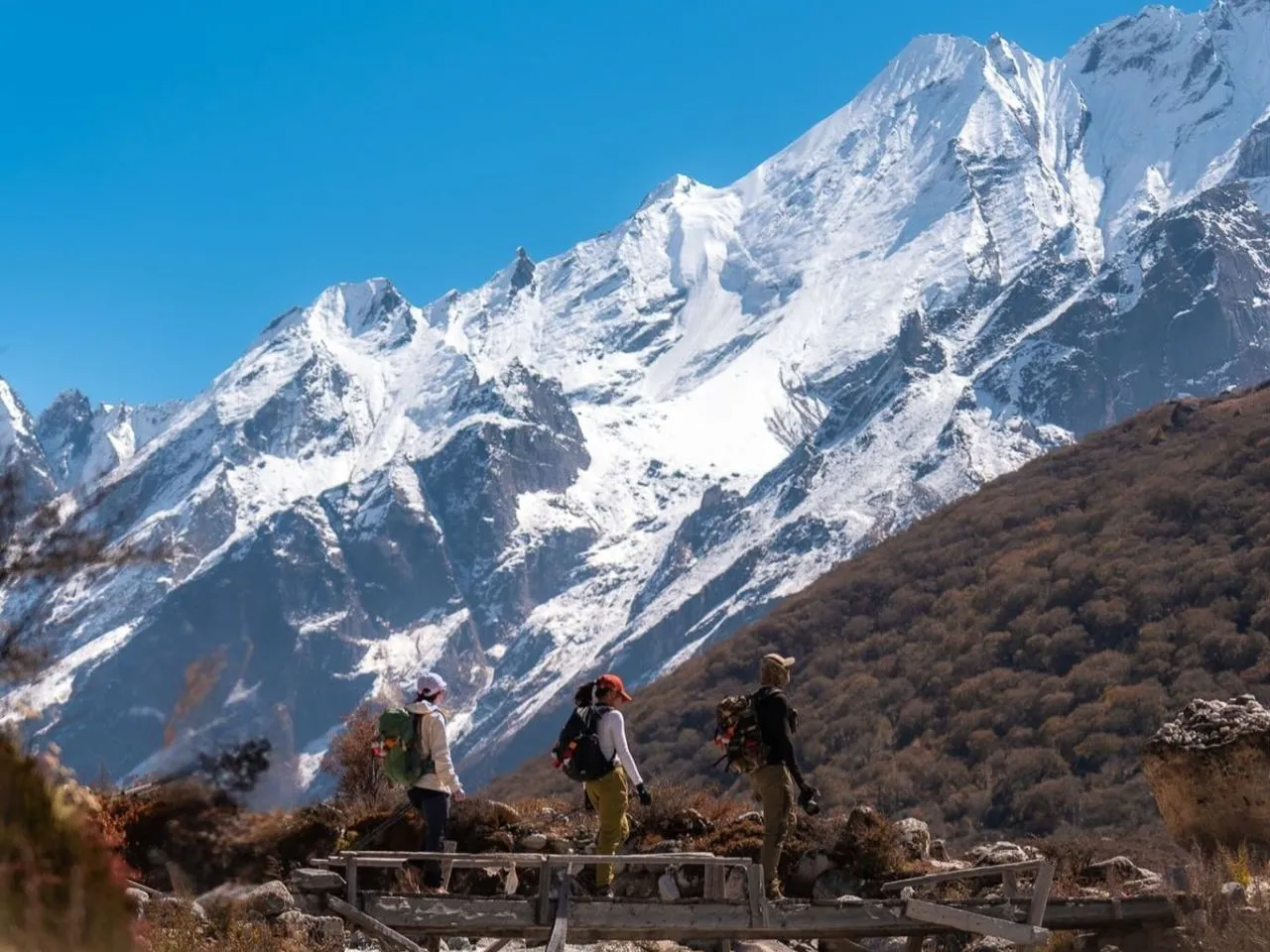
Trek de luxo Langtang – 10 dias
Trek de luxo Langtang – 10 dias
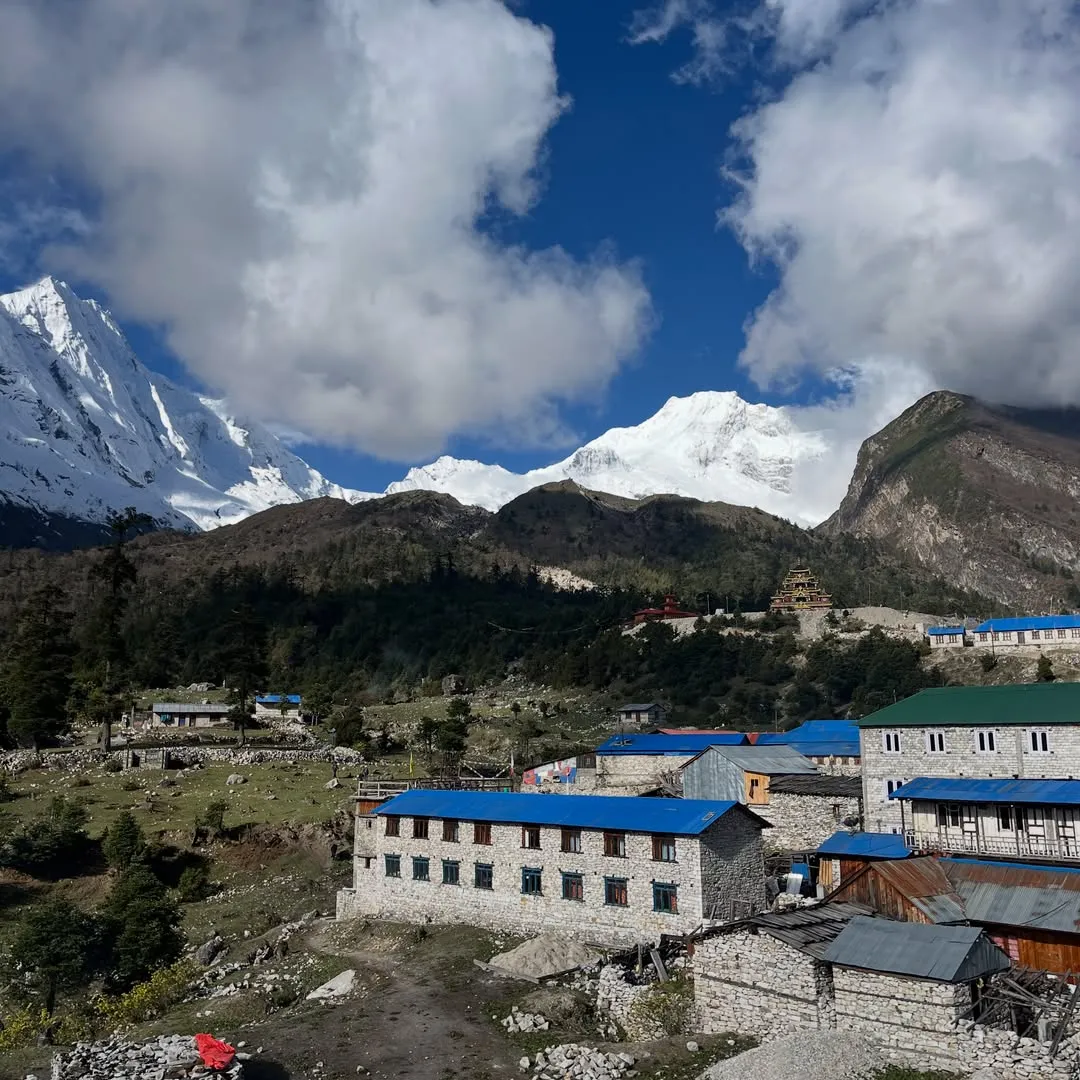
Trek em família Manaslu – 12 dias
Trek em família Manaslu – 12 dias
Trek de luxo em Manaslu – 14 dias
Trek de luxo em Manaslu – 14 dias

Trek de fotografia de Manaslu – 17 dias
Trek de fotografia de Manaslu – 17 dias
 English
 Deutsch
 Svenska
 Dansk
Dansk Русский
 Français
 Português
 Español
 Polski
 简体中文
简体中文 日本語
日本語 ไทย
ไทย العربية
 한국어
한국어