
Quick Answer
A safe Gosaikunda acclimatization plan in 2027 to 2030 caps sleeping altitude gain at 500 m per night above 3,000 m, includes a rest day at Chandanbari at 3,250 m, climbs Laurebina La at 4,610 m only after a 3,800 m sleep, and rejects 2 day express trips from Dhunche. Operators running 1,400 m of sleeping gain from Dhunche at 1,950 m to Gosaikunda at 4,380 m in 2 days raise AMS risk in 1 of 3 trekkers.
Detailed Breakdown
The Gosaikunda Trek runs 4 to 7 days from either Dhunche at 1,950 m or Sundarijal at 1,360 m to the sacred Gosaikunda Lake at 4,380 m. The standard Sundarijal route climbs through Shivapuri Nagarjun National Park to Chisapani at 2,200 m, Kutumsang at 2,470 m, Tharepati at 3,650 m, Phedi at 3,700 m, then crosses Laurebina La at 4,610 m and descends to Gosaikunda.
The standard Dhunche route is shorter but steeper. It runs Dhunche to Chandanbari at 3,250 m to Sing Gompa at 3,330 m to Laurebina at 3,910 m to Gosaikunda at 4,380 m. The 1,300 m gain from Dhunche at 1,950 m to Chandanbari at 3,250 m in a single day triggers AMS in 1 of 8 trekkers.
Safe acclimatization follows the 500 m rule above 3,000 m. Trekkers should sleep no more than 500 m higher than the previous night above 3,000 m. The 4 day Sundarijal route follows this rule. The 2 day Dhunche express route does not and should be rejected.
Cost/Component Breakdown
| Component | 4 Day Safe Route (USD) | 2 Day Express Route (USD) |
|---|---|---|
| Kathmandu road transfer | $25 to $45 round trip | $25 to $45 round trip |
| Langtang NP plus Shivapuri plus TIMS | $47 | $30 Langtang NP plus TIMS |
| Guide 4 days | $100 to $160 | $50 to $80 |
| Porter 4 days | $70 to $110 | $35 to $55 |
| Teahouse lodging 3 nights | $18 to $36 | $6 to $12 |
| Meals 4 days | $80 to $120 | $40 to $60 |
| Helicopter rescue insurance | $50 to $90 | $50 to $90 |
| Total per person | $390 to $560 | $236 to $392 |
What Affects the Answer
Prior altitude experience is the dominant factor. Trekkers without prior 4,000 m experience should pick the 6 to 7 day Sundarijal route. Trekkers with two or three prior 4,000 m treks can handle the 4 day Sundarijal route. No trekkers should pick the 2 day Dhunche express.
Season affects the acclimatization threshold. Spring and autumn see standard thresholds. Summer monsoon sees higher humidity and lower oxygen partial pressure, which raises AMS risk by 20 percent at the same altitude.
August Janai Purnima pilgrimage changes the equation. Pilgrims climb from Dhunche to Gosaikunda in 2 days for the festival, but they are mostly Nepali locals with prior altitude exposure. Foreign trekkers should not copy the pilgrim pace.
Booking Tips
Ask the operator for the day by day plan with sleeping altitudes. Reject any plan that climbs more than 500 m of sleeping altitude in a single night above 3,000 m. Reject any plan that crosses Laurebina La at 4,610 m on the same day as the first 4,000 m sleep.
Confirm the package includes a Chandanbari or Sing Gompa rest day. Operators that skip the rest day save $50 to $80 but raise AMS risk at the lake.
Verify the operator carries a Gamow bag at Laurebina or Phedi. Helicopter rescue from Gosaikunda runs $2,500 to $4,000 and weather can ground flights for 24 hours.
Comparison With Alternatives
Against the Langtang Valley Trek, Gosaikunda is shorter and lower. Langtang Valley runs 7 to 11 days to Kyanjin Gompa at 3,870 m with a 2 night acclimatization stay. Trekkers wanting a longer trek should pick Langtang Valley; trekkers wanting a sacred lake should pick Gosaikunda.
Against Helambu, Gosaikunda is shorter and higher. Helambu runs 5 to 8 days at 2,500 to 3,650 m with lower AMS risk. Trekkers wanting lower altitude pick Helambu; trekkers wanting the 4,380 m lake pick Gosaikunda.
Common Mistakes to Avoid
Do not book the 2 day Dhunche express route. The 1,400 m sleeping gain from Dhunche to Gosaikunda in 2 days triggers AMS in 1 of 3 trekkers.
Do not copy the August pilgrim pace. Pilgrims are mostly Nepali locals with prior altitude exposure. Foreign trekkers need 4 days minimum from Dhunche or 6 days from Sundarijal.
Do not skip the Chandanbari rest day. Operators that save $50 to $80 by skipping the rest day raise AMS risk at the lake and on Laurebina La.
FAQ
How many days does a safe Gosaikunda Trek need?4 days from Sundarijal or 6 days from Sundarijal with a Chandanbari rest day. 2 day Dhunche express trips should be rejected.
What is the safe sleeping altitude gain rule?No more than 500 m of sleeping altitude gain per night above 3,000 m. The 2 day Dhunche express breaks this rule by 900 m.
Is a Gamow bag necessary at Gosaikunda?Yes at Laurebina or Phedi. Rescue can be grounded for 24 hours and the Gamow bag bridges the gap.
Can I copy the August pilgrim pace?No. Pilgrims are mostly Nepali locals with prior altitude exposure. Foreign trekkers need 4 days minimum from Dhunche or 6 days from Sundarijal.
What is the maximum altitude on the Gosaikunda Trek?4,610 m at Laurebina La. The lake itself sits at 4,380 m.
Summary
A safe Gosaikunda acclimatization plan in 2027 to 2030 caps sleeping altitude gain at 500 m above 3,000 m, includes a Chandanbari rest day, climbs Laurebina La only after a 3,800 m sleep, and rejects 2 day express trips. Cost runs $390 to $560 for the 4 day Sundarijal route.
Conclusion
Reject any Gosaikunda itinerary that climbs more than 500 m of sleeping altitude in a single night above 3,000 m, skips the Chandanbari rest day, or runs the 2 day Dhunche express. Pick an operator with a written day by day plan, a Gamow bag at Laurebina, and a 4 to 7 day itinerary that respects the 500 m rule.
Recommended Trek Packages
Trekking Places to Explore
Explore Trips in Nepal
Hand-picked guided trips to this destination
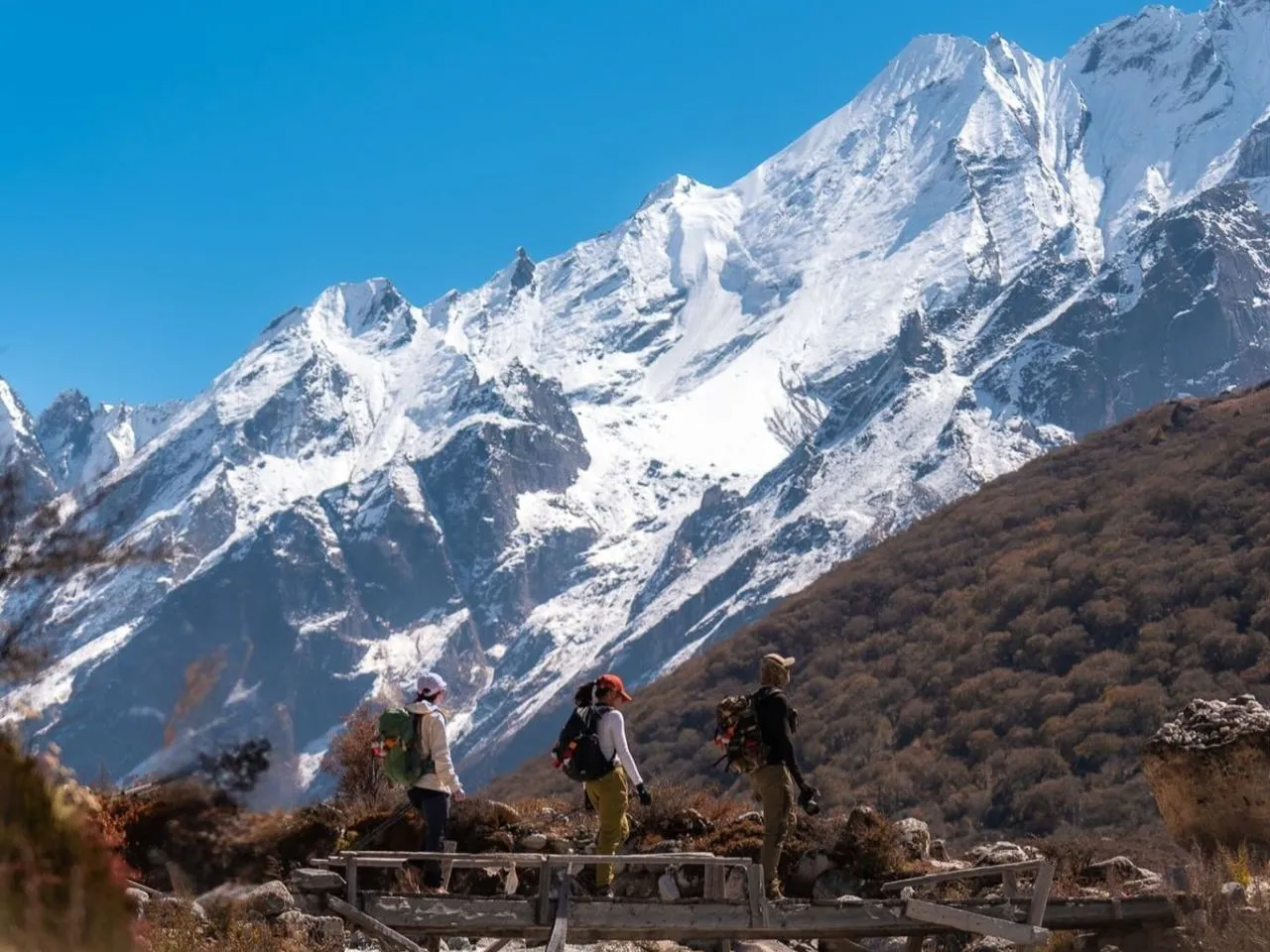
Langtang Luxury Trek – 10 Days
Langtang Luxury Trek – 10 Days
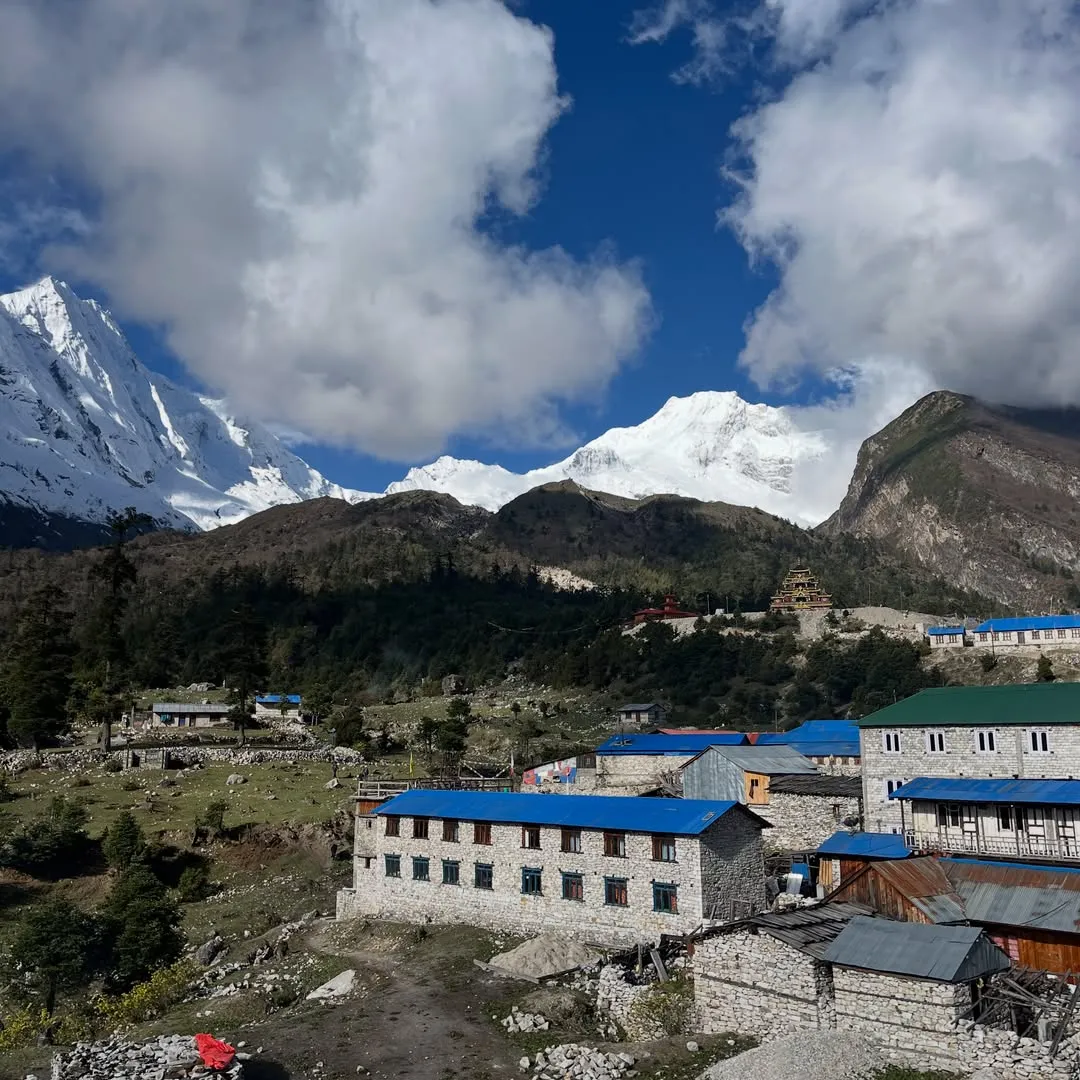
Manaslu Family Trek – 12 Days
Manaslu Family Trek – 12 Days
Manaslu Luxury Trek – 14 Days
Manaslu Luxury Trek – 14 Days

Manaslu Photography Trek – 17 Days
Manaslu Photography Trek – 17 Days
 English
 Deutsch
 Svenska
 Dansk
Dansk Русский
 Français
 Português
 Español
 Polski
 简体中文
简体中文 日本語
日本語 ไทย
ไทย العربية
 한국어
한국어