
빠른 답변
The Khaptad Trek differs from mainstream Nepal routes on three points: there is no teahouse network so you need a full camping crew, the trail crosses a single 3,300 m plateau rather than climbing to a high pass, and access from Silgadhi depends on roads that wash out in monsoon. Plan 6 to 9 days, USD 700 to USD 1,200, and book through a Far West specialist operator in 2027.
상세 내역
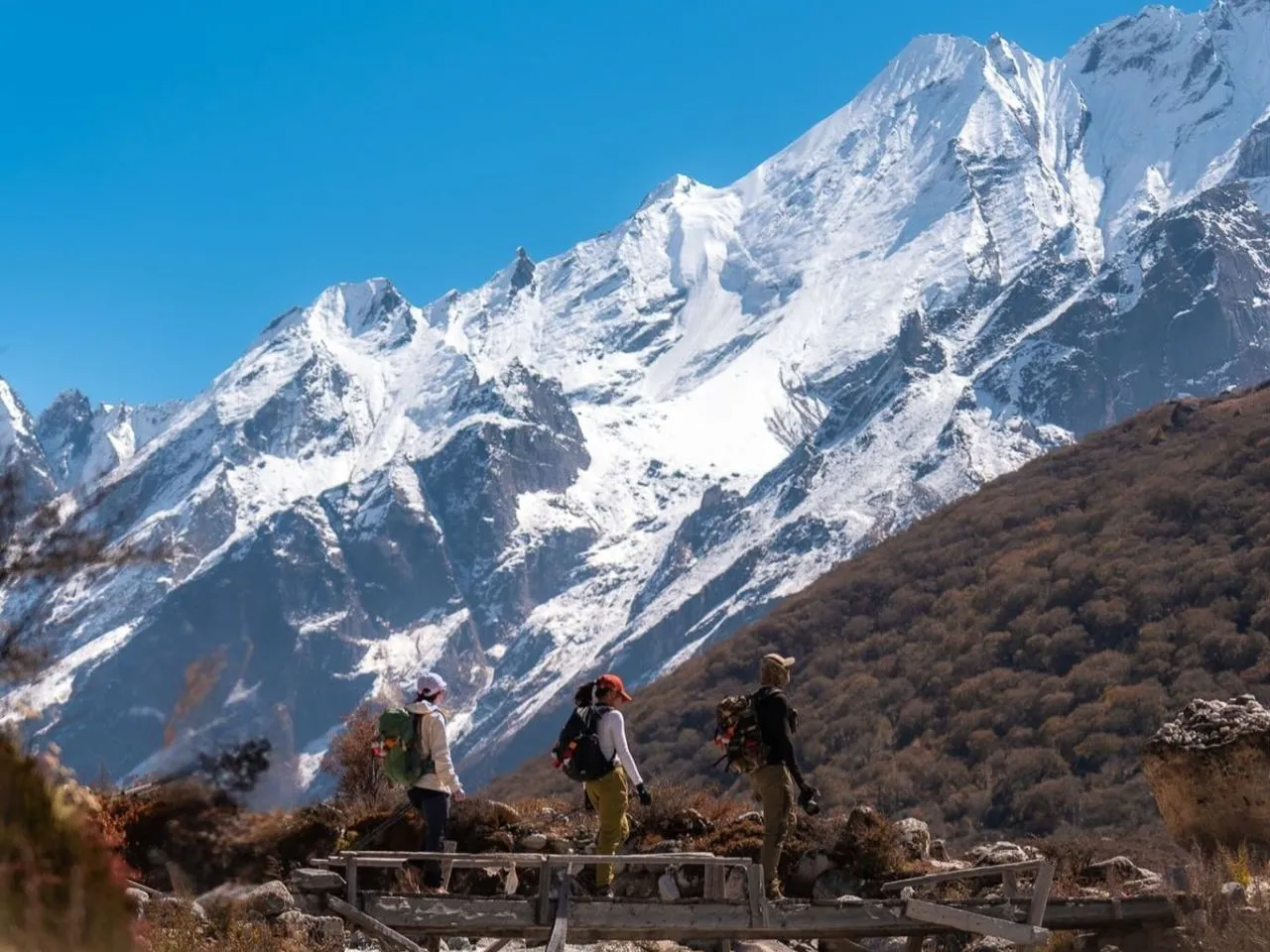
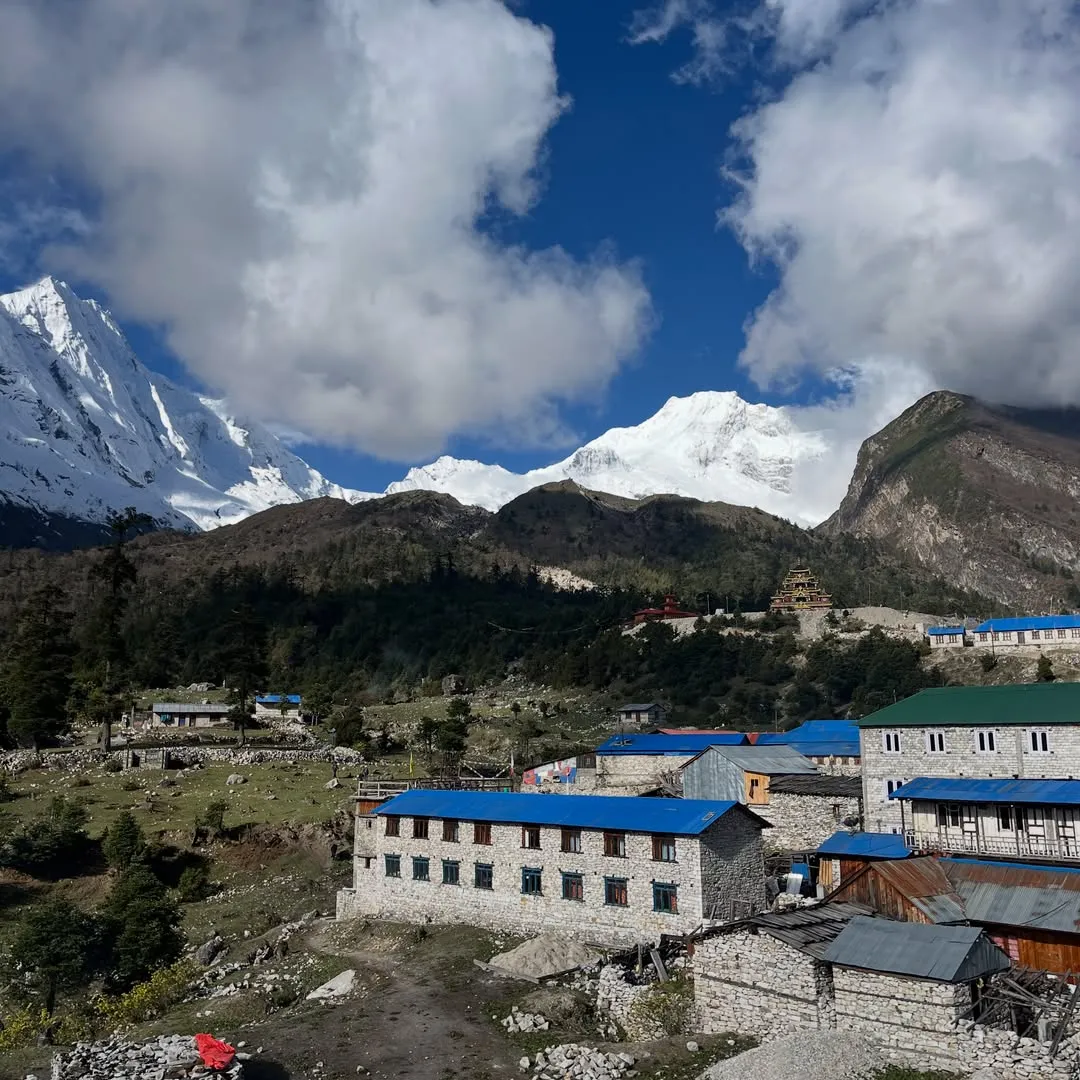
Khaptad National Park covers 225 sq km of rolling plateau and forest in far western Nepal. The trek enters from Silgadhi in Doti district, climbs through sal and pine forest to the Khaptad Baba ashram at 3,040 m, then crosses meadows to the park headquarters at 3,300 m. Distances are modest at 10 to 14 km a day but the trail surface is uneven.
The first difference from mainstream routes is accommodation. There are no teahouses inside the park. Trekkers camp at designated sites near the ashram, Triveni confluence, and park headquarters, or sleep in basic park rest houses that must be booked weeks ahead through the National Park office in Dhangadhi. A full camping crew with cook, porters or mules, tents, mess gear, and food is required.
The second difference is logistics. Fresh food is not available inside the park. All provisions come from Silgadhi or Dhangadhi. Water is plentiful from streams but must be treated. Mobile signal disappears inside the park except at the ashram area. Satellite phones or a guide with a satellite messenger are recommended.
The third difference is access. The road from Dhangadhi to Silgadhi is 132 km and takes 6 to 8 hours by jeep in the dry season. In monsoon from June to September, sections wash out and the drive can take 12 hours or require detours. The closest airport at Dhangadhi has daily flights from Kathmandu, but weather delays are common in summer.
비용/구성 요소 고장
| Component | 일일 | Cost (USD) | Notes |
|---|---|---|---|
| Guide and cook | 6 to 9 | $25 to $35/day each | Required for camping |
| Porters or mules | 6 to 9 | $18 to $22/day | 2 porters per trekker |
| Camping gear hire | 6 to 9 | $8 to $12/day | Tent, mat, mess kit |
| Food provisions | 6 to 9 | $10 to $15/day | Bought in Silgadhi |
| 허가 | n/a | $30 ~ $50 | Khaptad NP and TIMS |
| Kathmandu to Dhangadhi RT flight | n/a | $180 to $260 | Daily scheduled |
| Dhangadhi to Silgadhi jeep | 1 | $80 ~ $140 | Private 4WD |
답에 영향을 미치는 것
Group size changes the cost equation. A solo trekker pays USD 1,200 to USD 1,500. A group of four drops to USD 700 to USD 900 per person. March to May and October to November have dry roads, while June to September brings monsoon washouts.
The standard Silgadhi to Silgadhi loop is 6 days. Adding the southern Jhingrana entrance or western Bajhang exit extends the trek to 9 days and requires extra permits.
예약 팁
Book 8 to 12 weeks ahead through a Far West specialist operator with proven Khaptad experience. Avoid Kathmandu based operators who subcontract to unknown local crews. Ask for the cook and guide names in writing. Book park rest houses through the operator 3 weeks ahead as there are only 6 beds available at each site.
Arrive in Dhangadhi a day early to absorb flight delays. Carry USD 200 in cash for emergency jeep hire or helicopter evac deposits. The nearest reliable hospital is in Dhangadhi, 6 to 8 hours from the trailhead.
대안과의 비교
Rara Lake Trek nearby has a partial teahouse network and a 3 to 5 day loop at 3,000 m, making it easier to organise than Khaptad. Api Base Camp Trek in the same Far West region also needs full camping but reaches 4,000 m with clearer mountain views. Mugu Cultural Trek requires flight access to Talcha and camping. Khaptad is the easiest Far West option on altitude but the hardest on logistics because of the road dependency and absence of teahouses.
피해야 할 일반적인 실수
Booking through a generic Kathmandu operator without Far West experience is the most common error. Subcontracted crews often lack camping gear or arrive late. Skipping the rest house reservation is the second mistake: trekkers arrive at the ashram and find all beds taken. Underestimating the Silgadhi road in monsoon is the third: jeeps get stuck for 12 hours or more.
자주 묻는 질문
Are there teahouses on the Khaptad Trek? No. The trek requires full camping crews or booking basic park rest houses weeks ahead through the National Park office in Dhangadhi.
How long is the drive from Dhangadhi to Silgadhi? 6 to 8 hours by jeep in the dry season, 10 to 12 hours in monsoon with potential washouts. Book a private 4WD through your operator.
What permits does Khaptad require? Khaptad National Park Entry Permit and TIMS Card. Both cost USD 30 to USD 50 total and can be arranged in Dhangadhi or Kathmandu.
Is Khaptad safe for solo trekkers? Solo trekking is not recommended. The trail is poorly marked in places, and there is no mobile signal. Hire a guide through a Far West specialist.
When is the best season for Khaptad? March to May and October to November. March brings rhododendron bloom, October brings clear skies. Avoid monsoon from June to September.
요약
The Khaptad Trek differs from mainstream Nepal routes through its absence of teahouses, single plateau geography, and road access that depends on dry season. Plan 6 to 9 days with a full camping crew, USD 700 to USD 1,200 per person, and book through a Far West specialist 8 to 12 weeks ahead.
결론
Khaptad rewards experienced trekkers who want Far West Nepal without the altitude stress of Himalayan base camps. The trail logistics are harder than Annapurna or Khumbu, but the rolling plateau, sal forest, and ashram culture deliver a quieter experience. Plan camping crews in advance, carry cash, and choose dry season for the road. The result is a 6 to 9 day trek unlike anything in mainstream Nepal.
추천 트레킹 패키지
탐험할 트레킹 장소
Explore Trips in Nepal
Hand-picked guided trips to this destination

 English
 Deutsch
 Svenska
 Dansk
Dansk Русский
 Français
 Português
 Español
 Polski
 简体中文
简体中文 日本語
日本語 ไทย
ไทย العربية
 한국어
한국어