
빠른 답변
Yes, you can use your phone and internet on the Everest Base Camp trek in 2027, with Ncell and Nepal Telecom (NTC) 4G coverage reaching as far as Lobuche and partial coverage to Gorak Shep. Most tea houses offer Everest Link wifi at $3 to $5 per day or $20 to $30 for the full trek, with download speeds of 1 to 5 Mbps in good weather. Above Lobuche, coverage is patchy and wifi is the only reliable option. Buy a local SIM in Kathmandu for $3 to $5 and carry a 20,000mAh power bank for charging.
Connectivity on the EBC trek has improved dramatically since 2020, with 4G reaching most villages below 5,000m and satellite-based wifi available at almost every tea house. You will not have fast internet at Base Camp itself, but you will be reachable.
상세 내역
Nepal has two main mobile networks, Ncell (private) and Nepal Telecom or NTC (government-owned), both of which offer prepaid 4G SIM cards to foreign tourists with a passport and one passport photo. Ncell coverage on the EBC trek reaches Lukla, Phakding, Namche, Tengboche, Dingboche, and Lobuche, with patchy coverage at Gorak Shep and no coverage at Everest Base Camp itself. NTC coverage is similar, with slightly better reach in remote sections but slower data speeds.
Most tea houses from Lukla to Gorak Shep offer Everest Link wifi, a satellite-based internet service built specifically for the Khumbu region. Everest Link costs $3 to $5 per day or $20 to $30 for the full 14-day trek, with speeds of 1 to 5 Mbps in good weather and slower speeds during storms. Some lodges offer free wifi to guests who buy dinner, while others charge per device. The signal is beamed from a satellite dish on the lodge roof, so weather and snow buildup can knock it out for hours or days.
비용/구성요소 고장
Here is the 2027 connectivity cost breakdown for the EBC trek.
| Service | Cost | Coverage | Notes |
|---|---|---|---|
| Ncell prepaid SIM (10GB data) | $5 to $10 | Lukla to Lobuche | Buy in Kathmandu with passport |
| NTC prepaid SIM (10GB data) | $5 to $10 | Lukla to Gorak Shep (patchy) | Better remote coverage |
| Everest Link wifi (per day) | $3 to $5 | Lukla to Gorak Shep | 1 to 5 Mbps in good weather |
| Everest Link wifi (full trek) | $20 to $30 | Lukla to Gorak Shep | Best value if staying connected |
| Tea-house device charging | $2 to $5 per charge | All tea houses | Solar power above Dingboche |
| Hot shower (often bundled with wifi) | $3 to $5 | Most tea houses | Gas or solar heated |
| Power bank rental (20,000mAh) | $1 to $2 per day | Kathmandu shops | Buy your own for $30 |
Budget $40 to $60 per person for connectivity on a 14-day EBC trek, including SIM, wifi, charging, and a power bank.
답에 영향을 미치는 것
Several factors determine your actual connectivity on the EBC trek. Altitude is the biggest factor, because mobile towers run out below Lobuche and satellite wifi is the only option above. Weather matters, because storms and snow buildup knock out satellite dishes for hours or days. Your network choice also matters, because Ncell is faster in towns while NTC reaches further into remote sections.
- Altitude: Mobile coverage ends at Lobuche; satellite wifi is the only option above.
- Weather: Storms and snow knock out satellite dishes for hours or days.
- Network: Ncell is faster in towns; NTC reaches further into remote sections.
- Lodge: Some lodges include free wifi with meals; others charge per device.
- Power: Solar power above Dingboche is weather-dependent.
예약 팁 / 실용적인 조언
Buy your Ncell or NTC SIM card in Kathmandu before the trek, because the airport kiosk is often crowded and the Lukla shop has limited stock. Bring two passport photos for the SIM application. Top up with a 10GB or 20GB data package for $5 to $15, which is plenty for the trek. Carry a 20,000mAh power bank because tea-house charging costs $2 to $5 per device and power is unreliable above Dingboche.
Download offline maps, emergency contacts, and your insurance details before leaving Kathmandu, because the connection at Gorak Shep is too slow for large downloads. Use messaging apps like WhatsApp or Signal for text and voice, because they use less data than video calls. Keep your phone in an inner pocket in cold weather, because lithium batteries drain fast below zero. Tell family and friends that you may be unreachable for 24 to 48 hours at Gorak Shep, especially in bad weather.
대안과의 비교
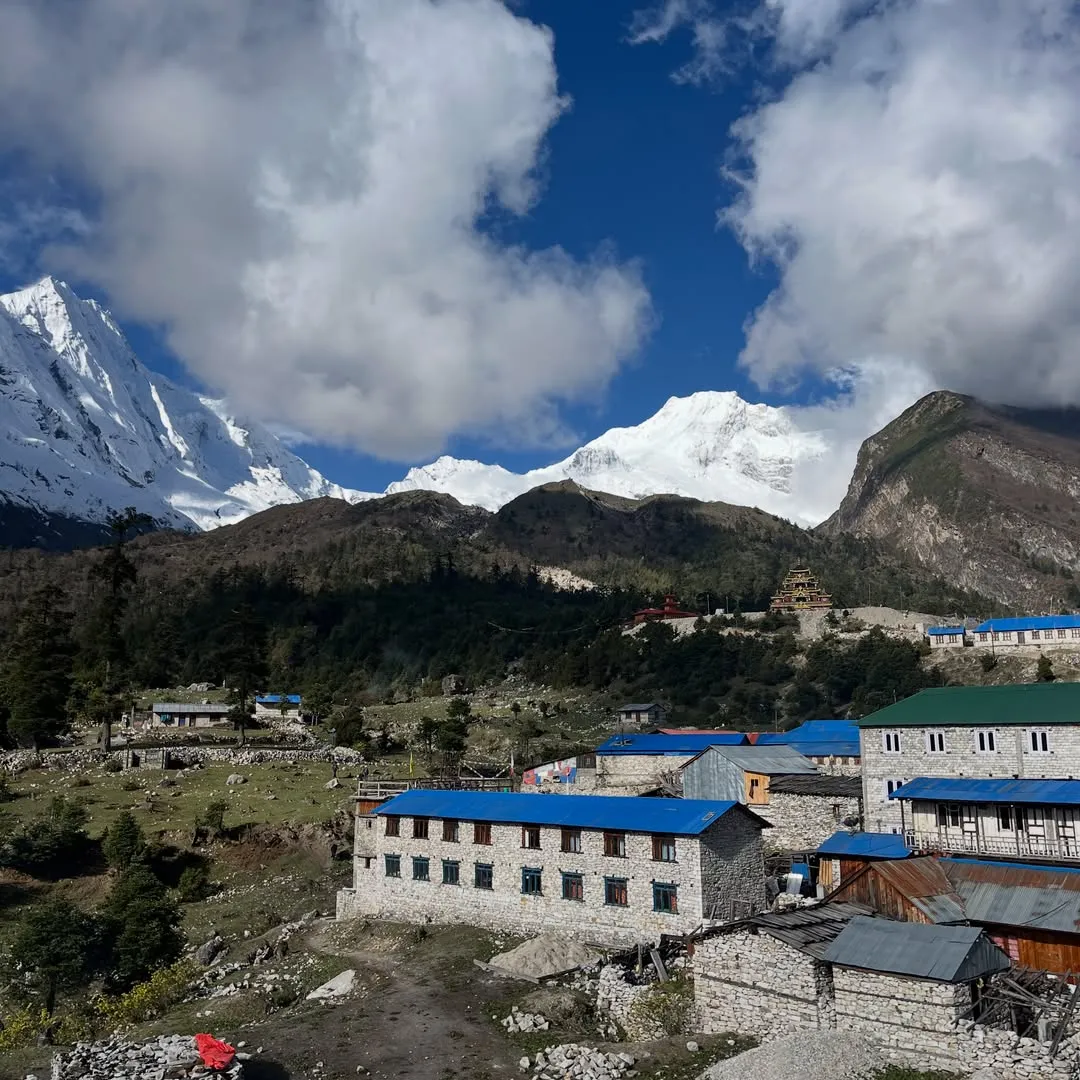
Compared to the Annapurna region, the EBC trek has better mobile coverage because of the tourist density and the local investment in communications. The Manaslu Circuit has worse coverage, with mobile signal ending at Samagaon and satellite wifi only at larger lodges. The Kanchenjunga and Upper Dolpo regions have almost no connectivity, with satellite phones the only option for emergencies. If staying connected is a priority, EBC is one of the better-connected remote treks in Nepal.
피해야 할 일반적인 실수
Do not rely solely on your home-country SIM, because international roaming in Nepal is expensive at $5 to $10 per MB and often does not work above Namche. Avoid draining your phone battery with video calls and social media, because charging costs add up and power is unreliable. Never assume wifi will be free at every lodge, because some charge $5 per device per day. Finally, do not forget a power bank, because a dead phone at 5,000m with no way to call for help is a serious safety risk.
자주 묻는 질문
Here are the connectivity questions trekkers ask us most before booking.
요약
You can use your phone and internet on the Everest Base Camp trek in 2027, with Ncell and NTC 4G coverage to Lobuche and Everest Link wifi at most lodges from Lukla to Gorak Shep. Buy a local SIM in Kathmandu for $5 to $10, pay $20 to $30 for full-trek wifi, and carry a 20,000mAh power bank. Coverage above Lobuche is patchy, and weather can knock out satellite dishes for hours. Budget $40 to $60 per person for connectivity on a 14-day EBC trek.
결론
Connectivity on the EBC trek has improved dramatically in recent years, and in 2027 you can stay in touch with family, post photos, and call for help from most points on the trail. Buy a local SIM, pay for full-trek wifi, carry a power bank, and you will be reachable for the vast majority of your trek. Above all, remember that the occasional offline day is part of the magic of the Himalaya, and the views are better than your phone anyway.
추천 트레킹 패키지
탐험할 트레킹 장소
Explore Trips in Nepal
Hand-picked guided trips to this destination

 English
 Deutsch
 Svenska
 Dansk
Dansk Русский
 Français
 Português
 Español
 Polski
 简体中文
简体中文 日本語
日本語 ไทย
ไทย العربية
 한국어
한국어