
迅速な答え
The Balthali Village Trek at 1,730 m is the safest Nepal trek for avoiding altitude sickness, with the entire route under 2,000 m. Other strong low altitude options include the Helambu Trek at 3,650 m, the Sikles Trek at 2,000 m, and the lower Poon Hill route at 3,210 m. Altitude sickness risk drops sharply below 2,500 m.
詳細な内訳
Altitude sickness begins to affect trekkers above 2,500 m, with risk rising sharply above 3,500 m. For trekkers who want Himalayan scenery and culture without altitude risk, the Balthali Village Trek in Kavrepalanchok district stays between 1,400 m and 1,730 m for the entire route. The two to four day trek starts from Panauti or Khopasi, one and a half hours east of Kathmandu.
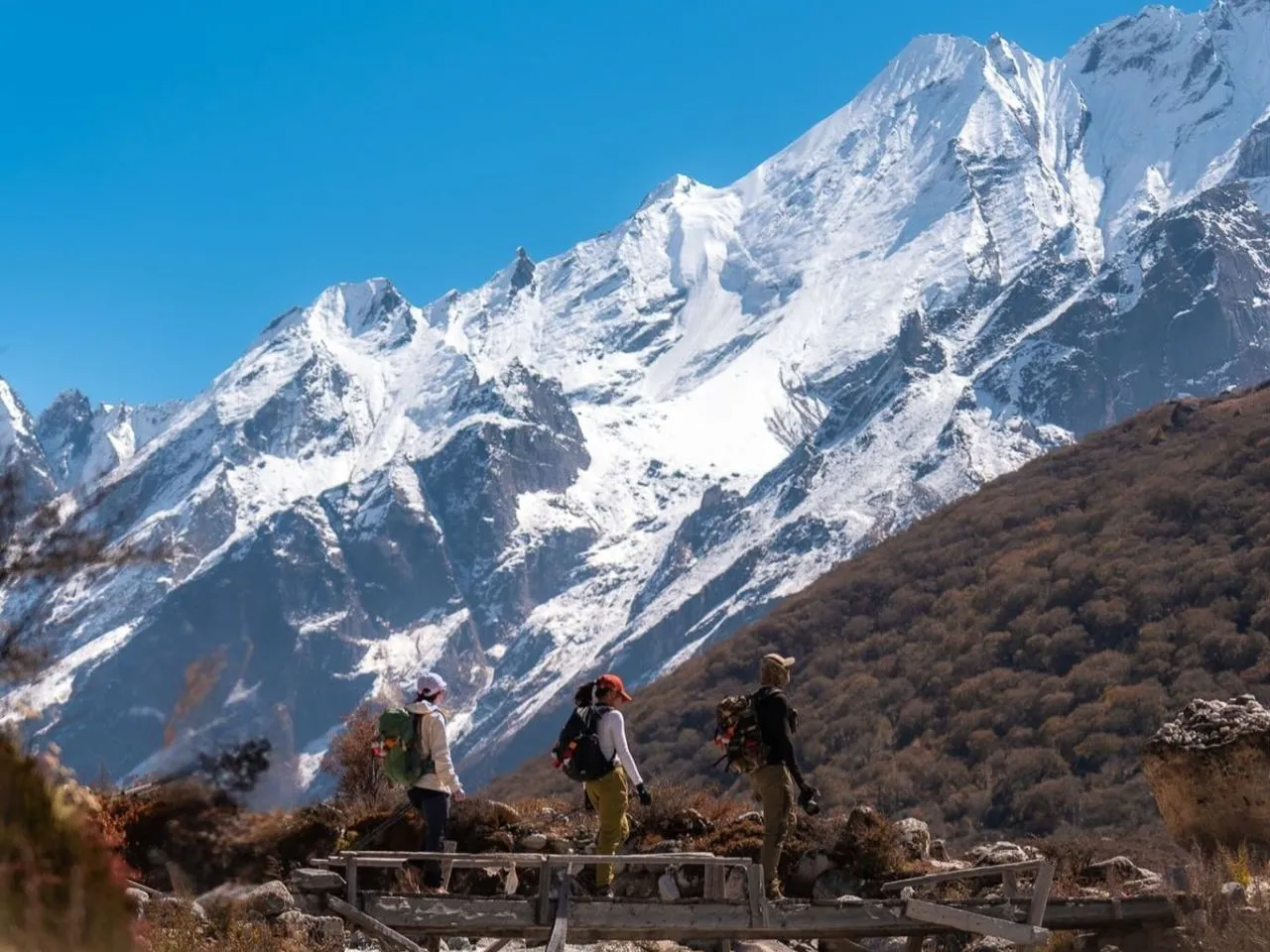
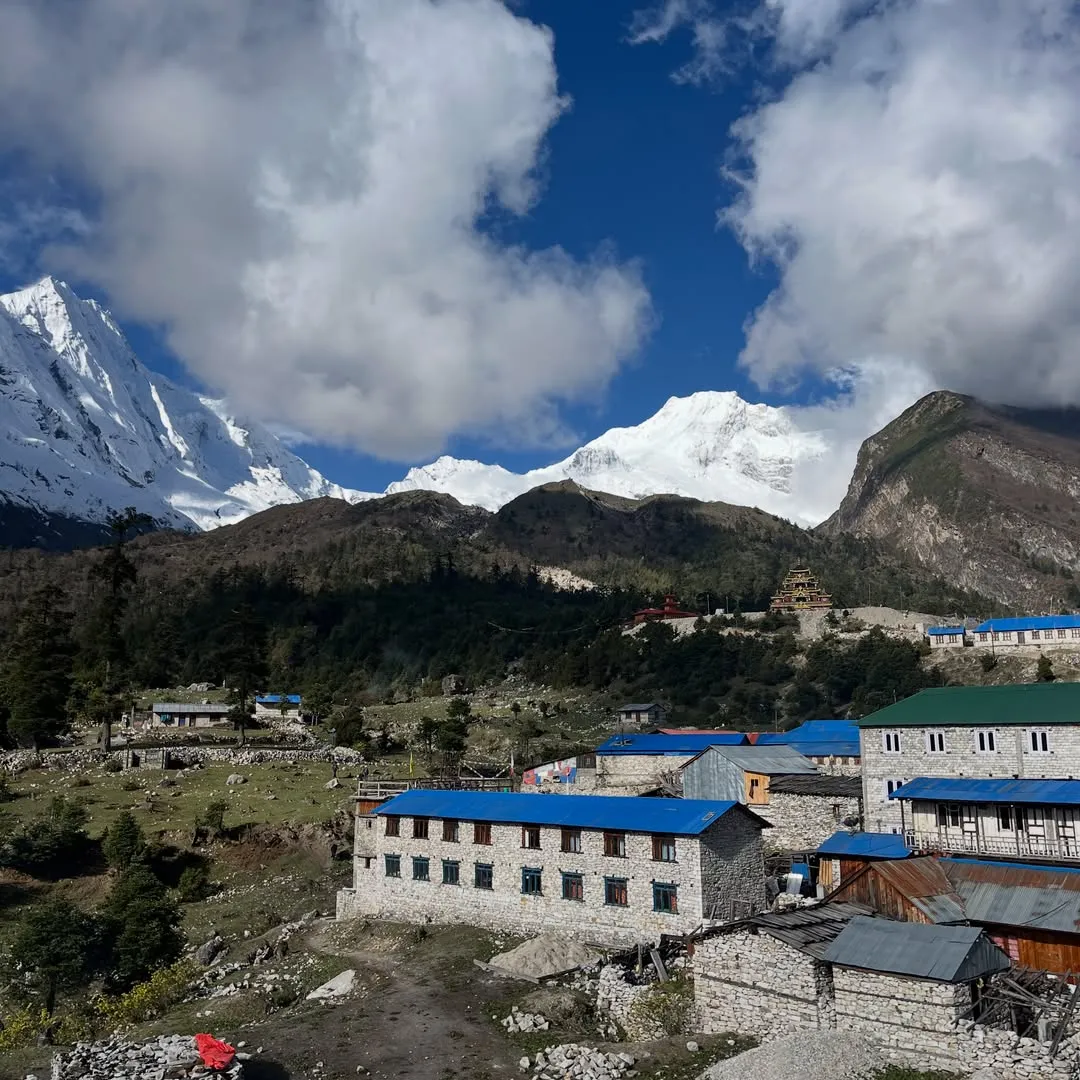
Balthali delivers Tamang and Newari village culture, terraced farmland, river valleys, and distant views of the eastern Himalaya including Dorje Lakpa and a faint glimpse of Langtang Lirung. The trail has no steep climbing and no high pass. Teahouses are simple but comfortable, with western style beds and shared bathroom.
For trekkers with a bit more time who still want low altitude, the Helambu Trek tops out at 3,650 m at Tharepati but spends most days between 2,500 m and 3,400 m. Sikles in the Annapurna region stays at 2,000 m with Gurung culture. Poon Hill at 3,210 m has the classic Annapurna sunrise view with minimal altitude risk.
コスト/コンポーネントの内訳
| トレッキング | 期間 | 最大高度 | 2027 Cost USD |
|---|---|---|---|
| バルタリ ビレッジ トレッキング | 2~4日 | 1,730 m | $200 ~ $400 |
| ヘランブ トレッキング | 5~9日 | 3,650 m | $500 ~ $800 |
| シクルトレッキング | 4~6日 | 2,000 m | $400 ~ $600 |
| Poon Hill Trek | 3日から5日 | 3,210 m | $300 ~ $500 |
| Chisapani Nagarkot | 2~3日 | 2,175 m | $150 ~ $300 |
答えに影響するもの
Your altitude tolerance sets the threshold. Trekkers with prior altitude sickness above 3,000 m should stick strictly under 2,500 m, which limits the choice to Balthali, Sikles, and Chisapani Nagarkot. Those with no history can handle Helambu and Poon Hill.
Time available changes the pick. Two to three days fits Balthali or Chisapani Nagarkot. Five to seven days fits Helambu or Sikles. Poon Hill works in three to five days.
Cultural interest matters. Balthali offers Tamang and Newari culture close to Kathmandu. Helambu offers Hyolmo culture and Buddhist monasteries. Sikles offers Gurung culture. Pick the culture that interests you.
予約のヒント
Book Balthali as a side trip from Kathmandu. Most agencies arrange a two night three day package with private transport from the city, guide, and teahouse lodging. You save on Lukla flights and avoid weather risk.
For Helambu, start from Sundarijal one hour north of Kathmandu. No domestic flight needed, which removes the main reliability risk of Khumbu or Annapurna treks.
For Poon Hill, fly or drive to Pokhara then jeep to Nayapul. The route is the busiest in Nepal, so book teahouses a week ahead in October.
代替案との比較
Compared with Helambu, Balthali is shorter, lower, and easier. Helambu offers more altitude variation and monasteries, but the 3,650 m Tharepati crossing puts it above the safe altitude threshold.
Compared with Poon Hill, Balthali is lower and less crowded. Poon Hill at 3,210 m carries a small altitude risk in susceptible trekkers, while Balthali has none. Poon Hill wins on Annapurna mountain drama.
Compared with Sikles, Balthali is closer to Kathmandu. Sikles offers Gurung culture and Annapurna views, Balthali offers Newari and Tamang culture with distant Himalayan glimpses.
Compared with Chisapani Nagarkot, Balthali has more cultural depth. Chisapani Nagarkot is a popular short viewpoint trek with Kathmandu Valley rim walking, but the villages are more developed.
避けるべきよくある間違い
Assuming altitude sickness only hits above 4,000 m. A small percentage of trekkers develop symptoms at 2,500 m, especially with rapid ascent. Stick below 2,500 m if you have any prior history.
Skipping the Balthali route because it sounds too easy. The route rewards photographers and culture seekers with unvisited villages and easy light. The low altitude is a feature, not a limitation.
Booking Balthali in monsoon. June to August brings leeches and heavy rain to the mid hills. October to December and March to May are the right windows.
Treating low altitude as no preparation needed. Balthali still walks 4 to 5 hours per day on hilly terrain. Light training and broken in boots prevent blisters and fatigue.
フェイク
Is Balthali safe for senior trekkers?
Yes. The 1,730 m altitude, short 4 to 5 hour walking days, and easy access from Kathmandu make Balthali one of the best senior trekkers routes in Nepal.
Will I see Himalayan peaks from Balthali?
Yes, on clear days from October to March. The trail views Dorje Lakpa, Gauri Shankar, and a distant Langtang Lirung. The peaks are smaller in the view than from Poon Hill or Everest viewpoints.
What altitude is safe for everyone?
Below 2,500 m. Above 2,500 m the risk of mild altitude sickness rises, and above 3,500 m it rises sharply. Trekkers with prior altitude illness should stay below 2,500 m.
Can I extend Balthali with another low altitude trek?
Yes. Combine Balthali with Chisapani Nagarkot for a five day Kathmandu Valley rim trek. Both stay below 2,200 m and share similar culture.
まとめ
The Balthali Village Trek at 1,730 m is the strongest low altitude Nepal trek for avoiding altitude sickness. Other strong options include Helambu, Sikles, Poon Hill, and Chisapani Nagarkot, each with different altitude ceilings and cultural focus.
結論
Pick Balthali for the safest low altitude trek close to Kathmandu, with no altitude risk and rich Tamang and Newari culture. For more mountain drama at low altitude, add Poon Hill or Sikles. For more cultural depth, add Helambu. Each stays under the altitude sickness threshold.
推奨されるトレッキング パッケージ
探索するトレッキング場所
Explore Trips in Nepal
Hand-picked guided trips to this destination

 English
 Deutsch
 Svenska
 Dansk
Dansk Русский
 Français
 Português
 Español
 Polski
 简体中文
简体中文 日本語
日本語 ไทย
ไทย العربية
 한국어
한국어