
réponse rapide
A standard guided Mera Peak climb in 2027 includes the NMA climbing permit, a climbing guide and Sherpa support, base camp staff including cook and kitchen crew, all meals and lodging on the trek, Lukla flights both ways, group climbing gear including ropes and fixed lines, emergency oxygen, and a first aid kit. You cover international flights, travel insurance, personal climbing gear, and tips.
Répartition détaillée
A guided Mera Peak climb runs 18 to 20 days from Kathmandu. The package covers the trekking phase from Lukla through the Hinku Valley to Khare at 4,900 metres, the climbing phase to high camp at 5,800 metres and the summit at 6,476 metres, and the return trek.
The climbing permit is the NMA Mera Peak Climbing Permit, costing $250 in spring and autumn and $125 in winter. This is bundled into the package. The Sagarmatha National Park Entry Permit at $30 and the Khumbu Pasang Lhamu Rural Municipality Entrance Permit at $20 are also included.
Staff includes a climbing leader, typically an IFMGA or NMA certified guide, one climbing Sherpa per two to three clients, a base camp manager, a cook, kitchen staff, and porters. The summit day ratio is usually 1 guide to 2 clients.
Group climbing gear includes fixed ropes, snow bars, ice screws, emergency oxygen canisters, a comprehensive first aid kit, a Gamow bag or portable altitude chamber at base camp, and radio communication. Personal climbing gear like boots, crampons, ice axe, harness, helmet, jumar, and rappel device is typically not included.
Meals cover three meals a day on the trek, at teahouses on the approach and at the base camp mess tent during the climbing phase. Boiled water and tea and coffee at meals are included.
Répartition des coûts/composants
| composante | inclus | Typical cost if excluded |
|---|---|---|
| NMA Mera Peak Permit | oui | $250 spring/autumn, $125 winter |
| Permis de NP de Sagarmatha | oui | $30 |
| Khumbu Local Permit | oui | $20 |
| Carte TIM | oui | $10 à $20 |
| Vols aller-retour à Lukla | oui | $340 à $380 |
| Guide et escalade Sherpa | oui | $1,200 à $1,800 |
| Personnel et nourriture du camp de base | oui | $1 000 à $1 500 |
| Group climbing gear | oui | $300 à $500 |
| Personal climbing gear | non | $400 to $1,200 to rent |
| Assurance voyage | non | $150 to $400 |
| Conseils pour l'équipage | non | $200 à $400 |
Qu'est-ce qui affecte la réponse
Operator tier is the first factor. Premium operators at $4,500 to $5,500 include a 1 to 1 summit ratio, a doctor at base camp, and satellite communication. Mid-tier operators at $3,200 to $4,200 run a 1 to 2 or 1 to 3 ratio. Budget operators below $3,000 cut base camp staff.
Season affects what is included. Spring packages (March to May) are 20 to 30 percent more expensive than autumn packages (October to November). Winter packages are cheapest but cold and risky above 5,800 metres.
Group size affects shared costs. A solo climber pays a $600 to $1,000 single supplement. Groups of four or more split fixed costs like the base camp manager and satellite phone.
Approach route matters. The Amphulapcha Pass approach from Chhukung adds $500 to $1,000 to the package.
Conseils pour la réservation
Ask the operator for an itemized inclusions list before booking. The list should specify permit costs, summit ratio, base camp staff count, group gear list, and meal provisions.
Verify the operator is a registered NMA member. NMA member operators obtain the Mera Peak permit directly.
Confirm the contingency days. Mera Peak packages should include two buffer days for weather.
Pack your own climbing harness, jumar, rappel device, three locking carabiners, helmet, mountaineering boots, and crampons. Renting at Lukla is possible but quality is poor.
Comparaison avec les alternatives
Compared with Island Peak, the Mera Peak package is longer by 2 to 4 days and includes more base camp infrastructure. Compared with Lobuche East, the Mera Peak package is similar in length but with more trekking days.
Erreurs courantes à éviter
Booking a package that excludes the NMA climbing permit. Some budget operators quote $2,800 without the permit, then add $250 to $500 at base camp. Get the permit in writing.
Skipping personal climbing gear rental in Kathmandu. Lukla rental shops have limited stock and poor quality. Rent or buy in Kathmandu the day before departure.
Underestimating tip budget. Standard tips for an 18 day Mera Peak package run $200 to $400 per climber, split among guide, Sherpa, cook, and porters.
FAQ
What permits are included in a guided Mera Peak climb?
The NMA Mera Peak Climbing Permit at $250 in spring and autumn or $125 in winter, the Sagarmatha National Park Entry Permit at $30, the Khumbu Pasang Lhamu Rural Municipality Entrance Permit at $20, and the TIMS Card at $10 to $20.
Is personal climbing gear included?
No. Mountaineering boots, crampons, ice axe, harness, helmet, jumar, and rappel device are personal gear and are not included. Rent these in Kathmandu for $400 to $1,200 for the trip.
What is the guide to client ratio on summit day?
Typically 1 guide to 2 clients. Premium operators run 1 to 1. Budget operators may run 1 to 3 or 1 to 4, which is unsafe above 6,000 metres.
How much should I budget for tips?
$200 to $400 per climber for an 18 day package. Tips are split among the climbing guide, climbing Sherpa, base camp cook, kitchen staff, and porters.
somm
A standard guided Mera Peak climb includes the NMA climbing permit, all conservation and TIMS permits, Lukla return flights, climbing guide and Sherpa at 1 to 2 ratio, base camp staff and food, group climbing gear, and emergency oxygen. You cover personal climbing gear, travel insurance, and tips of $200 to $400.
conclusion
In 2027 a guided Mera Peak climb at $3,200 to $4,500 covers the core expedition costs. Add $400 to $1,200 for personal gear rental, $150 to $400 for insurance, and $200 to $400 for tips. Read the inclusions list carefully, verify NMA membership, and confirm summit ratio and buffer days before booking.
Forfaits Trek recommandés
Des lieux de randonnée à explorer
Explore Trips in Nepal
Hand-picked guided trips to this destination
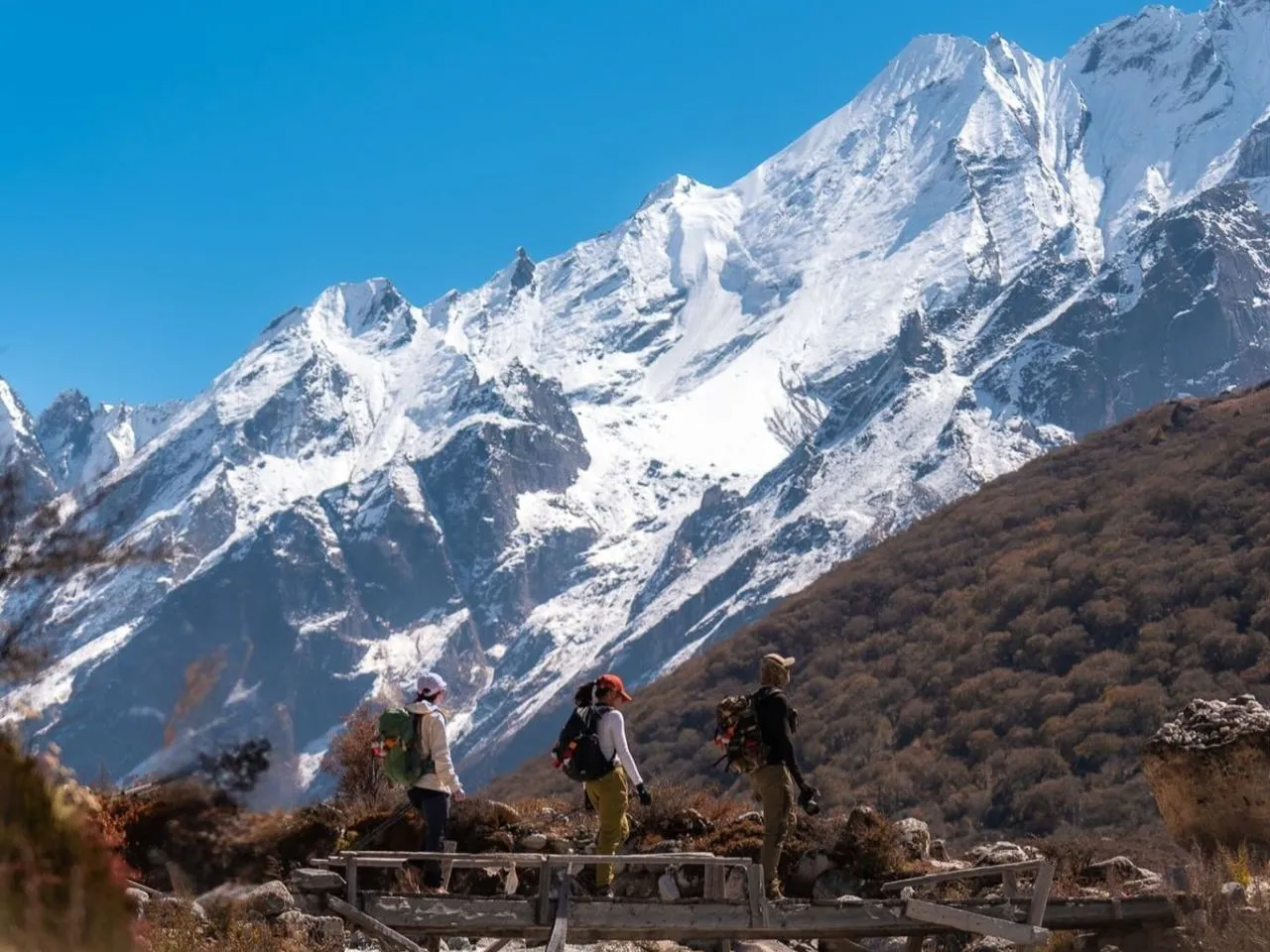
Trek de luxe de Langtang – 10 jours
Trek de luxe de Langtang – 10 jours
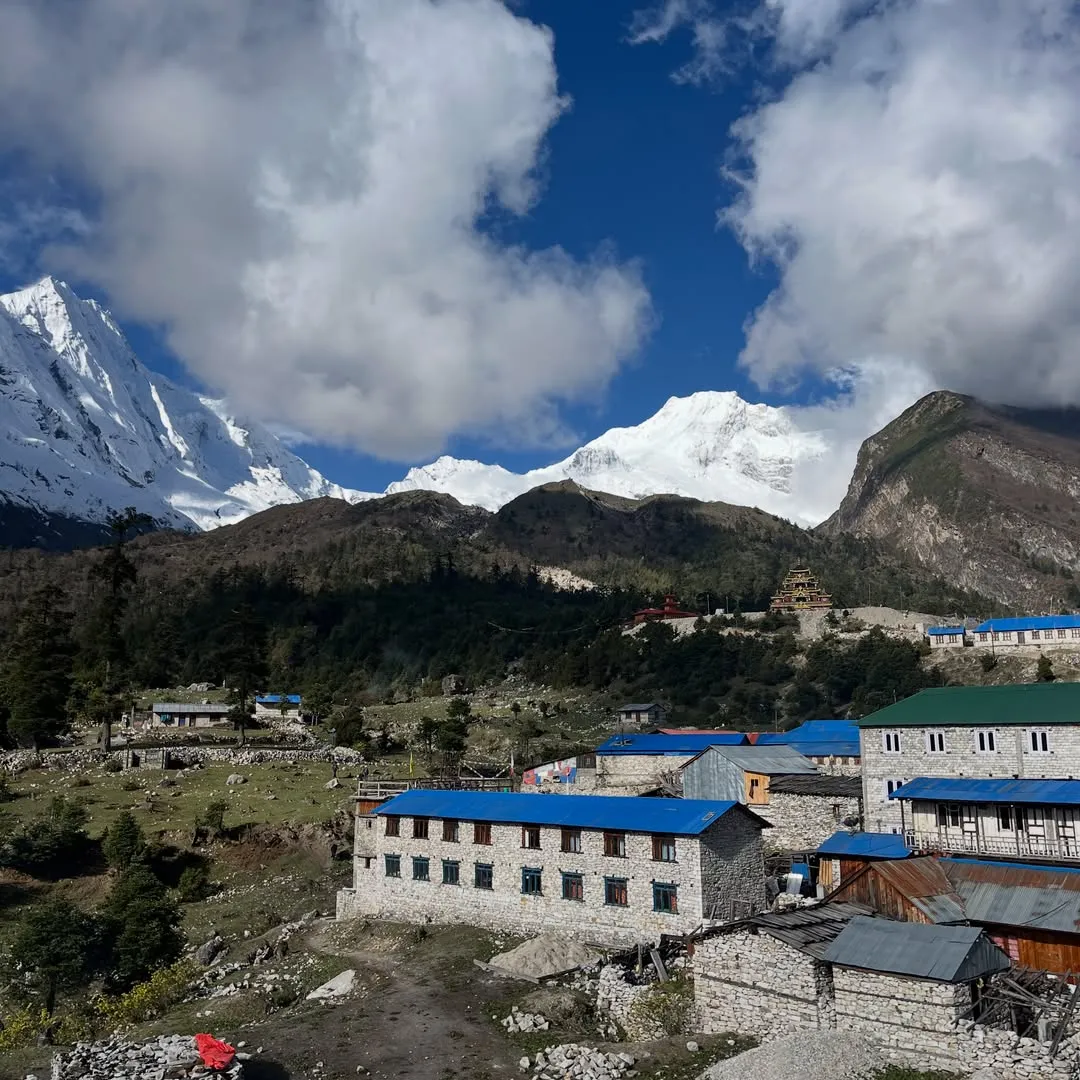
Treken en famille Manaslu – 12 jours
Treken en famille Manaslu – 12 jours
Trek de luxe à Manaslu – 14 jours
Trek de luxe à Manaslu – 14 jours

Trek de la photographie Manaslu – 17 jours
Trek de la photographie Manaslu – 17 jours
 English
 Deutsch
 Svenska
 Dansk
Dansk Русский
 Français
 Português
 Español
 Polski
 简体中文
简体中文 日本語
日本語 ไทย
ไทย العربية
 한국어
한국어