
réponse rapide
A 6-day Gosaikunda Trek package is rushed but workable for fit, acclimatized trekkers. The altitude gain from 1,950 metres at Dhunche to 4,380 metres at the lake in four walking days is fast. Most agencies recommend 7 to 9 days for safer acclimatization, and the 6-day option is not suitable for sea-level arrivals over 50.
Répartition détaillée
The Gosaikunda Trek reaches a sacred alpine lake at 4,380 metres in the Langtang National Park. The standard route starts at Dhunche at 1,950 metres or Sundarijal at 1,400 metres, climbs through Chandanbari and Laurebina, and reaches the lake on day 3 or 4. The shorter 4-day version and the longer 7-day Sundarijal loop both end at the same lake.
The 6-day package typically runs Dhunche to Sing Gompa to Laurebina to Gosaikunda to Dhunche. The altitude gain from 1,950 metres at the start to 4,380 metres at the lake is 2,430 metres in four walking days, with the final 1,200 metre gain happening on day 3 and 4. This is fast for sea-level arrivals.
The package is marketed to short-break trekkers with limited Nepal time, but the altitude profile is the main concern. Acute mountain sickness symptoms appear in roughly 15 to 20 percent of trekkers on the 6-day profile, compared with 5 to 8 percent on the 8-day profile.
Répartition des coûts/composants
| composante | 6-Day Package | 8-Day Package |
|---|---|---|
| journées | 6 | 8 |
| Altitude maximale | 4,380 m at Gosaikunda Lake | 4,380 m plus optional 4,610 m Laurebina La |
| Journées d'acclimatation | nul | One rest day at Sing Gompa or Laurebina |
| Permis 2027 | Langtang NP + TIMS, $50 | $50 plus Shivapuri if Sundarijal exit |
| Risque de SMA | 15 to 20 percent | 5 to 8 percent |
| Forfait total 2027 | $400 à $600 | $500 à $750 |
Qu'est-ce qui affecte la réponse
Starting altitude tolerance is the first factor. Trekkers arriving from sea level have a higher AMS risk on the 6-day profile. Trekkers who have spent a week above 2,000 metres beforehand tolerate the profile better.
Age and fitness are the second factor. Trekkers over 50 or with prior altitude sensitivity should pick the 8-day option. The 6-day profile is fine for fit trekkers under 40 with no altitude history.
Season is the third factor. The 6-day profile works best in October and November, when weather is stable. Avoid April and May, when heat in the lower valley increases dehydration and AMS risk.
Itinerary direction is the fourth factor. The Dhunche to Gosaikunda to Dhunche loop is faster than the Sundarijal to Gosaikunda to Dhunche traverse, which adds one day and the Laurebina La crossing.
Conseils pour la réservation
Book the 6-day package only if you are fit, under 50, and have prior trekking experience above 3,500 metres. If not, upgrade to the 8-day option.
Pick a Dhunche start rather than Sundarijal. The Dhunche route is shorter and reaches the lake in three walking days, while the Sundarijal route adds the Laurebina La crossing and one extra day.
Carry diamox and know the early AMS symptoms. The 6-day profile does not allow for a rest day, so trekkers must descend immediately if symptoms appear.
Pre-acclimatize in Kathmandu or Nagarkot for two nights before the trek. Even 1,500 metres of pre-acclimatization reduces AMS risk on the 6-day profile.
Comparaison avec les alternatives
Compared with the 8-day Gosaikunda package, the 6-day option is roughly $100 cheaper but adds 10 to 12 percentage points of AMS risk. The 8-day option includes a rest day at Sing Gompa or Laurebina and is the safer choice for most trekkers.
Compared with the Helambu Trek, the Gosaikunda Trek reaches 700 metres higher altitude in a shorter time. Helambu is the safer choice for trekkers with altitude concerns but does not reach the sacred lake.
Erreurs courantes à éviter
Booking the 6-day package with a sea-level arrival. The fast altitude gain from 1,950 metres to 4,380 metres in four days raises AMS risk significantly.
Skipping the pre-dawn climb to the lake viewpoint. The 4,400 metre ridge above the lake offers the best Langtang range panorama and warrants a 90-minute detour.
Walking the 6-day profile in shoulder season. April heat and November fresh snow both increase the risk profile.
Choosing the Sundarijal to Dhunche traverse on a 6-day schedule. This route needs 7 to 8 days to be safe.
FAQ
Is the 6-day Gosaikunda Trek safe?
For fit, acclimatized trekkers under 50, yes. For sea-level arrivals over 50 or those with altitude sensitivity, no. The 8-day option is the safer choice for most trekkers.
What is the minimum safe duration for Gosaikunda?
7 days from Dhunche, or 8 days from Sundarijal. Both profiles include a rest day at Sing Gompa or Laurebina for acclimatization.
Can I add a rest day to the 6-day package?
Yes, but it becomes a 7-day package. Most agencies charge an additional $60 to $80 per rest day, including guide, food, and lodging.
Does the 6-day package include the Laurebina La crossing?
No. The 6-day Dhunche to Dhunche loop does not cross the 4,610 metre pass. The Sundarijal to Dhunche traverse adds the pass and one extra day.
somm
A 6-day Gosaikunda Trek package is rushed but workable for fit, acclimatized trekkers. The 2,430 metre altitude gain in four walking days raises AMS risk to 15 to 20 percent. Most agencies recommend the 7 to 9 day option for safer acclimatization, especially for sea-level arrivals over 50.
conclusion
The 6-day Gosaikunda Trek package trades safety margin for time. Pick it only if you are fit, young, and acclimatized. For most trekkers, the 8-day package is the better choice, with one rest day built in and roughly half the AMS risk. Budget $400 to $600 for the 6-day and $500 to $750 for the 8-day option in 2027, and book October or November departures for the most stable conditions.
Forfaits Trek recommandés
Des lieux de randonnée à explorer
Explore Trips in Nepal
Hand-picked guided trips to this destination
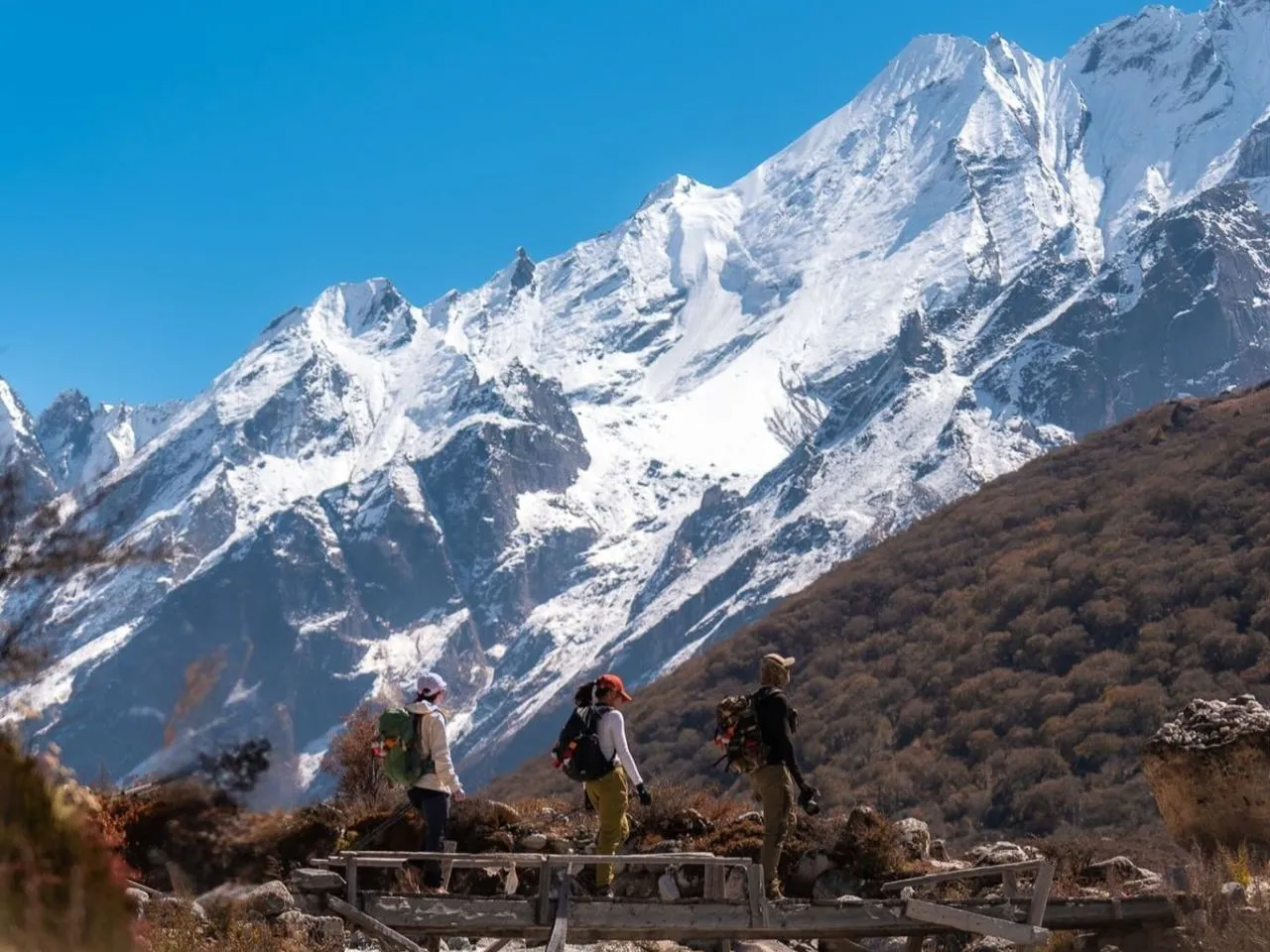
Trek de luxe de Langtang – 10 jours
Trek de luxe de Langtang – 10 jours
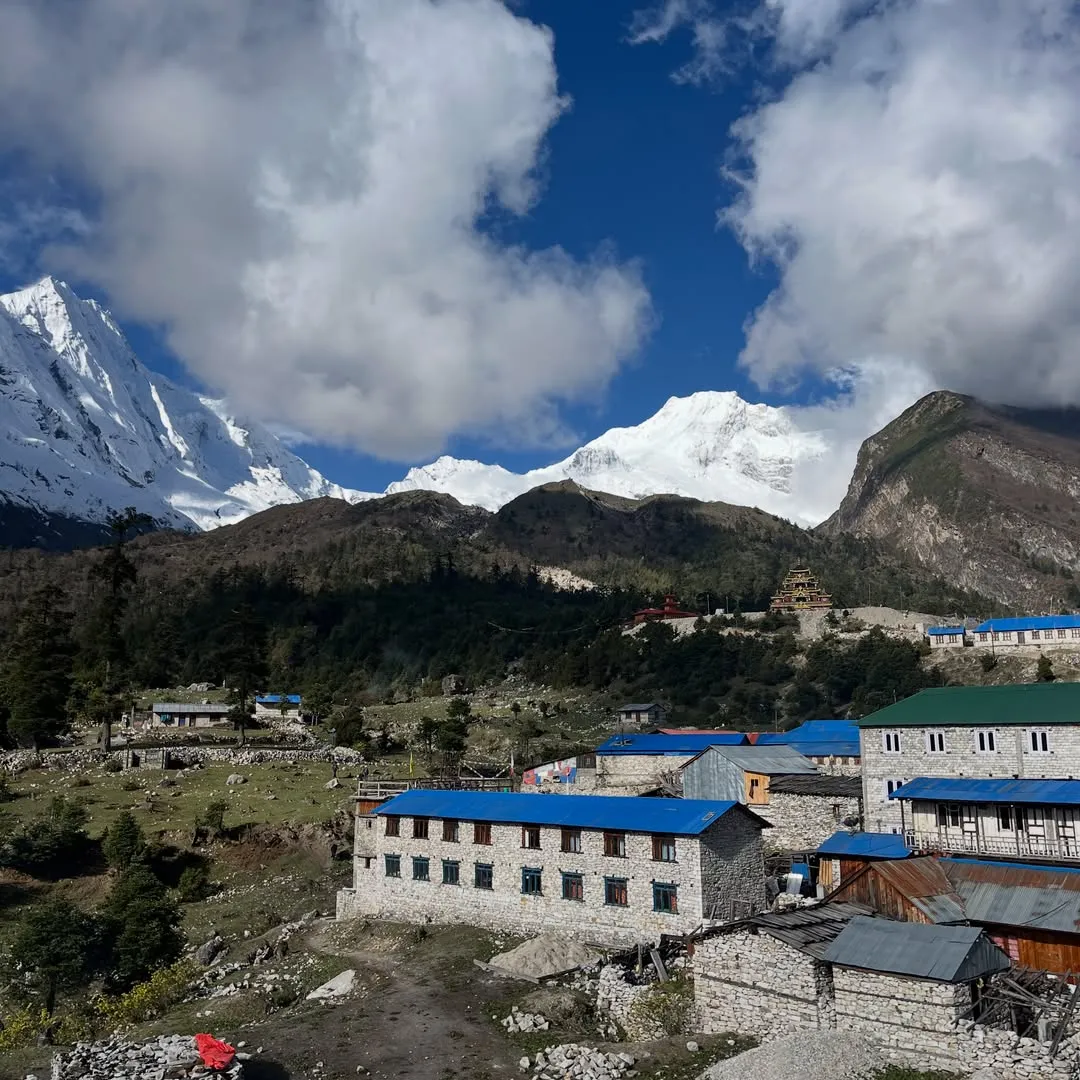
Treken en famille Manaslu – 12 jours
Treken en famille Manaslu – 12 jours
Trek de luxe à Manaslu – 14 jours
Trek de luxe à Manaslu – 14 jours

Trek de la photographie Manaslu – 17 jours
Trek de la photographie Manaslu – 17 jours
 English
 Deutsch
 Svenska
 Dansk
Dansk Русский
 Français
 Português
 Español
 Polski
 简体中文
简体中文 日本語
日本語 ไทย
ไทย العربية
 한국어
한국어