
schnelle Antwort
The Humla and Kailash landscapes in 2027 to 2030 are worth the extra travel complexity for photographers who want the Tibetan plateau panorama, the Mount Kailash north face from Diraphuk at 5,210 m, the south face from the Drolma La pass at 5,630 m, and Lake Manasarovar at 4,590 m. The 18 to 24 day trip from Simikot costs $4,200 to $6,500 per person including Chinese Tibet permits, Land Cruiser transfer, and full camping logistics. The route crosses into Tibet via Hilsa and covers the 52 km Kailash kora.
Detaillierte Aufschlüsselung
The Simikot to Kailash route starts with a flight from Nepalgunj to Simikot at 2,950 m, the district headquarters of Humla. Days 2 through 6 walk the Karnali river valley through Majgaon, Yangar, Hilsa, and the Sher border crossing into Tibet at 3,720 m. Days 7 through 9 transfer by Land Cruiser to Lake Manasarovar at 4,590 m and to Darchen at 4,560 m, the kora start point.
The 52 km Kailash kora covers three days. Day 1 walks from Darchen to Diraphuk at 5,210 m with the north face of Kailash towering above. Day 2 crosses the Drolma La pass at 5,630 m with the south face view, descending to Zutulpuk at 4,790 m. Day 3 returns to Darchen. The photography highlights are the golden hour on the Kailash north face from Diraphuk, the prayer flag covered Drolma La pass, and the Manasarovar reflection at sunrise.
Kosten-/Komponentenaufschlüsselung
| Komponente | Standard 18 Day | Premium 24 Day |
|---|---|---|
| Domestic flight Kathmandu to Nepalgunj to Simikot | $280 bis $340 | $280 bis $340 |
| TIMS-Karte | $17 | $17 |
| Chinese Tibet travel permit | $90 bis $120 | $90 bis $120 |
| Kailash permit and Kora fee | $200 | $200 |
| Land Cruiser transfer Hilsa to Darchen | $1,200 to $1,500 (shared 4 pax) | $1,200 to $1,500 (shared 4 pax) |
| Licensed guide and Tibetan guide | $720 bis $960 | $960 bis $1,200 |
| Campingcrew und Ausrüstung | $540 bis $720 | $720 bis $960 |
| Food and fuel on trek | $480 bis $640 | $640 bis $840 |
| Lhasa partner coordination fee | $200 bis $300 | $300 bis $400 |
| Crew insurance with $6,000 evacuation cover | $180 bis $240 | $240 bis $320 |
| Gesamt pro Person (4-Gruppe) | $4,200 to $5,200 | $5,200 to $6,500 |
Was beeinflusst die Antwort
Three factors shape whether the landscapes are worth the complexity. First, photography priorities: the Kailash north face from Diraphuk and the south face from Drolma La are unique shots that no other route offers. The Manasarovar reflection at sunrise is the third standout.
Second, risk tolerance: the Simikot flight cancellation rate and the 60 day permit lead time require flexibility. Trekkers with rigid schedules face 30 percent reschedule rates. Trekkers with 4 day buffer in Kathmandu face 8 percent reschedule rates.
Third, season: October offers 85 percent clear morning rates on Kailash. May and June offer 70 percent clear rates with warmer temperatures. November offers 80 percent clear rates with cold mornings at minus 12 C on the Drolma La.
Buchungstipps
Book 12 weeks ahead for the October and May windows. Submit Chinese Tibet permit documents 60 days ahead. Pick an operator with a named Lhasa partner and a Simikot to Hilsa helicopter contingency at $2,400 for 4 trekkers in case of trail blockage.
Confirm the Land Cruiser contract for 4 trekkers maximum per vehicle, since 6 trekker vehicles face breakdown rates of 22 percent on the Manasarovar road. Carry 60,000 to 80,000 Nepali rupees cash for emergency helicopter deposit and the Hilsa border crossing fee.
Vergleich mit Alternativen
The Limi Valley Trek in Humla costs $2,800 to $4,200 for 16 to 20 days and offers a Nepal only remote valley with no Tibet crossing. The Mount Kailash via Lhasa route costs $4,500 to $7,200 for 12 to 16 days and skips the Humla walk but adds a Lhasa to Darchen drive. The Simikot to Rara Lake Trek costs $1,400 to $2,100 for 12 to 16 days and stays in Nepal.
Pick the Simikot to Kailash route for the complete Humla plus Kailash photography expedition. Pick Limi Valley for a Nepal only remote valley without the permit complexity. Pick Kailash via Lhasa for the shortest Kailash access. Pick Rara for the easier Nepal lake trek.
Häufige Fehler zu vermeiden
Do not book the Simikot to Kailash route without a 4 day buffer in Kathmandu. The Simikot flight cancellation rate of 25 percent in October means trekkers without buffer miss the Chinese Tibet permit window and lose $4,200 plus.
Avoid operators without a named Lhasa partner. The Chinese Tibet permit requires a Lhasa based agency to file the paperwork, and operators that use third party brokers face 35 percent permit rejection rates. Do not attempt the Drolma La in winter from December to March since the pass closes with snowpack.
FAQ
Is the Humla and Kailash route worth it for photographers?Yes for photographers who want the Kailash north face from Diraphuk, the south face from Drolma La, and the Manasarovar reflection. These shots are unique to this route.
Wie hoch ist die Stornogebühr für Simikot?25 percent in October, 40 percent in March. Carry a 4 day buffer in Kathmandu and budget for a $2,400 helicopter contingency from Simikot to Hilsa.
Zusammenfassung
The Humla and Kailash landscapes in 2027 to 2030 are worth the travel complexity for photographers chasing the Kailash north and south faces plus Lake Manasarovar. The 18 to 24 day trip from Simikot costs $4,200 to $6,500 per person with 60 day permit lead time and a 4 day Kathmandu buffer.
Schluss
Pick the Simikot to Kailash route for unique photography of the Kailash massif and Lake Manasarovar. Book 12 weeks ahead, submit Chinese Tibet permits 60 days ahead, carry 70,000 Nepali rupees cash, and demand a named Lhasa partner with a Hilsa helicopter contingency. The right operator turns the 5,630 m Drolma La crossing into a controlled kora day instead of a risk event.
Empfohlene Trek-Pakete
Trekking-Orte zum Erkunden
Explore Trips in Nepal
Hand-picked guided trips to this destination
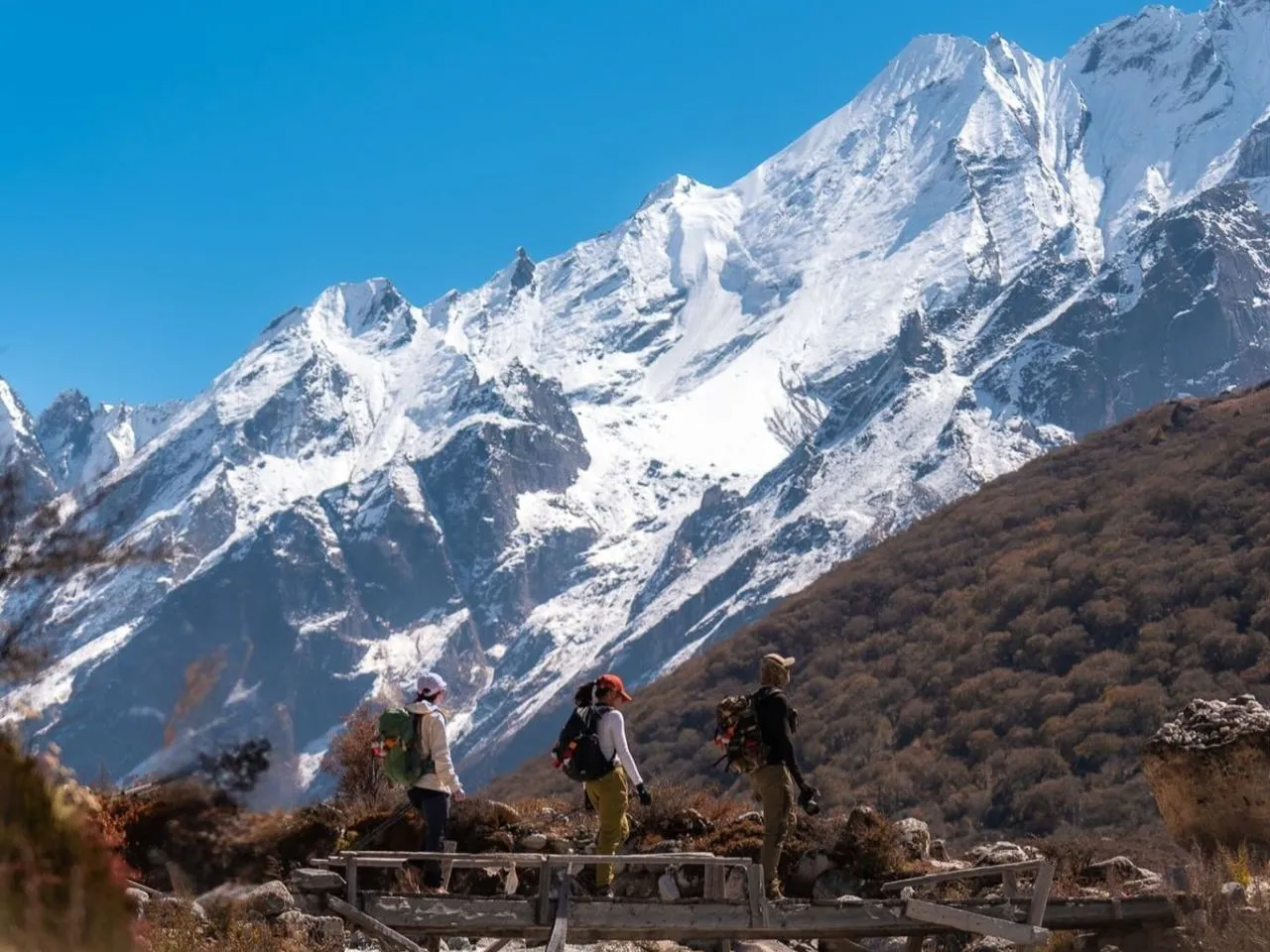
Langtang Luxus-Trek – 10 Tage
Langtang Luxus-Trek – 10 Tage
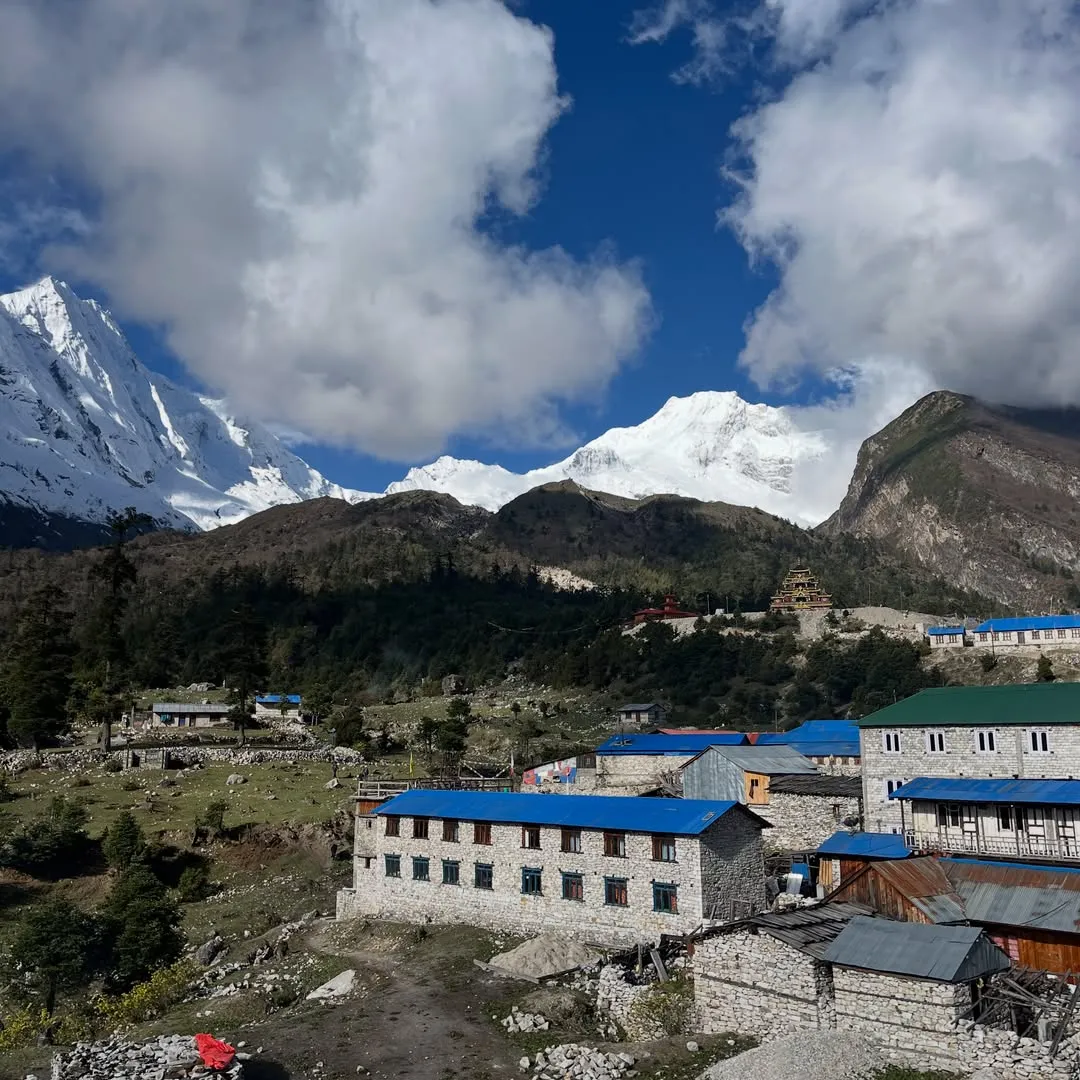
Manaslu-Familienwanderung – 12 Tage
Manaslu-Familienwanderung – 12 Tage
Manaslu-Luxus-Trek – 14 Tage
Manaslu-Luxus-Trek – 14 Tage

Manaslu-Fotografie-Trek – 17 Tage
Manaslu-Fotografie-Trek – 17 Tage
 English
 Deutsch
 Svenska
 Dansk
Dansk Русский
 Français
 Português
 Español
 Polski
 简体中文
简体中文 日本語
日本語 ไทย
ไทย العربية
 한국어
한국어