
schnelle Antwort
Island Peak, at 6,189 m, needs mountaineering gear: crampons, ice axe, harness, helmet, jumar ascender, prusik loops, carabiners, abseil device, and a fixed rope. Most of this can be rented in Kathmandu for USD 5 to USD 12 per item per day. Boots, gloves, and base layers should be brought from home.
Detaillierte Aufschlüsselung
Island Peak is classed as a trekking peak by the Nepal Mountaineering Association but the summit day crosses a 100 m ice headwall between 6,000 m and 6,189 m. The headwall is fixed with rope each season. Climbers ascend on a jumar, traverse a 30 m corniced ridge, and abseil the headwall on descent.
The mandatory technical kit list covers mountaineering boots rated B2 or B3 with crampon compatibility, 12 point semi rigid crampons with anti balling plates, a 50 to 60 cm ice axe with leash, an alpine climbing harness with gear loops, a UIAA climbing helmet, a jumar ascender in left or right hand, two prusik loops of 6 mm cord at 5 m and 1.5 m lengths, three locking carabiners and two non locking carabiners, a tubular or figure 8 abseil device, 30 m of 8 mm accessory cord for prusik backup, a balaclava, insulated climbing gloves, and a headlamp with spare batteries for the 2 a.m. start.
The non technical kit list overlaps with Everest Base Camp trekking gear: a minus 20 degree sleeping bag, four layer clothing, a 60 litre pack, glacier glasses, and trekking poles.
Kosten-/Komponentenaufschlüsselung
| Posten | Kaufen Sie neue USD | Rent in Kathmandu USD per day | Rent for 6 day climb USD |
|---|---|---|---|
| Bergsteigerstiefel | 400 USD bis 700 USD | 8 bis 12 USD | USD 48 to USD 72 |
| Steigeisen | USD 150 to USD 250 | USD 5 to USD 8 | USD 30 to USD 48 |
| Eispickel | USD 100 to USD 180 | USD 4 to USD 6 | USD 24 to USD 36 |
| Harness | 60 USD bis 120 USD | USD 3 to USD 5 | USD 18 to USD 30 |
| Helm | USD 70 to USD 120 | USD 3 to USD 5 | USD 18 to USD 30 |
| Jumar | USD 60 to USD 100 | USD 3 to USD 5 | USD 18 to USD 30 |
| Carabiner set of 5 | USD 40 to USD 80 | USD 2 to USD 4 | USD 12 to USD 24 |
| Abseil device | USD 25 to USD 50 | USD 2 to USD 3 | 12 USD bis 18 USD |
| Gesamtsumme | USD 905 to USD 1,600 | USD 30 to USD 48 | USD 180 to USD 288 |
Was beeinflusst die Antwort
Boot fit is the biggest factor. Renting boots in Kathmandu means trying sizes in the shop. Blisters on summit day end climbs. Bring your own boots if you wear a non average size.
Season changes gear sharpening. Spring from April to May has firmer snow on the headwall. Autumn from October to November has more ice. Autumn climbers need sharper crampons and a second tool for security.
Operator policy shifts the rental scope. Some agencies include all technical gear in the package; others expect you to bring your own harness, helmet, and jumar for hygiene reasons.
Buchungstipps
Rent from established Kathmandu shops like Shona's, Mountain Hardwear Nepal, or Kalapatthar. Avoid shops near Thamel chowk that sell at discount but rent old gear.
Inspect rented gear the day before departure. Test crampon binding, jumar teeth, and harness buckle. Replace anything worn.
Buy gloves and base layers at home. Rented gloves are worn thin, and base layers are not rented for hygiene reasons.
Bring approach trekking boots separate from mountaineering boots. Walking 5 days in plastic mountaineering boots wrecks feet.
Carry USD 50 in NPR for last minute accessory cord, batteries, and fuel for the summit stove.
Vergleich mit Alternativen
Compared with Mera Peak, Island Peak needs more technical gear. Mera is a high altitude walk with one short fixed rope; Island needs full jumar and abseil kit.
Compared with Lobuche East, Island is less technical. Lobuche East has 4 to 5 pitches of rock and ice climbing; Island has one 100 m headwall.
Häufige Fehler zu vermeiden
Renting boots that have not been broken in. Wear rented boots for 3 to 5 hours around Kathmandu before the trek starts.
Forgetting spare gloves. One pair freezes on the summit ridge. Carry two pairs of insulated gloves plus a thin liner.
Skipping prusik practice. The abseil descent requires prusik self belay. Practise the system in Kathmandu or on the approach trek.
Underestimating the headwall. The 100 m of 45 degree ice at 6,000 m with a 12 kg pack feels like hard work. Train with pack weight before the trip.
FAQ
Can I rent everything I need in Kathmandu?
Almost. Rent boots, crampons, ice axe, harness, helmet, jumar, carabiners, and abseil device. Bring gloves, base layers, and glacier glasses.
Is the fixed rope reliable?
Yes. The Nepal Mountaineering Association maintains a 200 m fixed rope on the headwall from late March to May and October to November. Carry your own 30 m rope as backup.
Benötige ich Vorerfahrung beim Klettern?
Yes. Basic mountaineering course or guided practice with jumar, abseil, and crampon technique. First time climbers fail 40 percent of summit attempts.
How much does a full Island Peak package cost?
USD 1,800 to USD 2,800 in 2027, including EBC approach, permits, guide, gear rental, and base camp staff.
Zusammenfassung
Island Peak needs full mountaineering kit: boots, crampons, axe, harness, helmet, jumar, prusiks, carabiners, and abseil device. Rent in Kathmandu for USD 180 to USD 288 per 6 day climb. Bring boots and gloves from home for fit and hygiene.
Schluss
Island Peak is a real climb, not a high altitude walk. Match the gear to the route, rent smart in Kathmandu, and bring what does not rent well. Practise the systems before summit day.
Empfohlene Trek-Pakete
Trekking-Orte zum Erkunden
Explore Trips in Nepal
Hand-picked guided trips to this destination
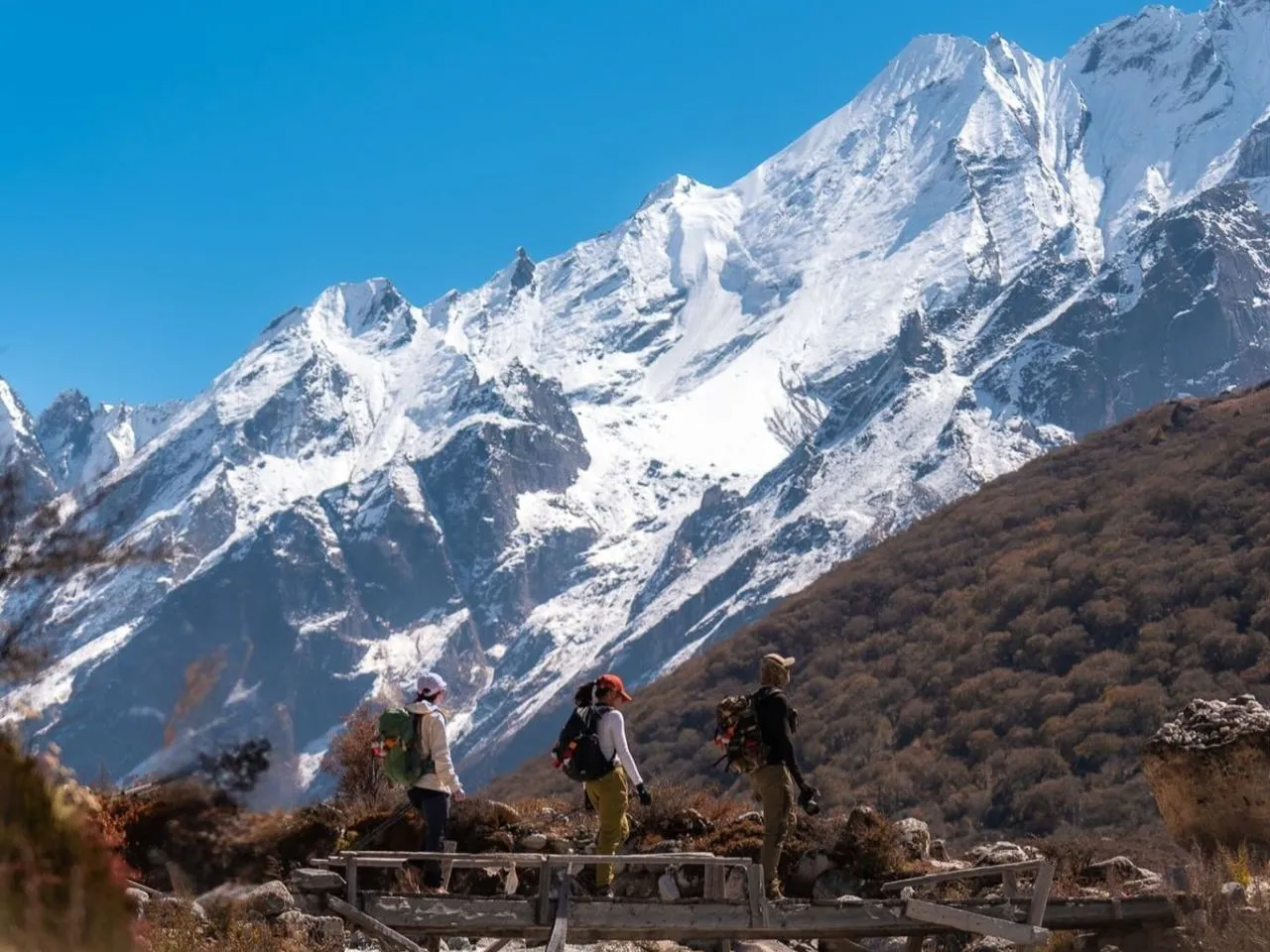
Langtang Luxus-Trek – 10 Tage
Langtang Luxus-Trek – 10 Tage
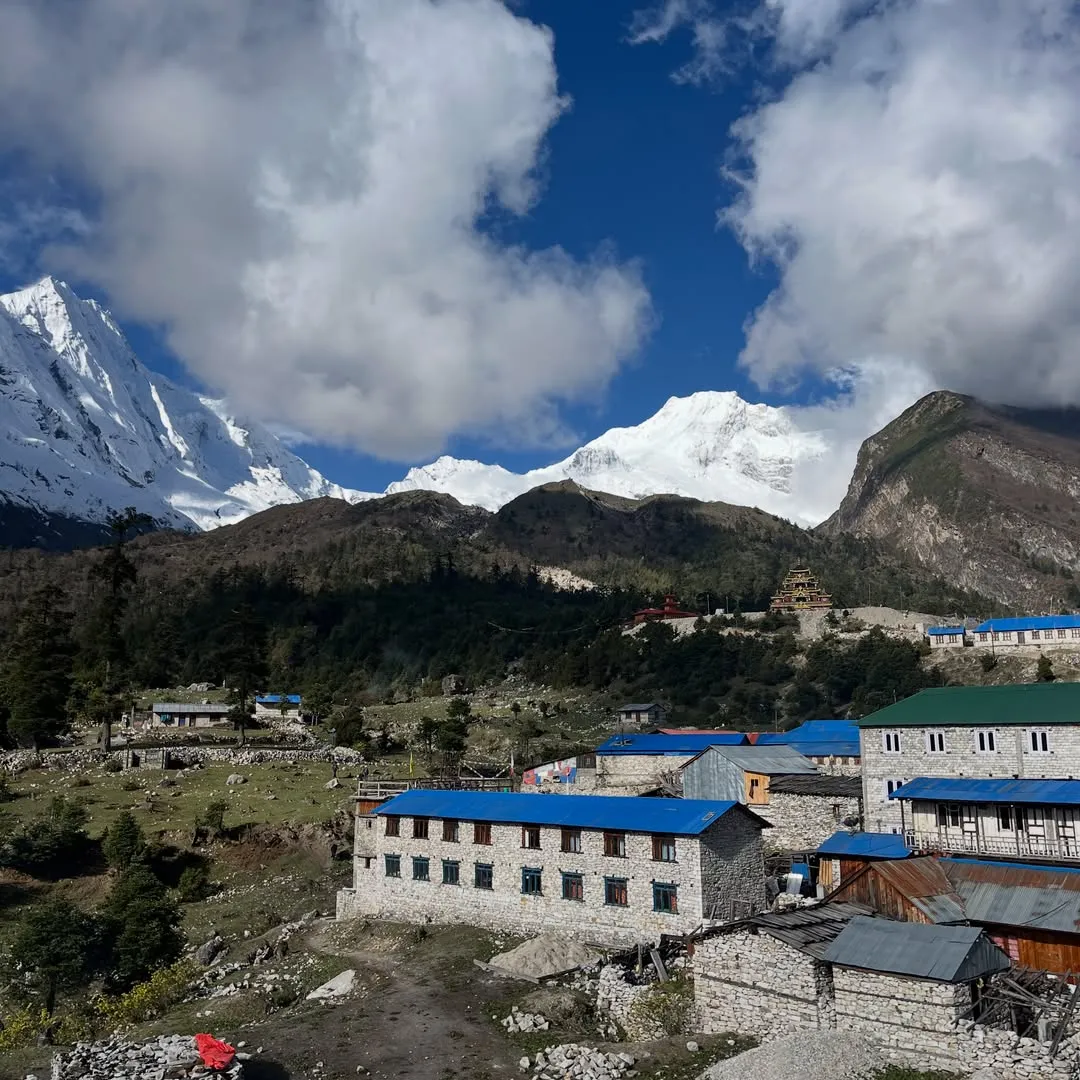
Manaslu-Familienwanderung – 12 Tage
Manaslu-Familienwanderung – 12 Tage
Manaslu-Luxus-Trek – 14 Tage
Manaslu-Luxus-Trek – 14 Tage

Manaslu-Fotografie-Trek – 17 Tage
Manaslu-Fotografie-Trek – 17 Tage
 English
 Deutsch
 Svenska
 Dansk
Dansk Русский
 Français
 Português
 Español
 Polski
 简体中文
简体中文 日本語
日本語 ไทย
ไทย العربية
 한국어
한국어