
schnelle Antwort
The best Simikot trek itinerary for landscape photography runs 8 to 9 days and includes two acclimatization days, a sunrise session at Dharapori meadow at 4,500 metres, two nights in the Limi Valley villages of Til and Halji for golden hour shots of ancient monasteries, and an October or late April departure for the clearest skies. Avoid the 6 day express version, because it skips the Limi extension that holds the best frames.
Simikot sits at 2,910 metres in Humla district and the standard trek reaches 4,500 metres, with photography opportunities dominated by terraced valleys, snow peaks on the Tibetan border, and Tibetan Buddhist village architecture.
Detaillierte Aufschlüsselung
The photography optimized Simikot itinerary starts with a Nepalgunj to Simikot flight, then a 6 day loop through Dharapori, Kermi, Yalbang, and Muchu, with a Limi Valley extension to Til, Halji, and Jang. The Dharapori meadow at 4,500 metres offers sunrise shots of the Saipal Himal range, with the best light from 6:15 to 7:00 am in October. The Limi Valley villages hold 11th century monasteries, white chortens, and traditional flat roofed houses that photograph best in late afternoon side light.
Your itinerary should build in two full acclimatization days, one at Kermi at 2,670 metres and one at Til at 4,010 metres, because altitude headaches kill dawn shoots. The best photography windows are 6:00 to 8:30 am and 4:30 to 6:30 pm, with the middle of the day reserved for village walking and scouting. October delivers 80 percent clear skies, while late April offers spring wildflowers but more afternoon clouds.
Kosten- / Komponentenaufschlüsselung
Below is the 2027 cost breakdown for a 9 day photography focused Simikot itinerary at $1,950 per person.
| Komponente | Kosten | Photography Notes |
|---|---|---|
| Nepalgunj to Simikot round flights | $280 | Book morning light flights |
| TIMS Card and Humla permits | $50 | Limi extension requires extra permit |
| Full board meals, 8 trek days | $240 | Basic teahouse menu |
| Unterkunft in der Lodge, 8 Nächte | $80 | Limited lodges in Limi |
| Guide and porter with insurance | $420 | 1:2 porter ratio |
| Photography guide add-on | $200 | Optional, knows photo spots |
| Limi Valley restricted area permit | $90 | Required for Til, Halji, Jang |
| Helicopter evacuation coordination | $80 | Limited road access |
| Agenturgebühr und Steuern | $510 | Includes Far West premium |
The Limi Valley extension adds $290 per person but delivers the best photographic frames of the trek.
Was beeinflusst die Antwort
Several variables shape your photography outcomes. The season dictates sky clarity, with October delivering 80 percent clear days and April offering wildflowers but more cloud cover. The Limi Valley extension adds 3 to 4 days and costs $290, but it is the only way to photograph traditional Tibetan Buddhist village life. The flight timing also matters, because Nepalgunj to Simikot morning flights offer better mountain views than afternoon departures.
- Saison: October for clear skies, April for wildflowers.
- Limi extension: Adds 3 to 4 days and $290 per person.
- Akklimatisierungstage: Two needed for dawn shoots.
- Flugzeitpunkt: Morning flights offer better mountain views.
Buchungstipps / praktische Ratschläge
Book your Simikot photography trek 4 to 6 months ahead for October departures, because the limited Nepalgunj to Simikot flights fill quickly. Ask for a photography guide add-on, because local guides know the best sunrise angles at Dharapori and the monastery opening hours in Limi. Carry a wide angle lens from 16 to 35 mm and a telephoto from 70 to 200 mm, because the landscapes span both ranges.
Pack extra camera batteries, because teahouse charging above 3,500 metres is unreliable and costs $4 to $6 per session. Bring a sturdy tripod rated for wind, because Dharapori sunrise shoots require 10 to 30 second exposures. Store your camera in a sealed bag at night, because cold mornings cause condensation on lenses.
Vergleich mit Alternativen
Compared with the Limi Valley trek, which runs 14 to 18 days and includes the full loop through Til, Halji, and Jang with a Hilsa exit option, the Simikot trek is shorter but skips some of the most photogenic villages. Compared with the Rara Lake trek, which is 7 to 9 days and centers on the alpine lake, Simikot offers more cultural photography but less iconic landscape frames. Compared with the Mount Kailash via Humla trek, which crosses into Tibet, Simikot stays in Nepal but offers similar Tibetan Buddhist cultural photography.
Häufige Fehler zu vermeiden
Do not book the 6 day express Simikot itinerary for photography, because it skips the Limi Valley extension entirely. Avoid October departures without booking flights 6 months ahead, because Nepalgunj to Simikot seats sell out by July. Never skip the second acclimatization day, because altitude headaches kill dawn shoots. Do not rely on teahouse charging, because power above 3,500 metres is unreliable.
Häufig gestellte Fragen
These are the questions we hear most about Simikot photography itineraries.
Zusammenfassung
The best Simikot photography itinerary runs 8 to 9 days with the Limi Valley extension, two acclimatization days, and an October or late April departure for clear skies. The Limi extension adds $290 per person but delivers the best frames of Tibetan Buddhist village life. Budget $200 for a photography guide add-on who knows the best light angles.
Schluss
Simikot rewards photographers who build in time for the Limi Valley extension and acclimatization days. Choose October for clear skies, carry extra batteries and a sturdy tripod, and your 2027 Far West portfolio will stand out from the standard Khumbu and Annapurna frames.
Empfohlene Trek-Pakete
Trekking-Orte zum Erkunden
Explore Trips in Nepal
Hand-picked guided trips to this destination
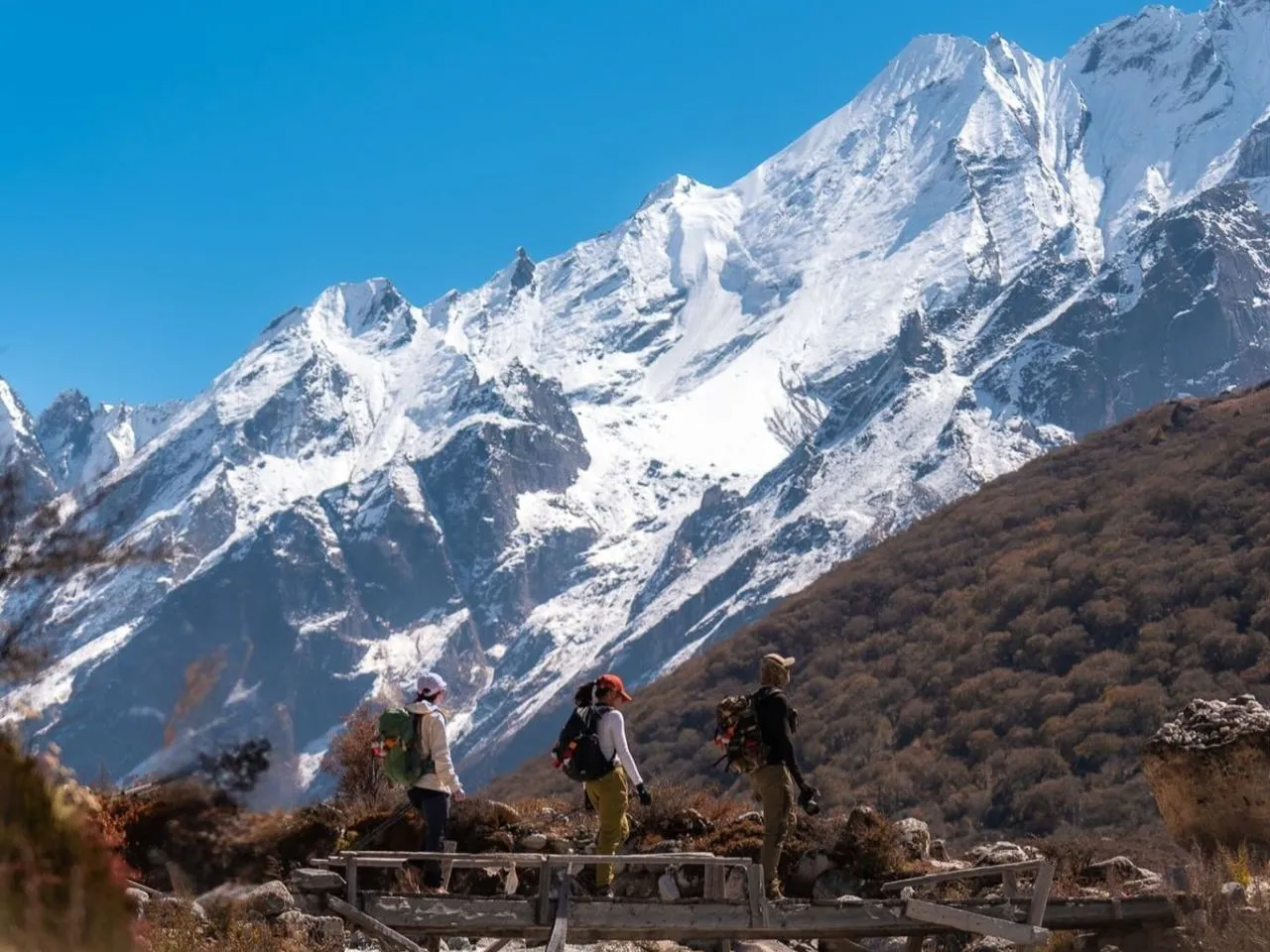
Langtang Luxus-Trek – 10 Tage
Langtang Luxus-Trek – 10 Tage
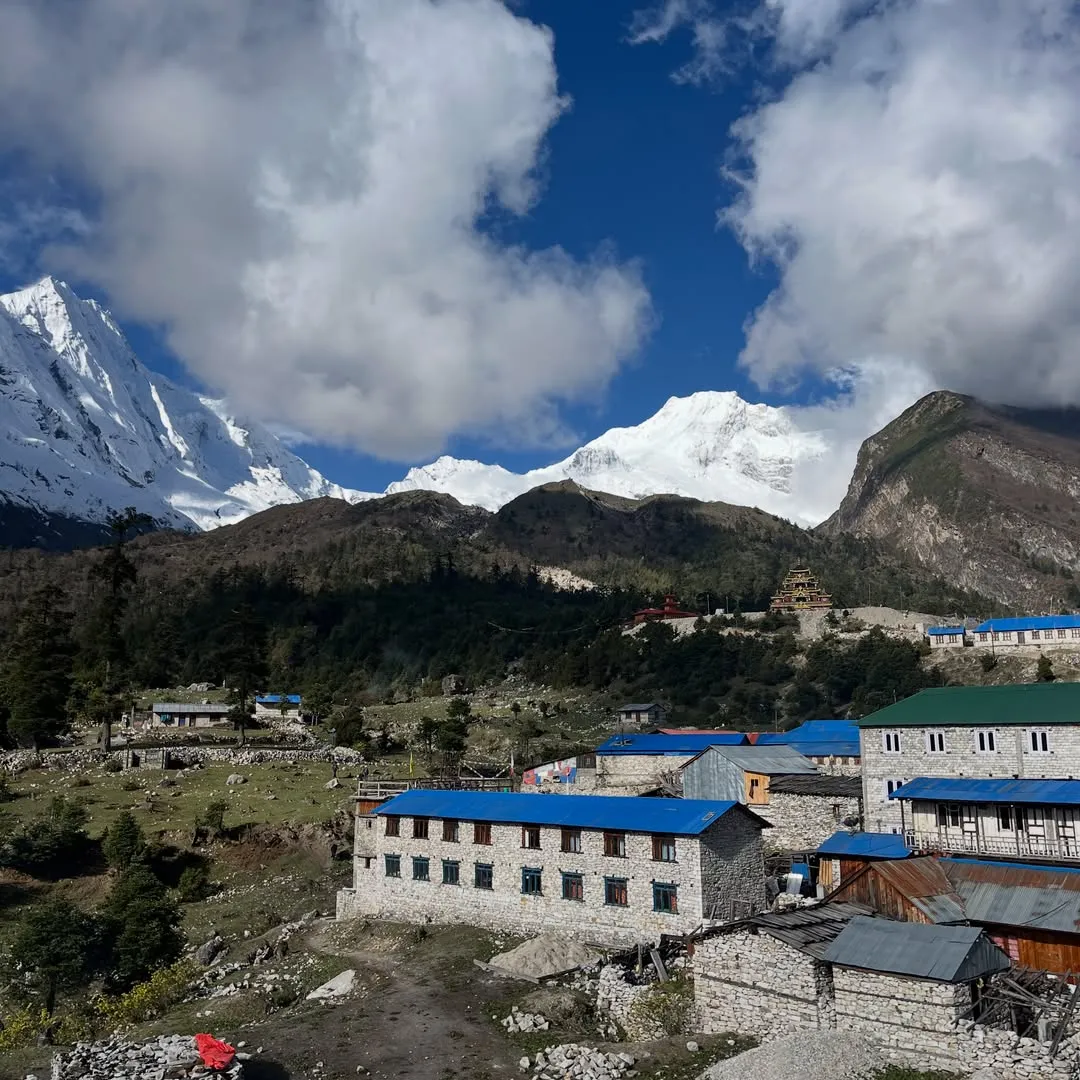
Manaslu-Familienwanderung – 12 Tage
Manaslu-Familienwanderung – 12 Tage
Manaslu-Luxus-Trek – 14 Tage
Manaslu-Luxus-Trek – 14 Tage

Manaslu-Fotografie-Trek – 17 Tage
Manaslu-Fotografie-Trek – 17 Tage
 English
 Deutsch
 Svenska
 Dansk
Dansk Русский
 Français
 Português
 Español
 Polski
 简体中文
简体中文 日本語
日本語 ไทย
ไทย العربية
 한국어
한국어