
hurtigt svar
A realistic all-in budget for a 14 to 18 day Island Peak climb in 2027 sits at $2,800 to $4,200 per climber, Kathmandu back to Kathmandu. That covers Lukla flights, Sagarmatha and Khumbu rural municipality permits, the NMA climbing permit, guide and climbing Sherpa wages, base camp and high camp logistics, gear rental, food, and a two day weather buffer. Count on $400 to $700 of that total going to the tip pool and emergency contingency cash.
Detaljeret opdeling
Island Peak (6,189m) rises above Dingboche in the Khumbu and is the most popular Nepal trekking peak for first-time 6,000m climbers. The standard itinerary runs 14 to 18 days because you fly Kathmandu to Lukla, trek through Namche and Chhukung, set base camp at 5,100m, push the summit via a 100m fixed rope headwall, and retrace to Lukla. The permit chain is real: Sagarmatha National Park, Khumbu Pasang Lhamu Rural Municipality Entry, the NMA Island Peak climbing permit, and TIMS Card. The peak itself is not technically hard, but the headwall requires jumar, harness, ice axe, and fixed line work, which is why guide and climbing Sherpa costs are the second biggest line after flights.
Omkostnings-/komponentopdeling
| bestanddel | Typiske omkostninger (USD) | Refundable if Cancelled? |
|---|---|---|
| Lukla returflyvninger | $360 to $390 per climber | 50 procent refusion, hvis flyselskabet aflyser |
| Sagarmatha + Khumbu permits | $55 to $65 | ikke-refunderbar, når den er udstedt |
| NMA Island Peak climbing permit | $85 to $190 by season | ikke-refunderbar |
| guide og klatrende sherpa | $45 to $60 per day each | Refundable for unused days |
| High altitude porter (summit push) | $40 til $55 pr. dag | Refundable for unused days |
| Lodge, meals, base camp | $35 til $45 pr. dag | Betal som forbrugt |
| Gear rental (boots, harness, jumar, axe, down suit) | $120 til $260 | ikke-refunderbar |
| Tip pool (guide, Sherpa, porter) | $180 to $300 per climber | øvrigt |
| Helikopter Evakueringsforsikring | $180 til $260 | ikke-refunderbar |
| Weather buffer (2 extra days) | $70 to $120 per day | Pay only if used |
For a 16 day spring 2028 climb, our typical client lands near $3,400 per person in a group of two. Solo climbers pay $4,000 to $4,800 because Lukla flights and guide costs do not split.
Hvad påvirker svaret
Season drives permit cost. Spring (March to May) and autumn (September to November) hit the higher NMA permit band and give the most reliable summit weather, but also the busiest Lukla slots. Winter and monsoon climbing is cheaper but the headwall ice is brittle and flight cancellations multiply. Group size is the second lever because guide, climbing Sherpa, and porter wages split across the team. Gear you already own versus rent is the third: a climber with their own La Sportiva G2 SM, harness, and down suit saves $200 to $300. Weather buffer days you actually use add up to $120 per day, and a summit push cancelled by wind can add 48 to 72 hours of lodge and staff costs.
Bookingtips/praktiske råd
Lock Lukla flights at least 90 days before a spring 2028 or 2029 departure, because Tara Air and Sita Air slots sell out by mid February for the March and April windows. Demand a written line that lets you reschedule free of charge if the flight cancels for two consecutive days, and confirm the operator has a helicopter backup plan billed to your travel insurance. Confirm gear rental in writing with boot size, harness size, and down suit size, because substitution at Lukla or Namche is expensive. Lock the tip pool formula in the contract at 8 to 12 percent of the trek fee, split 50/30/20 between lead guide, climbing Sherpa, and porter. Carry $400 in cash for buffer day meals, unexpected gear fixes, and the occasional helicopter co-pay.
Sammenligning med alternativer
Mera Peak is the most common alternative and runs $2,900 to $4,000 for 16 to 18 days, but Mera is a non-technical walk-up without the fixed rope summit day, so you do not pay for climbing Sherpa or technical gear. Lobuche East sits at $3,100 to $4,300 and is technically similar but more crowded on summit day. For climbers wanting a 6,000m tick with real mountaineering, Island Peak gives the best value because the fixed-rope section teaches jumar work and the permit cost is the lowest in the NMA list. Kyajo Ri and Pokalde are cheaper still but suit only climbers with previous 5,500m experience.
Almindelige fejl at undgå
Booking without a built-in weather buffer is the mistake we see most, and it forces climbers to abandon the summit push to catch an international flight. Skipping the high-altitude porter to save $200 is a false economy because carrying your own summit pack at 6,000m ruins the experience. Renting boots in Kathmandu without trying them with the socks you will climb in leads to frostnip and lost summit days. Under-budgeting the tip pool, then feeling pressured at base camp, is the third common error. The last is forgetting to confirm rescue insurance covers 6,000m peaks, because most standard travel insurance policies cap at 4,500m or 5,000m.
Ofte stillede spørgsmål
What is the absolute minimum I can do Island Peak for? Around $2,800 if you join a fixed departure of four or more, own all your gear, and have no weather delays.
How much cash should I carry on the trek? $400 to $500 per climber in small USD and NPR notes, for buffer meals, emergency gear, and tips.
Do I need a climbing Sherpa or is a guide enough? A climbing Sherpa for the summit push is strongly recommended for the 100m fixed rope section, even for experienced trekkers.
Er helikopterredning inkluderet i pakkeprisen? No. Helicopter rescue is billed to your travel insurance. Carry the policy number and emergency contact in writing.
When is the cheapest window with acceptable weather? Late February to mid March and late October to mid November give the best balance of lower permit cost and stable summit conditions.
oversigt
A 2027 to 2030 Island Peak climb budgets $2,800 to $4,200 per climber once you add permits, gear, tips, Lukla flights, and two weather buffer days. Spring and autumn departures cost more but deliver reliable summit weather. Lock flights early, confirm gear sizes in writing, and carry cash for the tip pool and buffer days. Solo climbers should expect a 20 to 30 percent surcharge over group rates.
ende
We can build your Island Peak package with all line items visible, including the tip pool formula and weather buffer days, so your budget holds whether you summit on day 12 or day 15. Tell us your season, group size, and gear situation, and we will return a fixed quote within 48 hours.
Anbefalede Trek-pakker
Trekking steder at udforske
Explore Trips in Nepal
Hand-picked guided trips to this destination
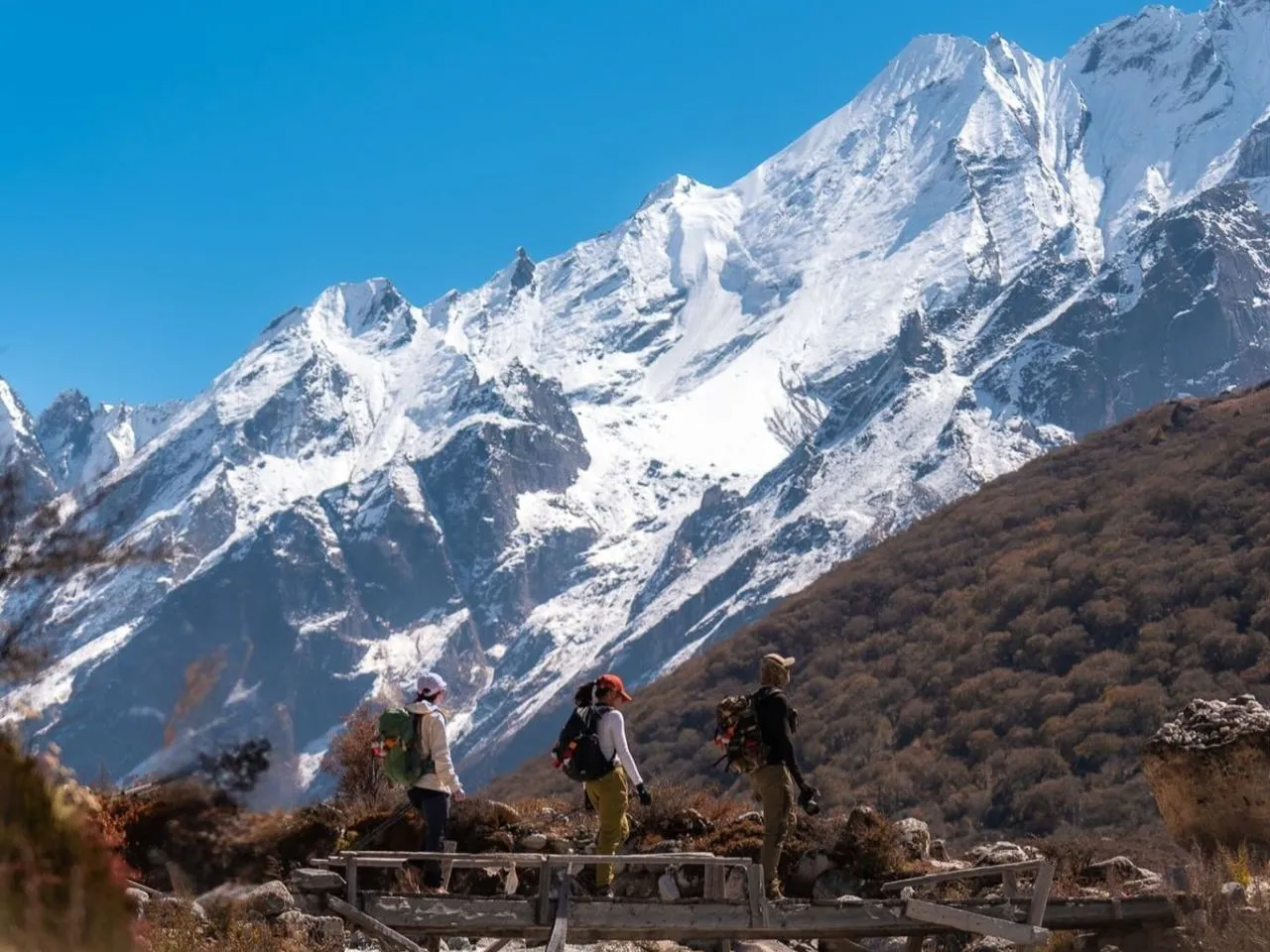
Langtang Luxury Trek – 10 dage
Langtang Luxury Trek – 10 dage
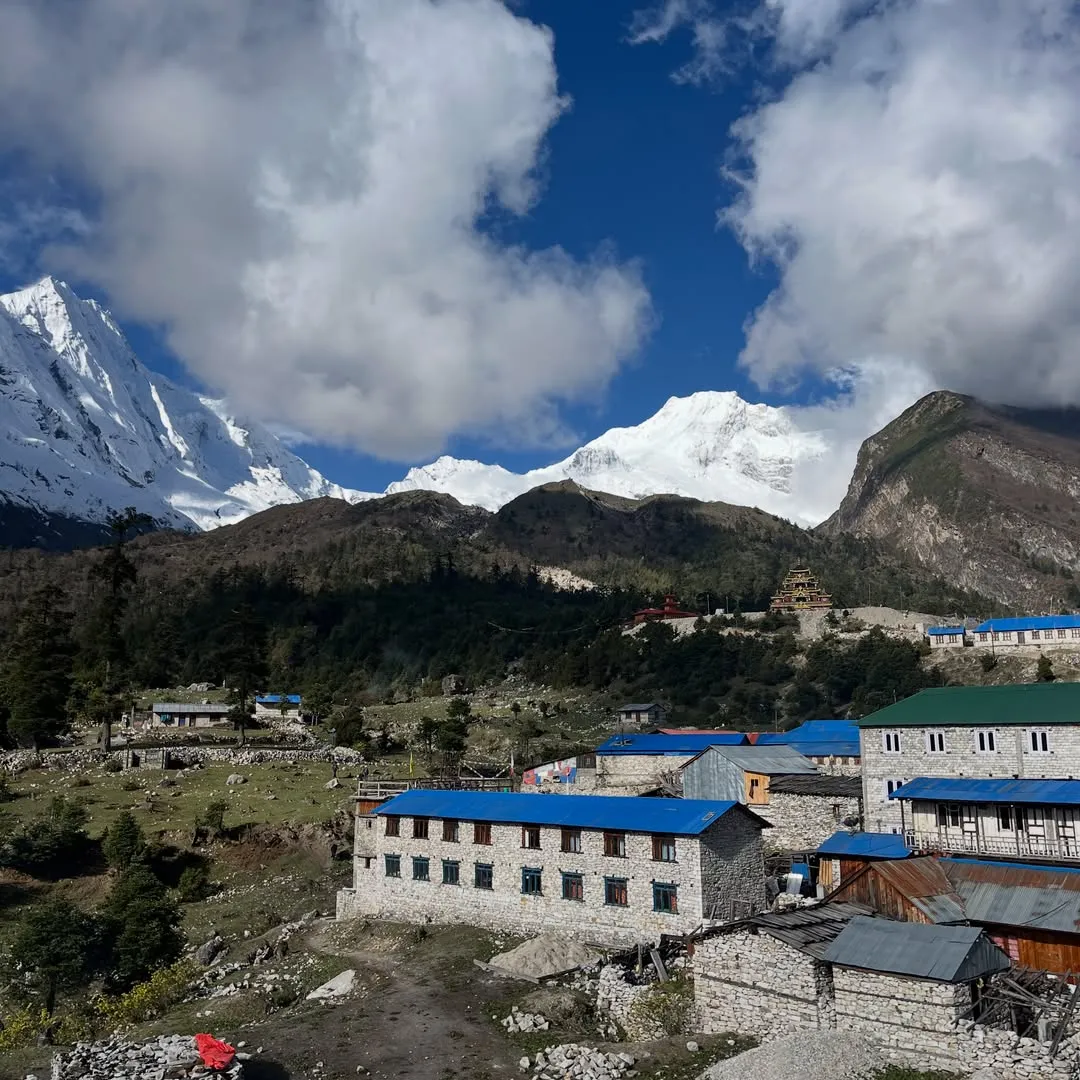
Manaslu Family Trek – 12 dage
Manaslu Family Trek – 12 dage
Manaslu Luxury Trek – 14 dage
Manaslu Luxury Trek – 14 dage

Manaslu Photography Trek – 17 dage
Manaslu Photography Trek – 17 dage
 English
 Deutsch
 Svenska
 Dansk
Dansk Русский
 Français
 Português
 Español
 Polski
 简体中文
简体中文 日本語
日本語 ไทย
ไทย العربية
 한국어
한국어