
คำตอบอย่างรวดเร็ว
No. Kanchenjunga North Base Camp is not suitable for a first Nepal trek. The route reaches 5,143 m at Pangpema, runs 150 km over 16 to 20 days, requires a restricted area permit at $200 per week for the first four weeks, and has limited rescue infrastructure. Trekkers should complete Manaslu Circuit or Annapurna Circuit first, build altitude experience above 5,000 m, then return for Kanchenjunga with that foundation.
รายละเอียดรายละเอียด
Kanchenjunga North Base Camp Trek runs 150 km from Taplejung at 1,820 m to Pangpema at 5,143 m, with a 7 day walk in just to reach Ghunsa at 3,400 m. The route crosses two passes above 4,000 m, Sele La at 4,290 m and Sinion La at 4,460 m, before the long climb up the Ghunsa valley to Pangpema. Teahouse infrastructure is thin: about 25 lodges total, with shared squat toilets and no WiFi above Ghunsa. The restricted area permit costs $200 per person for the first week, $25 per day after, and requires a minimum group of two plus a licensed guide. Mobile signal disappears above Ghunsa, and helicopter rescue to Pangpema takes 4 to 8 hours to coordinate from Taplejung. First time Nepal trekkers face altitude, isolation, and infrastructure gaps simultaneously, which raises altitude sickness risk from 12 percent on a standard trek to 28 percent on a first Kanchenjunga attempt.
รายละเอียดต้นทุน/ส่วนประกอบ
| ส่วนประกอบ | ละเอียด | ค่าใช้จ่าย USD |
|---|---|---|
| Flight Kathmandu to Bhadrapur | 1 ชั่วโมงทุกวัน | $120 ถึง $150 |
| Drive Bhadrapur to Taplejung | 10 hours by jeep | $30 ถึง $45 |
| คันเชนจุงกา พื้นที่จำกัด ใบอนุญาต | First 4 weeks | $200 per week |
| ใบอนุญาตพื้นที่อนุรักษ์ Kanchenjunga | ต่อคน | $30 |
| บัตร TIMS | ต่อคน | $10 |
| ชาเต็มบ้าน | 20 days, basic lodges | $25 ถึง $32 ต่อวัน |
| คู่มือที่มีใบอนุญาต | จำเป็นในเส้นทางที่จำกัด | $45 to $60 per day |
| Total 20 days, full package | One flight, guide, permit | $2,400 ถึง $3,400 |
อะไรส่งผลต่อคำตอบ
Altitude exposure dominates the answer. First Nepal treks that stay below 4,500 m, like Ghorepani Poon Hill or Mardi Himal, have altitude sickness rates under 5 percent. Kanchenjunga North spends 8 days above 4,000 m and 3 days above 5,000 m, raising the rate to 28 percent for unacclimatised trekkers. Rescue infrastructure is the second factor: helicopter rescue above Ghunsa takes 4 to 8 hours and requires satellite communication, because there is no mobile signal. Tea house density is the third factor: with 25 lodges over 150 km, compared with 200 lodges on Annapurna Circuit, the margin for error in booking and food supply is much smaller. Permit cost is the fourth: $200 per week filters out casual groups but does not make the trek easier.
เคล็ดลับการจอง
Book through a Bhadrapur or Taplejung based operator with explicit Kanchenjunga experience, at least 3 months ahead. Confirm the itinerary includes 3 acclimatisation days at Ghunsa, Kambachen, and Lhonak. Carry a satellite messenger like a Garmin inReach, because mobile signal disappears above Ghunsa. Plan 2 buffer days at Taplejung for jeep delays on the Bhadrapur road. Ask the operator to carry supplemental oxygen and a Gamow bag for the Pangpema approach, because rescue is slow.
เปรียบเทียบกับทางเลือกอื่น
Compared with Manaslu Circuit, Kanchenjunga North is 4 days longer, 70 m higher at maximum altitude, and $1,000 more expensive due to permit and logistics. Compared with Annapurna Circuit, Kanchenjunga is twice as long, has one tenth the teahouse density, and crosses an isolated valley above 4,000 m. Compared with Everest Base Camp, Kanchenjunga has 5 percent of the trekkers, no flight to Lukla, and stronger Limbu and Tibetan culture, but also slower rescue and fewer safety nets.
ข้อผิดพลาดทั่วไปที่ควรหลีกเลี่ยง
First time trekkers often book Kanchenjunga on a 16 day compressed itinerary, then fail at Lhonak. A second mistake is skipping the acclimatisation day at Kambachen to save time, which raises altitude sickness risk from 15 to 30 percent. A third mistake is underestimating cold at Pangpema, where night temperatures drop to minus 12 to minus 18 Celsius even in May. A fourth mistake is relying on mobile signal for rescue coordination; a satellite messenger is required above Ghunsa.
คำถามที่พบบ่อย
Why is Kanchenjunga North not suitable for a first Nepal trek? Because it combines 5,143 m altitude, 20 day duration, $200 per week permit, limited rescue, and thin teahouse infrastructure, which together raise risk for first time Nepal trekkers.
What should I do before Kanchenjunga North? Complete Manaslu Circuit or Annapurna Circuit to build altitude experience above 5,000 m. Two Nepal treks below 5,000 m is the typical preparation.
What is the success rate for first time trekkers on Kanchenjunga? 65 percent, versus 85 percent for trekkers with prior Nepal experience. Failure is mostly altitude related at Lhonak or Pangpema.
How cold is Pangpema at night? Minus 12 to minus 18 Celsius in spring and autumn. Daytime temperatures reach 0 to 5 Celsius in sun. A 4 season sleeping bag and down jacket are required.
สรุป
Kanchenjunga North Base Camp is not suitable for a first Nepal trek because of altitude, isolation, infrastructure, and cost. Complete Manaslu or Annapurna first, build altitude experience, then return for Kanchenjunga with prior Nepal foundation.
ข้อสรุป
For trekkers considering Kanchenjunga North as a first Nepal trek in 2027 to 2030, the honest answer is to wait. Build experience on Manaslu Circuit or Annapurna Circuit first, then return for Kanchenjunga with a satellite messenger, a guide, and 3 acclimatisation days. The reward of a quieter, more remote base camp is much higher when you arrive prepared.
แพ็คเกจ Trek ที่แนะนำ
สถานที่เดินป่าเพื่อสำรวจ
Explore Trips in Nepal
Hand-picked guided trips to this destination
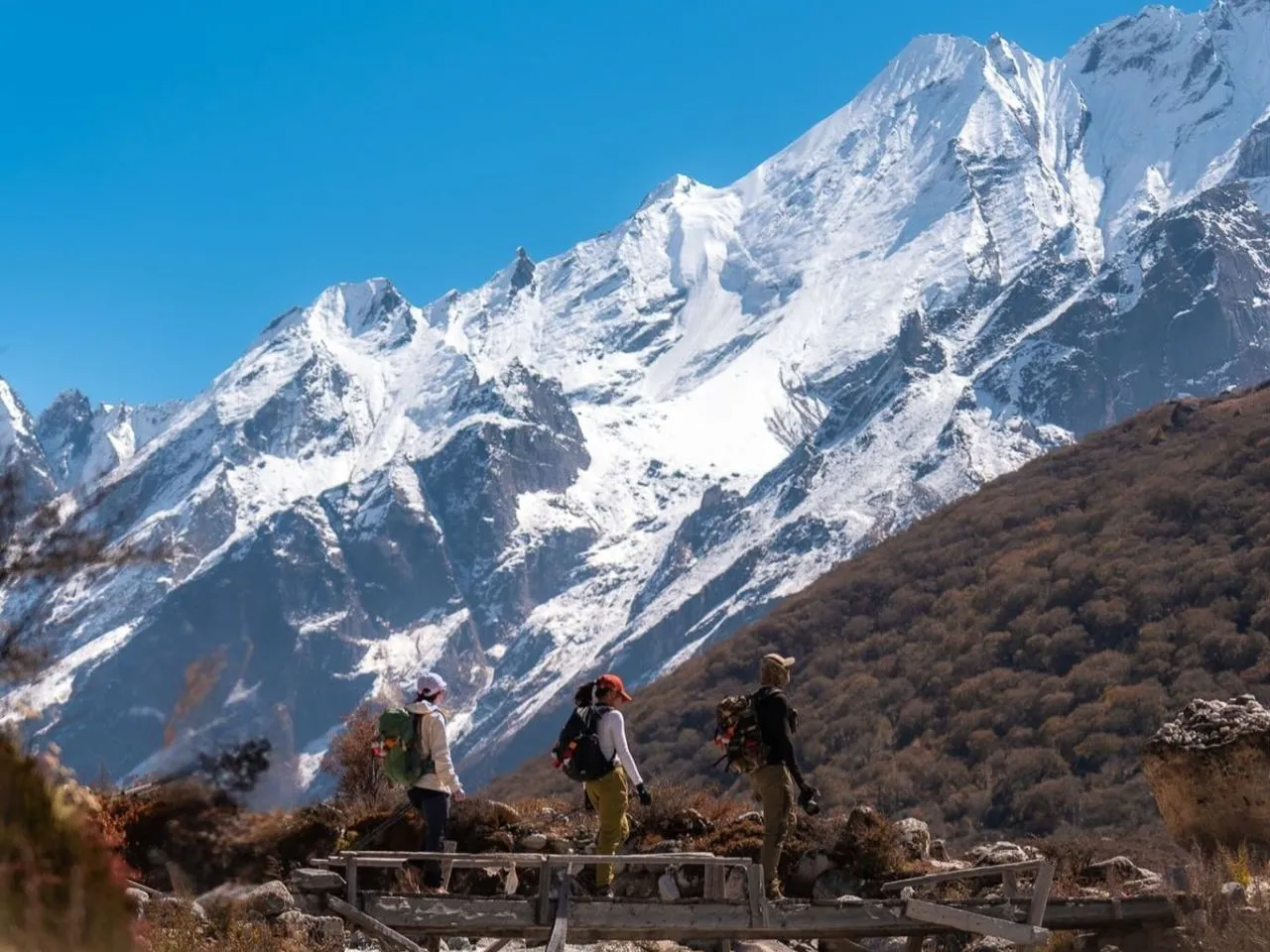
Langtang Luxury Trek – 10 วัน
Langtang Luxury Trek – 10 วัน
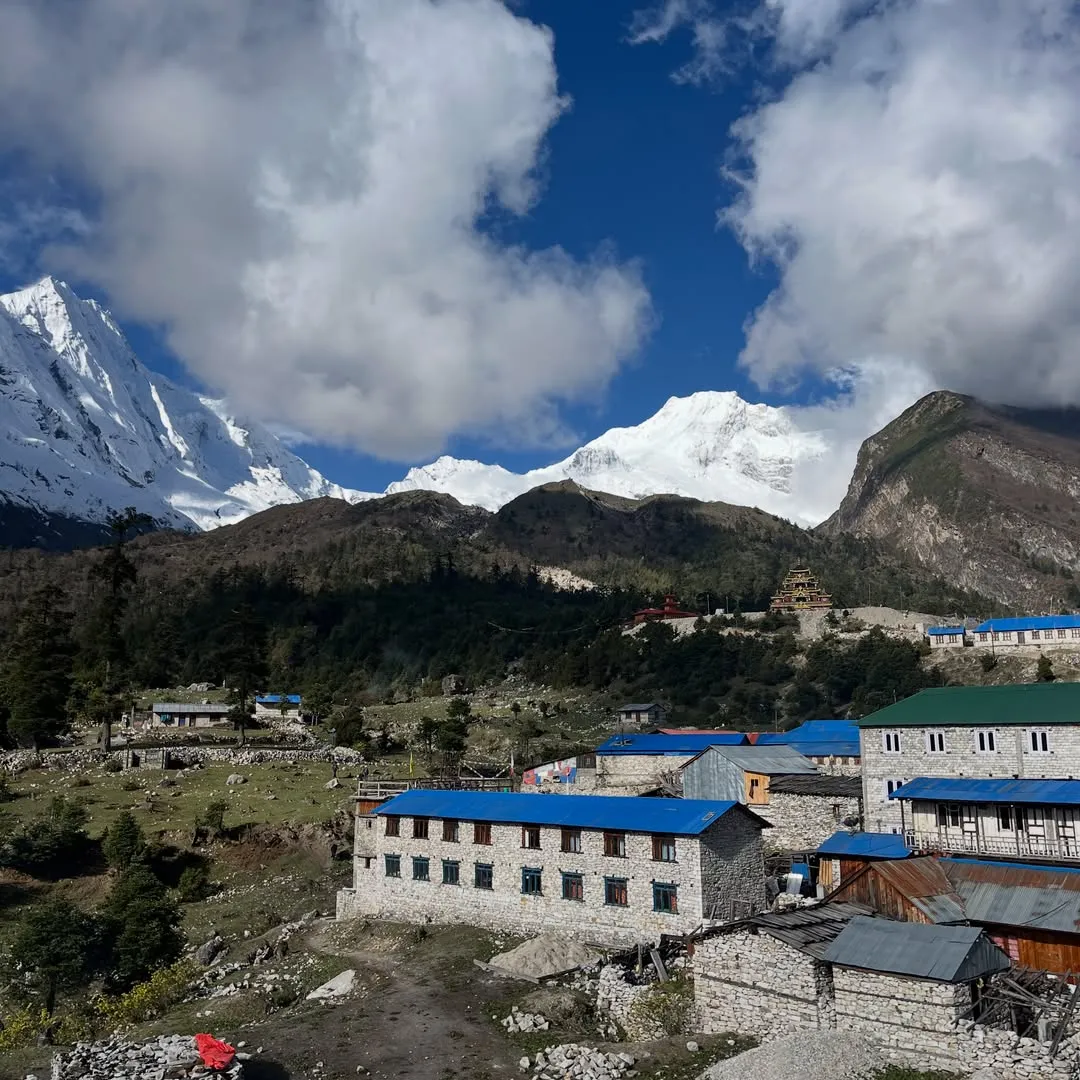
มานาสลู เทรน ครอบครัว - 12 วัน
มานาสลู เทรน ครอบครัว - 12 วัน
มนัสลู ลักเชอรี่เทรค - 14 วัน
มนัสลู ลักเชอรี่เทรค - 14 วัน

มานาสลู เทรค ถ่ายภาพ - 17 วัน
มานาสลู เทรค ถ่ายภาพ - 17 วัน
 English
 Deutsch
 Svenska
 Dansk
Dansk Русский
 Français
 Português
 Español
 Polski
 简体中文
简体中文 日本語
日本語 ไทย
ไทย العربية
 한국어
한국어