
คำตอบอย่างรวดเร็ว
Before requesting a quote for Mera Peak, Island Peak, or Lobuche East in 2027, send each operator a written brief listing your climbing experience, fitness, dates, group size, target peak, and ten specific questions: climbing Sherpa ratio, bottled oxygen inclusion, fixed line installation, weather forecasting service, acclimatisation peaks, high camp gear, evac plan from high camp, summit-day turnaround time, maximum team size, and climbing permit inclusion. Ask for a line-item USD quote covering flights, permits, crew, gear, and contingencies.
Mera Peak (6,476m), Island Peak (6,189m), and Lobuche East (6,119m) are Nepal's three most popular trekking peaks, but each is a serious mountaineering objective. The right quote request gets you comparable, transparent offers.
รายละเอียดรายละเอียด
Ten questions form the core of your quote request. The first is the climbing Sherpa to climber ratio, with 1 to 1 being ideal for Island and Lobuche, and 1 to 2 being acceptable for Mera. The second is bottled oxygen, with two 3-litre bottles per climber for Lobuche East summit push costing $800 to $1,200, while Mera and Island often skip oxygen because of lower altitude.
The third is fixed line installation, with Island Peak needing fixed lines on the headwall, Lobuche East needing fixed lines on the summit ridge, and Mera needing no fixed lines. The fourth is weather forecasting, with paid services like Michael Fagin's Mountain Forecast providing daily updates. The fifth is acclimatisation peaks, with Mera using Mera La at 5,400m, Island using Chhukung Ri at 5,550m, and Lobuche using Kalapatthar at 5,545m. The sixth is high camp gear, with the operator providing tents, stoves, and gas at high camp. The seventh is the evac plan from high camp. The eighth is summit-day turnaround time, with 12 hours being standard. The ninth is maximum team size, with 4 to 6 climbers being ideal. The tenth is climbing permit inclusion, with NMA fees of $350 per climber.
รายละเอียดต้นทุน/ส่วนประกอบ
Here is the 2027 quote comparison framework for the three peaks.
| ส่วนประกอบ | Mera Peak (18 to 22 days) | Island Peak (16 to 20 days) | Lobuche East (16 to 20 days) |
|---|---|---|---|
| Return flights Kathmandu to Lukla | $350 | $350 | $350 |
| ใบอนุญาตปีนเขา NMA | $350 | $350 | $350 |
| อุทยานแห่งชาติสการ์มาธาและทิมส์ | $50 | $50 | $50 |
| Climbing Sherpa (1 to 1 ratio) | $1,500 ถึง $2,000 | $1,500 ถึง $2,000 | $1,500 ถึง $2,000 |
| Bottled oxygen (2 bottles) | Rarely needed | Rarely needed | $800 ถึง $1,200 |
| Fixed line installation | ไม่จำเป็น | $200 ถึง $300 | $300 ถึง $500 |
| High camp gear | $400 ถึง $600 | $400 ถึง $600 | $400 ถึง $600 |
| Weather forecasting | $150 ถึง $250 | $150 ถึง $250 | $150 ถึง $250 |
| Meals, lodging, base staff | $1,500 ถึง $2,000 | $1,500 ถึง $2,000 | $1,500 ถึง $2,000 |
| ค่าสำนักงานและค่าฉุกเฉิน | $200 ถึง $400 | $200 ถึง $400 | $200 ถึง $400 |
| ยอดรวมต่อนักปีนเขา | $4,500 ถึง $6,000 | $4,700 to $6,300 | $5,550 to $7,700 |
Quotes below $4,000 usually skip 1 to 1 Sherpa ratio or fixed lines.
อะไรส่งผลต่อคำตอบ
Several factors shift the quote. Your climbing experience matters, with experienced alpinists needing less Sherpa support but more route beta. Season matters, with spring (April to May) being most stable and autumn (October to November) being second best. Group size matters, with four-climber groups saving 10 to 15 percent per person.
- ประสบการณ์: Experienced climbers need less Sherpa support.
- ฤดูกาล: Spring is most stable, autumn is second best.
- ขนาดกลุ่ม: Four-climber groups save 10 to 15 percent.
- ทางเลือกสูงสุด: Lobuche East needs oxygen and fixed lines, Mera does not.
เคล็ดลับการจอง / คำแนะนำเชิงปฏิบัติ
Send the same written brief to three operators, with your climbing CV, dates, group size, and target peak. Ask for a line-item USD quote covering flights, permits, crew, gear, fixed lines, oxygen, weather, and contingencies. Reject any quote that bundles everything into a single flat rate, because that hides cuts. Verify the operator has run your specific peak in the past two years.
Ask for the head climbing Sherpa's name and previous summits of your peak. Buy specialist mountaineering insurance that covers 7,000m altitude, technical climbing, and helicopter rescue. Carry your own personal first-aid kit with Diamox, dexamethasone, nifedipine, and any prescription medications. Build a 5-day buffer into your international flights, because summit windows shift.
เปรียบเทียบกับทางเลือกอื่น
Compared with Mera Peak, Island Peak is technically harder with a fixed-line headwall, so quotes run $200 to $300 higher. Compared with Island Peak, Lobuche East needs oxygen and more fixed line, so quotes run $800 to $1,500 higher. Compared with Ama Dablam, all three trekking peaks are much cheaper and shorter, with Ama Dablam running $8,500 to $10,000.
ข้อผิดพลาดทั่วไปที่ควรหลีกเลี่ยง
Do not accept a quote that skips fixed lines on Island or Lobuche, because both are unclimbable for most without them. Avoid operators who refuse to name the head Sherpa. Never skip specialist mountaineering insurance, because standard travel insurance excludes technical climbing. Do not book without a written weather forecasting service confirmed. Finally, do not choose the cheapest quote, because peak climbing is not a place to cut corners.
คำถามที่พบบ่อย
Here are the questions we hear most about Nepal peak climbing quotes.
สรุป
Before requesting a quote for Mera, Island, or Lobuche East, send operators a brief with your experience, dates, group size, target peak, and ten specific questions on Sherpa ratio, oxygen, fixed lines, weather, acclimatisation, high camp gear, evac plan, turnaround time, team size, and permit inclusion. Budget $4,500 to $6,000 for Mera, $4,700 to $6,300 for Island, and $5,550 to $7,700 for Lobuche East in 2027.
ข้อสรุป
Nepal's trekking peaks are serious mountaineering objectives, and a clear quote request is the difference between a safe summit and a budget disaster. Spend two hours writing the brief, send it to three operators, and compare line-item USD quotes. The right operator welcomes the comparison, and the wrong one resists it. The right package gives you a real chance at a safe summit, and the wrong one puts you at risk on a 6,000m peak.
แพ็คเกจ Trek ที่แนะนำ
สถานที่เดินป่าเพื่อสำรวจ
Explore Trips in Nepal
Hand-picked guided trips to this destination
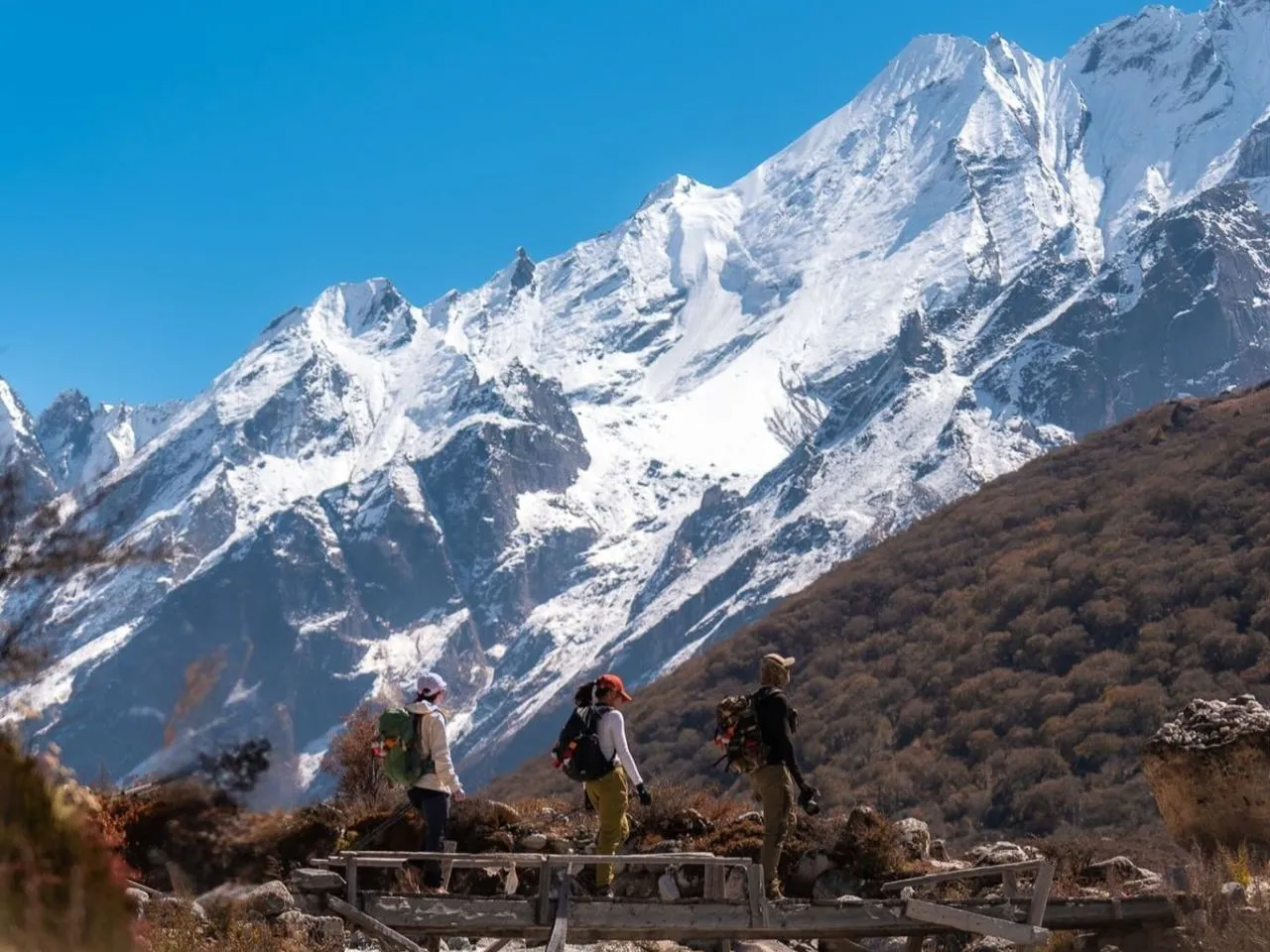
Langtang Luxury Trek – 10 วัน
Langtang Luxury Trek – 10 วัน
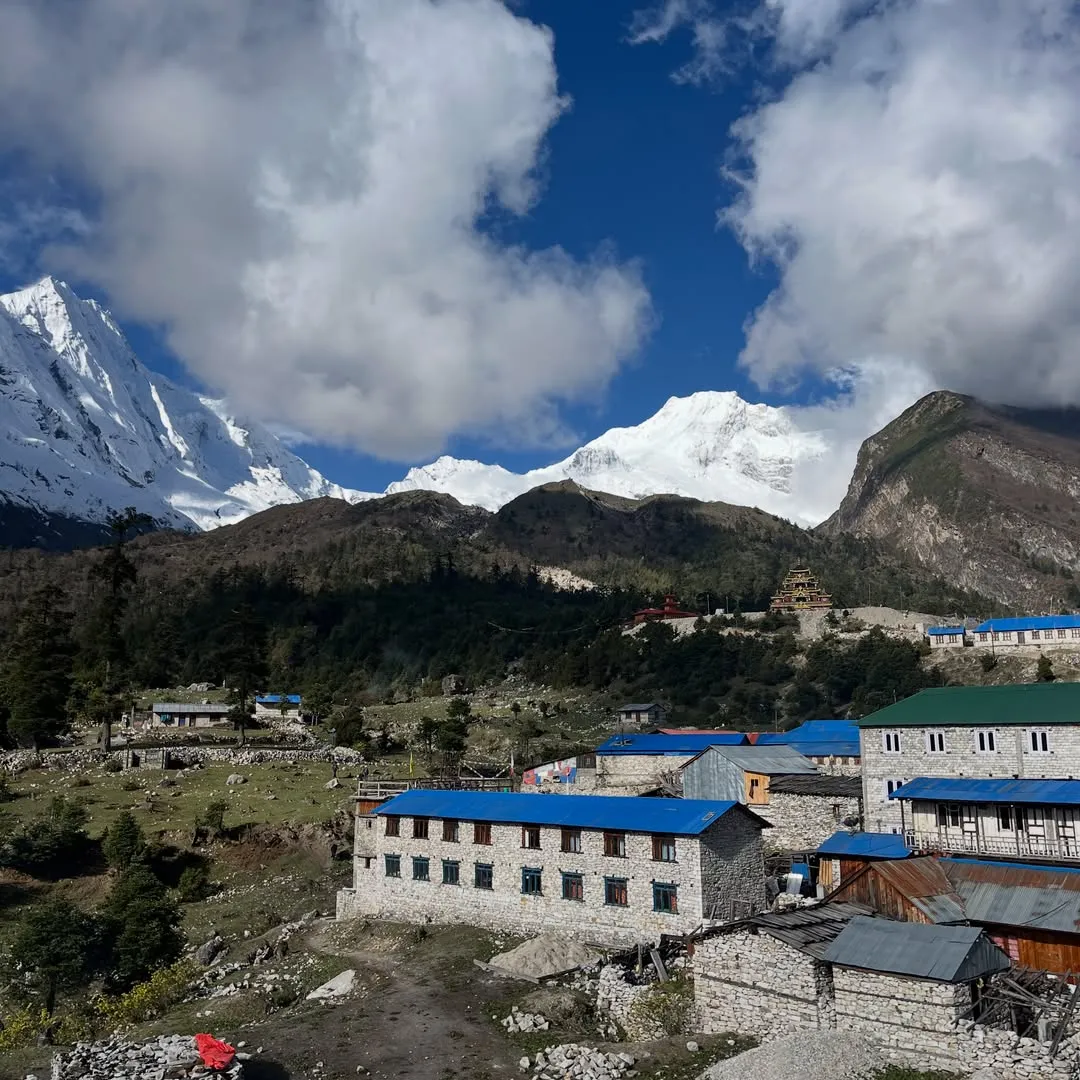
มานาสลู เทรน ครอบครัว - 12 วัน
มานาสลู เทรน ครอบครัว - 12 วัน
มนัสลู ลักเชอรี่เทรค - 14 วัน
มนัสลู ลักเชอรี่เทรค - 14 วัน

มานาสลู เทรค ถ่ายภาพ - 17 วัน
มานาสลู เทรค ถ่ายภาพ - 17 วัน
 English
 Deutsch
 Svenska
 Dansk
Dansk Русский
 Français
 Português
 Español
 Polski
 简体中文
简体中文 日本語
日本語 ไทย
ไทย العربية
 한국어
한국어