
Быстрый ответ
Far West Nepal, Dolpo, and Kanchenjunga are the three trekking regions most affected by fog, snow, and monsoon trail conditions. Api Nampa in the Far West sees Dhangadhi flight cancellations of 30 to 45 percent in shoulder seasons due to morning fog. Dolpo trails close 6 to 8 weeks each winter with deep snow. Kanchenjunga cloud builds by 10 am from May to September. Plan 2 to 3 buffer days for these regions.
подробная разбив
The Far West region, including Api Nampa, Saipal, Rara, and Khaptad, has the worst flight reliability in Nepal. Dhangadhi and Nepalgunj airports serve as the gateways, and both cancel 30 to 45 percent of morning flights between October and February due to fog at the destination airstrips. The road network in the Far West is gravel beyond Dadeldhura and closes 8 to 12 times each monsoon.
Dolpo in west central Nepal is most affected by snow. The high passes of Kang La at 5,360 m, Saldang La at 5,200 m, and Jeng La at 5,090 m close from late November to mid April with 1 to 3 m of snow. Juphal flights cancel 35 to 50 percent in shoulder seasons. The Shey Phoksundo section is open year round below 4,000 m.
Kanchenjunga in eastern Nepal is most affected by monsoon cloud. The south base camp at Oktang is clouded 70 to 80 percent of mornings from June to September. The north base camp at Pangpema is clearer but the 18 to 26 day duration makes weather windows hard to time.
Разбивка стоимости/компонента
| краевой | Fog Risk | Snow Closure | муссон | Buffer Days |
|---|---|---|---|---|
| Far West (Api Nampa, Rara) | High Oct to Feb | Dec to Feb above 3,500 m | Jun to Sep road closure | 3 дня |
| Dolpo (Shey Phoksundo, Upper Dolpo) | Medium Oct to Nov | Late Nov to mid Apr passes closed | Jun to Sep trail open | 2-3 дня |
| Канченджанга | Medium Mar to Apr | Dec to Feb passes closed | Jun to Sep cloud | 3 дня |
| манаслу | низший | Dec to Feb Larkya La closed | Jun to Sep leeches | 2 дня |
| Khumbu (EBC, Gokyo) | Low at Lukla | Dec to Feb high camps cold | Jun to Sep cloudy | 2 дня |
| Аннапурна | низший | Dec to Feb Thorong La closed | Jun to Sep leeches | от 1 до 2 дней |
Что влияет на ответ
Season is the dominant factor. June to September monsoon delivers 80 to 90 percent of annual rainfall in 14 weeks, with the Far West and Dolpo receiving 1,500 to 2,500 mm and Kanchenjunga receiving 3,000 to 4,000 mm. Trails become leech infested below 3,000 m and landslides close road approaches for 24 to 72 hour stretches. October to November is the most reliable window across all regions.
Climate change is shifting shoulder seasons. The 2024 and 2025 monsoons extended into the first week of October, delaying the start of peak trekking by 7 to 10 days compared with the 2010s. Spring now sees more afternoon cloud in March than it did a decade ago, reducing morning clarity windows for photography.
Советы по бронированию
For the Far West, book flights with Buddha Air or Shree Airlines rather than smaller operators, since they have more spare aircraft for rebookings. Build in 3 buffer days in Nepalgunj or Dhangadhi before the trek starts, and another 2 days at the end before international departure. Carry USD 300 cash for emergency helicopter charter if the destination airstrip closes for 4 days running.
For Dolpo, book Juphal flights 10 to 12 weeks ahead for the September to November window. Confirm with the operator that they hold a contingency budget for an extra week of food if the group is delayed by snow on the passes. For Kanchenjunga, plan the high pass crossings of Sele La and Sinion La for the first 10 days of October or the last 10 days of April, when weather windows are most reliable.
Сравнение с альтернативами
The Khumbu region around EBC and Gokyo has the best flight infrastructure in Nepal, with Lukla flights operating at 75 to 85 percent reliability in peak season and a backup road via Salleri that takes 2 days.
Распространенные ошибки, которых следует избегать
Booking tight itineraries without buffer days is the most common error in the Far West and Kanchenjunga.
часто задаваемые вопросы
Which Nepal region has the worst flight reliability? The Far West, with Dhangadhi and Nepalgunj flights cancelling 30 to 45 percent of mornings between October and February due to fog at destination airstrips like Jumla, Simikot, and Chainpur.
Is Dolpo trekable in winter? No. The high passes of Kang La, Saldang La, and Jeng La close from late November to mid April with 1 to 3 m of snow. The Shey Phoksundo section below 4,000 m is open but cold.
How many buffer days should I plan for the Far West? Three buffer days minimum, including one in Nepalgunj before the trek and two in Kathmandu before international departure. Carry USD 300 for emergency helicopter charter.
Which Nepal region is best in monsoon? Upper Mustang, in the rain shadow north of Annapurna. It receives under 200 mm of rain per year and is trekable from May to October.
конспект
Far West Nepal, Dolpo, and Kanchenjunga are the three regions most affected by fog, snow, and monsoon conditions. Api Nampa in the Far West sees 30 to 45 percent flight cancellations in shoulder seasons. Plan 2 to 3 buffer days, book flexible tickets, and choose October to November or April for the most reliable conditions.
заключение
For 2027 to 2030 trekking in remote Nepal, weather risk is the price of solitude. Trekkers heading to the Far West, Dolpo, or Kanchenjunga should plan 2 to 3 buffer days, carry emergency helicopter cash, and book flexible flights. The Khumbu, Annapurna, and Upper Mustang regions offer better reliability for those with tight schedules. Api Nampa and the Far West remain the most weather-affected region in Nepal, requiring the most logistical planning.
Рекомендуемые пакеты походов
Треккинговые места для изучения
Explore Trips in Nepal
Hand-picked guided trips to this destination
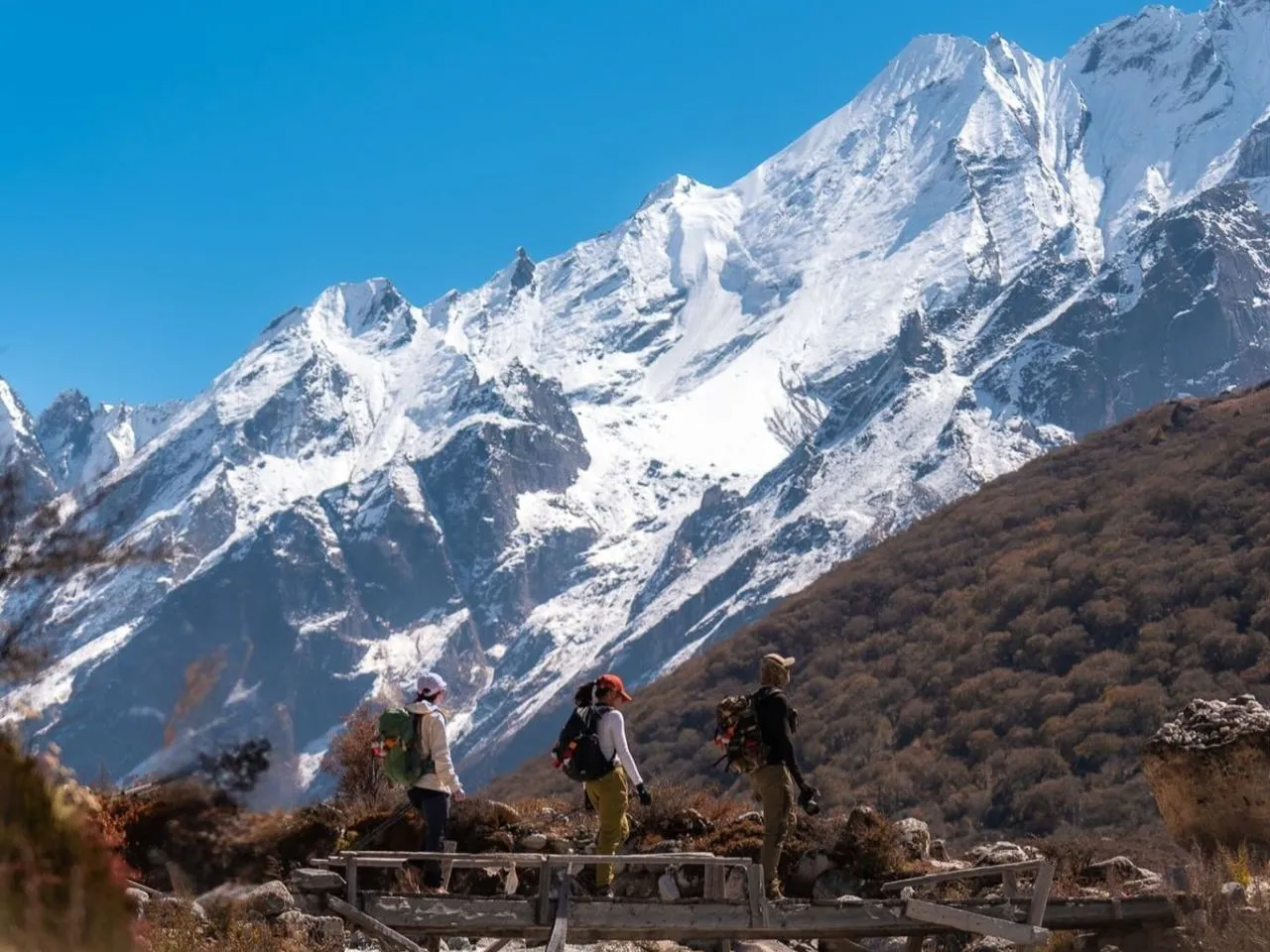
Langtang Luxury Trek – 10 дней
Langtang Luxury Trek – 10 дней
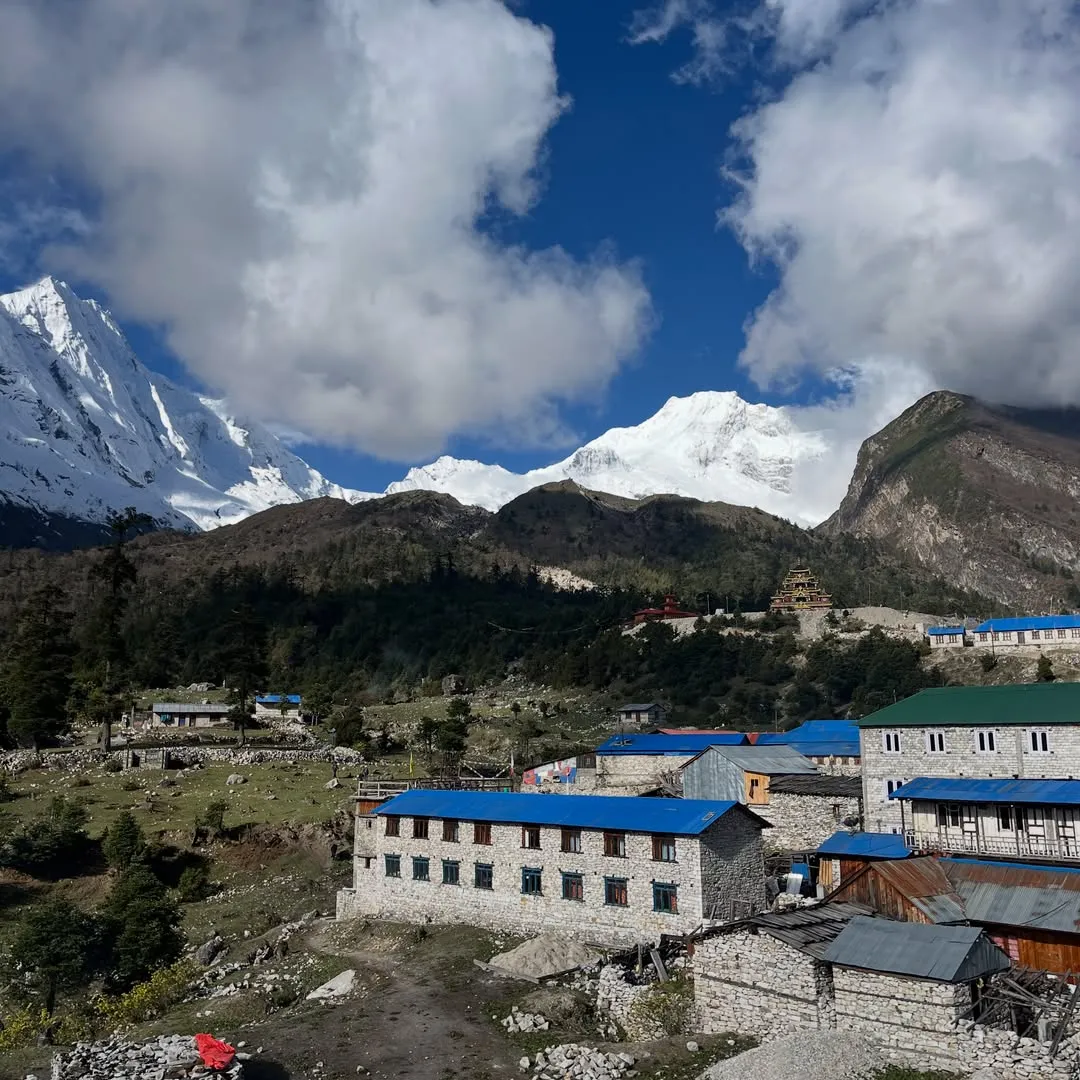
Семейный поход Манаслу - 12 дней
Семейный поход Манаслу - 12 дней
Манаслу Роскошный поход – 14 дней
Манаслу Роскошный поход – 14 дней

Поход в Манаслу Фото: 17 дней
Поход в Манаслу Фото: 17 дней
 English
 Deutsch
 Svenska
 Dansk
Dansk Русский
 Français
 Português
 Español
 Polski
 简体中文
简体中文 日本語
日本語 ไทย
ไทย العربية
 한국어
한국어