
resposta rápida
Before booking a Kanchenjunga trek, confirm five safety items in writing: a portable altitude chamber (Gamow bag) carried for the section above 4,500m, a satellite phone or inReach with the guide, the named helicopter rescue provider for the Taplejung region, a written acclimatization plan with rest days at Ghunsa and Sele Le base, and high altitude insurance that covers rescue above 5,000m. For a 2027 Kanchenjunga trek of 22 to 26 days, budget $2,800 to $4,200 per person and verify each item before paying the deposit.
Detalhamento detalhado
The Kanchenjunga trek reaches the north and south base camps of the world's third highest peak at 5,143m, in one of Nepal's most remote corners. The trailhead at Taplejung (Suketar) sits a full day's drive from Bhadrapur airport, and the nearest reliable helicopter rescue base is at Suketar itself, which means weather delays can strand an injured trekker for 24 to 48 hours. The trek requires the Kanchenjunga Restricted Area Permit, the Kanchenjunga Conservation Area Permit, and the TIMS Card, and only registered agencies can secure the restricted permit.
Altitude safety on Kanchenjunga is a real concern because the itinerary climbs from 1,800m at Taplejung to 5,143m at Pangpema over 10 to 12 days, with two high pass crossings at Sele La (4,290m) and Sinion La (4,445m). The acclimatization plan should include rest days at Ghunsa (3,415m) and either Sele Le base or Lhonak (4,790m), with the option to descend if symptoms appear. The guide should carry a pulse oximeter to track oxygen saturation, because altitude sickness can progress quickly above 4,500m.
Desdobramento de custos/componentes
| componente de segurança | padrão | Custo de 2027 (USD) |
|---|---|---|
| Gamow bag or PAC chamber | One per group above 4,500m | $80 to $140 rental |
| Sat phone or inReach | Carregado pelo guia de chumbo | $8 a $15 por dia |
| oxímetro de pulso | One per group | $25 a $40 |
| Emergency oxygen canister | Two per group | $40 a $80 |
| Helicopter rescue from Suketar | 2 to 4 hour response | $3,500 to $6,500 per flight |
| Ground evac to Taplejung roadhead | Porter or mule | $150 to $400 per day |
| High altitude insurance | Covers above 5,000m | $180 to $350 per trekker |
| First aid and medicines | Diamox, dexamethasone, nifedipine | $60 to $120 per group |
For a 24 day Kanchenjunga trek in spring 2028, the safety infrastructure costs the operator about $600 to $900 per group, which is built into the package price.
O que afeta a resposta
Season shapes helicopter availability, because spring and autumn give the best flying weather while winter cloud can ground helicopters for days. The route variant matters, because the Kanchenjunga Circuit that crosses Sele La is more demanding than the north or south base camp only trips, and needs stronger acclimatization. Group size affects safety, because a group of four can carry a patient in turns while a solo trekker depends entirely on the guide. The operator's helicopter contract matters, because priority contracts launch within two hours while ad hoc calls can take four to six hours.
Dicas de reserva / conselhos práticos
Ask the operator for the named helicopter provider and the 24 hour Kathmandu operations desk number, and call the desk to confirm the contract before paying the deposit. Request a written acclimatization plan with rest days at Ghunsa and either Sele Le base or Lhonak, and confirm the guide carries a pulse oximeter. Verify the insurance covers helicopter rescue above 5,000m and lists trekking as an activity, because many policies exclude both. Ask whether the operator carries a Gamow bag for the section above 4,500m, because not all do. Build two buffer days at the end of the trek, because the Taplejung to Bhadrapur drive and the Bhadrapur to Kathmandu flight are both weather sensitive.
Comparação com alternativas
Compared with the Annapurna Circuit, the Kanchenjunga trek is more remote and slower to evacuate, because Annapurna has helicopter access within hours while Kanchenjunga can take a full day. Compared with the Manaslu Circuit, which has a similar restricted permit and altitude profile, Kanchenjunga is longer and more demanding on acclimatization. Compared with the Everest region, Kanchenjunga has fewer lodges, less helicopter traffic, and a smaller rescue infrastructure, which raises the safety bar for the operator. If you want a similar remote experience with better rescue access, the Manaslu Circuit or the Makalu Base Camp trek are alternatives worth considering.
Erros comuns a evitar
Do not book a Kanchenjunga trek with an operator that has no written evacuation plan, because verbal promises mean nothing at 5,000m. Do not skip the acclimatization days at Ghunsa and Lhonak, because rushing to Pangpema in eight days guarantees altitude sickness. Do not rely on standard travel insurance, because most policies cap rescue at 4,500m. Do not assume the guide is trained in altitude medicine, because some are not, and ask for their Wilderness First Responder or similar certification. Do not fly out of Bhadrapur the morning after the trek ends, because the Taplejung drive can take 12 hours and flights cancel.
Perguntas frequentes
How long does a helicopter rescue take on Kanchenjunga?
From call to landing, expect two to four hours in good weather and up to two days in poor weather, because the Suketar base is small and weather dependent.
Is a Gamow bag necessary?
Yes, for the section above 4,500m, because immediate descent is not always possible and the bag buys time for the helicopter to arrive.
What insurance do I need?
You need a policy that explicitly covers helicopter rescue above 5,000m and lists Nepal trekking as an insured activity, typically $180 to $350 per trekker.
Should the guide carry a sat phone?
Yes, because cell coverage ends at Ghunsa and resumes only at Suketar, so satellite comms are required above the tree line.
How many acclimatization days are minimum?
Plan at least two rest days, one at Ghunsa (3,415m) and one at Lhonak (4,790m) or Sele Le base, with flexibility to add a third if anyone shows symptoms.
resumo
The Kanchenjunga safety checklist covers Gamow bag, sat comms, named helicopter provider, acclimatization plan, and high altitude insurance. Each item must be confirmed in writing before you pay the deposit, because the region is remote enough that the operator's preparation is the difference between a manageable incident and a tragedy. Treat safety as the first question, not the last.
conclusão
For 2027 to 2030 Kanchenjunga treks, demand the written evacuation plan, verify the acclimatization schedule, and buy high altitude insurance that covers helicopter rescue above 5,000m. The region rewards prepared trekkers with the most spectacular view of the world's third highest peak, and punishes unprepared ones with altitude and weather risks that the operator's safety plan must address.
Pacotes de Trek recomendados
Trekking Places para explorar
Explore Trips in Nepal
Hand-picked guided trips to this destination
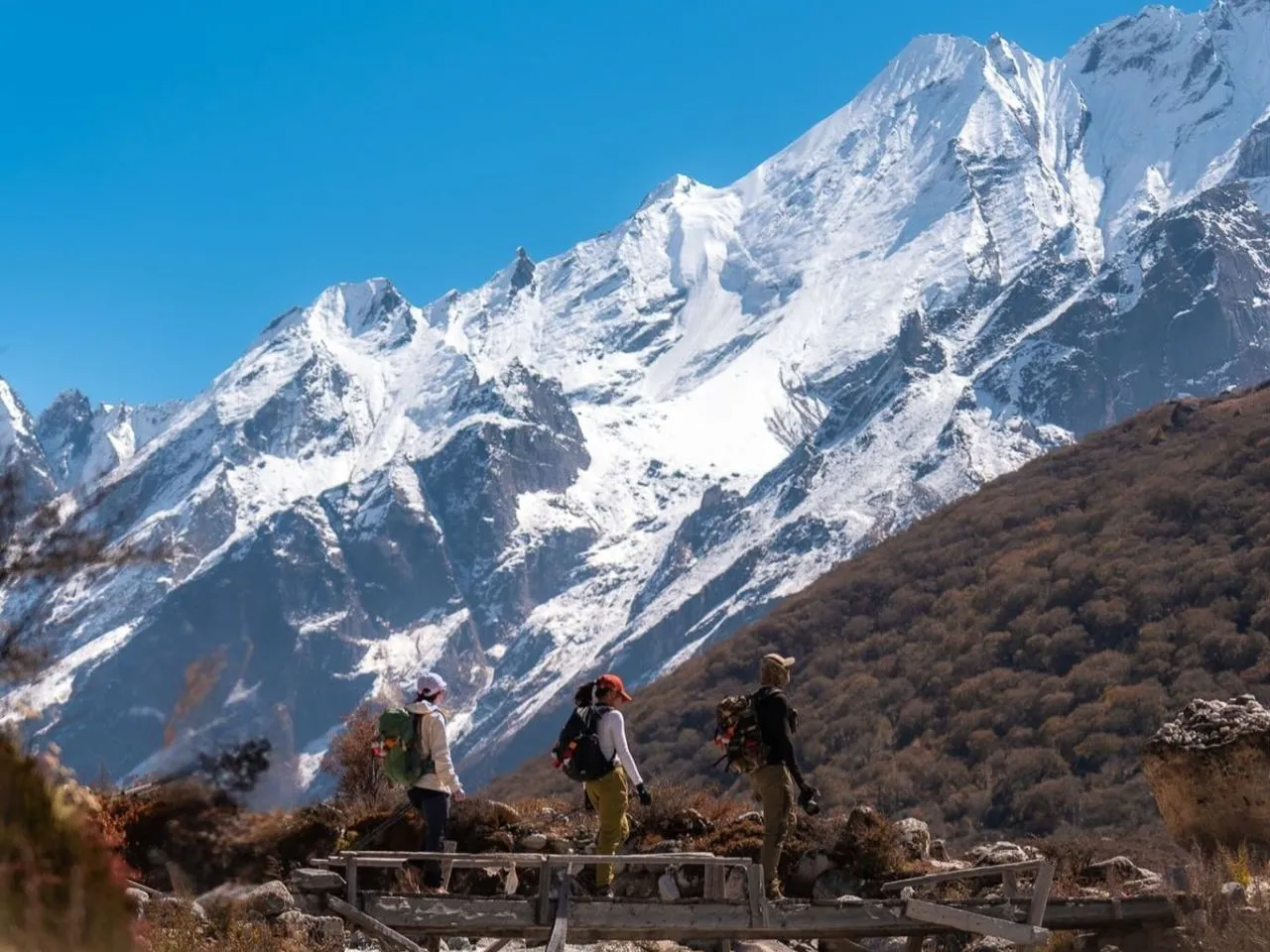
Trek de luxo Langtang – 10 dias
Trek de luxo Langtang – 10 dias
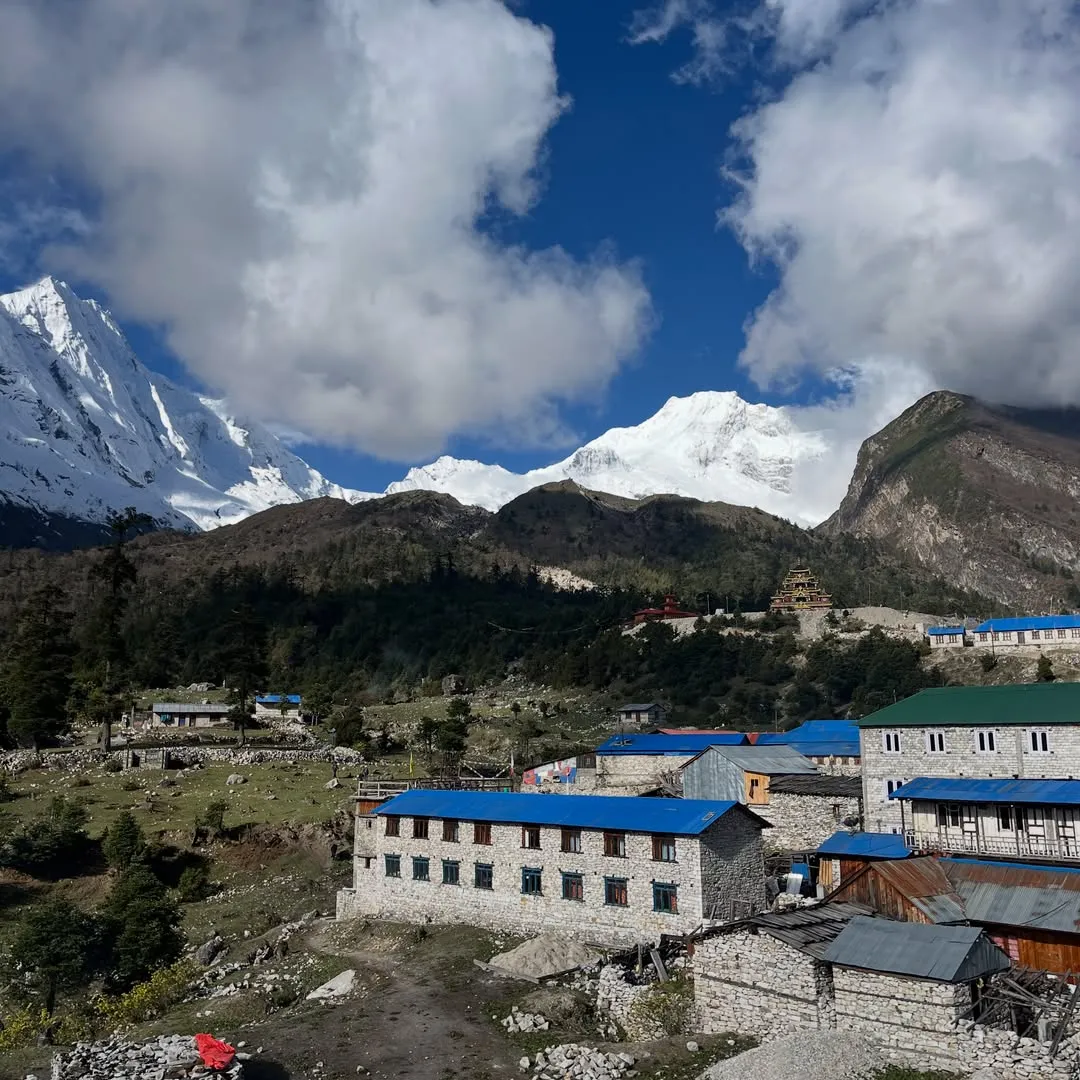
Trek em família Manaslu – 12 dias
Trek em família Manaslu – 12 dias
Trek de luxo em Manaslu – 14 dias
Trek de luxo em Manaslu – 14 dias

Trek de fotografia de Manaslu – 17 dias
Trek de fotografia de Manaslu – 17 dias
 English
 Deutsch
 Svenska
 Dansk
Dansk Русский
 Français
 Português
 Español
 Polski
 简体中文
简体中文 日本語
日本語 ไทย
ไทย العربية
 한국어
한국어