
resposta rápida
The Kanchenjunga Circuit Trek in 2027 requires three permits: the Kanchenjunga Restricted Area Permit at USD 20 per person per week, the Kanchenjunga Conservation Area Permit at USD 30 per person, and the TIMS Card at USD 20 per person. The restricted area permit requires a minimum of two trekkers and a licensed guide. Total permit cost is USD 70 to USD 130 per person depending on trek duration. Permits are arranged by the trekking operator in Kathmandu.
Detalhamento detalhado
The Kanchenjunga Circuit runs through two protected areas in north east Nepal: the Kanchenjunga Restricted Area and the Kanchenjunga Conservation Area. The restricted area permit is mandatory for the northern valleys (Ghunsa, Kambachen, Pangpema) and the southern valleys (Yamphudin, Oktang). The conservation area permit covers the full park.
The Kanchenjunga Restricted Area Permit costs USD 20 per person per week for the first four weeks, payable in USD cash at the Nepal Tourism Board office in Kathmandu. The permit requires a minimum of two trekkers and a licensed guide. Solo permits are not issued. The permit is issued only through a Kathmandu registered trekking operator.
The Kanchenjunga Conservation Area Permit costs USD 30 per person for foreign nationals, or NPR 1,500 for SAARC nationals. It is issued at the Nepal Tourism Board office or at the Kanchenjunga Conservation Area office in Taplejung.
The TIMS Card (Trekkers Information Management System) costs USD 20 per person for the standard version or USD 30 for the free individual trekker version. The TIMS is issued by the TAAN office or the Nepal Tourism Board in Kathmandu.
Distribuição de custo/componente
| autorizar | Cost (foreigner) | duração | notas |
|---|---|---|---|
| Kanchenjunga Restricted Area | $20 por pessoa por semana | First 4 weeks | Min 2 trekkers + guide |
| Kanchenjunga Conservation Area | $30 por pessoa | entrada única | SAARC rate NPR 1,500 |
| cartão tims | $20 por pessoa | única caminhada | $30 free individual |
| Total (22 day circuit) | $110 per person | Min 2 trekkers + guide | |
| Total (28 day circuit) | $130 per person | Min 2 trekkers + guide |
O que afeta a resposta
Trek duration. The restricted area permit is per week. A 22 day circuit pays for 4 weeks. A 28 day circuit pays for 5 weeks.
Group size. The restricted area permit requires a minimum of two trekkers. Solo trekkers must join a group or pay for a permit double fee.
Guide requirement. The 2024 Nepal guide rule requires a licensed guide on all trekking routes. The restricted area permit additionally requires the guide to be listed on the permit application.
Dicas de reserva
Book permits through a Kathmandu registered operator. The restricted area permit requires operator stamp and guide licence. Allow 1 working day in Kathmandu for permit processing.
Carry 6 passport photos for permit applications. The restricted area permit, conservation area permit, and TIMS each require 1 to 2 photos.
Carry USD cash for the restricted area permit. The Nepal Tourism Board does not accept card payment for restricted area permits.
Comparação com alternativas
Compared with the Manaslu Circuit permits, Kanchenjunga has a lower weekly rate but a longer trek. Manaslu Restricted Area costs USD 100 per week. Kanchenjunga costs USD 20 per week.
Compared with Upper Mustang permits, Kanchenjunga is much cheaper. Upper Mustang costs USD 500 per person for the first 10 days.
Compared with Annapurna Circuit permits, Kanchenjunga requires the restricted area permit in addition to the conservation area permit. Annapurna has no restricted area permit.
Erros comuns a evitar
Applying for the restricted area permit without a guide licence. The permit application requires the guide's licence number and operator stamp. Bring both.
Booking a 28 day circuit without budgeting for 5 permit weeks. The permit cost adds USD 20 per week. Plan the budget accordingly.
Carrying only NPR or card. The restricted area permit office accepts USD cash only. Carry USD 100 to USD 150 per person in new bills.
FAQ
What Permits Are Required for the Kanchenjunga Circuit Trek?
Three permits: the Kanchenjunga Restricted Area Permit at USD 20 per person per week, the Kanchenjunga Conservation Area Permit at USD 30 per person, and the TIMS Card at USD 20 per person. Total permit cost is USD 70 to USD 130 per person depending on trek duration.
How much do Kanchenjunga permits cost in 2027?
USD 70 to USD 130 per person. The Kanchenjunga Restricted Area Permit costs USD 20 per person per week. The Kanchenjunga Conservation Area Permit costs USD 30. The TIMS Card costs USD 20. A 22 day circuit pays for 4 weeks at USD 80 plus USD 50.
Can I get the Kanchenjunga Restricted Area Permit as a solo trekker?
No. The permit requires a minimum of two trekkers and a licensed guide. Solo trekkers must join a group or pay a double fee. The permit is issued only through a Kathmandu registered operator.
Where are Kanchenjunga permits issued?
At the Nepal Tourism Board office in Kathmandu. The TIMS Card is issued at the TAAN office or the Nepal Tourism Board. The Kanchenjunga Conservation Area Permit can also be issued at the KCA office in Taplejung. Allow 1 working day for processing.
resumo
The Kanchenjunga Circuit Trek in 2027 requires three permits: restricted area (USD 20 per week), conservation area (USD 30), and TIMS (USD 20). Total permit cost is USD 70 to USD 130 per person. Apply through a Kathmandu operator with USD cash and 6 passport photos.
conclusão
Kanchenjunga permits are cheaper than Mustang or Manaslu restricted areas, but require a minimum of two trekkers and a licensed guide. Book through a Kathmandu registered operator, carry USD cash, and allow 1 working day for processing.
Pacotes de Trek recomendados
Trekking Places para explorar
Explore Trips in Nepal
Hand-picked guided trips to this destination
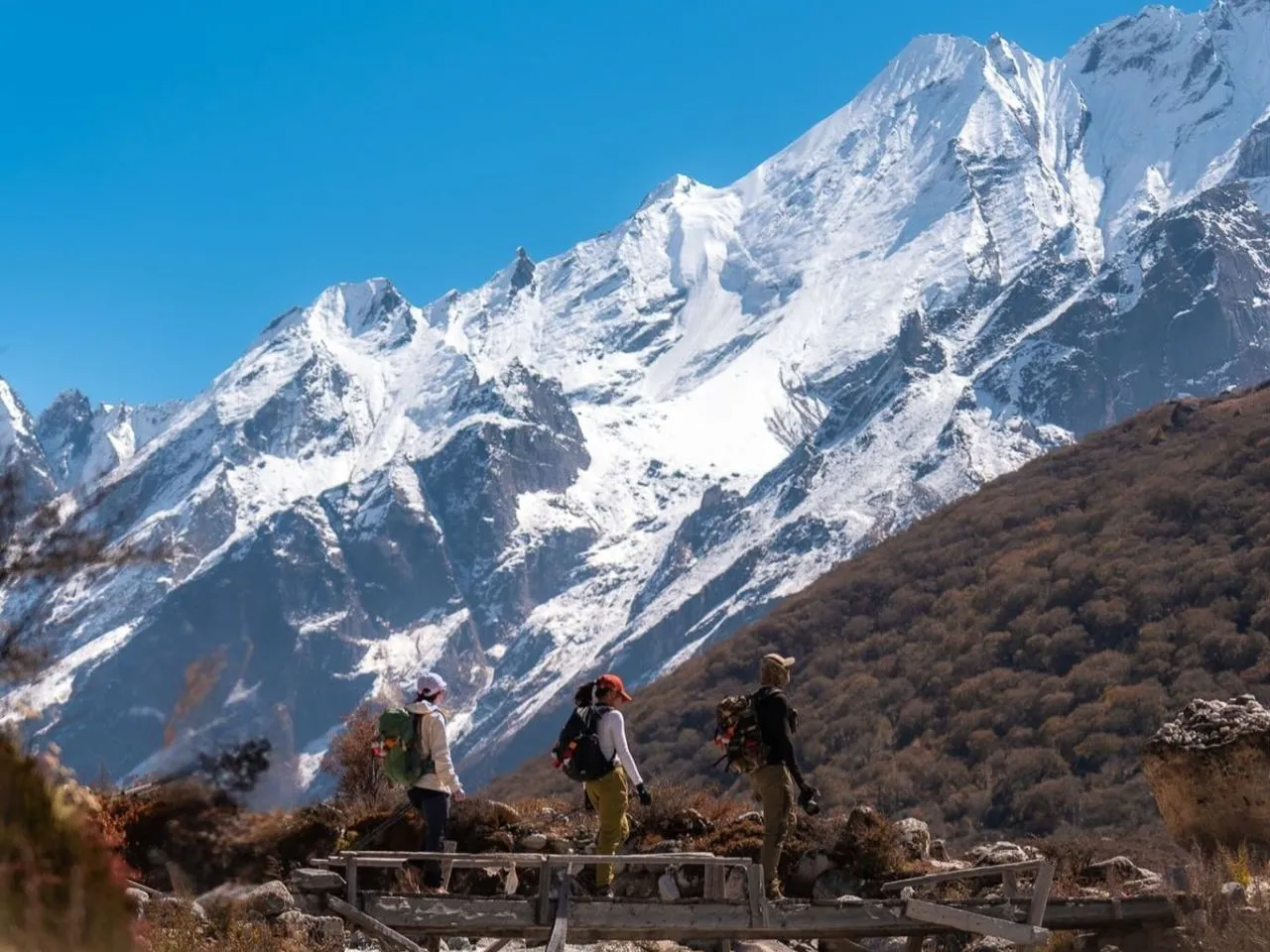
Trek de luxo Langtang – 10 dias
Trek de luxo Langtang – 10 dias
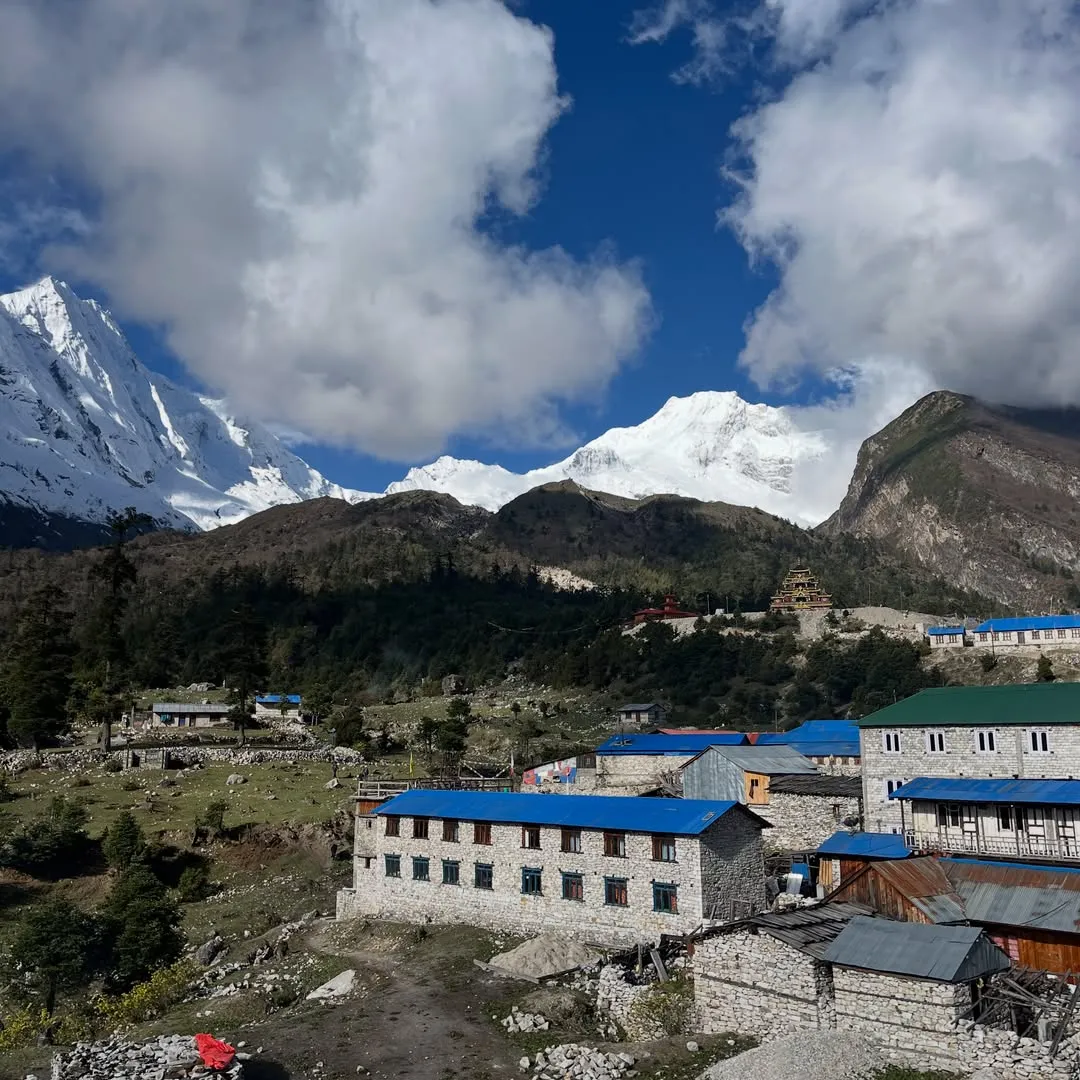
Trek em família Manaslu – 12 dias
Trek em família Manaslu – 12 dias
Trek de luxo em Manaslu – 14 dias
Trek de luxo em Manaslu – 14 dias

Trek de fotografia de Manaslu – 17 dias
Trek de fotografia de Manaslu – 17 dias
 English
 Deutsch
 Svenska
 Dansk
Dansk Русский
 Français
 Português
 Español
 Polski
 简体中文
简体中文 日本語
日本語 ไทย
ไทย العربية
 한국어
한국어