
szybka odpowiedź
A Kailash via Humla operator supports responsible local tourism in 2027 to 2030 when it shows five markers: Humli licensed guides on the Simikot to Hilsa section, food sourced from Simikot and Limi Valley families rather than flown in from Nepalgunj, porter wages above $25 per day with full gear and insurance, a 5 percent community fund contribution to Limi Valley projects, and written partnership with the Humla Agricultural Cooperative or Karma Foundation. The 18 to 24 day trek costs $3,500 to $5,500 per person including the Chinese Tibet permit and Kailash kora.
Szczegółowy podział
The Mount Kailash via Humla Trek starts with a flight from Nepalgunj to Simikot at 2,950 m, then walks 80 km through Limi Valley to Hilsa at 3,720 m on the Tibetan border, crosses into Purang, and runs the 52 km Kailash kora over three days. The Humla section is the most culturally sensitive part of the route, with Tibetan Buddhist Limi villages that benefit from or are bypassed by Kailash traffic.
Responsible operators hire Humli guides who speak the local dialect and know the Limi Valley trail conditions, the homestay families in Halji and Til, and the cultural protocols at the 1,000 year old monasteries. Operators that fly in guides from Kathmandu bypass the local economy.
Podział kosztów/komponentów
| składnik | Koszt (USD) |
|---|---|
| Pozwolenie na podróż do Tybetu w Chinach | $200 do $300 |
| Humla restricted area considerations and TIMS | $50 do $80 |
| Flight Kathmandu to Nepalgunj to Simikot return | $440 to $520 |
| Humi licensed guide (20 days) | $700 do $900 |
| Porter (20 days, 1 per 2 trekkers, Humli hire) | $500 do $700 |
| Food sourced from Simikot and Limi Valley families | $400 do $550 |
| Homestay and camping lodging (19 nights) | $200 do $300 |
| Tibetan guide and vehicle for Kailash kora | $600 do $800 |
| Community fund contribution 5 percent | $175 do $275 |
| Ubezpieczenie załogi z ochroną ewakuacji $5 000 | $80 do $120 |
| Razem na osobę (grupa 4) | $3,500 to $5,500 |
Co wpływa na odpowiedź
Three factors shape responsible tourism needs. First, group size: a group of 4 to 6 supports a full Humli crew of 2 guides and 3 porters. Larger groups of 8 plus need a second cook and camping gear, which can be sourced from Simikot if booked 6 weeks ahead.
Second, season: May to September is the only viable window for the Kailash kora, since snow closes the Drolma La pass at 5,638 m from October to April. Responsible operators space departures 2 weeks apart to avoid overwhelming Limi Valley homestays.
Wskazówki dotyczące rezerwacji
Ask each operator for a written responsible tourism policy with the five markers above. Request the names of Humli guides and porters on the contract, with their wages printed. Reject operators that fly in guides from Kathmandu for the Simikot to Hilsa section.
Verify the operator sources food from Simikot and Limi Valley families. Ask for the homestay partner names in Halji, Til, and Jang, and confirm the per night rate paid to each family is above $15.
Porównanie z alternatywami
The Lhasa to Kailash overland route costs $2,800 to $4,500 for 12 to 16 days and skips the Humla section entirely, bypassing the local tourism question. The Simikot Hilsa Trek costs $1,800 to $2,800 for 12 to 16 days and stays in Humla without crossing to Kailash. The Limi Valley Trek costs $1,800 to $2,800 for 14 to 18 days and focuses on the Limi culture without the Kailash kora.
Choose the Kailash via Humla route for the most culturally integrated option that supports Humli communities. Choose the Lhasa overland route for the lowest cost and easiest logistics. Choose the Simikot Hilsa Trek for Humla culture without the Tibet permit. Choose the Limi Valley Trek for the deepest cultural focus on a single valley.
Częste błędy, których należy unikać
Do not book a Kailash via Humla operator that flies in Kathmandu guides for the Simikot to Hilsa section. This bypasses the Humli economy and removes the cultural bridge that local guides provide. Avoid operators that quote under $3,500 per person for the 20 day trek, since they typically skip the community fund and the Humli crew hire.
FAQ
How can I verify a Humli guide hire?Ask for the guide's name, license number, and home village. Cross-check with the Humla Tourism Office in Simikot or the Karma Foundation database.
What porter wage is responsible in Humla?Above $25 per day with full gear, meals, and $5,000 evacuation insurance. The 2023 Humla porter wage floor is $22 per day, and responsible operators pay $25 to $30.
What community fund amount is meaningful?5 percent of the package cost, directed to a named Limi Valley project. Ask for the project name and the previous year's contribution receipt.
Can I do the Kailash kora without the Humla section?Yes, via the Lhasa overland route, but this skips the Humli community benefit entirely. Choose Humla for the responsible tourism model.
What food should the operator source locally?Tsampa, yak cheese, potatoes, and seasonal vegetables from Simikot and Limi Valley families. Packaged food from Nepalgunj should be limited to items not produced locally.
zbiorczy
A Kailash via Humla operator supports responsible local tourism in 2027 to 2030 when it hires Humli guides, sources local food, pays porters above $25 per day, contributes 5 percent to a community fund, and partners with the Humla Agricultural Cooperative. The 18 to 24 day trek costs $3,500 to $5,500 per person.
wnioskowanie
Book a Kailash via Humla operator that names Humli guides on the contract, sources food from Limi Valley families, pays porters above $25 per day, and contributes 5 percent to a named community fund. Verify the partnership with the Humla Agricultural Cooperative, carry yuan cash for the Tibet section, and choose the 24 day full version that includes the Limi Valley loop. The right operator turns the Kailash kora into a trek that benefits Humli communities rather than bypassing them.
Zalecane pakiety Trek
Miejsca trekkingowe do zwiedzania
Explore Trips in Nepal
Hand-picked guided trips to this destination
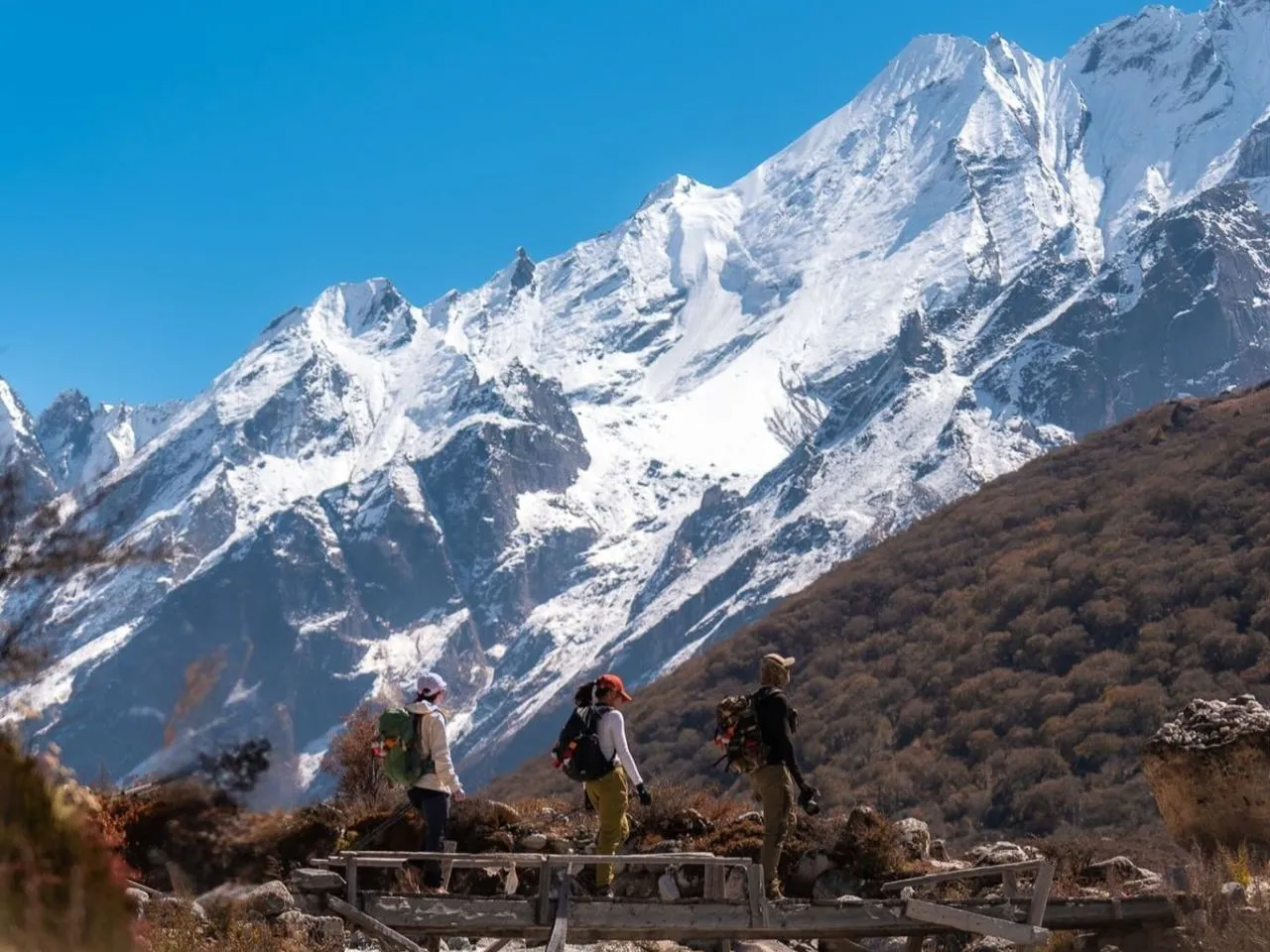
Luksusowa wędrówka Langtang – 10 dni
Luksusowa wędrówka Langtang – 10 dni
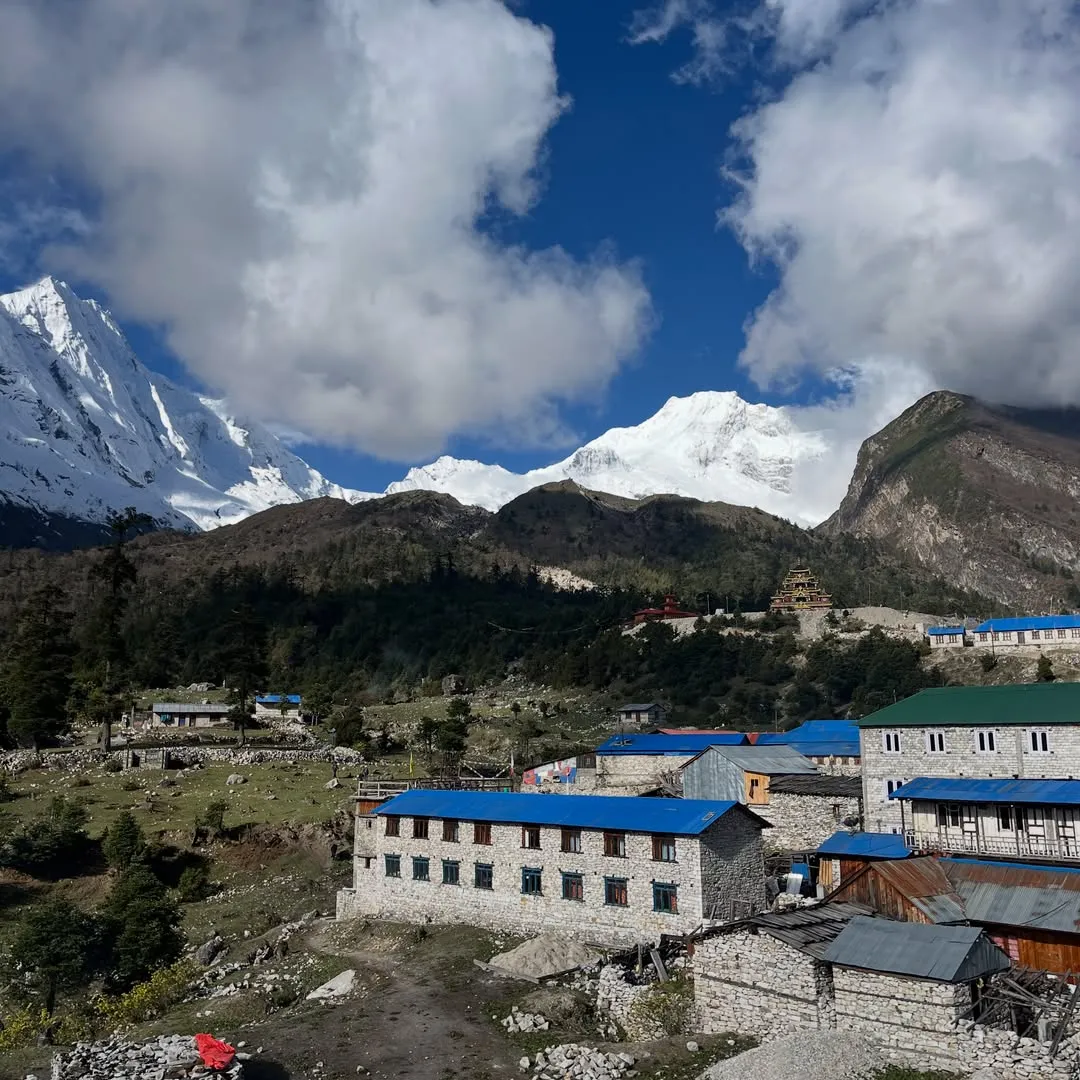
Wędrówka rodzinna Manaslu – 12 dni
Wędrówka rodzinna Manaslu – 12 dni
Luksusowa wędrówka Manaslu – 14 dni
Luksusowa wędrówka Manaslu – 14 dni

Manaslu Fotografia wędrówka – 17 dni
Manaslu Fotografia wędrówka – 17 dni
 English
 Deutsch
 Svenska
 Dansk
Dansk Русский
 Français
 Português
 Español
 Polski
 简体中文
简体中文 日本語
日本語 ไทย
ไทย العربية
 한국어
한국어