
Quick Answer
Your Tilicho Lake Trek contract must allow free rescheduling if heavy snow closes the lake trail above Khangsar, full helicopter evacuation coverage if altitude sickness forces a descent, and a partial refund for any unused Manang days if you turn back early. For 2027 to 2029 trips budget $1,300 to $2,100 for a 10 to 14 day itinerary. Pay no more than a 25 percent deposit and require weather, altitude sickness, and trail closure as named trigger events.
Detailed Breakdown
The Tilicho Lake Trek branches off the Annapurna Circuit at Manang and climbs to a 4,919m glacial lake in a cirque below Tilicho Peak. The side trip is short but serious because you sleep near 4,300m and walk to nearly 5,000m in a single push. Two failure modes dominate: a fresh snowfall blocks the trail across the Mesokanto shoulder, and acute mountain sickness forces one or more trekkers to descend before reaching the lake.
A good operator treats both as normal operational risks, not surprises. The contract should spell out who pays for the helicopter if you need one, what happens to the unused Tilicho days if you turn back, and whether you can reschedule the lake attempt for the next weather window without paying extra.
Cost / Component Breakdown
| Component | Cost (USD) | Refundable on Cancellation? |
|---|---|---|
| Deposit (25%) | $325 to $525 | Yes, if force majeure clause names weather or AMS |
| ACAP + TIMS permits | $40 to $55 | Non-refundable government fees |
| Jeep Besisahar to Manang | $120 to $180 per group | Refundable if unused |
| Helicopter evacuation | $1,800 to $3,500 | Should be covered by your travel insurance |
| Unused Manang days refund | $30 to $45 per day | Should be refunded minus permit cost |
| Rescheduling fee | $0 to $100 | Should be zero for weather triggers |
For a 12 day October 2028 trip the total lands near $1,700 per person. The deposit is the only money genuinely at risk if your contract is well written.
What Affects the Answer
Weather above 4,500m is the largest factor. A single October snowstorm can close the Tilicho trail for 48 to 72 hours, and your itinerary needs to absorb that or trigger a clean reschedule. Acclimatization discipline is the second factor, because trekkers who rush from Besisahar to Manang in two days are the most likely to need evac.
Insurance terms also feed in. Most policies pay the helicopter bill only if the operator writes a letter stating altitude sickness as the cause, and some exclude anything above 4,500m unless you bought the high-altitude rider. Check your policy before booking, not after.
Booking Tips / Practical Advice
Ask the operator three questions in writing before you wire the deposit. What is the refund percentage if they cancel the Tilicho attempt for weather? What is the rescheduling fee if you stay an extra day to wait for a window? What evidence do they need from the guide to confirm an evac for your insurance? If the answers are vague, walk away.
Build two acclimatization days into the itinerary, one at Manang and one at Khangsar or Tilicho Base Camp. That single change cuts your AMS risk in half and gives the schedule flex if the pass is closed for a day. Carry a personal pulse oximeter and ask the guide to log readings each morning.
Comparison With Alternatives
Compared with the main Annapurna Circuit, the Tilicho side trip adds altitude risk and weather risk on top of the Thorong La crossing. Compared with Annapurna Base Camp, Tilicho is higher, colder, and less predictable because the lake trail has no teahouse backup above Khangsar. Compared with the Ice Lake day hike from Manang, Tilicho is a bigger commitment but a more dramatic destination.
If your priority is a high-altitude lake with more reliable logistics, Gokyo Lakes in the Khumbu offers a similar turquoise setting with better teahouse infrastructure and a shorter evac window to Lukla.
Common Mistakes to Avoid
Do not book a Tilicho trip without an acclimatization day in Manang. The fast version is the one that ends in helicopter bills. Do not assume your standard travel insurance covers altitude evac; most policies cap at 4,000m or 4,500m and require a rider for higher. Do not book an itinerary that has you reaching the lake on day 5 from Kathmandu.
Avoid operators who quote under $1,200 for 12 days. That price usually means shared permits, no acclimatization day, and no evac support letter when you need one.
Frequently Asked Questions
Does the operator refund the lake attempt if I turn back at Tilicho Base Camp? Yes, with a proper contract, the unused days and porter wages above Khangsar should be refunded or credited.
Who pays for the helicopter if I get altitude sickness? Your travel insurance pays, but only if the operator provides the cause letter. Confirm they will issue it within 24 hours.
Can I reschedule the lake attempt for the next day if snow closes the trail? A good contract allows one flex day at no charge. Anything more should be billed at cost.
Is October safer than April for Tilicho? Both work, but October has fewer fresh-snow closures after the monsoon clears. April has melting trails in the afternoon.
What deposit is reasonable? 20 to 25 percent. Anything higher is a red flag for an operator with cash-flow problems.
Summary
A safe Tilicho booking has a 25 percent deposit, a force majeure clause that names snow closure and altitude sickness, free rescheduling for weather, and a written promise to issue insurance letters within 24 hours. Add a Manang acclimatization day and you cut the risk in half.
Conclusion
Tilicho Lake rewards trekkers who plan for the two things that go wrong, weather and altitude. Lock in flexible cancellation terms, carry proper insurance, and the lake will reward you with one of the most surreal mountain cirques in Nepal. Skip the clauses and you gamble with helicopter bills and unused days you cannot get back.
Recommended Trek Packages
Trekking Places to Explore
Explore Trips in Nepal
Hand-picked guided trips to this destination
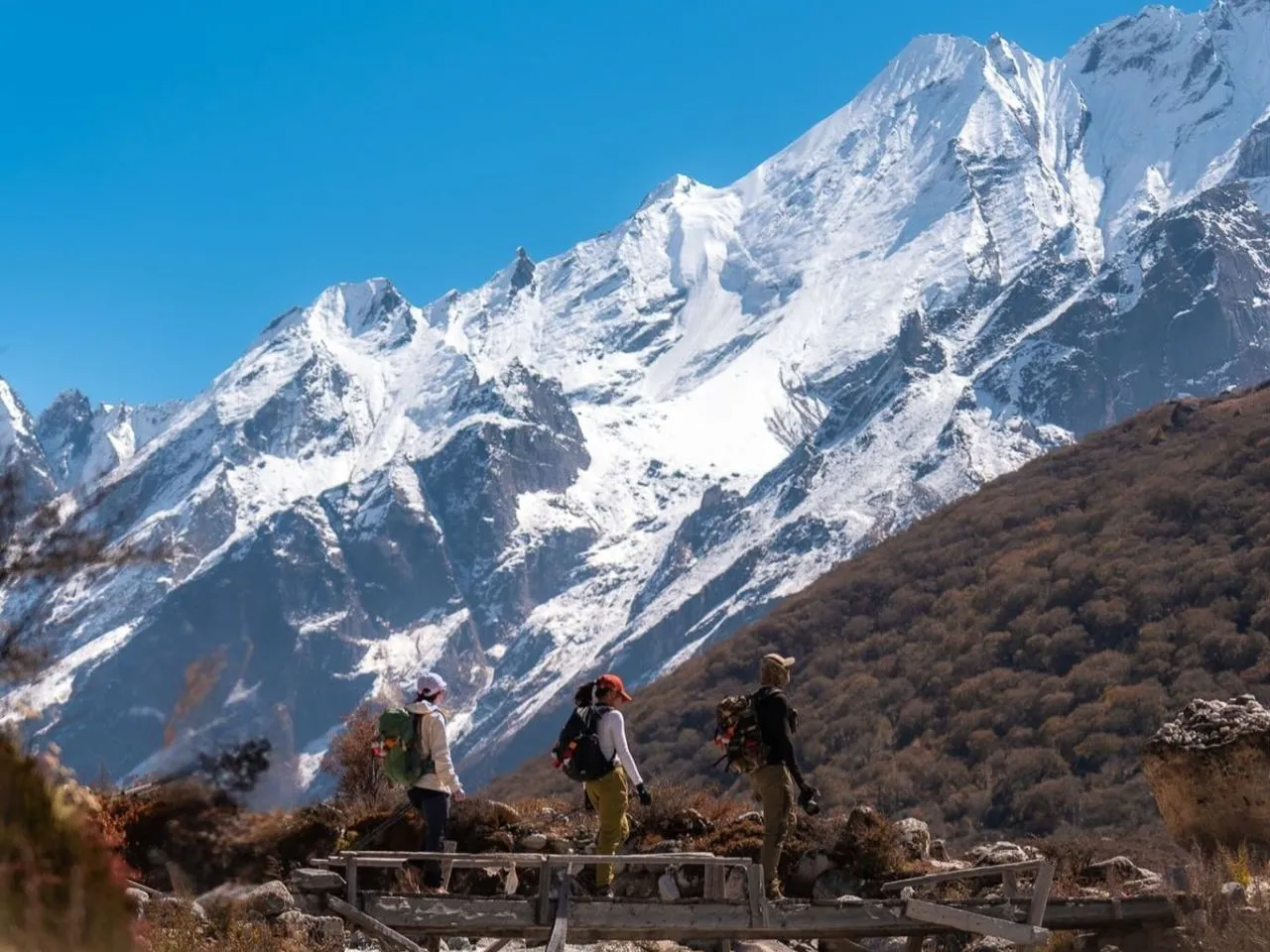
Langtang Luxury Trek – 10 Days
Langtang Luxury Trek – 10 Days
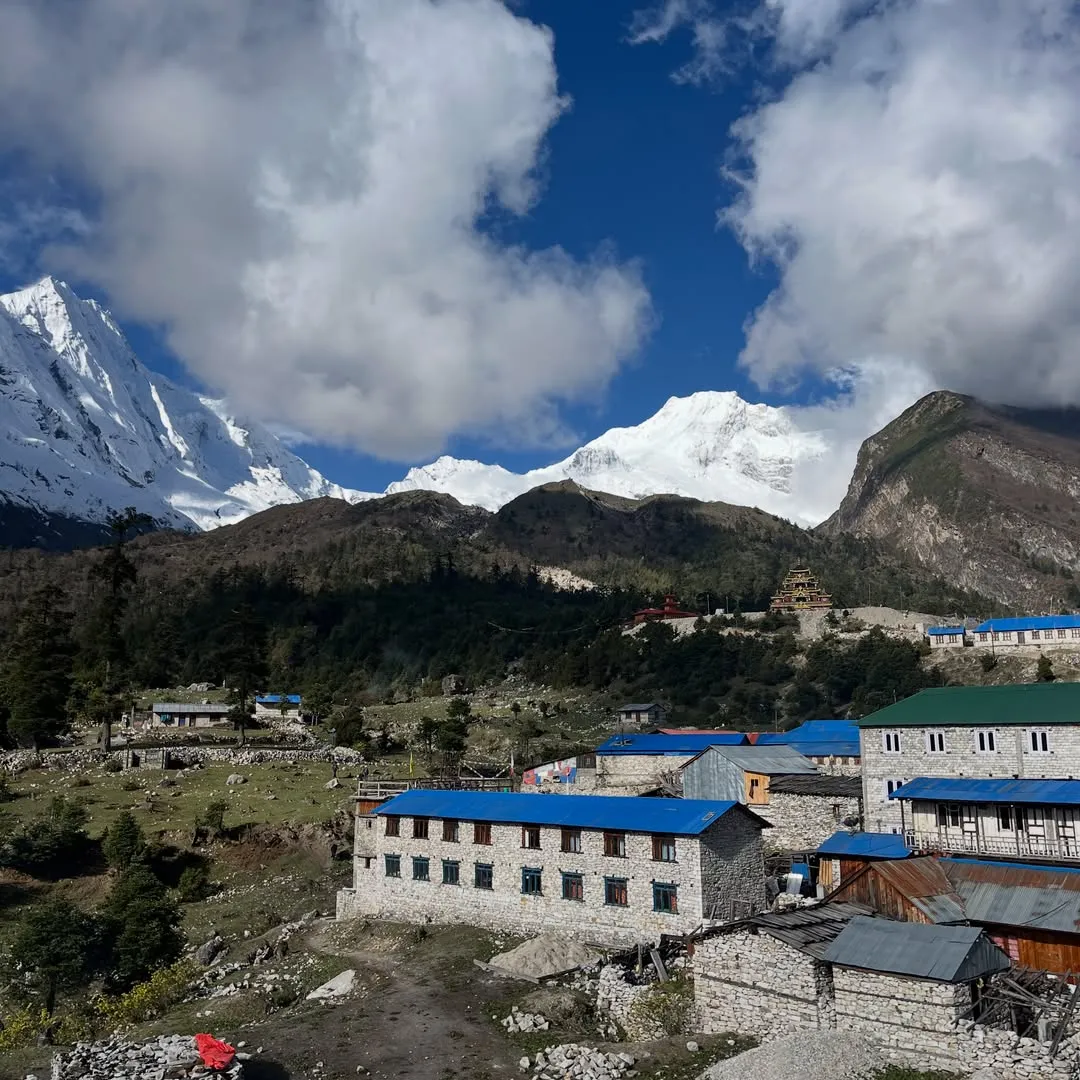
Manaslu Family Trek – 12 Days
Manaslu Family Trek – 12 Days
Manaslu Luxury Trek – 14 Days
Manaslu Luxury Trek – 14 Days

Manaslu Photography Trek – 17 Days
Manaslu Photography Trek – 17 Days
 English
 Deutsch
 Svenska
 Dansk
Dansk Русский
 Français
 Português
 Español
 Polski
 简体中文
简体中文 日本語
日本語 ไทย
ไทย العربية
 한국어
한국어