
Trek Overview
The Jomsom Muktinath Trek runs through the rain shadow of the Annapurnas, which means you can trek it in July when most of Nepal is soaked. The route links the regional airstrip at Jomsom with the sacred pilgrimage town of Muktinath at 3,800 metres, where 108 sacred springs feed Hindu and Buddhist bathers. The trail follows the Kali Gandaki river through the deepest gorge in the world, between Annapurna and Dhaulagiri. It is one of the few Nepal treks where summer is a legitimate season.
Why Visit
You come here for the geology, the pilgrimage, and the off-season option. The Kali Gandaki gorge is deeper than the Grand Canyon, with two 8,000-metre peaks on either side. Muktinath is sacred to both Hindus and Buddhists, and watching pilgrims bathe in the 108 springs is a powerful experience. The Thakali villages of Marpha and Kagbeni have apple orchards, narrow lanes, and a Tibetan-influenced culture that feels different from the rest of Nepal.
Best Time to Trek
Spring (March to May) and autumn (September to November) are clear and pleasant. Summer (June to August) is the surprise: the rain shadow keeps Jomsom and Mustang dry when the rest of Nepal is flooded, and the trails are quiet. Winter (December to February) is bitterly cold and many lodges close. For 2027 and 2028 summer departures, book by April as flights fill up.
Difficulty Level
We rate this trek Moderate. Walking is 4 to 6 hours a day on a wide valley trail, mostly flat or gently climbing. The wind in the afternoons can be strong and tiring. The maximum altitude of 3,800 metres at Muktinath is the main physical challenge. No technical gear is needed, but acclimatisation matters.
Duration
Plan 7 to 10 days from Pokhara, including the Jomsom flights. The shorter 7-day version flies in and out of Jomsom and walks to Muktinath and back. The 10-day version adds Kagbeni, Marpha, and a side trip toward Upper Mustang. We recommend 8 days for most clients.
Route Details
The route starts with a 20-minute flight from Pokhara to Jomsom at 2,700 metres. From Jomsom you walk up the Kali Gandaki valley through Kagbeni, Jharkot, and Khingar to Muktinath. The return drops back through the same villages, or you can fly out from Jomsom directly. The trail is wide and well-defined, following the riverbed in places.
Itinerary Overview
Day 1: fly Pokhara to Jomsom, walk to Kagbeni. Day 2: Kagbeni to Muktinath. Day 3: full day at Muktinath, visit temples and 108 springs. Day 4: Muktinath to Jharkot and back. Day 5: Muktinath to Marpha. Day 6: Marpha to Jomsom. Day 7: fly Jomsom to Pokhara. The 10-day version adds Tukuche and a side trip toward Upper Mustang.
Maximum Altitude
The highest point is Muktinath at 3,800 metres (12,467 feet), where you sleep for two nights. The altitude is high enough to require careful acclimatisation, especially if you fly in from Pokhara at 800 metres. We build in a slow first day at Kagbeni (2,800 m) to help your body adjust. Anyone with prior AMS history should consider diamox.
Weather
Daytime temperatures run 15 to 22 degrees Celsius in spring and autumn, with nights near freezing. Summer is warmer but windy in the afternoons, with the famous Jomsom wind starting around 11am. Winter is bitterly cold, often below minus 10 at night, with snow closing the trail. Carry a down jacket year-round and a windbreaker for the afternoons.
Accommodation
You sleep in comfortable tea houses with twin beds, foam mattresses, and attached or shared bathrooms. The lodges in Marpha and Jomsom are the best on the route, with hot showers and good food. Muktinath lodges are simpler but adequate. Bring a three-season sleeping bag for the cold nights.
Tea Houses
Tea houses here are better than on most Nepal treks, with solar hot water, Western toilets, and reliable charging. The Thakali-owned lodges in Marpha and Tukuche are famous for their food and cleanliness. Muktinath has a cluster of lodges near the temple gate. Bed rates run $5 to $10 if you eat dinner at the lodge.
Camping
This trek uses tea-house lodging; camping is not typically required.
Food
The Thakali people are known as the best cooks in Nepal, and the food on this trek is excellent. Expect apple pie in Marpha, fried trout from the Kali Gandaki, buckwheat chapati, and the famous Thakali set meal. Apples feature heavily, since Marpha is the apple capital of Nepal. Vegetarians eat very well here.
Drinking Water
Bottled water is widely available, but we recommend treating tap water with a SteriPen or filter to reduce plastic waste. Boiled water is sold at lodges for $1 to $2 per litre. Plan for 3 to 4 litres a day, more in summer when the wind dehydrates you. Avoid drinking directly from the Kali Gandaki, which can be contaminated upstream.
Electricity
Jomsom and the larger villages have reliable grid power from a local hydro scheme. Charging is free or $1 to $2 at most lodges. Muktinath runs on solar and generator power. Bring a power bank for backup. The hydro power is one of the few reliable grids in the Nepal mountains.
Internet & Mobile Network
Ncell and Nepal Telecom work throughout the Kali Gandaki valley, with strong signal in Jomsom, Marpha, and Muktinath. Many lodges now offer paid Wi-Fi. Buy a data pack in Pokhara. Signal is best in the villages and patchy on the riverbed sections.
Transportation
The route starts with a 20-minute flight from Pokhara to Jomsom, costing $110 to $130 one way. Flights are weather-dependent and can be delayed, especially in summer. An alternative is the overland jeep ride from Pokhara to Jomsom, which takes 10 to 12 hours on a rough road. We arrange flights for our groups and build buffer days for delays.
Required Permits
You need the Annapurna Conservation Area Permit (ACAP) at about $30 and the TIMS Card at $20. We arrange both in Pokhara. Bring four passport photos and your passport. Treks that cross into Upper Mustang need a separate restricted-area permit at $500 for 10 days.
Packing List
Pack a three-season sleeping bag, a down jacket, and a windbreaker for the afternoon Jomsom wind. Sturdy walking shoes are enough; the trail is wide and not technical. Carry a 30-litre day pack, sunscreen, a wide-brim hat, and a buff or scarf for wind and dust. Sunglasses are essential in the bright riverbed.
Budget Guide
Below is a rough per-person budget for an 8-day Jomsom Muktinath trek in 2027, including flights.
| Item | Cost (USD) |
|---|---|
| Jomsom flights (round trip) | $220-260 |
| Guide (8 days) | $200-280 |
| Porter (8 days, optional) | $120-160 |
| Tea-house lodging | $40-64 |
| Meals | $120-200 |
| Permits | $50 |
| Pokhara transfers | $20-40 |
| Total (8 days) | $770-1,054 |
The Jomsom flights are the biggest cost line. Overland jeep options save about $150 per person.
Photography Tips
The wind picks up around 11am, so shoot landscapes in the morning. The 108 springs at Muktinath are best photographed in soft afternoon light. Marpha's whitewashed lanes and apple orchards are great for street photography. A polariser cuts glare off the Kali Gandaki riverbed.
Wildlife
The rain shadow ecosystem is drier than the rest of Nepal, with blue sheep on the upper slopes and lammergeiers soaring above the gorge. You may see Himalayan griffon vultures near Muktinath. Marmots are common in summer above Kagbeni. The river has trout, farmed in ponds near Marpha.
Flora
The valley is dry and Tibetan in character, with juniper, caragana, and thorny shrubs. Apple orchards dominate Marpha and Tukuche, with harvest in September and October. Above 3,500 metres the vegetation thins to alpine grasses and cushion plants. Spring brings wild tulips on the upper slopes.
Local Culture
The Thakali people are the dominant ethnic group, known as traders and innkeepers with a sophisticated cuisine. The culture blends Tibetan Buddhism with Hinduism and the Bon religion. Muktinath is sacred to both Hindus (as a Vishnu temple) and Buddhists (as a place of Padmasambhava). Pilgrims from India and Nepal visit year-round.
Local Villages
Jomsom is the regional hub, with an airport, army post, and bakeries. Marpha is the prettiest village, with whitewashed houses, apple orchards, and a distillery. Kagbeni sits at the confluence of the Kali Gandaki and the river from Upper Mustang, with a medieval feel. Jharkot has an ancient fort and a Tibetan medical clinic.
Safety Tips
The afternoon wind is the main hazard; plan to be in a lodge by 1pm if possible. The Kali Gandaki riverbed can flash-flood in summer, so stay on the trail, not the gravel. Altitude matters at Muktinath, so acclimatise slowly. Carry a windbreaker, dust mask, and eye protection.
Altitude Sickness Guide
Flying from Pokhara at 800 metres to Jomsom at 2,700 metres is a big jump, and climbing to Muktinath at 3,800 metres over the next two days adds to the risk. Mild headache and breathlessness are common. Drink 3 to 4 litres of water a day, avoid alcohol, and consider diamox 125mg twice daily from Jomsom. Descend immediately if you vomit, get breathless at rest, or develop a severe headache.
Emergency Contacts
Keep local police (100) and the Jomsom hospital on your phone. The Jomsom hospital can handle minor altitude issues. Serious cases require evacuation to Pokhara or Kathmandu by flight or helicopter. Carry your travel insurance details and ensure it covers trekking to 4,000 metres. Your guide carries a mobile phone with the best local SIM.
Responsible Tourism
Muktinath is a sacred site; dress and behave respectfully, and do not photograph pilgrims without permission. Carry out all rubbish, including the wrappers from apple snacks. Refill water bottles rather than buying plastic. The Thakali lodges are family businesses, so eat where you sleep. Tip guides and porters around 10 percent.
Frequently Asked Questions
We answer the most common client questions about the Jomsom Muktinath Trek below, covering flights, permits, and the summer season. Read these before you book. If your question is not here, our team is happy to help.
Summary
The Jomsom Muktinath Trek is the rain-shadow Annapurna trek that you can walk in summer when the rest of Nepal is wet. It is rated Moderate, peaks at 3,800 metres, and combines geology, pilgrimage, and Thakali culture. Spring, autumn, and summer are all viable seasons. The Jomsom flights are the logistical key, so book early.
Conclusion
If you want a Nepal trek in July or August, or you want to combine pilgrimage with mountain views, the Jomsom Muktinath Trek is our 2027 pick. Book flights early, pack for wind, and plan a slow acclimatisation. The 108 springs and the apple pie in Marpha are worth the trip on their own.
Recommended Trek Packages
Trekking Places to Explore
Explore Trips in Nepal
Hand-picked guided trips to this destination
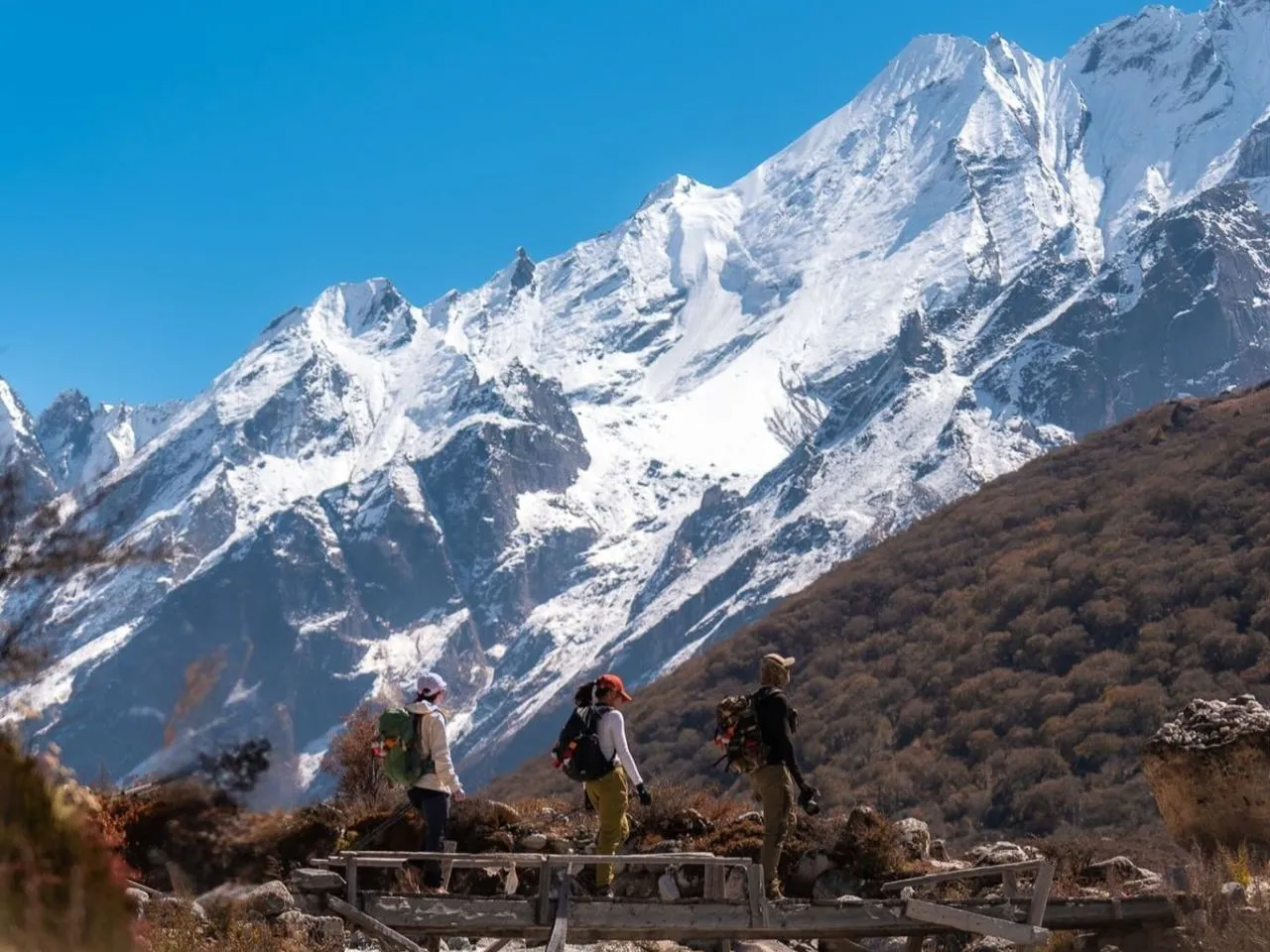
Langtang Luxury Trek – 10 Days
Langtang Luxury Trek – 10 Days
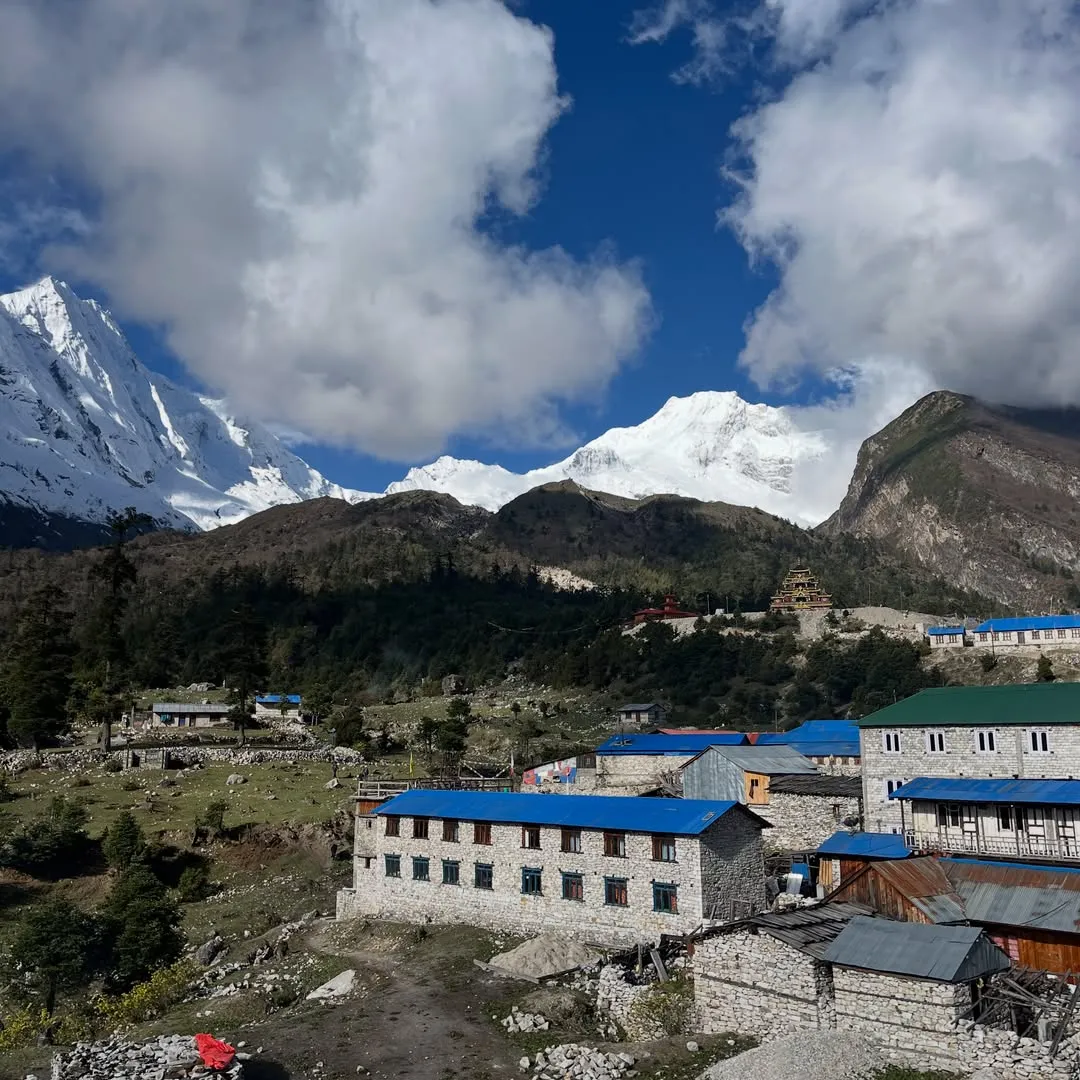
Manaslu Family Trek – 12 Days
Manaslu Family Trek – 12 Days
Manaslu Luxury Trek – 14 Days
Manaslu Luxury Trek – 14 Days

Manaslu Photography Trek – 17 Days
Manaslu Photography Trek – 17 Days
 English
 Deutsch
 Svenska
 Dansk
Dansk Русский
 Français
 Português
 Español
 Polski
 简体中文
简体中文 日本語
日本語 ไทย
ไทย العربية
 한국어
한국어