
Quick Answer
A 2027 Kailash Mansarovar package via Simikot and Hilsa usually costs $3,800 to $5,600 per person from Kathmandu for a 13 to 16 day trip. That includes the Kathmandu to Nepalgunj to Simikot flights, helicopter from Simikot to Hilsa, Chinese visa and Tibet permit, Tibetan guide and vehicle, parikrama logistics, accommodation, and three contingency days. Cheaper packages under $3,500 usually skip the helicopter or compress the parikrama.
The Simikot Hilsa route is the shortest Nepal-side access to Mount Kailash, but the helicopter hop and Tibetan permits drive most of the cost.
Detailed Breakdown
The package has six cost layers. The first is Nepal domestic flights, with Kathmandu to Nepalgunj and Nepalgunj to Simikot costing $300 to $400 return per person. The second is the Simikot to Hilsa helicopter flight, which costs $500 to $700 per person one way and is the single most expensive component.
The third is Chinese visa and Tibet permit, with the Kailash permit costing $200 to $300 per person and the Chinese group visa costing $90. The fourth is the Tibetan guide and vehicle, with a 4WD jeep costing $1,200 to $1,800 per group and the Tibetan guide costing $80 to $120 per day. The fifth is parikrama logistics, with the 3-day kora around Kailash needing yaks or horses and crew. The sixth is accommodation and meals, with guesthouses on the Tibetan side at $40 to $60 per night.
Cost / Component Breakdown
Here is the 2027 cost breakdown for a 14-day Kailash Mansarovar package via Simikot and Hilsa.
| Component | Cost per Person | Notes |
|---|---|---|
| Kathmandu to Nepalgunj return flight | $180 to $250 | Two domestic flights |
| Nepalgunj to Simikot return flight | $120 to $180 | Mountain flight each way |
| Simikot to Hilsa helicopter one way | $500 to $700 | Subject to weather |
| Chinese group visa | $90 | Through Kathmandu operator |
| Kailash permit | $200 to $300 | Tibet Autonomous Region permit |
| Tibetan guide and vehicle share | $1,200 to $1,800 | 4WD jeep per group of 4 |
| Parikrama yaks and crew | $300 to $450 | 3-day kora around Kailash |
| Accommodation and meals | $700 to $1,000 | 14 days at $50 to $70 |
| Contingency days (3 days) | $200 to $350 | Weather and acclimatisation |
| Total per person | $3,490 to $5,120 | Plus operator margin 10 to 15 percent |
Final package price with operator margin lands at $3,800 to $5,600 per person.
What Affects the Answer
Several variables shift the package price. Group size is the biggest, with four trekkers sharing the helicopter and 4WD paying 30 to 40 percent less per head than solo. Season matters too, with June to September being the only viable window because of Chinese permit restrictions. Operator scale also counts, with Kathmandu specialists who run weekly Kailash trips offering better rates.
- Group size: Four trekkers is the cost sweet spot.
- Season: June to September is the only viable window.
- Operator scale: Weekly Kailash operators offer better rates.
- Parikrama mode: Walking saves $300 versus yak or horse.
Booking Tips / Practical Advice
Book 4 to 6 months ahead, because Chinese Kailash permits are issued in batches and fill in peak season. Email three operators with the same dates and group size, and compare itemised quotes. Confirm that the helicopter from Simikot to Hilsa is included, because some operators substitute a 4-day walk that adds $400 in crew cost and 3 days of food.
Carry US dollars in cash for Tibetan expenses, because ATMs do not exist on the Kailash route. Apply for the Nepal visa online before flying, because the on-arrival queue wastes a day. Buy travel insurance that covers 6,000m altitude and helicopter rescue, because standard policies cap at 4,000m. Build in 3 contingency days for weather and acclimatisation, because the Simikot to Hilsa helicopter cancels 25 to 35 percent of the time in poor conditions. Plan a recovery night in Kathmandu before flying home, because the return travel is exhausting.
Comparison With Alternatives
Compared with the Lhasa to Kailash overland route, the Simikot Hilsa route is shorter by 6 to 8 days and similar in cost, with helicopter versus road offsetting. Compared with the India Lipulekh Pass route, the Simikot Hilsa route is more expensive but faster and less bureaucratic. Compared with the Kyirong overland route, Simikot Hilsa is shorter but more weather-dependent because of the helicopter hop.
Common Mistakes to Avoid
Do not book a package under $3,500, because something essential is missing, usually the helicopter or Tibetan guide. Avoid operators who refuse to itemise the Chinese visa and permit costs, because hidden charges appear later. Never skip the contingency days, because the Simikot helicopter cancels often. Do not assume your standard travel insurance covers Kailash, because most cap at 4,000m and exclude Tibet. Finally, do not plan to walk the parikrama without prior acclimatisation, because the kora crosses a 5,600m pass.
Frequently Asked Questions
Here are the questions we hear most about Kailash Mansarovar via Simikot and Hilsa costs.
Summary
A 2027 Kailash Mansarovar package via Simikot and Hilsa costs $3,800 to $5,600 per person from Kathmandu for a 14-day trip. The helicopter hop and Tibetan permits drive most of the cost. Book 4 to 6 months ahead, build in 3 contingency days, and buy insurance that covers 6,000m altitude. Cheaper packages under $3,500 usually skip essentials.
Conclusion
The Simikot Hilsa route is the fastest Nepal-side access to Kailash Mansarovar, but the helicopter hop and Chinese permits make it expensive. Compare three itemised quotes, focus on what is included versus excluded, and never accept a flat rate. A good operator itemises every cost and a bad one hides extras. With the right package, Kailash delivers one of the most spiritually significant journeys in the world, and the cost reflects the logistical complexity.
Recommended Trek Packages
Trekking Places to Explore
Explore Trips in Nepal
Hand-picked guided trips to this destination
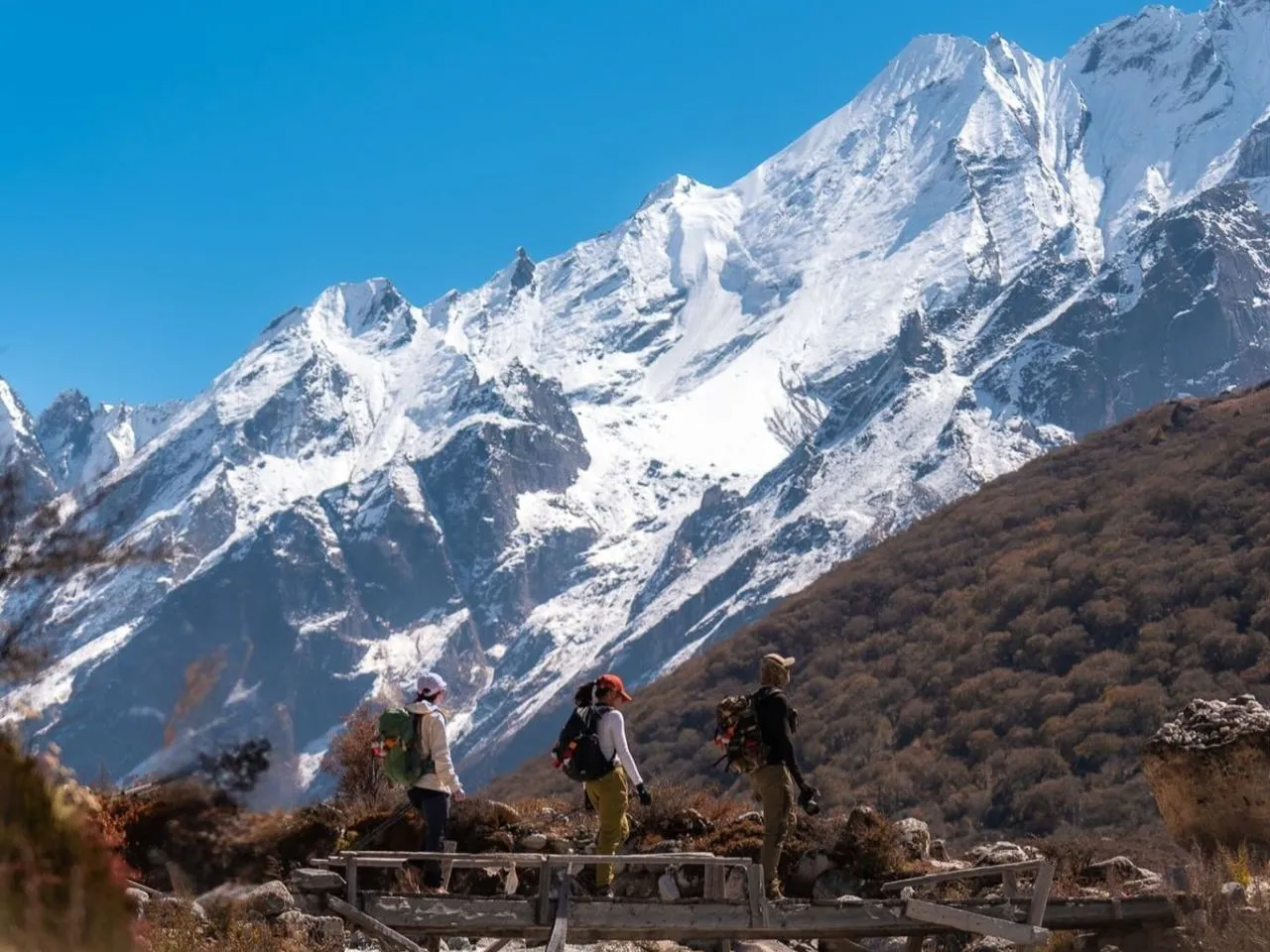
Langtang Luxury Trek – 10 Days
Langtang Luxury Trek – 10 Days
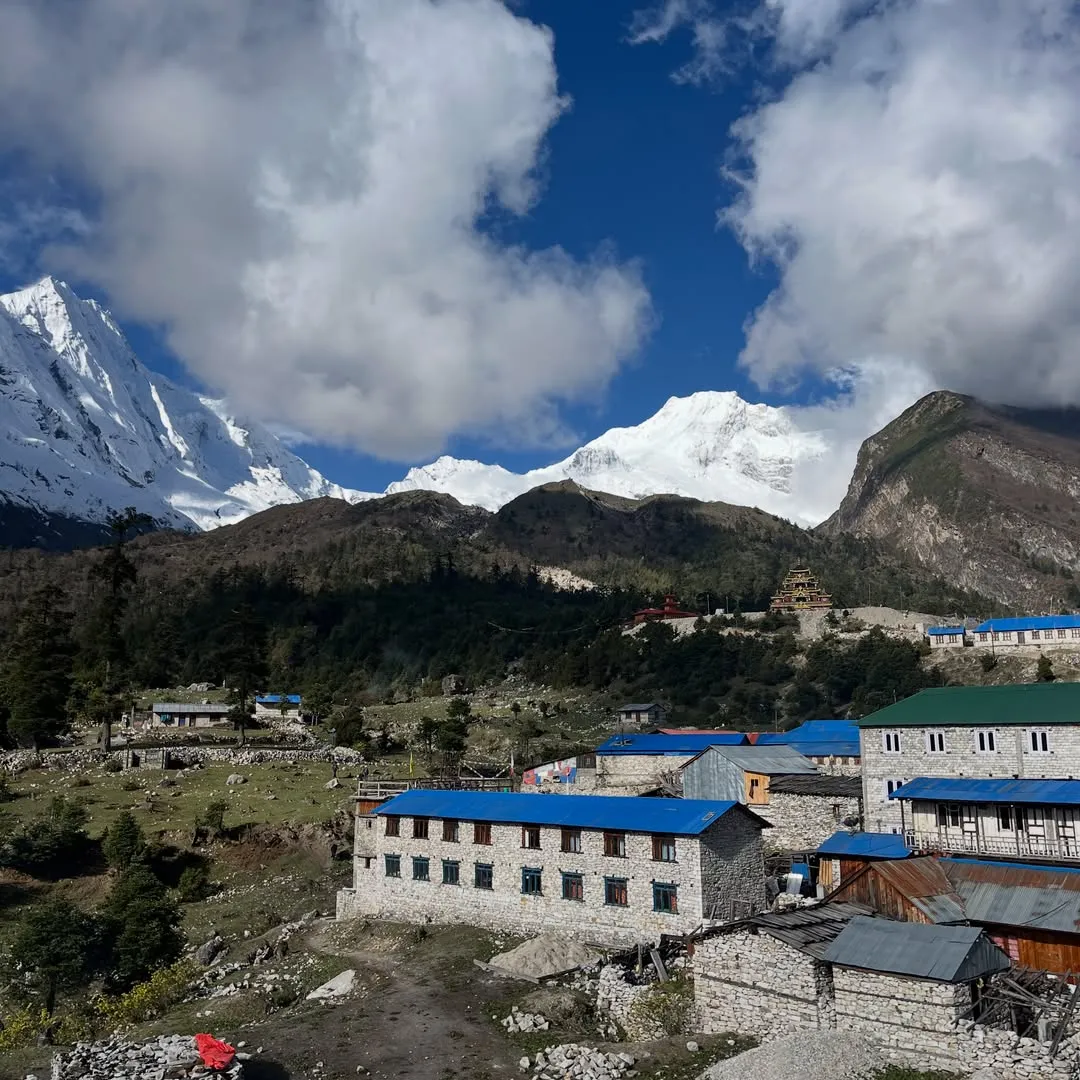
Manaslu Family Trek – 12 Days
Manaslu Family Trek – 12 Days
Manaslu Luxury Trek – 14 Days
Manaslu Luxury Trek – 14 Days

Manaslu Photography Trek – 17 Days
Manaslu Photography Trek – 17 Days
 English
 Deutsch
 Svenska
 Dansk
Dansk Русский
 Français
 Português
 Español
 Polski
 简体中文
简体中文 日本語
日本語 ไทย
ไทย العربية
 한국어
한국어