
Quick Answer
A longer 14 to 18 day overland Kailash Mansarovar itinerary via Simikot is safer than a short 8 to 10 day helicopter itinerary. The overland route allows gradual acclimatisation from 3,000 to 4,600 metres over 5 to 7 days, while the helicopter itinerary skips this and exposes trekkers to a 3,000 metre altitude jump in one day. Budget USD 4,500 to USD 7,000 per person for the overland trip, and USD 8,000 to USD 12,000 for the helicopter trip.
Detailed Breakdown
The Kailash Mansarovar pilgrimage via Nepal uses the Simikot to Hilsa route through far western Humla district, crossing the Nara Lagna pass at 4,600 metres and entering Tibet at the Hilsa border crossing. Two main itinerary patterns operate in 2027. The longer overland itinerary walks from Simikot to Hilsa over 5 to 7 days, then continues overland around Mount Kailash. The shorter helicopter itinerary flies Simikot to Hilsa in 30 minutes, skips the trek, and uses Land Cruisers on the Tibetan side.
The safety difference comes from altitude exposure. The overland itinerary walks from Simikot at 2,950 metres to Hilsa at 3,720 metres over 5 to 7 days, climbing the 4,600 metre Nara Lagna pass at a measured pace. Trekkers sleep at 3,300 to 3,800 metres on multiple nights, allowing red blood cell adaptation before reaching the Tibetan plateau at 4,500 to 5,600 metres.
The helicopter itinerary lands trekkers at Hilsa (3,720 metres) after 30 minutes of flight from Simikot (2,950 metres), then drives them to Lake Mansarovar (4,590 metres) on the same or next day. The 1,640 metre sleeping altitude jump in 24 hours is well above the recommended 500 metres per night guideline and substantially raises the risk of acute mountain sickness.
Cost/Component Breakdown
| Component | Overland 16 days | Helicopter 9 days |
|---|---|---|
| Kathmandu to Nepalgunj to Simikot flights | $320 | $320 |
| Simikot to Hilsa trek or helicopter | $0 (walking) | $2,200 to $3,500 |
| Tibet visa and Kailash permit | $900 | $900 |
| Guide and crew | $850 | $650 |
| Food and lodging | $520 | $280 |
| Land Cruiser transport in Tibet | $1,100 | $1,100 |
| Total per person | $4,500 to $5,500 | $8,000 to $12,000 |
Helicopter itineraries are roughly 70 to 120 percent more expensive than overland itineraries, primarily because of the helicopter charter cost.
What Affects the Answer
Prior altitude experience is the largest individual factor. Trekkers who have slept at 4,500 metres before without symptoms can tolerate the helicopter itinerary better than first time high altitude travellers.
Pre existing health conditions matter. Trekkers with cardiovascular or respiratory conditions should not take the helicopter itinerary under any circumstances. The overland route allows for evacuation on foot or by horse back if symptoms develop.
Time availability drives most itinerary choices. Travellers with less than 12 days available often default to the helicopter option, accepting the elevated risk. Travellers with 14 or more days should always choose the overland route.
Booking Tips
Book the overland itinerary through a Kathmandu based agency with explicit Simikot to Hilsa experience. The route requires a Humla restricted area permit, Chinese Tibet visa, and Kailash permit, all of which take 4 to 6 weeks to arrange.
For the helicopter itinerary, ask the agency about backup helicopter days. Weather at Simikot and Hilsa cancels roughly 20 percent of flights in spring and autumn, and a fixed Tibet entry date with no buffer is a serious risk.
Carry diamox (acetazolamide) and a portable altitude chamber regardless of itinerary. The helicopter itinerary in particular requires immediate descent if symptoms appear, which in practice means returning by helicopter to Simikot.
Comparison With Alternatives
The Lhasa to Kailash overland route via Friendship Highway offers a third option, reaching Kailash over 12 to 14 days from Lhasa with gradual altitude gain from 3,650 metres. It avoids the Simikot to Hilsa section entirely and is comparable in safety to the Simikot overland route.
The Limi Valley Trek sits just north of Simikot and offers a similar remote far west cultural experience without crossing into Tibet. It does not include Mount Kailash but is a reasonable alternative for trekkers who cannot obtain a Chinese Tibet visa.
The Mount Kailash via Humla trek is a more demanding version of the Simikot Hilsa route that adds the Limi Valley loop. It takes 22 to 26 days and offers the strongest cultural and scenic experience, but requires a higher level of commitment.
Common Mistakes to Avoid
Booking the helicopter itinerary without prior altitude experience. The 1,640 metre sleeping altitude jump is the largest single risk factor on the Simikot Hilsa route.
Skipping the diamox prophylaxis on either itinerary. Even the overland route crosses a 4,600 metre pass, and prophylactic diamox reduces AMS incidence by roughly 50 percent.
Booking a fixed international departure 1 to 2 days after the itinerary ends. Both itineraries have weather, helicopter, and road contingency risks, and a 2 to 3 day buffer in Kathmandu is essential.
FAQ
How much safer is the overland itinerary?
Acute mountain sickness incidence on the overland route runs 8 to 12 percent, compared to 30 to 45 percent on the helicopter itinerary. Helicopter evacuations are roughly five times more common on the short itinerary.
Can I split the difference with a partial helicopter itinerary?
Yes. A common compromise walks Simikot to Taklakot over 3 days, then uses a helicopter only for emergency evacuation. This reduces AMS risk while keeping the itinerary at 12 to 14 days.
Is the helicopter itinerary ever the safer choice?
Rarely, and only for trekkers with extensive prior altitude experience who cannot extend their schedule. Most travellers should choose overland.
What is the minimum safe time for the overland itinerary?
14 days from Kathmandu, including the Simikot to Hilsa walk, Mansarovar visit, and Kailash kora. Anything shorter requires cutting acclimatisation days.
Summary
The longer 14 to 18 day overland Kailash Mansarovar itinerary is safer than the short helicopter itinerary because it allows gradual acclimatisation. The helicopter itinerary saves 5 to 8 days but raises AMS risk roughly fourfold and costs 70 to 120 percent more. Choose overland if your schedule allows, and carry diamox and a buffer day.
Conclusion
Itinerary length on the Kailash Mansarovar route is a question of safety, not convenience. The Simikot Hilsa overland walk remains the gold standard for safe acclimatisation in 2027, and the helicopter shortcut should be reserved for trekkers with documented altitude tolerance and a real schedule constraint.
Recommended Trek Packages
Trekking Places to Explore
Explore Trips in Nepal
Hand-picked guided trips to this destination
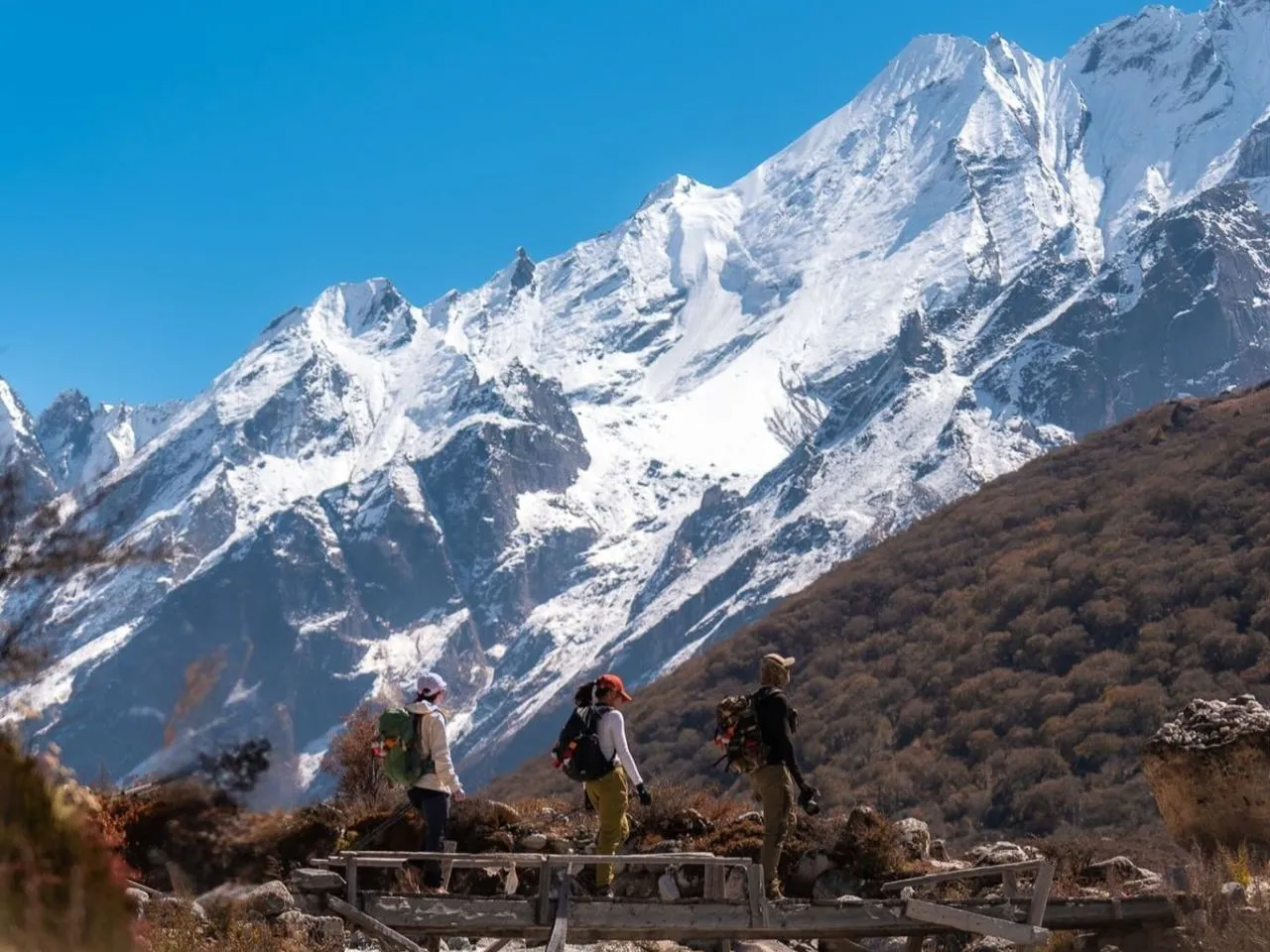
Langtang Luxury Trek – 10 Days
Langtang Luxury Trek – 10 Days
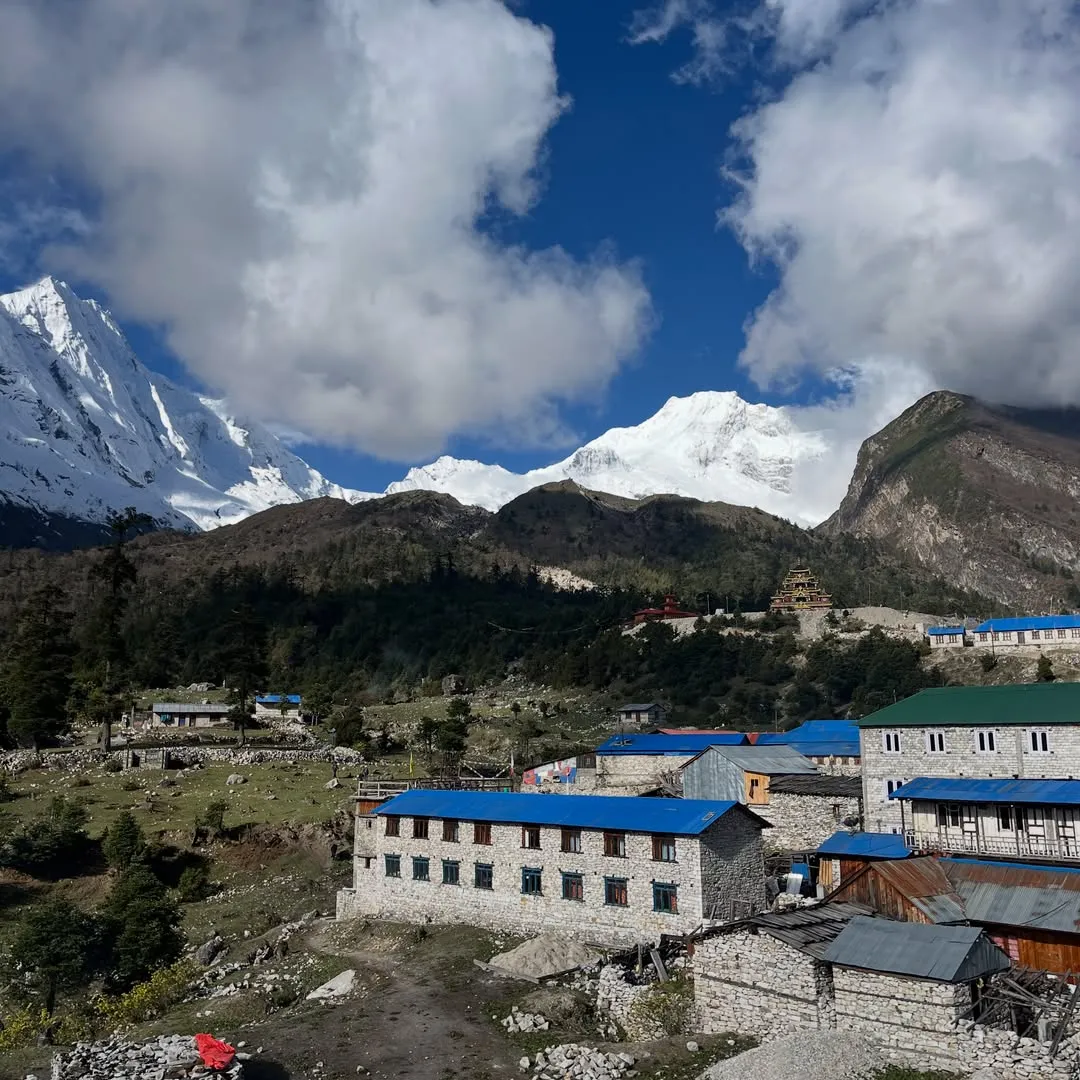
Manaslu Family Trek – 12 Days
Manaslu Family Trek – 12 Days
Manaslu Luxury Trek – 14 Days
Manaslu Luxury Trek – 14 Days

Manaslu Photography Trek – 17 Days
Manaslu Photography Trek – 17 Days
 English
 Deutsch
 Svenska
 Dansk
Dansk Русский
 Français
 Português
 Español
 Polski
 简体中文
简体中文 日本語
日本語 ไทย
ไทย العربية
 한국어
한국어