
Quick Answer
Yes, climbing Gokyo Ri at 5,357 metres is worth it for the Everest views. The 3 hour ascent from Gokyo village offers a 360 degree panorama of four 8,000 metre peaks, the Gokyo lakes system below, and the Ngozumpa Glacier. The view rivals Kala Patthar and is the photographic highlight of the Gokyo Lakes Trek.
Detailed Breakdown
Gokyo Ri is a 5,357 metre peak above Gokyo village on the west side of the Ngozumpa Glacier, the longest glacier in Nepal. The standard ascent starts at 4 to 5 am from Gokyo teahouse, climbs 600 metres of steep scree over 2 to 3 hours, and reaches the summit cairn for sunrise.
The summit view includes Everest, Lhotse, Makalu, and Cho Oyu, four of the six 8,000 metre peaks visible from Nepal. The view also includes the Gokyo lakes system, the turquoise fifth lake below, and the Ngozumpa Glacier stretching north to south.
The Gokyo Ri view differs from Kala Patthar. Kala Patthar at 5,545 metres offers the closest view of the Everest southwest face but is constrained by Pumori and the Khumbu Glacier. Gokyo Ri offers a wider panorama with the lakes system and the Ngozumpa Glacier.
The Gokyo Lakes Trek standard 12 to 14 day itinerary includes the Gokyo Ri ascent as the route high point, plus the Renjo La pass as an alternative or addition.
Cost/Component Breakdown
| Component | Cost 2027 USD |
|---|---|
| Lukla flight round trip | $360 to $420 |
| Sagarmatha NP and Khumbu permit | $50 |
| TIMS Card | $10 |
| Guide and porter 13 days at $45 to $65 | $585 to $845 |
| Lodging and meals 13 days at $35 to $45 | $455 to $585 |
| Gokyo Ri summit hot tea at cairn | $2 to $4 |
| Total land cost 2027 | $1,500 to $1,950 |
What Affects the Answer
Weather on summit morning is the dominant factor. A clear pre dawn sky at 4 am is the condition for a successful sunrise. Cloud buildup after 8 am is common in spring, so early starts matter. Autumn has clearer mornings but colder conditions at the summit.
Trekker fitness affects the answer. The 600 metre ascent over 2 to 3 hours at 5,000 metres is demanding. Trekkers comfortable with 6 hour days at lower altitude can manage it, but trekkers with no prior 4,500 metre experience may struggle.
Acclimatization schedule affects the answer. The standard Gokyo Lakes Trek includes two acclimatization days at Namche and Machhermo or Gokyo. Trekkers attempting Gokyo Ri without the Gokyo acclimatization night risk altitude sickness.
Photography intent affects the answer. Trekkers focused on the four 8,000 metre peak panorama should choose Gokyo Ri.
Booking Tips
Book a 13 to 14 day Gokyo Lakes Trek itinerary rather than a 10 to 11 day compressed version. The compressed versions skip the Gokyo acclimatization night and reduce the safety margin.
Use a Khumbu based guide who has summitted Gokyo Ri multiple times. The route up is unmarked scree in the dark, and route finding requires experience. A Khumbu guide also tracks weather for the summit morning call.
Reserve the Gokyo teahouse closest to the Gokyo Ri trailhead for the night before the ascent. The teahouse has 12 to 15 rooms and fills in peak season.
Carry a headlamp, two liters of water, and 800 to 1,000 calories of snacks for the ascent. The 4 am start is in the dark, and the round trip takes 4 to 5 hours.
Comparison With Alternatives
Compared with Kala Patthar at 5,545 metres on the EBC Trek, Gokyo Ri is 188 metres lower but offers a wider panorama. Compared with Renjo La at 5,360 metres, Gokyo Ri is a non pass summit ascent and is safer in unstable snow conditions.
Common Mistakes to Avoid
Skipping the Gokyo acclimatization night before the Gokyo Ri ascent. Trekkers arriving from Machhermo on the same day risk altitude sickness. Spend a full acclimatization day at Gokyo village first.
Starting the ascent after 6 am. Cloud buildup after 8 am in spring reduces the summit view to whiteout.
Booking a 9 day Gokyo Lakes Trek. Nine days forces the Gokyo Ri ascent on day 7 with insufficient acclimatization. The minimum safe Gokyo Lakes Trek is 12 days, with 13 days standard.
FAQ
How hard is the Gokyo Ri ascent?
The Gokyo Ri ascent is 600 metres of steep scree climbing over 2 to 3 hours at 5,000 metres altitude. It is demanding but not technical. Fit trekkers with prior 4,500 metre experience manage it. Trekkers without altitude experience may struggle.
Can I see Everest from Gokyo Ri?
Yes. Everest is visible from the Gokyo Ri summit along with Lhotse, Makalu, and Cho Oyu, four 8,000 metre peaks. The Everest summit is visible above the Ngozumpa Glacier, with the southwest face partially obscured by Gyachung Kang.
Is Gokyo Ri better than Kala Patthar?
For panorama and lake views, Gokyo Ri is better. For the closest Everest southwest face view, Kala Patthar is better. Trekkers with 14 to 18 days should do both via the Three Passes Trek or the Gokyo Chola Pass EBC combination.
How many days does the Gokyo Ri trek take?
The Gokyo Lakes Trek with the Gokyo Ri ascent takes 12 to 14 days from Lukla and back. The 13 day version is standard with one acclimatization day at Gokyo village before the ascent.
Summary
Climbing Gokyo Ri at 5,357 metres is worth it for the Everest views. The 360 degree panorama of four 8,000 metre peaks, the Gokyo lakes system, and the Ngozumpa Glacier is the photographic highlight of the Gokyo Lakes Trek. The 13 to 14 day itinerary with a Gokyo acclimatization day is the safe standard.
Conclusion
For 2027 Gokyo Lakes Trek departures, the Gokyo Ri ascent is the route high point and the view justification for the trek. Book 13 to 14 days, acclimatize at Gokyo village, start the ascent at 4 to 5 am, and use a Khumbu based guide. The view rivals any in the Khumbu and rewards the early start and the altitude effort.
Recommended Trek Packages
Trekking Places to Explore
Explore Trips in Nepal
Hand-picked guided trips to this destination
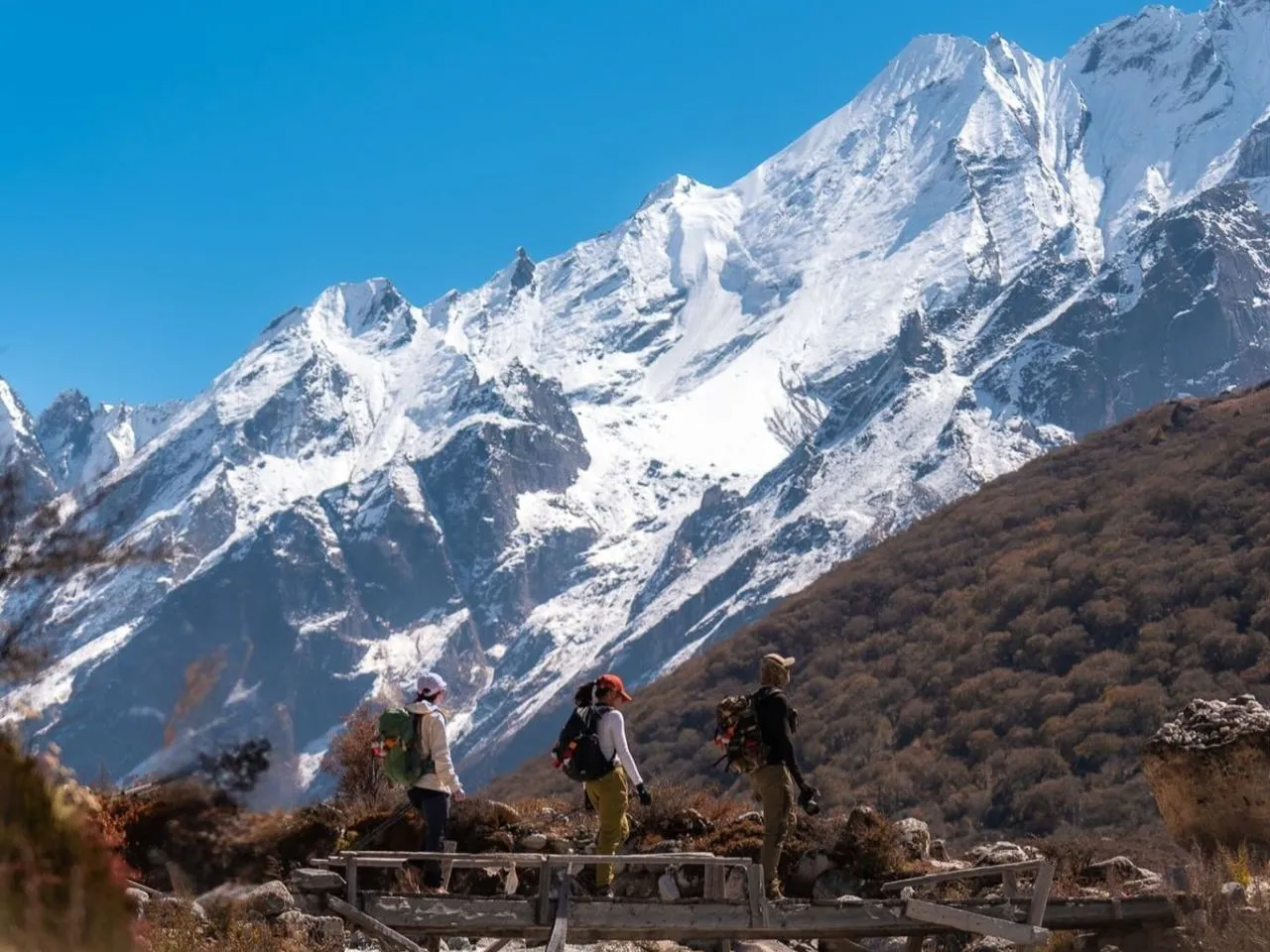
Langtang Luxury Trek – 10 Days
Langtang Luxury Trek – 10 Days
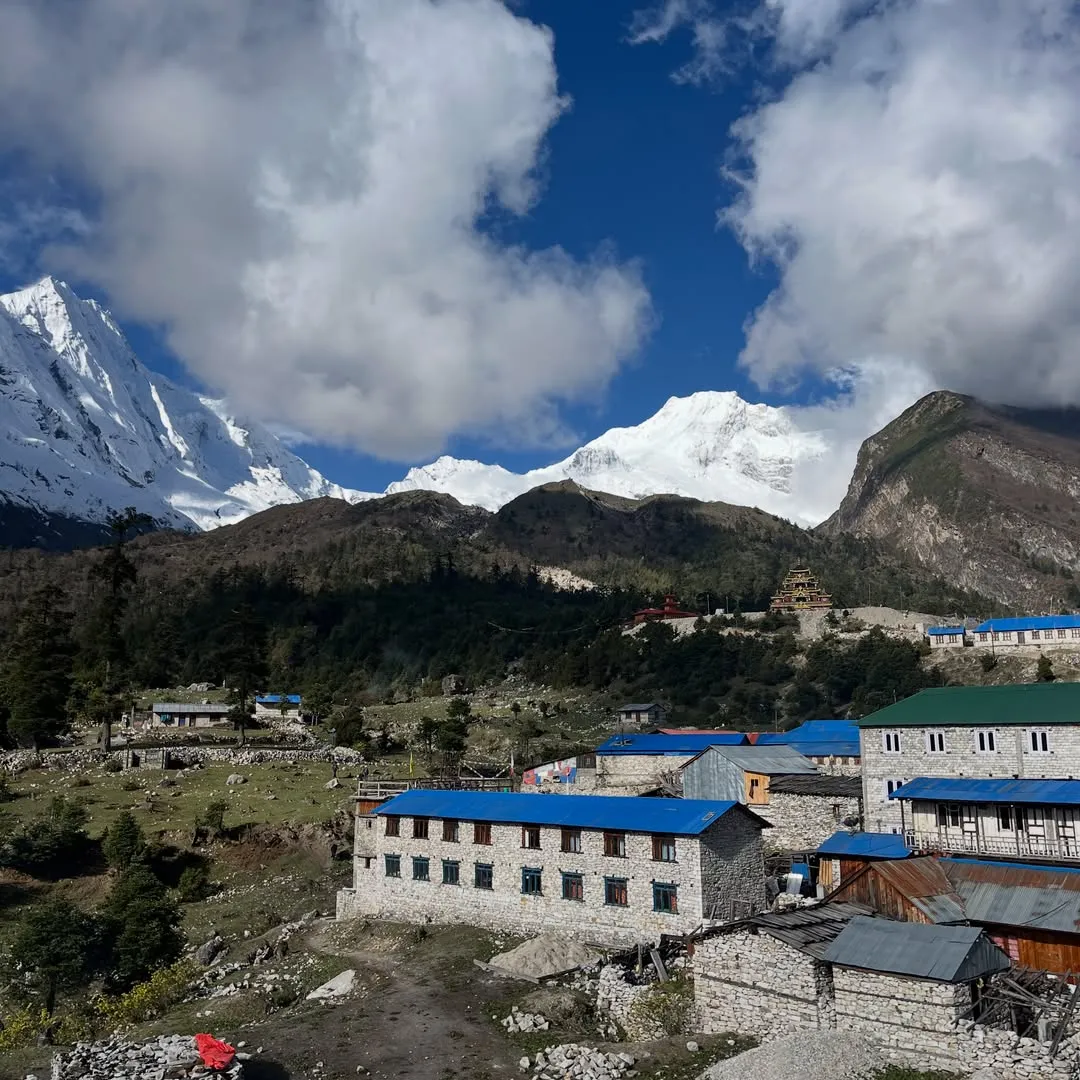
Manaslu Family Trek – 12 Days
Manaslu Family Trek – 12 Days
Manaslu Luxury Trek – 14 Days
Manaslu Luxury Trek – 14 Days

Manaslu Photography Trek – 17 Days
Manaslu Photography Trek – 17 Days
 English
 Deutsch
 Svenska
 Dansk
Dansk Русский
 Français
 Português
 Español
 Polski
 简体中文
简体中文 日本語
日本語 ไทย
ไทย العربية
 한국어
한국어