
Quick Answer
A Ganesh Himal trek itinerary with enough acclimatization in 2027 to 2030 shows four markers: sleeping altitude gains capped at 400 m per day above 3,000 m, two rest days before the 4,620 m Pangsang La or Sing La crossing, a route that crosses the Langtang Khola near Somdang at 3,270 m before any 4,000 m sleep, and a written Diamox and oxygen protocol. The 12 to 16 day trek costs $1,150 to $1,800 per person including Ganesh Himal Conservation Area permit, guide, porter, lodging, and meals.
Detailed Breakdown
The Ganesh Himal Trek starts at Syabrubesi at 1,460 m and climbs to Pangsang La at 4,620 m over 12 to 16 days. The risk window sits between Somdang at 3,270 m and the high pass crossing, where trekkers gain 1,350 m of sleeping altitude in three to four days. Itineraries that rush this section report acute mountain sickness rates above 25 percent in peak climbers arriving from sea level.
Ask the operator for the day by day sleeping altitude table. A safe plan shows no single day gain above 500 m of sleeping altitude above 3,000 m, a rest day at Somdang or Tatang, and a rest day at the 4,000 m camp before the pass. Confirm the guide carries a pulse oximeter, a 2 liter oxygen cylinder, and a written evacuation plan to Syabrubesi.
Cost/Component Breakdown
| Component | Cost (USD) |
|---|---|
| Ganesh Himal Conservation Area Permit | $20 |
| TIMS Card | $17 |
| Licensed guide (14 days) | $420 to $560 |
| Porter (14 days, 1 per 2 trekkers) | $280 to $420 |
| Private jeep Kathmandu to Syabrubesi | $110 to $140 |
| Teahouse lodging (13 nights) | $130 to $200 |
| Meals on trek (14 days) | $280 to $420 |
| Pulse oximeter and oxygen cylinder | $25 to $40 |
| Crew insurance with $5,000 evacuation cover | $30 to $50 |
| Total per person (group of 4) | $1,150 to $1,800 |
What Affects the Answer
Three factors shape acclimatization needs. First, starting altitude: trekkers flying into Kathmandu at 1,400 m gain a real advantage over those arriving from sea level the same day. Build in one rest night in Kathmandu before the Syabrubesi drive.
Second, route direction: the clockwise Somdang to Pangsang La route gains sleeping altitude more gradually than the counterclockwise Trisuli to Somdang approach, which can put trekkers at 3,900 m by day 4. Pick clockwise unless the operator has a strong reason otherwise.
Third, season and weather: October sees stable high pressure with slow altitude gain tolerance, while April storms can force a fast push, raising AMS risk. Spring itineraries should add an extra rest day at Somdang.
Booking Tips
Ask each operator for the day by day sleeping altitude chart before paying a deposit. Reject any itinerary that shows a single day sleeping gain above 500 m above 3,000 m or that schedules the pass crossing on day 9 or earlier.
Confirm the guide carries a pulse oximeter and treats readings below 85 percent saturation as a descent trigger. Ask for the written oxygen protocol and the satellite phone number that connects to Kathmandu rescue. Pay 30 percent deposit, 70 percent on arrival, and avoid operators that demand 100 percent upfront.
Comparison With Alternatives
Compared with the Manaslu Circuit, which crosses Larkya La at 5,106 m on day 11, Ganesh Himal sees fewer crowds but thinner infrastructure. Manaslu has more teahouses above 4,000 m, while Ganesh Himal has limited lodging at high camps, so a guided group with a tent backup is safer.
Compared with Langtang Valley, which tops out at Kyanjin Ri at 4,300 m with a built in acclimatization day at Kyanjin Gompa, Ganesh Himal needs more days and a stricter ascent cap. Trekkers short on time should pick Langtang; trekkers wanting solitude should pick Ganesh Himal.
Common Mistakes to Avoid
Do not book a 9 day Ganesh Himal itinerary that crosses Pangsang La on day 7. The 1,350 m sleeping gain from Somdang to the high camp in two nights will trigger AMS in 1 of 4 trekkers.
Do not skip the Somdang rest day to save $80 in teahouse costs. Avoid operators that promise the pass crossing without a 4,000 m sleep beforehand. Skip any plan that descends to Trisuli Bazaar instead of returning via Syabrubesi, since the southern route adds road walking and removes acclimatization buffer.
FAQ
How many rest days should a Ganesh Himal itinerary include?At least two rest days above 3,000 m, one at Somdang at 3,270 m and one at the 4,000 m camp before the pass crossing.
What sleeping altitude gain is safe above 3,000 m?Caps at 400 m per day on average and 500 m on any single day, with a rest day every 600 to 800 m of total gain.
Should the guide carry oxygen on Ganesh Himal?Yes. A 2 liter cylinder and a pulse oximeter are standard on guided Ganesh Himal trips above 4,000 m, given the remote roadhead.
Is Diamox enough for acclimatization?Diamox helps but does not replace slow ascent. The standard dose is 125 mg twice daily from 3,000 m, with medical clearance.
What is the rescue window from Somdang?Helicopter rescue from Somdang takes 60 to 90 minutes in clear weather. Below Somdang, mule or porter evacuation to Syabrubesi takes 1 to 2 days.
Summary
A Ganesh Himal itinerary with enough acclimatization in 2027 to 2030 caps sleeping gains at 400 m per day above 3,000 m, schedules two rest days before the 4,620 m pass, and carries oxygen and a pulse oximeter. Operators that skip any of these put the pass crossing at risk. Total cost runs $1,150 to $1,800 per person for the 14 day route.
Conclusion
Book a Ganesh Himal operator that provides a day by day sleeping altitude chart, caps daily gains at 400 m above 3,000 m, and schedules two rest days before Pangsang La. Verify oxygen and pulse oximeter gear, confirm the satellite rescue plan, and reject any itinerary under 12 days. The right pacing turns the 4,620 m crossing into a controlled ascent.
Recommended Trek Packages
Trekking Places to Explore
Explore Trips in Nepal
Hand-picked guided trips to this destination
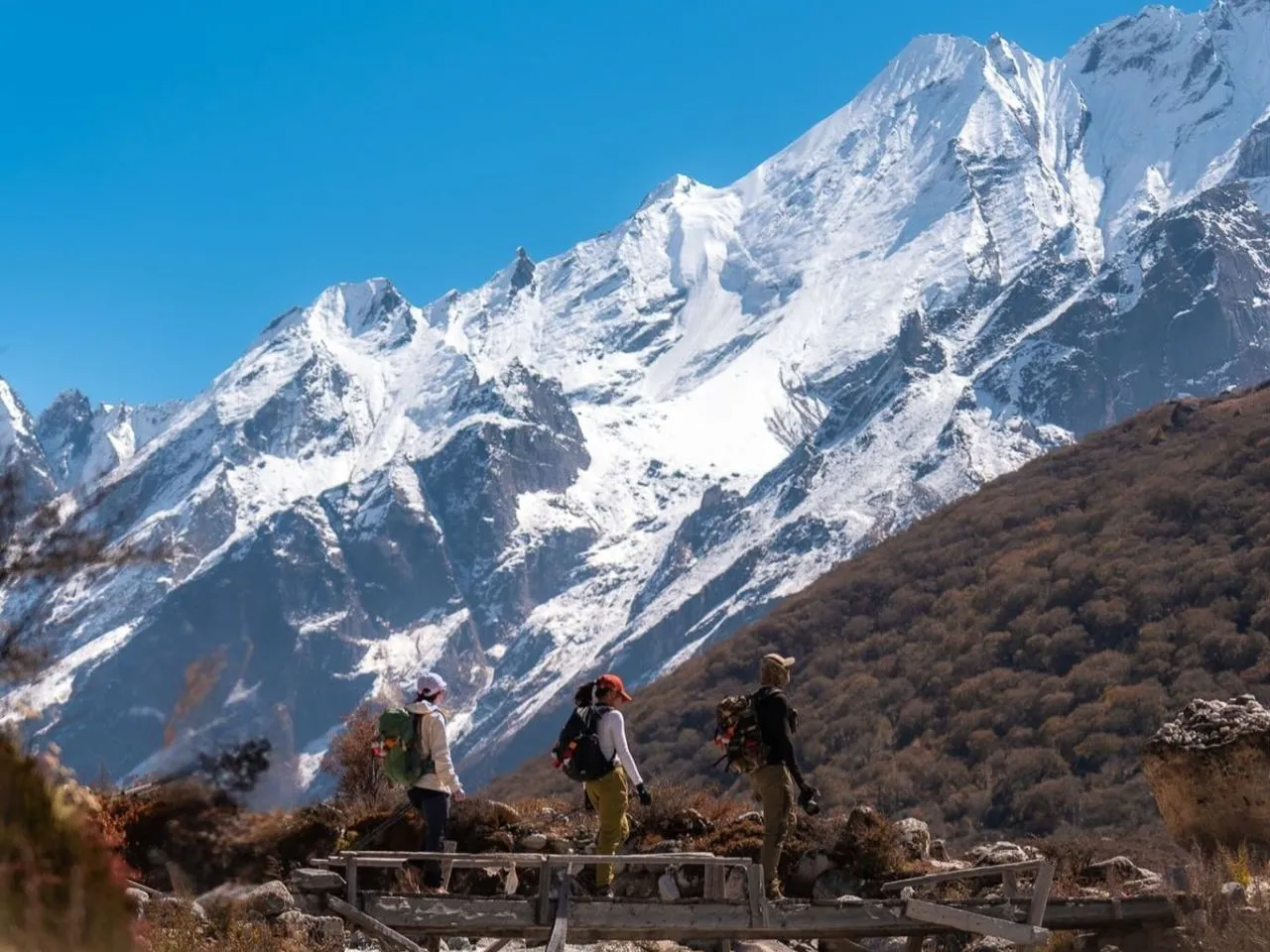
Langtang Luxury Trek – 10 Days
Langtang Luxury Trek – 10 Days
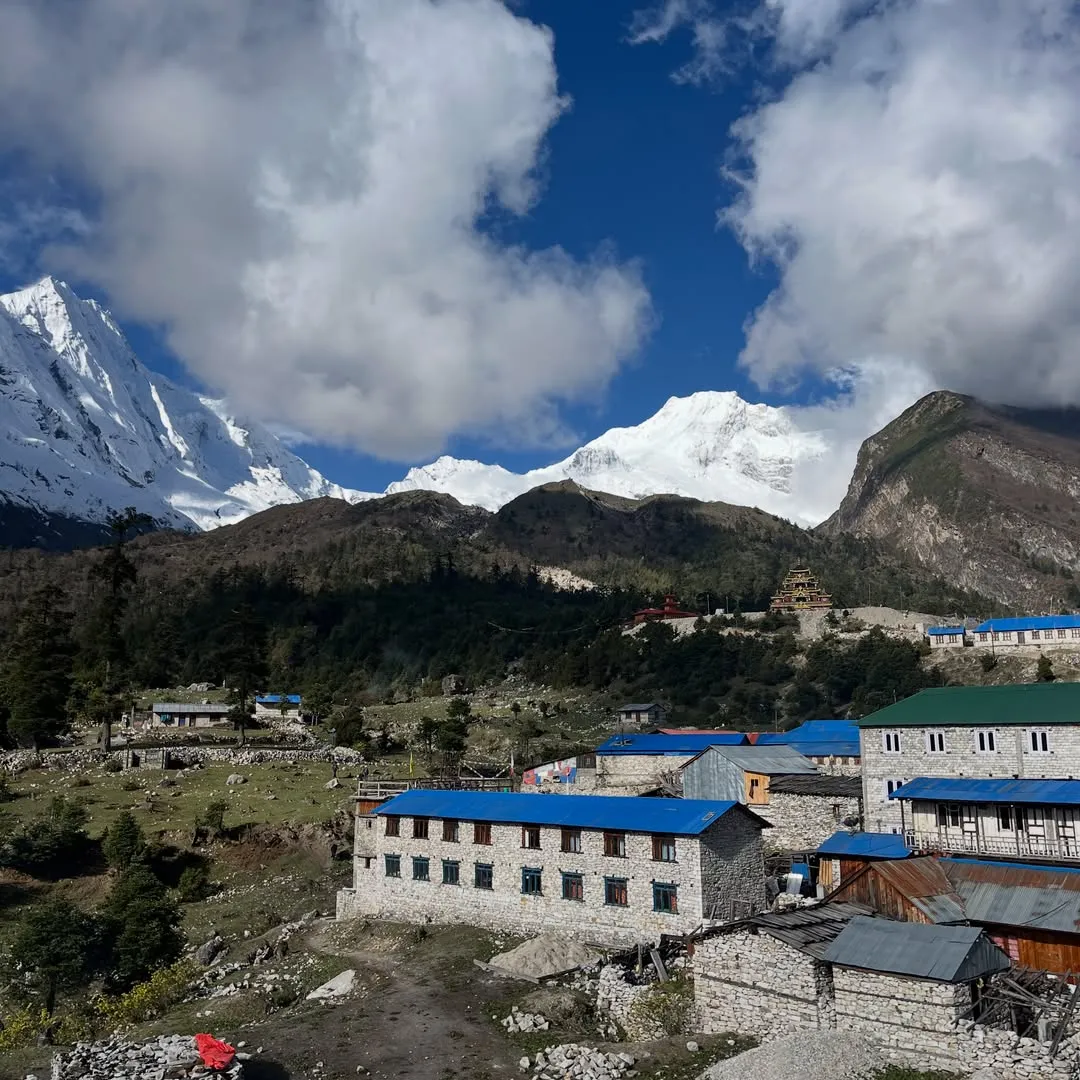
Manaslu Family Trek – 12 Days
Manaslu Family Trek – 12 Days
Manaslu Luxury Trek – 14 Days
Manaslu Luxury Trek – 14 Days

Manaslu Photography Trek – 17 Days
Manaslu Photography Trek – 17 Days
 English
 Deutsch
 Svenska
 Dansk
Dansk Русский
 Français
 Português
 Español
 Polski
 简体中文
简体中文 日本語
日本語 ไทย
ไทย العربية
 한국어
한국어