
빠른 답변
The Kanchenjunga North Base Camp route in 2027 passes through Limbu villages at lower elevations, Tibetan Buddhist villages at Ghunsa and Khambachen, and ends at Pangpema base camp at 5,143 metres. Cultural highlights include Limbu kitchens at Taplejung and Sekathum, Ghunsa monastery at 3,415 metres, and Khambachen yak herder camps at 4,050 metres.
상세 내역
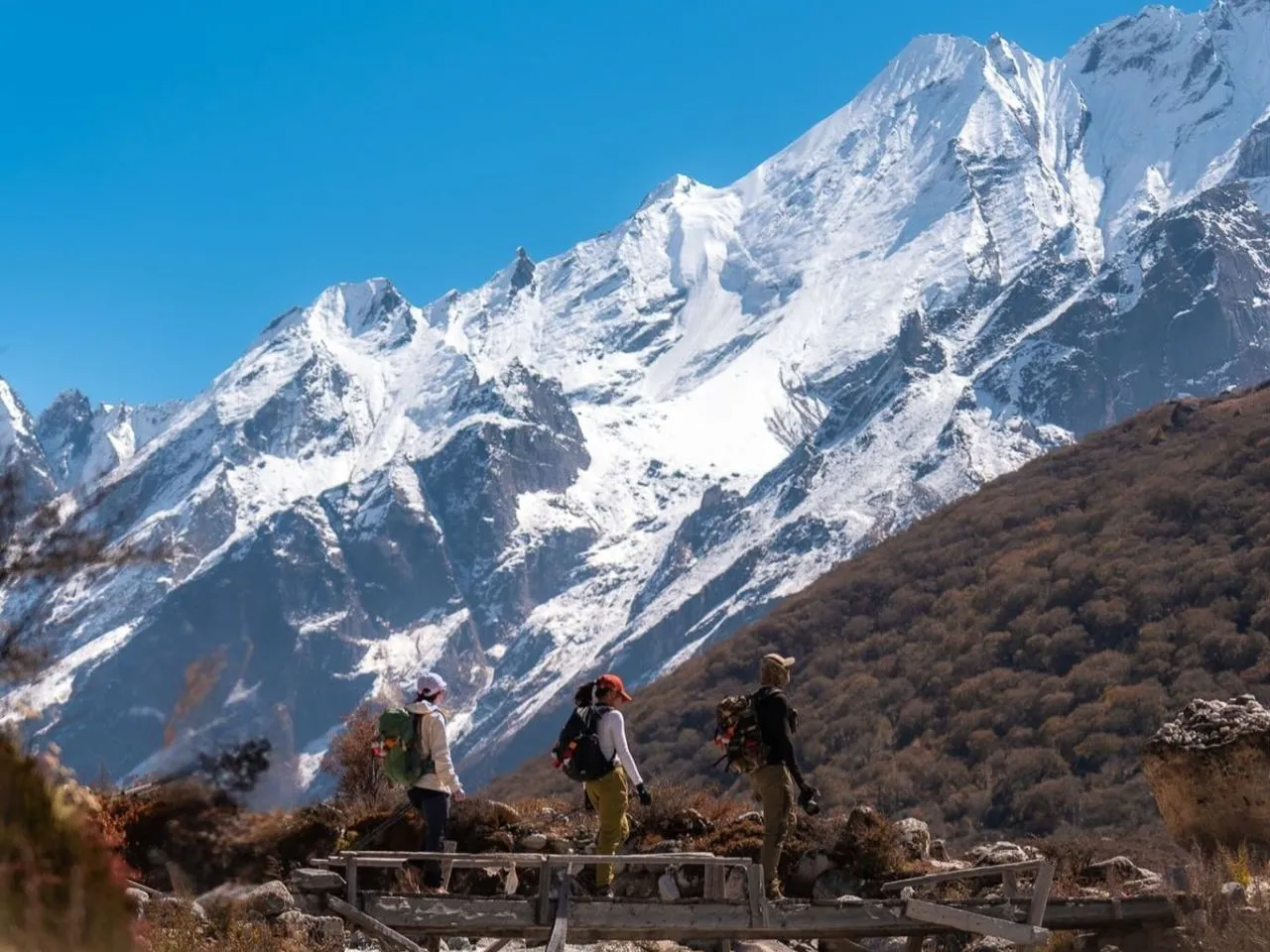
The Kanchenjunga North Base Camp Trek starts at Taplejung in eastern Nepal and follows the Tamur river through the Limbu heartland before climbing the Ghunsa Khola valley to the Tibetan Buddhist cultural zone. The route covers 130 to 150 kilometres over 18 to 22 days, crossing the Limbu, Sherpa, and Tibetan cultural layers.
The Limbu cultural layer covers the first 4 to 6 days from Taplejung to Sekathum. Limbu villages like Sinwa, Tapethok, and Sakathum practice wet rice cultivation on terraced fields and maintain traditional Dhan Nach harvest dances. Teahouses serve local Limbu dal bhat with fermented millet, tongba, and chhurpi cheese.
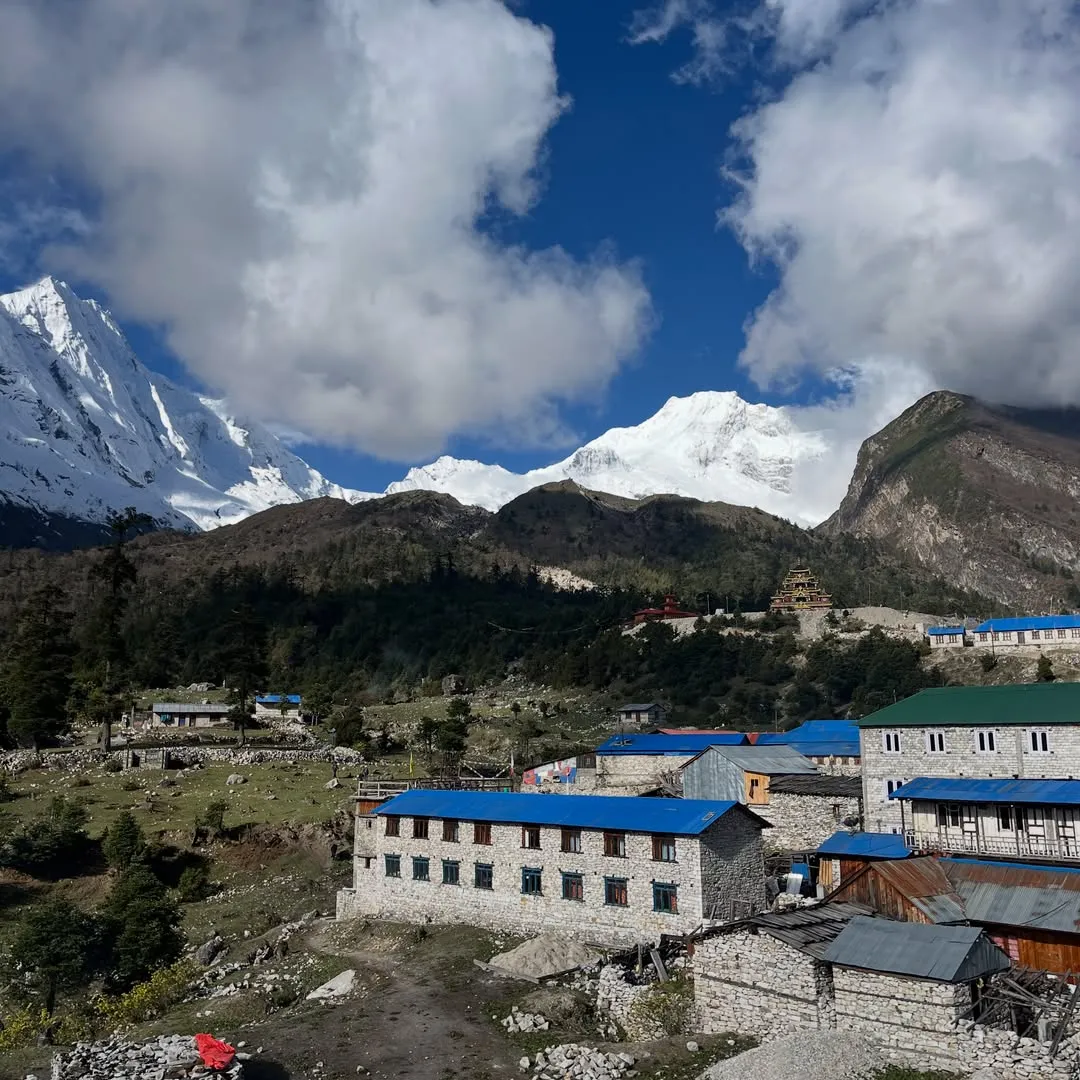
The Sherpa and Tibetan Buddhist layer begins at Ghunsa at 3,415 metres. Ghunsa is the largest Tibetan Buddhist village on the route, with traditional stone houses, a 400 year old monastery, and weekly yak butter lamp ceremonies. Ghunsa is the cultural pivot point where the route shifts from Limbu to Tibetan.
Khambachen at 4,050 metres is the highest permanent village on the route. Yak herder families move here for the summer grazing season from May to October. The village has 12 to 15 stone houses and a small gompa.
Pangpema at 5,143 metres is the north base camp, with stone shelter huts and prayer flag platform. The cultural experience is the climbing and trekking community itself, with Kanchenjunga expeditions camped in spring and autumn.
비용/구성 요소 고장
| Village stop | Altitude | Cultural experience | Cost |
|---|---|---|---|
| Taplejung | 1,820 m | Limbu weekly market | $25 to $35 per night |
| Sinwa and Tapethok | 1,200 to 1,600 m | Limbu kitchens and DAL bhat | $20 to $30 per night |
| Sekathum | 1,660 m | Limbu and Sherpa confluence | $20 to $30 per night |
| 촌서부 | 3,415m | Tibetan Buddhist monastery 400 years | $25 to $35 per night |
| Khambachen | 4,050m | Yak herder summer camps | $25 to $35 per night |
| Pangpema base camp | 5,143 m | Expedition culture | $30 to $40 per night |
답에 영향을 미치는 것
Season matters for cultural access. Spring from March to May sees the Limbu villages in planting season, with weekly markets active and clear trails. Autumn from October to November sees harvest season in Limbu villages and the return of yak herders to Khambachen.
Trekker pace affects cultural engagement. Slow itineraries with rest days at Ghunsa and Khambachen allow monastery visits and kitchen meals. Fast itineraries miss the cultural layer.
Local Limbu guides know the village families and can arrange kitchen meals and monastery visits. Non-local guides provide standard teahouse service only.
Permits require the Restricted Area Permit at $10 per week plus the Kanchenjunga Conservation Area entry at $25, both arranged by the operator.
예약 팁
Book through a Taplejung-based or Kathmandu operator with local Limbu guides. Local guides arrange kitchen meals at Sinwa and Tapethok that standard teahouse service cannot. Ask for a guide who speaks Limbu and Sherpa.
Reserve a rest day at Ghunsa for the monastery visit. The 400 year old monastery holds weekly ceremonies on Saturday mornings. Trekkers can attend with a small donation.
Carry small denomination Nepali rupees for cultural exchange. Yak herders at Khambachen sell chhurpi cheese and yak curd for 200 to 400 rupees per portion.
Plan a half day at Taplejung market on arrival. The Saturday market draws Limbu villagers from surrounding areas and is the best introduction to Limbu culture on the route.
대안과의 비교
Compared with the Kanchenjunga South Base Camp route, the north route has more Tibetan Buddhist village depth at Ghunsa and Khambachen. The south route passes through more Limbu villages but has no Ghunsa monastery equivalent.
피해야 할 일반적인 실수
Skipping the Taplejung market day. Trekkers who fly in and start walking immediately miss the Limbu cultural introduction. Arrive Friday, visit market Saturday, start walking Sunday.
Walking through Ghunsa without a monastery visit. The 400 year old monastery is one of the most important cultural sites on the route. Schedule the visit for Saturday morning ceremony.
Booking a fast 18 day itinerary. The cultural depth of Ghunsa and Khambachen requires a 20 to 22 day itinerary with rest days. Rushing through misses the experience.
자주 묻는 질문
What villages are on the Kanchenjunga North Base Camp route?
The Kanchenjunga North Base Camp route passes through Taplejung, Sinwa, Tapethok, Sekathum, Ghunsa, Khambachen, and Pangpema base camp, with Limbu villages at lower elevations and Tibetan Buddhist villages at Ghunsa and Khambachen.
What is the main cultural highlight of the Kanchenjunga North route?
The main cultural highlight is the 400 year old Ghunsa monastery at 3,415 metres, with weekly Saturday morning yak butter lamp ceremonies. The Limbu kitchen meals at Sinwa and Tapethok are the second highlight.
What cultural experiences are at Khambachen?
Khambachen at 4,050 metres is the highest permanent village on the route, with 12 to 15 stone houses and a small gompa. Yak herder families move here from May to October and sell chhurpi cheese and yak curd to trekkers.
Which season is best for Kanchenjunga North cultural experiences?
October and November for harvest season in Limbu villages and the return of yak herders to Khambachen. March to May for planting season and active weekly markets. Avoid June to September for monsoon.
요약
The Kanchenjunga North Base Camp route in 2027 offers a layered cultural experience from Limbu villages at Taplejung to Tibetan Buddhist villages at Ghunsa and Khambachen to expedition culture at Pangpema base camp. Plan 20 to 22 days for cultural depth, with rest days at Ghunsa and Khambachen.
결론
For culture-focused trekkers in 2027, the Kanchenjunga North Base Camp route is the most rewarding of the Kanchenjunga options. The Limbu to Tibetan Buddhist transition is the cultural signature, with the Ghunsa monastery and Khambachen yak herders as the highlights.
추천 트레킹 패키지
탐험할 트레킹 장소
Explore Trips in Nepal
Hand-picked guided trips to this destination

 English
 Deutsch
 Svenska
 Dansk
Dansk Русский
 Français
 Português
 Español
 Polski
 简体中文
简体中文 日本語
日本語 ไทย
ไทย العربية
 한국어
한국어