
迅速な答え
Before booking a Mera Peak climb in 2027 or 2028, review seven items in the final itinerary: the number of acclimatization days above 4,000m, the Khare rest day before base camp, summit day start time and turn-around time, climbing guide credentials and NMA license, fixed rope sections on the Mera La to high camp route, contingency days for weather, and whether a high-altitude porter is included for gear carry above 5,000m.
詳細な内訳
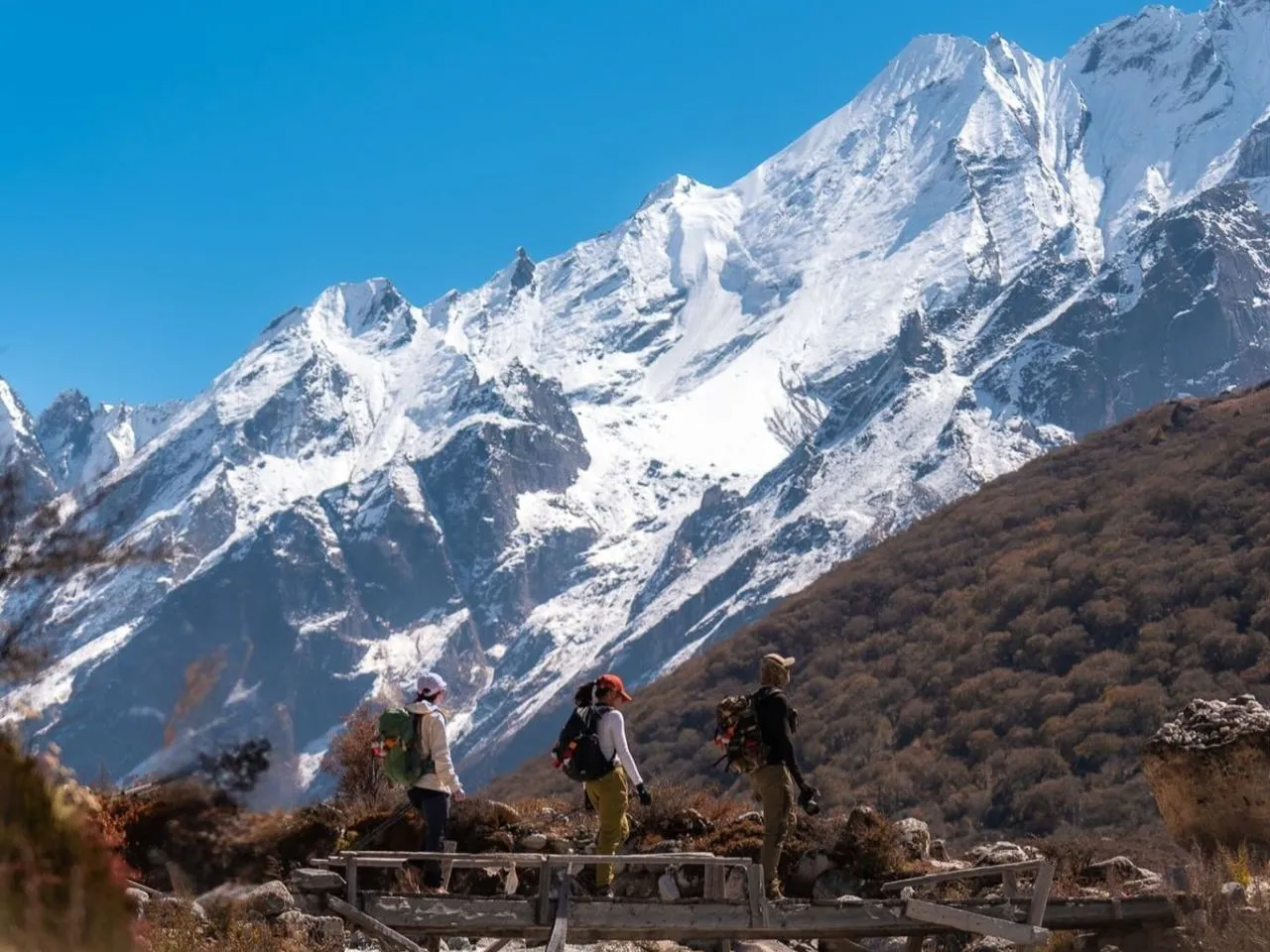
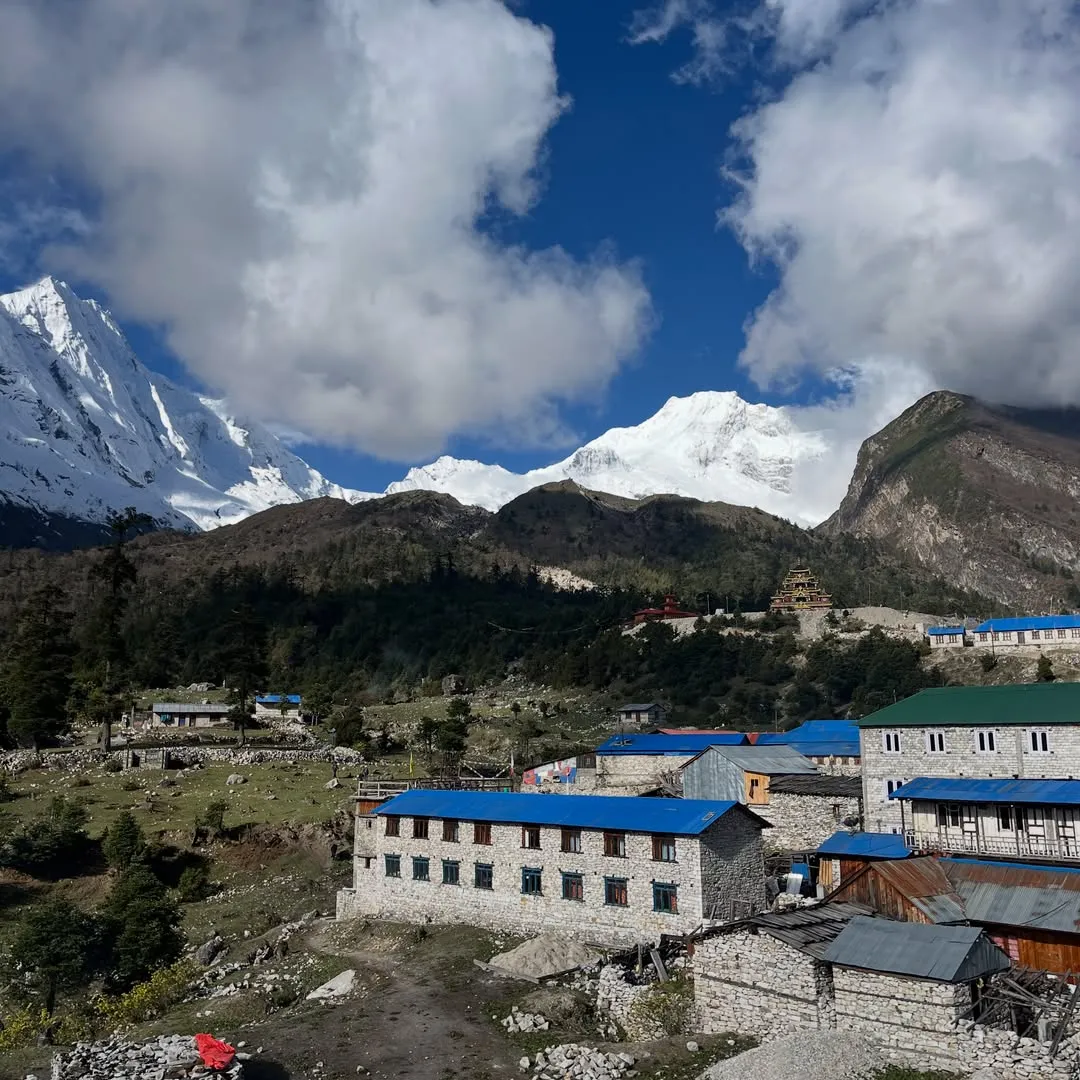
Mera Peak at 6,476m is Nepal's highest trekking peak and requires a climbing permit from the Nepal Mountaineering Association. The standard itinerary flies into Lukla, treks south through the Hinku Valley via Paiya, Pangkongma and Ningsow to Thagnak, crosses Mera La at 5,415m to base camp, climbs to high camp at 5,780m, and summits on day 14 or 15 before descending to Khare and out via the same route.
The critical review points are the altitude pacing, the climbing guide's mountaineering credentials, and the contingency days. A 16-day itinerary with no contingency is risky because Lukla flights cancel 15 percent of the time in shoulder season. A 20-day itinerary with two contingency days and an extra acclimatization day at Khare is far safer.
コスト/コンポーネントの内訳
| コンポーネント | 費用 (USD) | 注意事項 |
|---|---|---|
| Mera Peak Climbing Permit (NMA) | $250 per person | 春秋 |
| サガルマーサ国立公園の許可証 | $30 | 必須 |
| クンブ パサン ラム パーミット | $20 | 必須 |
| ティムズカード | $10 | 必須 |
| Climbing guide (NMA licensed) | $45 to $55 per day | Higher than trekking guide |
| High-altitude porter | 1日あたり$25~$30 | Carries group gear above 5,000m |
| 固定ロープとアンカーギア | $200 to $300 per group | Rent or include |
| Base camp tent and mess | グループごとに $300 ~ $500 | Required above Mera La |
| ルクラ往復フライト | $360 ~ $420 | Book early |
| Insurance with helicopter rescue to 6,500m | $150 ~ $250 | 必須 |
答えに影響するもの
Season is the biggest variable. Spring (March to May) is the climbing season with the best snow conditions on the summit pyramid. Autumn (October to November) is colder but offers clearer views. Winter ascents are possible but require more technical gear and a stronger team.
Group fitness and prior altitude experience also affect the itinerary. Trekkers who have been to 5,500m before can compress the acclimatization. First-timers above 5,000m need an extra day at Khare. The route choice also matters, since the standard northern route is non-technical while the central route requires a short fixed rope section.
予約のヒント/実践的なアドバイス
Ask for the climbing guide's NMA license number and verify it on the NMA website. A licensed climbing guide has completed mountaineering training and is authorized to lead peak climbs. A trekking guide license is not sufficient for Mera Peak. Confirm the guide ratio, which should be 1 guide per 3 climbers maximum.
Verify that the package includes fixed rope, ice axe, crampons and harness for each climber. These can be rented in Kathmandu for $80 to $120 per set, but a good package includes them. Confirm the contingency days are built into the itinerary, not billed as extras. Build 3 buffer days in Kathmandu for Lukla flight delays.
代替案との比較
Island Peak at 6,189m costs $1,800 to $2,800 for 14 to 18 days and includes a fixed rope section on the headwall. It is more technical than Mera and a good alternative for trekkers who want a real climb. Lobuche East at 6,119m costs $2,000 to $3,000 for 14 to 16 days and is the most technical of the three trekking peaks.
Mera Peak is the best first 6,000m peak because the standard route is non-technical. It is also the highest, which makes acclimatization more critical. If you have climbed Island Peak or Lobuche before, Mera is a logical next step. If you are a first-timer above 6,000m, Mera is the right choice.
避けるべきよくある間違い
The biggest mistake is booking a 16-day itinerary with no contingency days. Lukla weather cancellations are common, and a delayed inbound flight can collapse the summit window. Another mistake is underestimating the descent from high camp to Khare in a single day, which is 1,200m of descent and exhausting.
Do not accept a package that lists a trekking guide for the summit push. Mera requires a licensed climbing guide with mountaineering experience. Also avoid packages that skip the high camp night and go straight from base camp to summit, which is a 1,300m push that almost guarantees altitude sickness.
よくある質問
以前のクライミングの経験が必要ですか?
No, but you need to be comfortable walking in crampons and using a jumar on fixed rope. A 2-day pre-trip training in Kathmandu is included in good packages.
サミットの日はどんな感じですか?
Start at 2am from high camp, summit by 8 to 10am, descend to high camp by 1pm, then to base camp or Khare by 5pm. Total 12 to 14 hours.
Can I combine Mera with Island Peak?
Yes, with a 22 to 25 day itinerary at $3,500 to $5,000 per person. The crossing via Amphu Labtsa is technical and requires a climbing guide.
Is helicopter rescue reliable from Mera?
Yes, but only from Khare or below. Above Mera La, rescue is by foot or stretcher. Insurance must cover 6,500m altitude.
まとめ
Review seven items before booking Mera Peak: acclimatization days, Khare rest, summit day timing, climbing guide NMA license, fixed rope sections, contingency days, and high-altitude porter inclusion. A 20-day itinerary with 2 contingency days is safer than a 16-day rush. Verify climbing gear is included.
結論
Mera Peak is Nepal's best first 6,000m climb, but only with a well-paced itinerary and a licensed climbing guide. Pay for contingency days, verify the NMA license, and build buffer time for Lukla weather. The right package makes the difference between a successful summit and a rescue.
推奨されるトレッキング パッケージ
探索するトレッキング場所
Explore Trips in Nepal
Hand-picked guided trips to this destination

 English
 Deutsch
 Svenska
 Dansk
Dansk Русский
 Français
 Português
 Español
 Polski
 简体中文
简体中文 日本語
日本語 ไทย
ไทย العربية
 한국어
한국어