
réponse rapide
Ruby Valley Trek stands out for three cultural layers: Tamang shamanic Bön traditions in the lower valley, Gurung and Ghale animist village culture in the middle, and Tibetan Buddhist influence in the upper Ganesh Himal approaches. Trekkers sleep in homestays not teahouses, meet Jhakri shamans, see traditional water mills called ghatta, and witness harvest dances in October. The route runs 8 to 12 days from Syabrubesi or Dhading Besi, sees fewer than 1,500 trekkers a year, and offers the most untouched mid hill culture within a day of Kathmandu.
Répartition détaillée
Ruby Valley sits between Langtang and Manaslu in the Ganesh Himal range, north of Dhading district and accessible from both Syabrubesi and Dhading Besi trailheads. The 8 to 12 day trek crosses the Pangsang La at 4,000 m and the Sing La pass at 4,600 m, with sleeping altitudes between 1,500 m and 3,500 m. The cultural depth comes from the ethnic mix: Tamang in the lower valleys, Gurung in the middle, Ghale in the upper, and Tibetan Buddhist influence from the Langtang border.
The Tamang are the largest group. Originally horse traders from Tibet who settled 800 years ago, they practice a syncretic mix of Bön animism, Tibetan Buddhism, and Hinduism. Jhakri shamans conduct healing ceremonies with drums and bells, especially during illness, birth, and harvest. Trekkers can witness a healing ceremony if a family agrees, and this is rare on commercial Nepal treks.
Répartition des coûts/composants
| composante | durée | Coût (USD) |
|---|---|---|
| Guide with Tamang language | 8 à 12 jours | $25 à $35/jour |
| Homestay with meals | 8 to 12 nights | $15 to $25/night |
| Camping gear for pass nights | 2 to 3 nights | $8 to $12/night |
| Permits (Ganesh Himal and TIMS) | N/A | $30 à $50 |
| De Katmandou à Syabrubesi Jeep | 1 jour | $80 to $140 private |
| Dhading Besi to Kathmandu bus | 1 jour | $10 à $20 |
| Shaman ceremony donation | N/A | $10 à $20 |
| Trek au total sur 10 jours | 10 | $450 à $750 |
Qu'est-ce qui affecte la réponse
Itinerary direction is the largest variable. The Syabrubesi to Dhading Besi crossing point gives a Tamang to Gurung to Ghale progression. The Dhading Besi to Syabrubesi reverse gives the opposite. The Pangsang La and Sing La passes add Tibetan Buddhist influence on the upper section. Group size affects homestay allocation: a group of four needs two homestays per village.
Season matters. October sees harvest dances and rice threshing. March and April see Ghale honey hunting on cliff faces. June to September is monsoon with leeches and trail damage. December to February is cold with snow on the passes.
Conseils pour la réservation
Book through a Ganesh Himal specialist operator 6 to 10 weeks ahead. Specify cultural focus when booking so the operator assigns a Tamang speaking guide. Request homestay nights in Tipling, Somdang, and Borang villages. Carry USD 150 in small notes for craft purchases, shaman donations, and homestay extras. Buy Ganesh Himal Conservation Area Permit and TIMS Card in Kathmandu before departure.
Carry a small gift for host families: pencils, postcards of your home country, or simple medical supplies. Avoid giving cash directly to children.
Comparaison avec les alternatives
Tamang Heritage Trail in Langtang offers similar Tamang culture with a more established homestay network but at lower altitude. Helambu Trek offers Sherpa and Hyolmo culture closer to Kathmandu but more commercial. Manaslu Circuit offers Tibetan Buddhist culture in the upper section but with teahouses not homestays. Nar Phu Valley offers pure Tibetan culture but with restricted area permits.
Erreurs courantes à éviter
Booking a teahouse only itinerary is the most common error, missing the homestay cultural layer. Trekking with a non Tamang speaking guide limits village interaction. Photographing a shaman ceremony without permission causes offence and ends the experience.
FAQ
Can I see a shaman ceremony on the Ruby Valley Trek? Yes, if a family agrees. Your guide arranges a small donation of USD 10 to USD 20 to the Jhakri. Photographs are sometimes allowed, always ask first.
Are homestays clean and safe? Yes. Rooms are basic with shared family bathroom. Bedding is provided but a sleeping bag liner is recommended. Food is dal bhat, Tibetan bread, and buckwheat pancakes.
What is the honey hunting season? March to April on the cliff faces near Ghale villages. Documentary groups book 6 months ahead. Solo trekkers may watch if a hunt is scheduled.
Do I need a restricted area permit for Ruby Valley? No. Standard Ganesh Himal Conservation Area Permit and TIMS Card are sufficient. The route is unrestricted.
somm
Ruby Valley Trek offers three cultural layers: Tamang shamanic Bön, Gurung and Ghale animist village life, and Tibetan Buddhist influence from the Langtang border. Homestays replace teahouses, Jhakri shamans conduct healing ceremonies, and traditional water mills grind flour. The route runs 8 to 12 days from Syabrubesi or Dhading Besi with fewer than 1,500 annual trekkers. Book a Ganesh Himal specialist and request homestay nights.
conclusion
Ruby Valley is the cultural sleeper trek of Nepal. Within a day of Kathmandu, trekkers meet Tamang shamans, Ghale honey hunters, Gurung farmers, and Tibetan Buddhist monks in a single 8 to 12 day loop. The homestay model is authentic and intimate, the cost is half of Khumbu teahouses, and the annual visitor count is fewer than 1,500.
Forfaits Trek recommandés
Des lieux de randonnée à explorer
Explore Trips in Nepal
Hand-picked guided trips to this destination
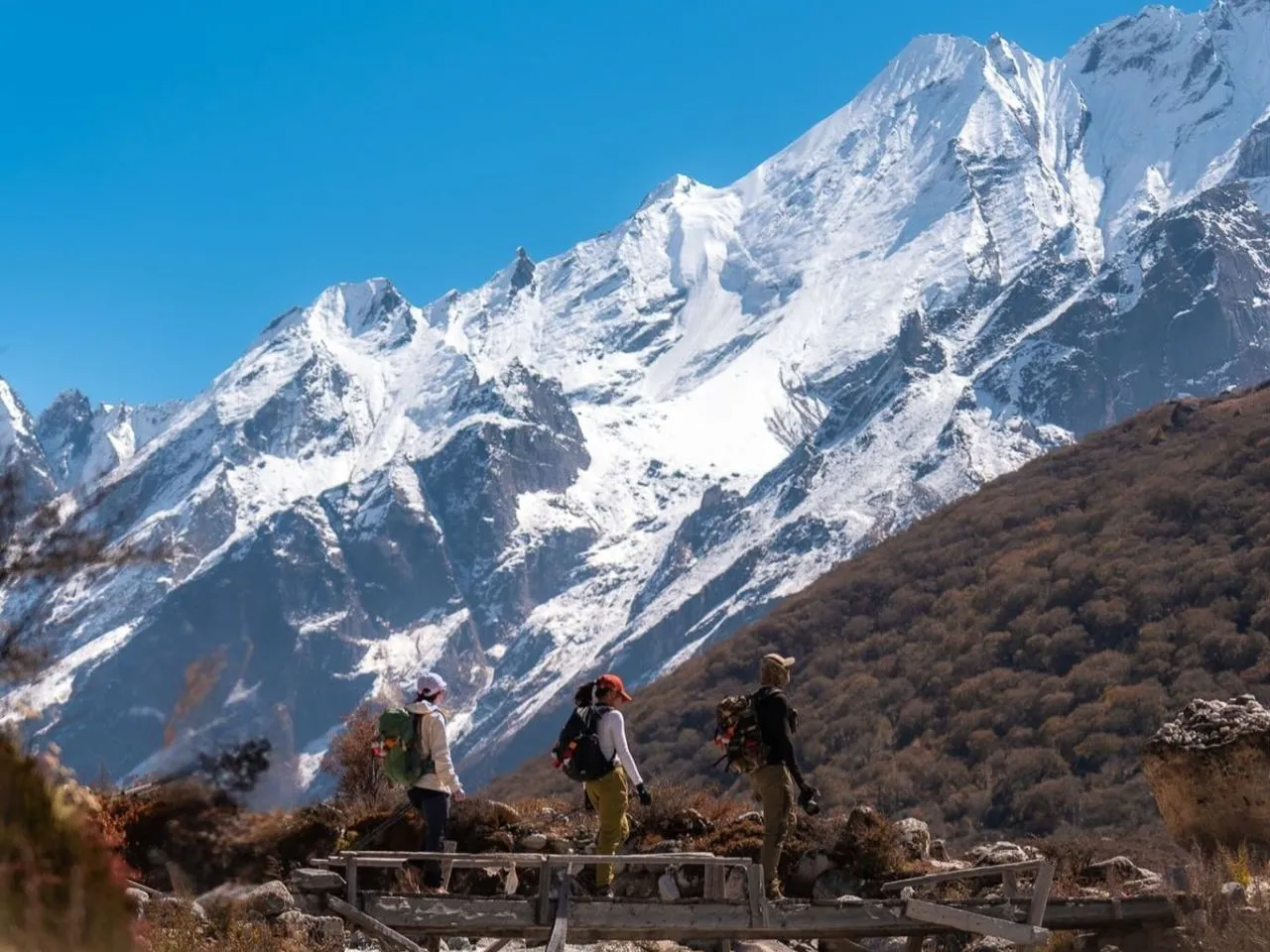
Trek de luxe de Langtang – 10 jours
Trek de luxe de Langtang – 10 jours
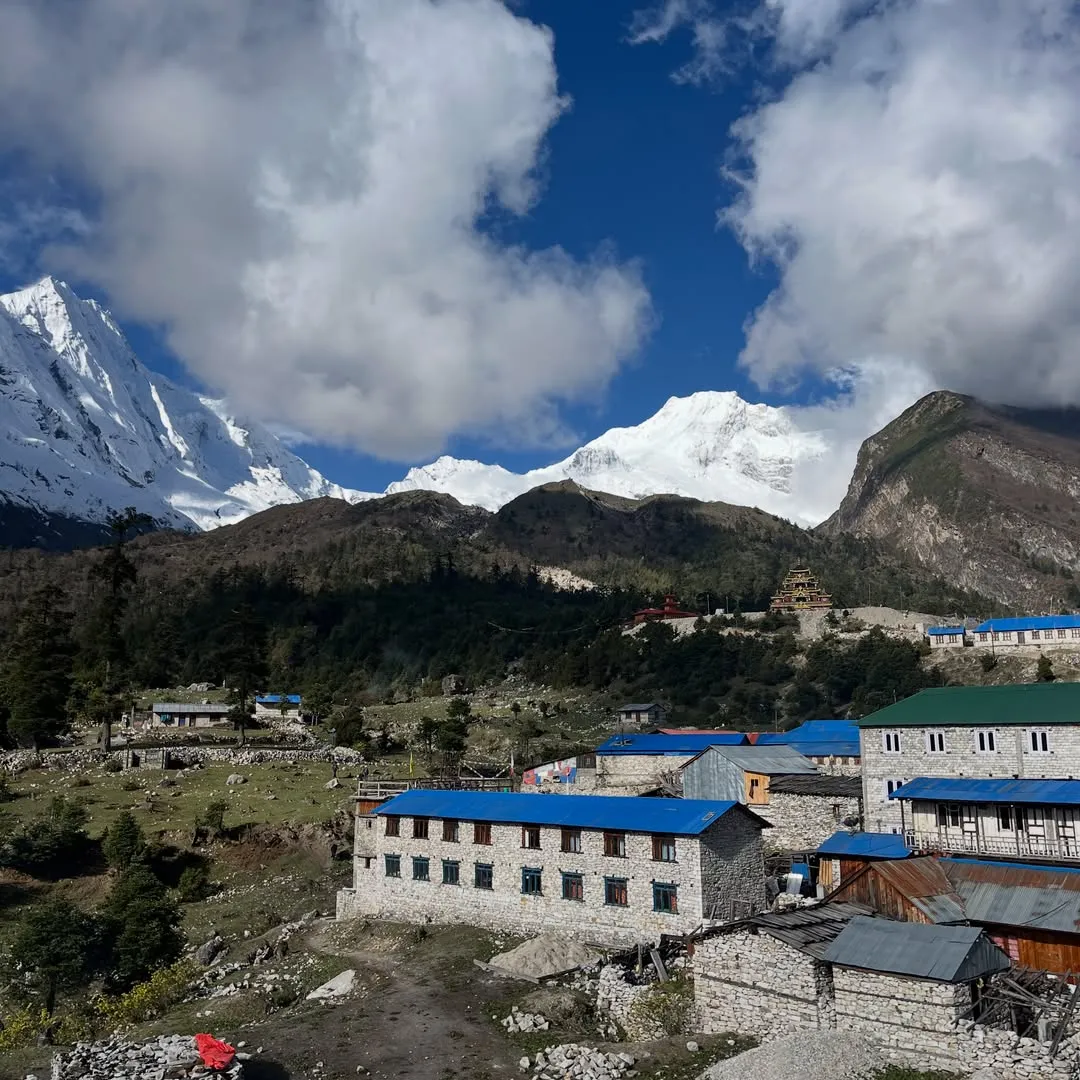
Treken en famille Manaslu – 12 jours
Treken en famille Manaslu – 12 jours
Trek de luxe à Manaslu – 14 jours
Trek de luxe à Manaslu – 14 jours

Trek de la photographie Manaslu – 17 jours
Trek de la photographie Manaslu – 17 jours
 English
 Deutsch
 Svenska
 Dansk
Dansk Русский
 Français
 Português
 Español
 Polski
 简体中文
简体中文 日本語
日本語 ไทย
ไทย العربية
 한국어
한국어