
réponse rapide
A Nepal peak climbing itinerary is too rushed if it gains more than 500 metres of sleeping altitude per day above 3,500 metres, skips a rest day at base camp, or pushes summit day without a high camp acclimatisation rotation. Safe itineraries for peaks like Mera, Island, or Lobuche include 18 to 22 days with two rest days and one high camp climb before summit push.
Répartition détaillée
Nepal peak climbing refers to the 28 trekking peaks designated by the Nepal Mountaineering Association, ranging from Mera Peak at 6,476 metres to tougher climbs like Pisang Peak at 6,091 metres. All sit above 5,500 metres, so acclimatization is the single most important safety factor.
Safe acclimatisation follows three rules. First, sleeping altitude gain stays under 500 metres per day above 3,500 metres. Second, every 1,000 metres of new altitude gets a rest day. Third, summit day follows a high camp rotation that climbs 300 to 500 metres and descends to sleep.
Rushed itineraries violate one or more of these rules. A 14 day Mera Peak itinerary that climbs from Lukla to Mera La at 5,415 metres in 6 days, for example, gains 700 metres per sleeping night above 4,000 metres and skips base camp rest.
Répartition des coûts/composants
| composante | Safe Mera Itinerary | Rushed Mera Itinerary |
|---|---|---|
| Durée totale | 18 à 22 jours | 14 à 16 jours |
| Rest days | 2 à 3 | 0 à 1 |
| High camp rotation | Yes, 1 night | Skipped or rushed |
| Summit success rate 2027 | 85 to 92 percent | 55 à 70 pour cent |
| Taux de mal des montagnes aigus | 5 à 10 pour cent | 25 à 40 pour cent |
| Coût 2027 | $3 000 à $4 200 | $2 200 à $3 000 |
| Evacuation cost risk | faible | High, $4,000 to $8,000 uninsured |
Qu'est-ce qui affecte la réponse
Peak altitude drives the acclimatisation requirement. Mera Peak at 6,476 metres needs 18 to 22 days, while Island Peak at 6,189 metres can be done safely in 16 to 18 days because the trek in starts higher at Chhukung.
Approach trek length matters. Peaks reached via a 9 day Everest Base Camp trek allow natural acclimatisation, while peaks accessed by short Lukla flights need built in rest days. Climbers who skip the EBC trek for a direct Mera approach need 3 extra acclimatisation days.
Season affects altitude tolerance. Spring April and May see warmer nights and lower acute mountain sickness rates. Autumn October and November see colder nights at high camp and a 5 to 8 percent higher sickness rate.
Climber experience sets the safe pace. First time 6,000 metre climbers should add 2 days to standard itineraries. Experienced climbers with prior 6,000 metre summits can run standard pace.
Conseils pour la réservation
Ask the operator for a day by day itinerary with sleeping altitude per night. If any night above 3,500 metres gains more than 500 metres over the previous night, push back.
Verify that the itinerary includes a high camp rotation before summit day. This means climbing from base camp to high camp, sleeping one night, then summiting. Skipping this rotation is the single biggest red flag.
Book with an operator who has run the specific peak at least five times in the past two seasons. Ask for the lead guide name, their previous summit count, and their evacuation protocol.
Pay 25 to 30 percent deposit by USD wire with the balance in cash on arrival. Avoid operators quoting under $2,800 for Mera Peak; the price usually signals a shortened itinerary or underpaid staff.
Buy altitude rated travel insurance covering 6,000+ metres and helicopter evacuation. Standard policies exclude both.
Comparaison avec les alternatives
Compared with trekking peaks like Mera and Island, expedition peaks like Ama Dablam at 6,812 metres need 30+ day itineraries with multiple high camp rotations. The rushed versus safe logic scales up.
Lobuche East at 6,119 metres is often combined with Everest Base Camp trek in a 19 to 22 day itinerary that delivers excellent acclimatisation. This is the safest 6,000 metre peak for first time climbers in 2027.
Pisang Peak on the Annapurna Circuit needs 18 to 20 days including the circuit approach, and rushed 14 day versions cause 30 to 40 percent acute mountain sickness rates.
Erreurs courantes à éviter
Do not book a 14 day Mera Peak itinerary. The minimum safe duration is 18 days, and 14 day versions skip the high camp rotation.
Do not assume you acclimatise on the flight to Lukla. Lukla sits at 2,840 metres, and the first night above 3,500 metres still needs careful pacing.
Do not skip the base camp rest day. Climbers who push straight from base camp to high camp to summit in 36 hours have a 35 to 45 percent acute mountain sickness rate.
Do not trust itineraries that list only daily distances without sleeping altitudes. The altitude gain is what matters for acclimatisation.
FAQ
How many days does Mera Peak need?
18 to 22 days for safe acclimatisation. 14 day itineraries are too rushed and have 25 to 40 percent acute mountain sickness rates.
What is the maximum safe daily altitude gain?
500 metres of sleeping altitude gain per day above 3,500 metres. Higher gains increase acute mountain sickness risk significantly.
Do I need a high camp rotation before summit?
Yes. Climbing from base camp to high camp, sleeping one night, then summiting is the standard safe protocol. Skipping it is a major red flag.
Which peak is safest for first time 6,000 metre climbers?
Lobuche East combined with an Everest Base Camp trek in 19 to 22 days. The EBC approach delivers natural acclimatisation and the climb itself is technically moderate.
Does Diamox replace acclimatisation days?
No. Diamox helps the body acclimatise faster but does not replace slow pacing, rest days, or high camp rotations.
somm
A Nepal peak climbing itinerary is too rushed if it gains more than 500 metres of sleeping altitude per day above 3,500 metres, skips a base camp rest day, or omits the high camp rotation. Safe Mera Peak itineraries run 18 to 22 days with 5 to 10 percent acute mountain sickness rates.
conclusion
If you are booking a Nepal peak climbing trip in 2027 or 2028, demand a day by day itinerary with sleeping altitudes and verify the high camp rotation is included. Pay the small premium for an 18 to 22 day itinerary over a 14 day version, because the cost difference is far smaller than a helicopter evacuation and a failed summit. Slow pacing is what makes 6,000 metre peaks achievable, and the best operators build it in by default.
Forfaits Trek recommandés
Des lieux de randonnée à explorer
Explore Trips in Nepal
Hand-picked guided trips to this destination
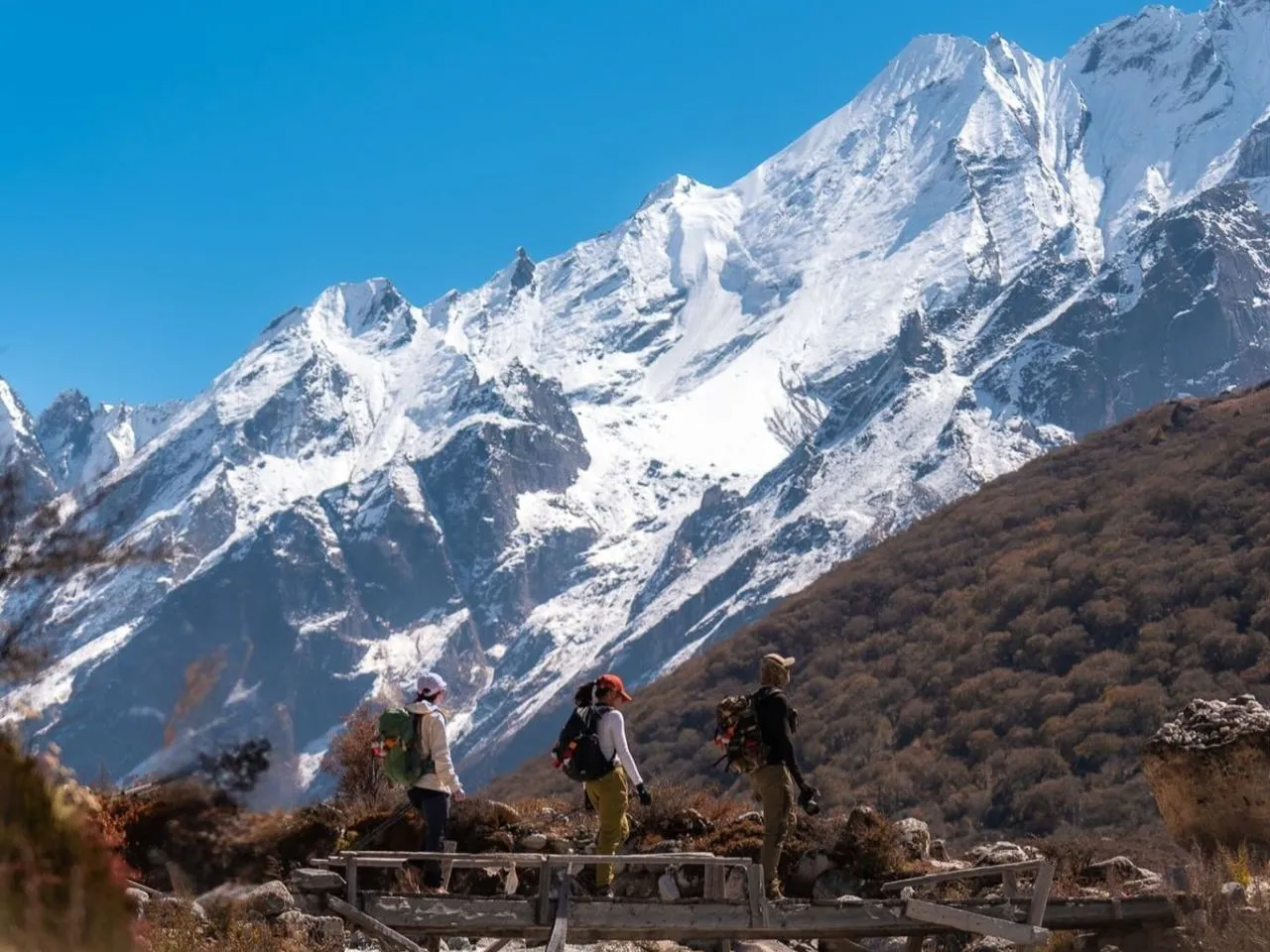
Trek de luxe de Langtang – 10 jours
Trek de luxe de Langtang – 10 jours
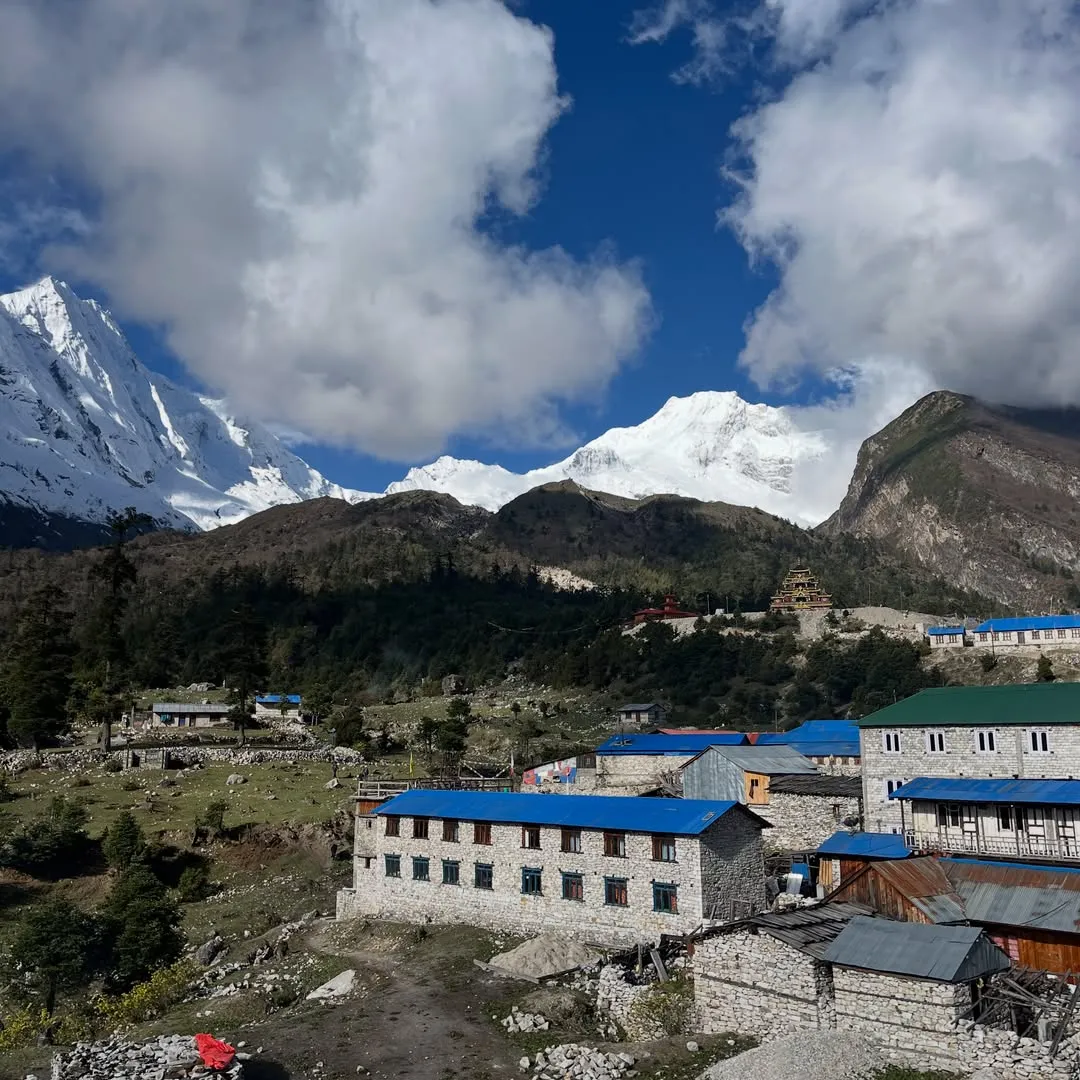
Treken en famille Manaslu – 12 jours
Treken en famille Manaslu – 12 jours
Trek de luxe à Manaslu – 14 jours
Trek de luxe à Manaslu – 14 jours

Trek de la photographie Manaslu – 17 jours
Trek de la photographie Manaslu – 17 jours
 English
 Deutsch
 Svenska
 Dansk
Dansk Русский
 Français
 Português
 Español
 Polski
 简体中文
简体中文 日本語
日本語 ไทย
ไทย العربية
 한국어
한국어