
réponse rapide
Season is the single biggest factor for safety and summit chances on a Nepal trekking peak like Mera Peak. October to November and April to May give 80 percent summit rates with stable weather and manageable cold. Winter from December to February drops the summit rate to 40 percent with high frostbite risk, while monsoon from June to September brings deep snow and cloud cover.
Répartition détaillée
Mera Peak stands at 6,476 m and is classified as a trekking peak by the Nepal Mountaineering Association. The standard route from Khare at 5,045 m to the summit crosses the Mera Glacier and climbs a 200 m snow slope at 35 to 40 degrees. The climb is not technical, but the altitude and cold make season the dominant risk factor.
Autumn from October to November offers the most stable weather, with daytime temperatures of minus 10 to minus 15 Celsius on the summit and wind speeds below 20 km per hour. Spring from April to May is slightly warmer but has more afternoon cloud, with summit day temperatures of minus 8 to minus 12 Celsius. Winter brings clear skies but temperatures of minus 25 to minus 35 Celsius on summit day, with frostbite risk to fingers and toes in under 30 minutes of exposure.
Répartition des coûts/composants
| composante | détail | Coût USD |
|---|---|---|
| Permis d'escalade Mera Peak | NMA, autumn season | $250 |
| Permis d'escalade Mera Peak | NMA, winter season | $125 |
| Permis de parc national de Sagarmatha | Per climber | $30 |
| Carte TIM | Organised climber rate | $10 |
| Lukla flight round trip | 35 minutes each way | $360 à $400 |
| Climbing guide | 1 per 2 climbers, 18 days | $1,260 to $1,800 |
| High altitude tent and stove | Shared between 2 climbers | $120 à $200 |
| Full package, 18 days | Autumn, per climber | $2 400 à $3 800 |
Qu'est-ce qui affecte la réponse
Jet stream position is the dominant factor. From late November to mid February, the subtropical jet sits over the Himalaya, bringing winds of 60 to 100 km per hour above 6,000 m. Climbers who attempt Mera in this window face wind chill below minus 50 Celsius. The jet shifts south in March and October, opening two 6 week windows of stable weather.
Snow accumulation also matters. Monsoon from June to September drops 1.5 to 2.5 m of fresh snow on the Mera Glacier, hiding crevasses and increasing avalanche risk on the summit pyramid. Autumn climbers benefit from a consolidated snowpack after the monsoon, while spring climbers face more fresh snow from March storms but warmer nights.
Conseils pour la réservation
Book autumn summit windows 6 months ahead because Mera Peak permits sell out by August for October. Confirm the operator carries supplemental oxygen, a Gamow bag, and fixed rope for the summit slope. Ask for a minimum 18 day itinerary that includes 3 acclimatization days at Khare and Mera La. Avoid operators promising 12 day summit trips, because the altitude profile is unsafe and summit rates fall below 50 percent.
Comparaison avec les alternatives
Compared with Island Peak at 6,189 m, Mera has a slightly lower technical demand but a 290 m higher summit, making the cold harder to manage in winter. Compared with Lobuche East at 6,119 m, Mera has more reliable summit weather in autumn but a longer approach of 9 days versus 5. Compared with Kyajo Ri at 6,204 m, Mera is more crowded but has a clearer weather window and lower objective danger.
Erreurs courantes à éviter
Climbers often choose winter for cheaper permits, then lose fingers to frostbite on the summit slope. A second mistake is trusting a 5 day weather forecast for the summit push, when Himalayan weather models are reliable only 48 hours out. A third mistake is summiting on the first clear morning without checking wind speed at 6,000 m, which can be 60 km per hour even when base camp is calm. A fourth is skipping the second acclimatization day at Mera La, which raises altitude sickness risk on summit day.
FAQ
Which season gives the highest summit chance on Mera Peak? October and November give 80 percent summit rates with stable weather. April and May give 75 to 80 percent with warmer temperatures but more afternoon cloud.
Is winter climbing on Mera Peak safe? Marginally. Temperatures of minus 25 to minus 35 Celsius on summit day mean frostbite risk to exposed skin in 30 minutes. Only attempt winter with full double boots, heated mittens, and an experienced guide.
Can I climb Mera Peak in monsoon? Not recommended. Snow accumulation of 1.5 to 2.5 m hides crevasses on the Mera Glacier and raises avalanche risk on the summit pyramid. Cloud cover also blocks the summit view.
How cold is the Mera Peak summit day? Minus 10 to minus 15 Celsius in autumn and spring, with wind chill to minus 30. Minus 25 to minus 35 Celsius in winter, with wind chill to minus 50.
somm
Season is the single biggest factor for Mera Peak safety and summit success. Autumn and spring give 80 percent summit rates, while winter drops to 40 percent with high frostbite risk. Monsoon brings deep snow and cloud cover. Choose autumn for the best balance of weather, temperature, and permit availability.
conclusion
Book Mera Peak for October or November for the best summit chance in 2027 to 2030, with April and May as a backup window. Avoid winter unless you have previous 6,000 m winter experience, and avoid monsoon entirely. Pay for an 18 day itinerary with 3 acclimatization days, and confirm oxygen and a Gamow bag are on the team list.
Forfaits Trek recommandés
Des lieux de randonnée à explorer
Explore Trips in Nepal
Hand-picked guided trips to this destination
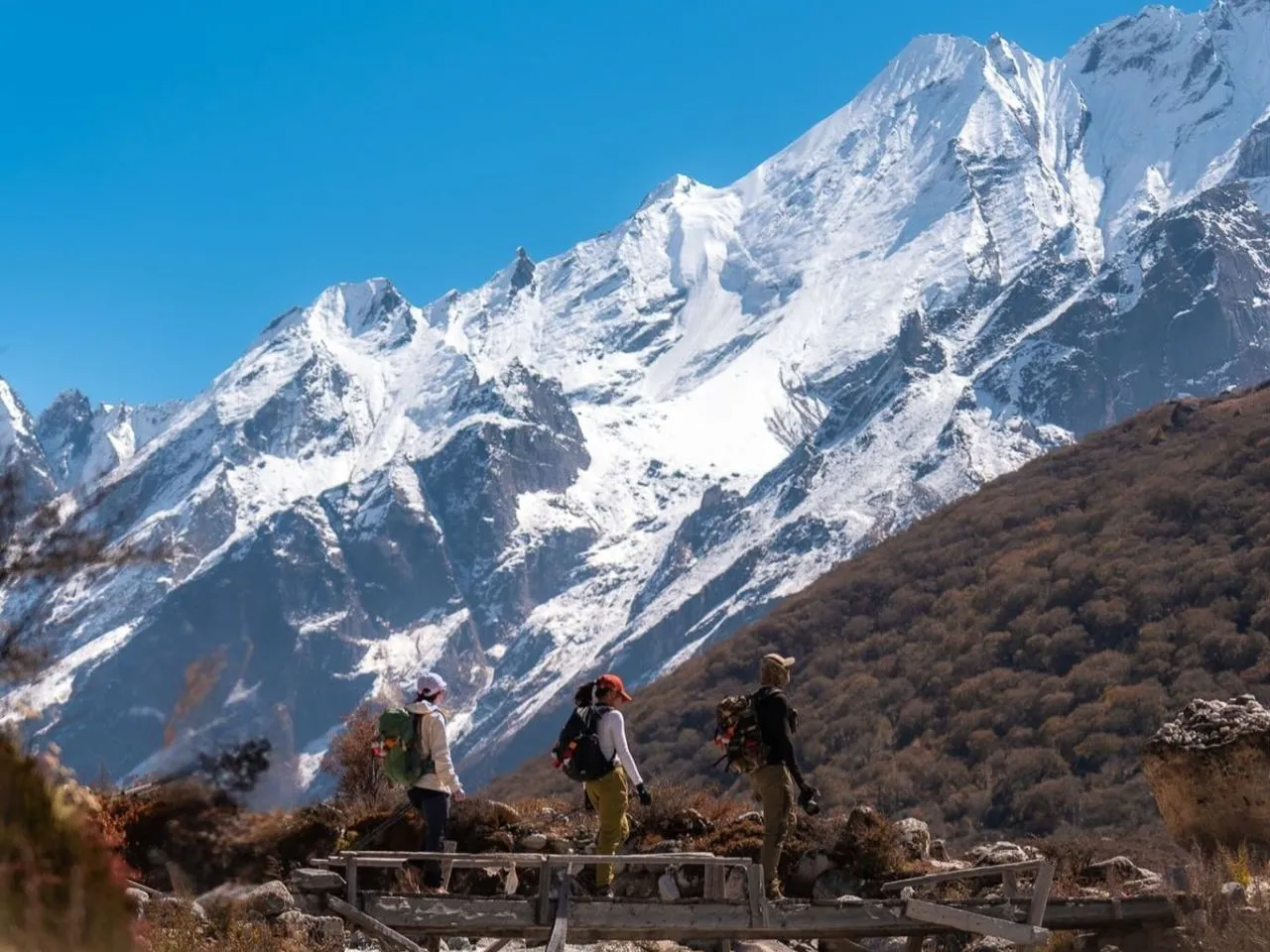
Trek de luxe de Langtang – 10 jours
Trek de luxe de Langtang – 10 jours
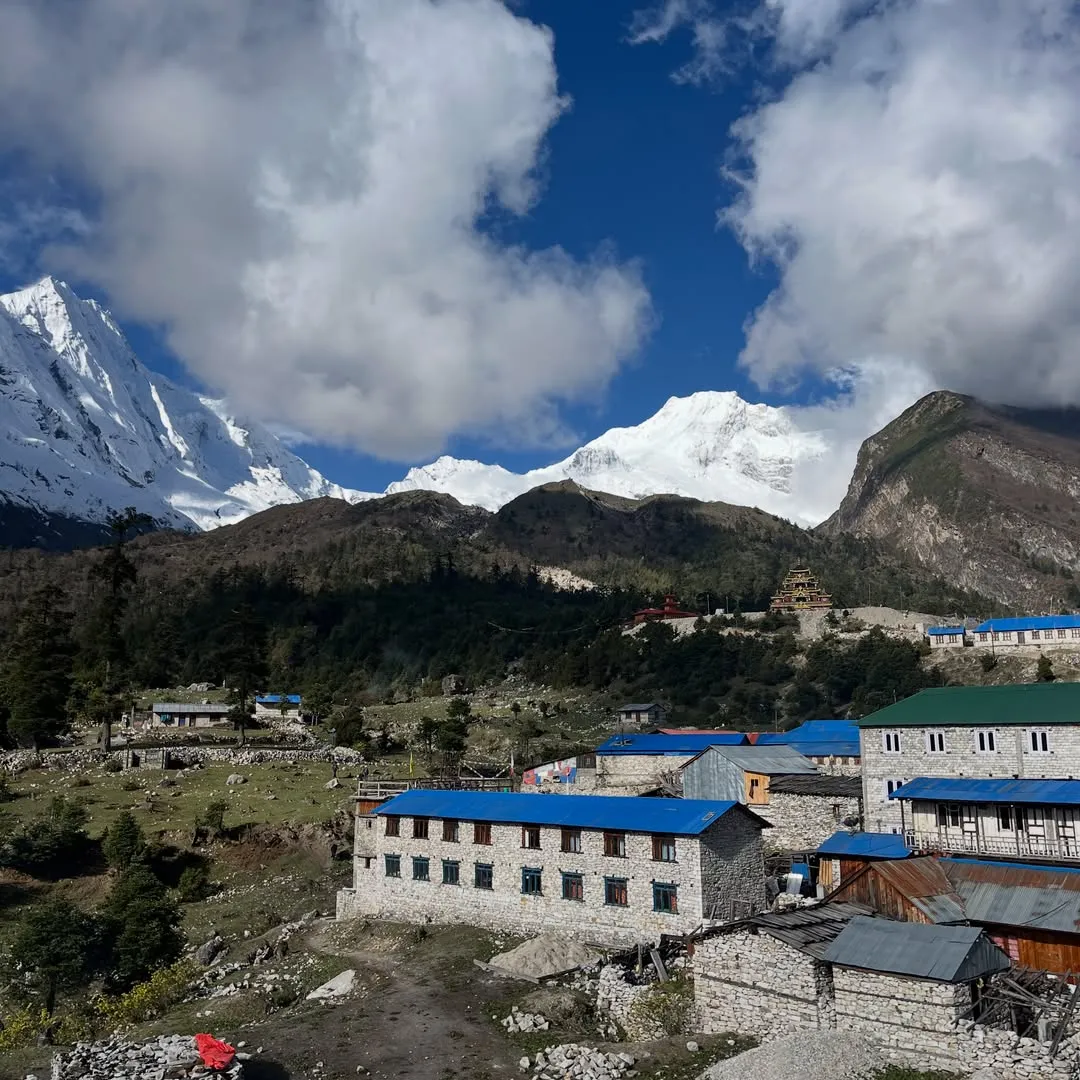
Treken en famille Manaslu – 12 jours
Treken en famille Manaslu – 12 jours
Trek de luxe à Manaslu – 14 jours
Trek de luxe à Manaslu – 14 jours

Trek de la photographie Manaslu – 17 jours
Trek de la photographie Manaslu – 17 jours
 English
 Deutsch
 Svenska
 Dansk
Dansk Русский
 Français
 Português
 Español
 Polski
 简体中文
简体中文 日本語
日本語 ไทย
ไทย العربية
 한국어
한국어