
réponse rapide
A Pikey Peak trek guide should carry a first aid kit with emergency oxygen, know the Gaurishankar Conservation Area trail variants including the Junbesi to Phaplu exit, run daily pulse and oxygen saturation checks above 3,500m, and have a written evacuation plan with the nearest helipad at Phaplu. For a 6 to 9 day trek reaching 4,065m, altitude is mild but not trivial. Confirm each safety item in writing before paying the deposit.
Répartition détaillée
Pikey Peak at 4,065m is marketed as a moderate trek, but it still crosses the 3,500m threshold where acute mountain sickness becomes a real risk, especially for trekkers flying into Lukla or Phaplu from low altitude. The standard 6 to 9 day route starts at Dhap or Lamane and climbs through the Gaurishankar Conservation Area to the Pikey Peak summit, then descends via Junbesi to Phaplu. The trail is less crowded than Khumbu routes, which means rescue support is thinner and the guide's competence matters more.
Route navigation is straightforward in clear weather but the trail above 3,800m can be unclear in fog or fresh snow. A guide who has worked the route multiple times knows the alternative descents and the shelters along the way.
Répartition des coûts / composantes
| élément de sécurité | Coût (USD) | Standard in quote? |
|---|---|---|
| First aid kit with oxygen | $30 to $60 flat | devrait être |
| Oxymètre de pouls | $10 à $20 | devrait être |
| Guide with Gaurishankar experience | $25 à $35 par jour | devrait être |
| Satellite phone or local SIM | $15 à $30 | devrait être |
| Helicopter evacuation coverage | $25 à $40 | Must be |
| Phaplu helipad rescue plan | No extra | Written in contract |
Qu'est-ce qui affecte la réponse
Your previous altitude experience matters. Trekkers who have been to 4,000m before tolerate Pikey Peak well, while first-timers need a guide who watches for early AMS signs. The season affects trail conditions, with winter snow making the summit approach harder to navigate and monsoon fog hiding trail markers. Group size changes the guide's attention, since a single guide with 6 trekkers cannot monitor everyone's health closely above 3,500m.
Whether you start from Dhap or Phaplu also matters, since the Dhap start gives a more gradual ascent and better acclimatisation.
Conseils de réservation / conseils pratiques
Ask the operator to confirm the guide's name and their years on Pikey Peak specifically, not just in the Khumbu region. Request a written evacuation plan that names the Phaplu helipad as the primary rescue point and lists the guide's satellite phone number. Verify the first aid kit includes emergency oxygen, a pulse oximeter, and altitude medication like Diamox. Ask whether the guide runs daily health checks above 3,500m, since this is the standard for a safe Pikey Peak trek.
Confirm the operator has a 24 hour hotline in Kathmandu that the guide can call for evacuation, since some budget operators leave guides without backup.
Comparaison avec les alternatives
Compared with Everest View Trek, Pikey Peak is lower and safer, with fewer altitude incidents. Compared with Mera Peak climbing, Pikey Peak is a trek not a climb, so the safety kit is lighter. Compared with Khumbu Three Passes, Pikey Peak has less rescue infrastructure because it is less crowded, so the guide's competence matters more.
Erreurs courantes à éviter
The biggest mistake is treating Pikey Peak as low risk and skipping the evacuation coverage. At 4,065m, AMS can still hit, and a helicopter rescue costs $3,000 to $5,000 without coverage. Another error is booking a guide who has only worked the busier Khumbu routes, since they may not know the Pikey descent variants. Trekkers also forget to ask about the satellite phone, since mobile signal is patchy above Junbesi. Finally, do not accept a guide who carries no pulse oximeter, since daily saturation checks are the standard safety practice above 3,500m.
Questions fréquentes
Is altitude sickness a real risk on Pikey Peak?
Yes, mild but real. The summit is 4,065m, and trekkers flying in from sea level need acclimatisation days and daily health checks.
Does my guide need a satellite phone?
Yes. Mobile signal is patchy above Junbesi, and the Phaplu helipad rescue needs satellite contact to arrange.
What should be in the first aid kit?
Emergency oxygen, pulse oximeter, Diamox, bandages, and the guide's own medication for common trail illnesses.
Where is the nearest helipad for evacuation?
Phaplu, about a day's walk from the Pikey Peak area. The evacuation plan should name Phaplu as the primary rescue point.
somm
A Pikey Peak guide should carry first aid with oxygen, run daily health checks above 3,500m, know the Gaurishankar route variants, and have a written evacuation plan via Phaplu. Confirm each item in writing. At 4,065m, the trek is moderate but not risk-free.
conclusion
Pikey Peak is safer than Khumbu high routes, but it is not flatland. Choose a guide with route experience, oxygen and oximeter in the kit, and a satellite phone for the Phaplu rescue plan. The right safety support lets you enjoy the sunrise view without anxiety.
Forfaits Trek recommandés
Des lieux de randonnée à explorer
Explore Trips in Nepal
Hand-picked guided trips to this destination
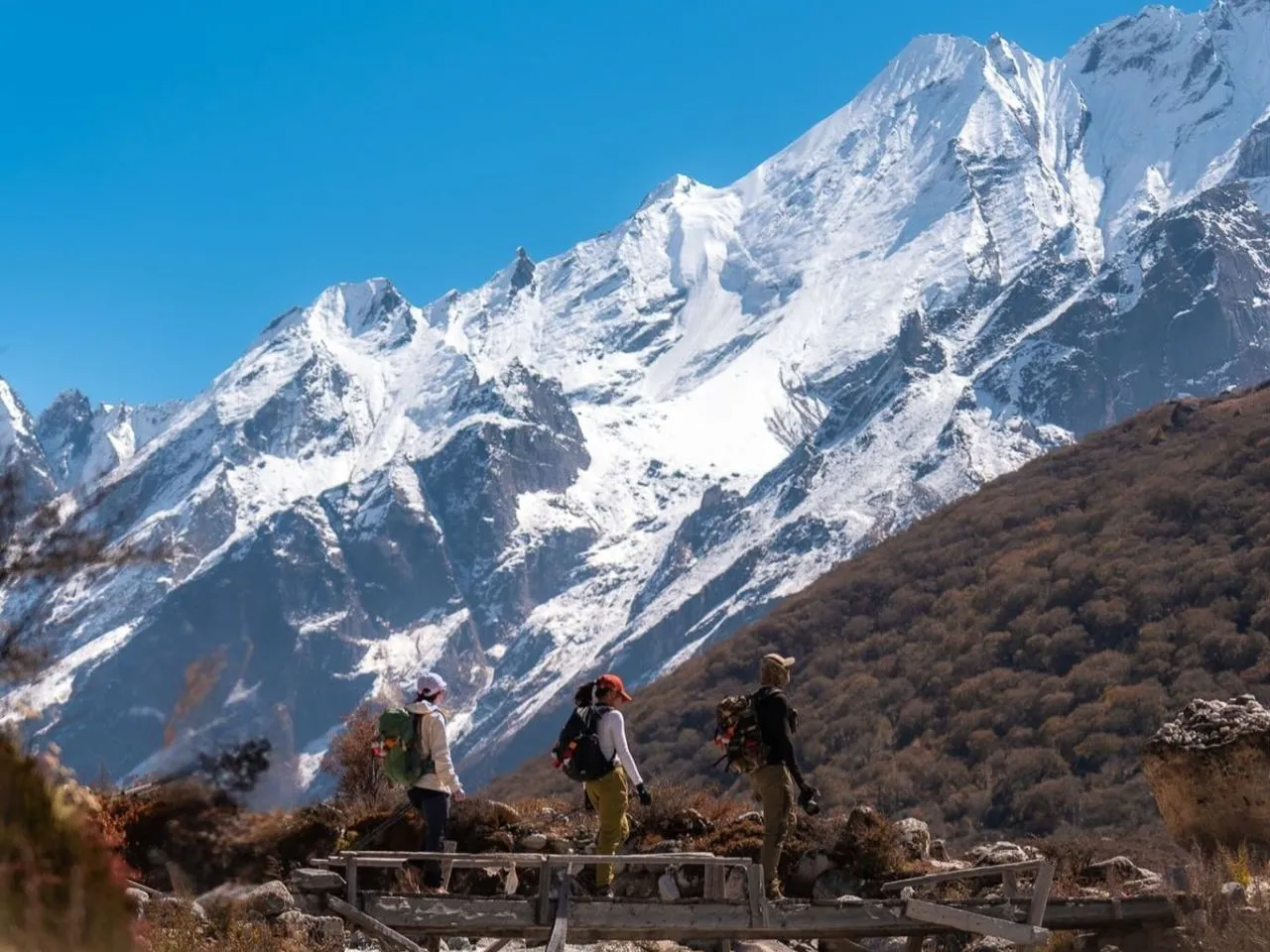
Trek de luxe de Langtang – 10 jours
Trek de luxe de Langtang – 10 jours
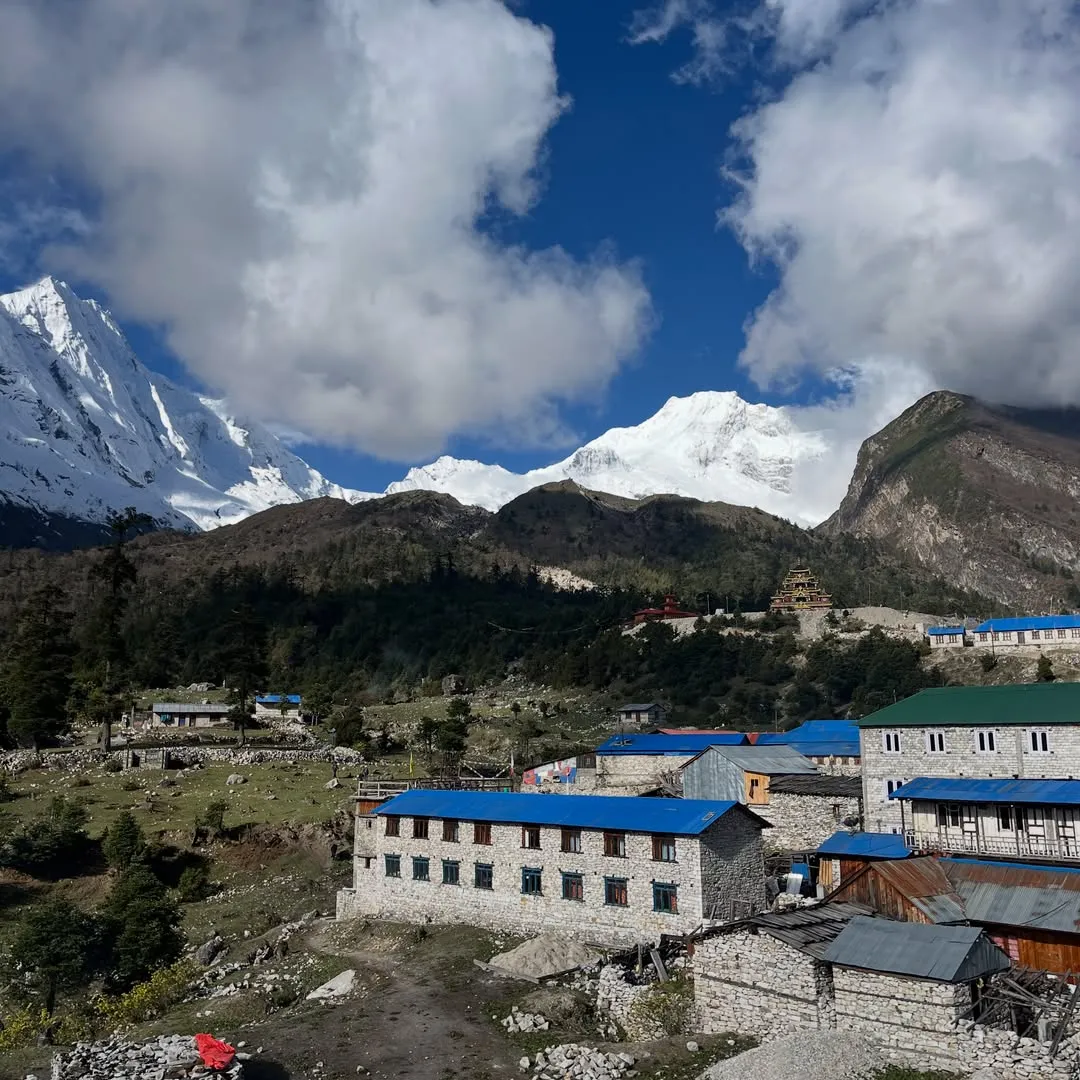
Treken en famille Manaslu – 12 jours
Treken en famille Manaslu – 12 jours
Trek de luxe à Manaslu – 14 jours
Trek de luxe à Manaslu – 14 jours

Trek de la photographie Manaslu – 17 jours
Trek de la photographie Manaslu – 17 jours
 English
 Deutsch
 Svenska
 Dansk
Dansk Русский
 Français
 Português
 Español
 Polski
 简体中文
简体中文 日本語
日本語 ไทย
ไทย العربية
 한국어
한국어