
respuesta rápida
Vague Great Himalayan Trail resupply planning in 2027 causes food shortages above 4,000 m, missed permit windows that end the trek, and abandoned sections that waste 4 to 6 weeks of preparation. The 1,700 km route crosses 10 restricted areas with 12 to 15 resupply points. Trekkers must lock dates, food weights, transport, and backup cash with each local operator at least 8 weeks before departure.
Desglose detallado
The Great Himalayan Trail runs 1,700 km from Kanchenjunga in the east to Hilsa in the west, taking 90 to 150 days through 10 restricted areas. The route crosses 6 high passes above 5,000 m and 20 plus days above 4,000 m. Resupply points are remote airstrips, roadheads, and mule trains.
Resupply is the largest logistical variable on the GHT. Kanchenjunga, Manaslu, Upper Mustang, Upper Dolpo, and Humla sections all require food drops because lodge food runs thin in shoulder seasons. A 12 day food carry between Taplejung and Ghunsa weighs 14 kg per trekker; a 20 day carry between Simikot and Jumla weighs 22 kg.
Three things go wrong with vague planning. First, the operator does not pre-position food and you arrive at an empty lodge. Second, the permit window closes because you are 4 days behind schedule. Third, weather closes the airstrip and the food never lands.
The Kanchenjunga section needs a 12 day food carry from Taplejung to Ghunsa. The Manaslu section requires a Larke Pass food carry because lodges thin above Sama Gaun. The Upper Dolpo section needs 15 days of food between Juphal and Jomsom. The Humla section needs 8 days of food between Simikot and Jumla. Vague planning in any section ends the trek.
Permit timing is unforgiving. The Upper Mustang permit covers 10 days at $500. If you arrive late, you pay $50 per extra day or leave the region. The Upper Dolpo permit has the same structure. Missed windows mean exit fines of $200 plus.
Desglose de costo/componente
| Resupply Point | Method | Costo (USD) |
|---|---|---|
| Taplejung to Ghunsa | Mule train, 12 day carry | $280 |
| Soti Khola to Sama Gaun | Porter, 8 day carry | $180 |
| Jomsom to Upper Mustang | Jeep and mule, 10 day | $420 |
| Juphal to Upper Dolpo exit | Yak train, 15 day carry | $540 |
| Simikot to Jumla | Mule and porter, 8 day | $260 |
| Permit extension buffer | 2 days per section | $300 |
| Helicopter resupply backup | 1 emergency drop | $2,500 standby |
| Total resupply budget | Full GHT crossing | $4,480 |
que afecta la respuesta
Season is the largest variable. Spring GHT crossings run March to May with airstrips open and mule trains moving. Autumn crossings run September to November with colder nights. Winter crossings from December to February face closed airstrips, frozen mule trails, and lodge closures above 4,000 m.
Trekker pace shifts resupply timing by 2 to 4 days per section. A fast trekker on a 100 day schedule arrives before food expires. A slow trekker on a 140 day schedule risks running out between resupply points.
Operator quality is the third factor. A Kathmandu operator with explicit GHT experience pre-positions food, locks permits, and tracks progress by satellite phone. A generic agency arranges each section separately and leaves gaps.
Consejos de reserva
Book with an operator who has completed at least 3 full GHT crossings. Ask for resupply point contacts, food weights per section, and a satellite phone check-in schedule. Lock each resupply date 8 weeks ahead with 2 day buffer either side.
Carry $1,500 in USD cash for emergency mule hire, permit extension fees, and unplanned helicopter drops. ATMs do not exist in any restricted area.
Pack a satellite phone with a Nepal Telecom SIM and an Iridium backup. Schedule daily check-ins with your Kathmandu operator. Set a 48 hour no-contact trigger that initiates helicopter search.
Comparación con alternativas
Section hiking the GHT in 2 to 3 week chunks removes resupply risk entirely. Kanchenjunga takes 20 to 26 days at $2,800. Manaslu takes 14 to 18 days at $1,800. Upper Dolpo takes 14 to 28 days at $3,200. A full crossing costs $18,000 to $28,000 versus $4,000 to $6,000 per section.
Errores comunes a evitar
Assuming lodges will have food is the most common fatal mistake. Above 4,000 m in shoulder seasons, lodges stock 3 days of dal bhat for 4 trekkers. Arrive as number 5 and you eat instant noodles for a week. Locking only start dates of permits, not end dates, causes 60 percent of permit violations.
Skipping a satellite phone to save $400 risks your life on a 100 day route. Booking through multiple section operators without a coordinator leaves gaps.
preguntasrán el
What can go wrong if Great Himalayan Trail resupply planning is vague? Food shortages above 4,000 m, missed permit windows, abandoned sections, and $2,500 emergency helicopter drops. Vague planning ends 1 in 3 GHT attempts before day 60.
How many resupply points does the GHT need? 12 to 15 across the full 1,700 km. Kanchenjunga, Manaslu, Upper Mustang, Upper Dolpo, and Humla each need 1 to 3 resupply points.
What is the resupply budget for a full GHT crossing? $4,480 for food, mules, porters, permit buffers, and helicopter standby on top of the $18,000 to $28,000 base cost.
Can I do the GHT without a satellite phone? No. Rescue cannot be called from most GHT sections without one. Carry an Iridium phone and schedule daily check-ins with your Kathmandu coordinator.
sumario
Vague Great Himalayan Trail resupply planning ends 1 in 3 attempts before day 60. Lock 12 to 15 resupply points with dates, weights, transport, and backup cash 8 weeks ahead. Budget $4,480 for resupply on top of the base cost. Carry a satellite phone and a $1,500 cash buffer for emergencies.
idea de narración
The Great Himalayan Trail rewards obsessive logistics and punishes vague planning. Lock every resupply point with a name, date, weight, and transport method. Hire one Kathmandu coordinator with GHT experience. Carry a satellite phone and $1,500 cash. Do this in 2027 and the 1,700 km route becomes one of the most rewarding journeys in modern trekking.
Paquetes de Trek Recomendados
Lugares de trekking para explorar
Explore Trips in Nepal
Hand-picked guided trips to this destination
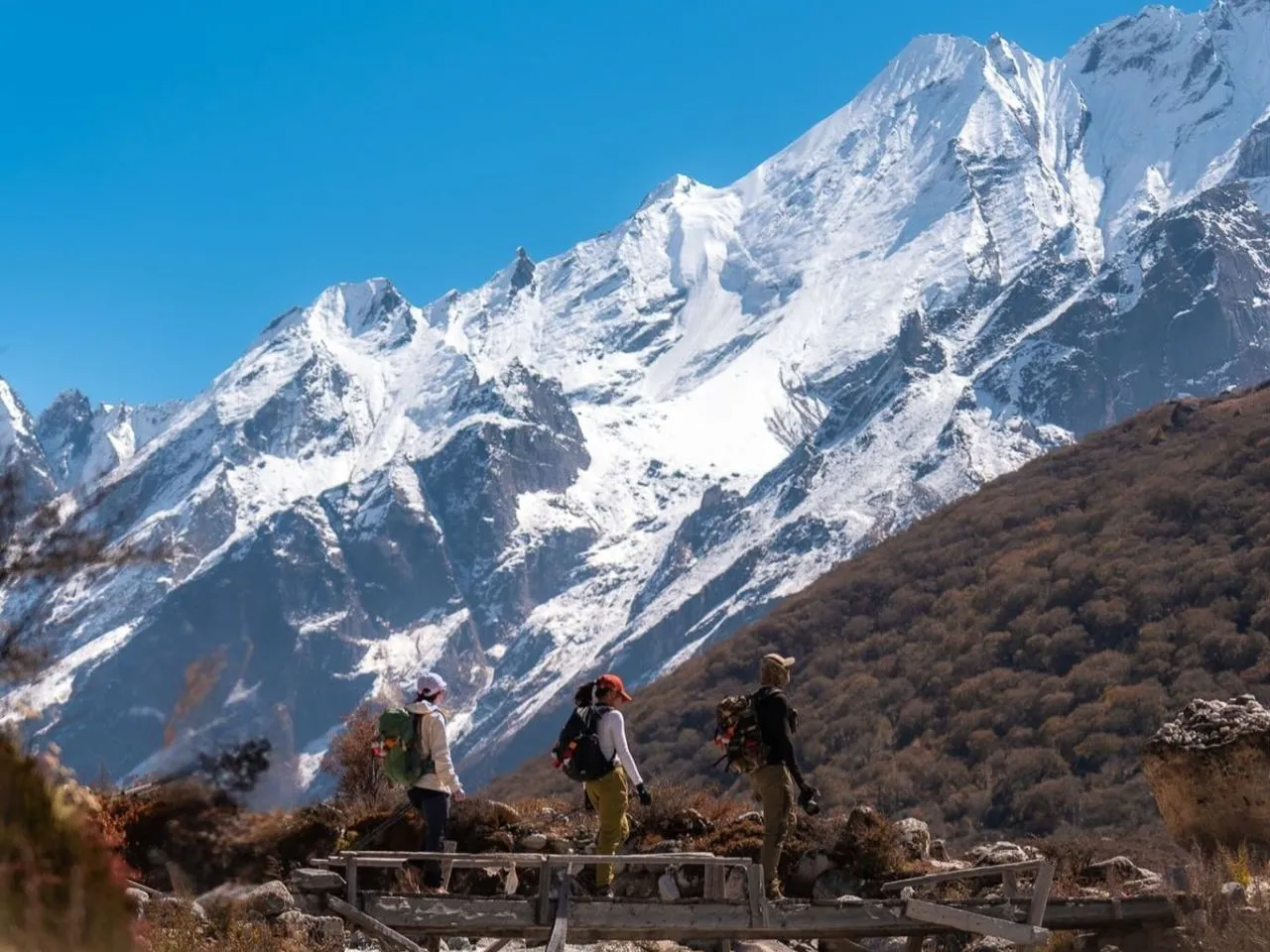
Trek de Lujo Langtang – 10 días
Trek de Lujo Langtang – 10 días
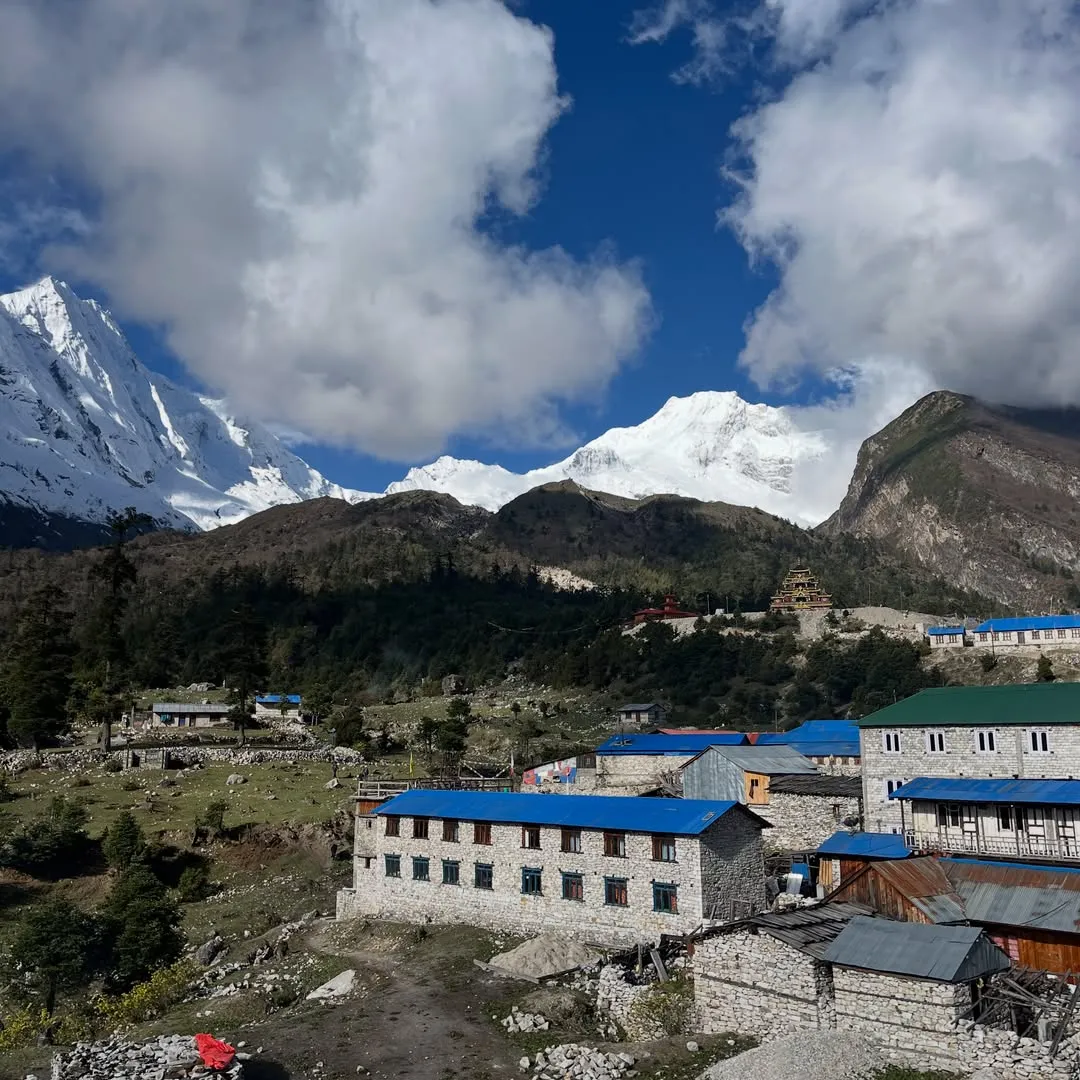
Trek Familiar Manaslu – 12 días
Trek Familiar Manaslu – 12 días
Trek de Lujo Manaslu – 14 días
Trek de Lujo Manaslu – 14 días

Trekking Manaslu - 17 días
Trekking Manaslu - 17 días
 English
 Deutsch
 Svenska
 Dansk
Dansk Русский
 Français
 Português
 Español
 Polski
 简体中文
简体中文 日本語
日本語 ไทย
ไทย العربية
 한국어
한국어