
schnelle Antwort
Rushed Manaslu Tsum Valley itineraries under 16 days raise altitude sickness rates from 15 to 35 percent, helicopter evacuation costs to USD 3,000 to USD 5,000 per incident, and group abandonment rates to 25 percent. Plan 18 to 21 days for safe acclimatisation at Larkya La 5,106 m and Mu Gompa 3,700 m in 2027. Compress at your group peril.
Detaillierte Aufschlüsselung
The Manaslu Tsum Valley Trek combines Manaslu Circuit with Tsum Valley side trip, running 16 to 21 days from Soti Khola to Dharapani. The route crosses Larkya La at 5,106 m and reaches Mu Gompa at 3,700 m. Standard itineraries include 3 acclimatisation days. Rushed itineraries compress to 12 to 14 days by removing acclimatisation.
The first risk is acute mountain sickness. The Manaslu Conservation Area records 15 to 18 percent AMS on standard 18 to 21 day itineraries. Compressed 12 to 14 day itineraries push AMS to 30 to 40 percent because the body cannot adapt to the 3,500 m climb from Soti Khola to Samagaon in 7 days instead of 10.
The second risk is high altitude cerebral and pulmonary edema. HACE and HAPE occur in 2 to 4 percent of compressed itineraries versus 0.5 to 1 percent on standard routes. Both require immediate descent and helicopter evac. The nearest reliable evac point is Samagaon at 3,520 m.
The third risk is group failure. A 12 to 14 day rushed itinerary sees 20 to 30 percent of group members abandon at Samagaon or Dharmasala due to exhaustion or AMS. This forces itinerary changes mid trek.
The fourth risk is permit waste. The Manaslu Restricted Area Permit costs USD 70 per week per person and is non refundable. Tsum Valley permits add USD 35 per week. A group of 6 that abandons loses USD 5,000 to USD 7,000 in non refundable costs.
Kosten-/Komponentenaufschlüsselung
| Risk Type | Rushed 12 to 14 Day | Standard 18 to 21 Day | Kosten (USD) |
|---|---|---|---|
| AMS rate | 30 bis 40 Prozent | 15 to 18 percent | Lost trek cost |
| HACE or HAPE rate | 2 bis 4 Prozent | 0.5 to 1 percent | Lost trek cost |
| Helicopter evac | 8 to 12 percent chance | 2 to 3 percent chance | $3,000 bis $5,000 |
| Group abandonment | 20 bis 30 Prozent | 5 to 8 percent | Group split cost |
| Permit waste | High if abandoned | naturge | $70 per week per person |
| Insurance non coverage | High risk | serienmäßig | Full evac cost |
Was beeinflusst die Antwort
Group composition matters most. Mixed fitness and age groups have higher AMS rates. A group with members above 55 years old or with previous altitude issues needs the full 21 day itinerary. Fit trekkers with previous 5,000 m experience can compress to 16 to 18 days.
Guide quality is critical. A rushed itinerary needs an experienced guide who can identify AMS early. Inexperienced guides push groups to maintain schedule and miss early symptoms.
Buchungstipps
Book 4 to 6 months ahead through a Manaslu specialist operator. Ask for guide names and previous Manaslu Tsum experience. Confirm 3 acclimatisation days at Namrung, Samagaon, and Mu Gompa. Avoid operators who offer 12 to 14 day compressed itineraries.
Carry USD 500 to USD 1,000 cash per person for emergency evac deposits. Confirm travel insurance covers trekking to 5,106 m and helicopter evacuation. Standard policies cap at 3,000 m.
Vergleich mit Alternativen
Manaslu Circuit alone without Tsum Valley runs 14 to 17 days and carries lower AMS risk. Manaslu Circuit plus Tsum in 18 to 21 days is the standard safe option. Three Passes in Khumbu runs 18 to 21 days at similar altitude. Annapurna Circuit with Tilicho runs 14 to 18 days at lower altitude. Rushed Manaslu Tsum is the highest risk option here.
Häufige Fehler zu vermeiden
Choosing a 12 to 14 day itinerary to save 4 to 6 days is the most serious error. The saved time is USD 600 to USD 900 per person but risks USD 3,000 to USD 5,000 in evac costs and USD 5,000 to USD 7,000 in group permit waste. Not buying altitude specific insurance is the second mistake.
Group leaders should carry Diamox, a pulse oximeter, oxygen canister, and descent plan.
FAQ
What is the minimum safe duration for Manaslu Tsum Valley? 18 days for fit groups with previous altitude experience. 21 days for mixed groups. Anything below 16 days raises AMS and evacuation risk significantly.
How common is helicopter evacuation on rushed itineraries? 8 to 12 percent chance on 12 to 14 day itineraries versus 2 to 3 percent on standard 18 to 21 day. Each evac costs USD 3,000 to USD 5,000.
Does travel insurance cover Manaslu Tsum? Only if upgraded to cover trekking to 5,106 m. Standard policies cap at 3,000 m. Confirm coverage and helicopter evac before departure.
What happens if one group member gets AMS? The member descends with a guide. If symptoms are severe, helicopter evac from Samagaon. The remaining group continues but the dynamic changes. Plan for this scenario in advance.
Can a fit group compress Manaslu Tsum to 16 days? Yes if all members have previous 5,000 m experience. Remove one Tsum rest day and one Manaslu acclimatisation day. Below 16 days is not recommended for any group.
Zusammenfassung
Rushed Manaslu Tsum Valley itineraries under 16 days raise AMS to 30 to 40 percent, evac costs to USD 3,000 to USD 5,000, and group abandonment to 20 to 30 percent. Plan 18 to 21 days for safe acclimatisation at Larkya La 5,106 m and Mu Gompa 3,700 m. The saved 4 to 6 days are not worth the risk.
Schluss
The Manaslu Tsum Valley Trek rewards patience. Expedition planners who insist on 12 to 14 day itineraries for time savings gamble with group safety, evac costs, and permit waste. Plan 18 to 21 days, choose a Manaslu specialist operator, carry altitude specific insurance, and equip the group with Diamox, oxygen, and a pulse oximeter. The 5,106 m Larkya La and the Tsum Valley monasteries deliver full value only when the group arrives healthy.
Empfohlene Trek-Pakete
Trekking-Orte zum Erkunden
Explore Trips in Nepal
Hand-picked guided trips to this destination
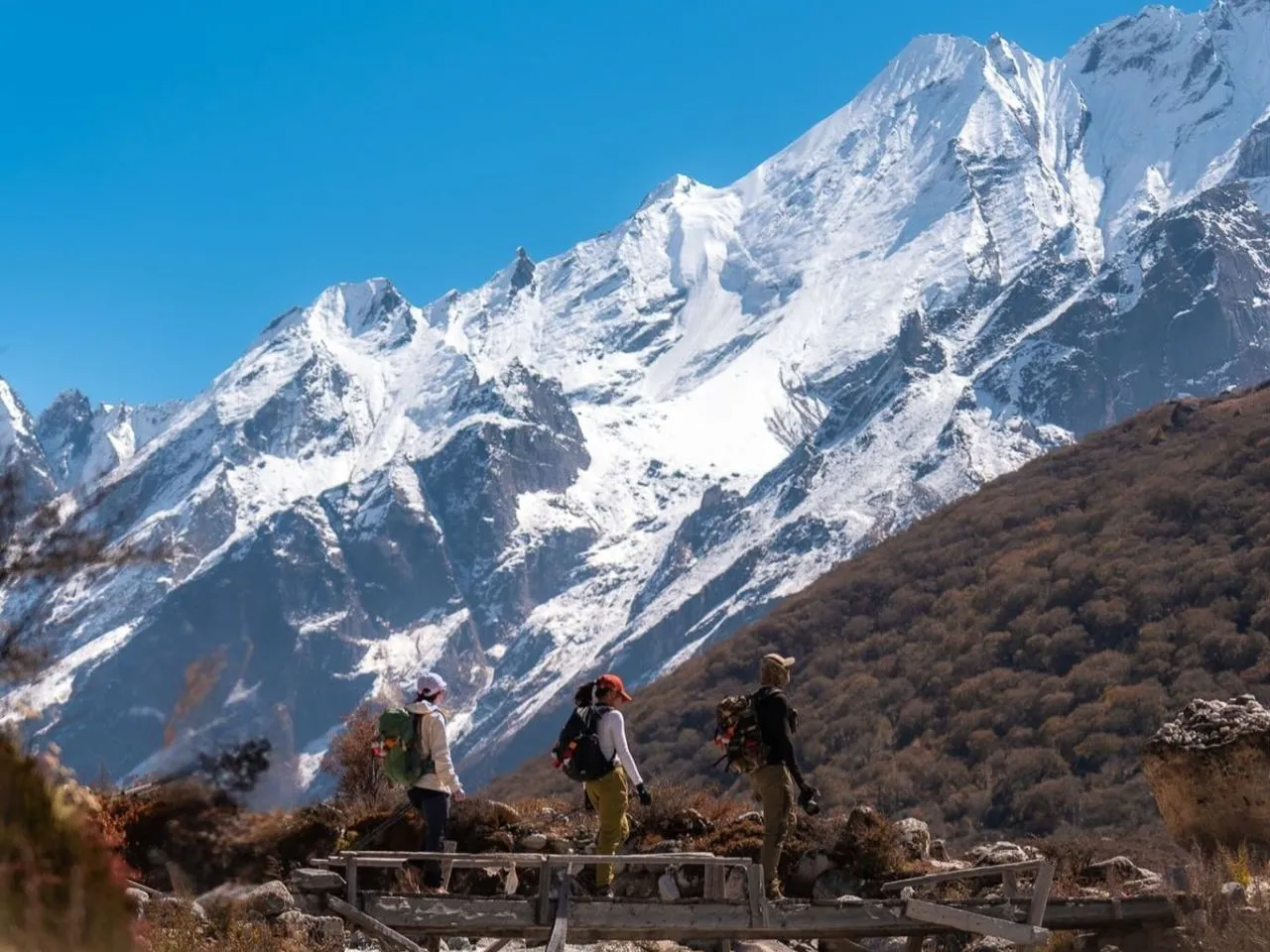
Langtang Luxus-Trek – 10 Tage
Langtang Luxus-Trek – 10 Tage
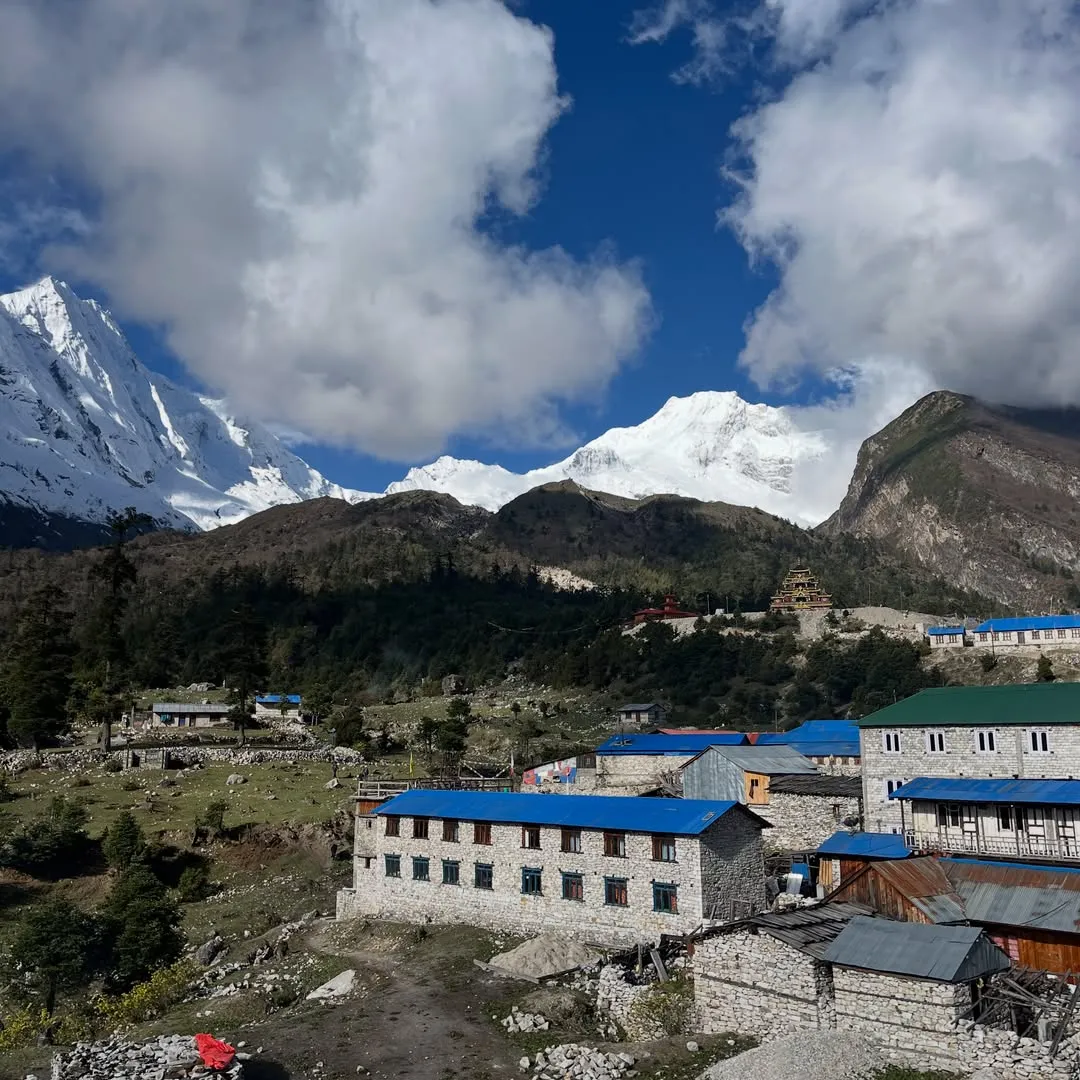
Manaslu-Familienwanderung – 12 Tage
Manaslu-Familienwanderung – 12 Tage
Manaslu-Luxus-Trek – 14 Tage
Manaslu-Luxus-Trek – 14 Tage

Manaslu-Fotografie-Trek – 17 Tage
Manaslu-Fotografie-Trek – 17 Tage
 English
 Deutsch
 Svenska
 Dansk
Dansk Русский
 Français
 Português
 Español
 Polski
 简体中文
简体中文 日本語
日本語 ไทย
ไทย العربية
 한국어
한국어