
schnelle Antwort
The Sikles Trek and Kapuche Lake sit low on the Annapurna eastern foothills, with daytime temperatures of 12 to 22 degrees Celsius in spring and autumn. Mornings are clear for photography but afternoon cloud builds by 2pm from May to September, and winter drops below freezing at night above 2,000 metres.
Detaillierte Aufschlüsselung
The Sikles Trek reaches 2,000 metres at the Gurung village of Sikles and the optional extension to Kapuche Lake sits at 2,460 metres. The route stays below the Annapurna II massif on its eastern flank, which means it gets earlier morning sun than the western Annapurna routes and earlier afternoon cloud.
Spring weather from March to May sees daytime temperatures of 16 to 22 degrees Celsius at Sikles village. Mornings are clear from 6am to 11am, with cloud building from 1pm and light showers possible after 4pm. Rhododendron bloom peaks in late March to mid-April.
Autumn weather from October to November is the most reliable window, with daytime temperatures of 12 to 18 degrees Celsius and clear mornings that last until 2pm. Frost is possible at dawn in late November but daytime sun is strong.
Winter from December to February sees daytime temperatures of 8 to 14 degrees Celsius at Sikles and night temperatures dropping to minus 3 degrees. The trail to Kapuche Lake can have snow patches in January and February. The morning cloud window extends to 3pm because the cold air suppresses convection.
Kosten-/Komponentenaufschlüsselung
| würzen | Day max | Night min | Cloud pattern | Photo conditions |
|---|---|---|---|---|
| Frühlingsmarsch bis Mai | 16 to 22 C | 4 to 8 C | Clear morning, cloud after 1pm | Excellent 6am to 11am |
| Autumn October to November | 12 bis 18 c | 2 to 6 C | Clear morning to 2pm | Excellent 6am to 1pm |
| Winter Dezember bis Februar | 8 bis 14 c | minus 3 to 2 C | Clear morning to 3pm | Very good, cold at dawn |
| Monsoon June to September | 18 bis 24 c | 10 to 14 C | Cloud by 9am, rain after 1pm | Poor, brief morning windows |
Was beeinflusst die Antwort
Time of day is the most important factor for photography. The Annapurna II face catches first light at 6:15am in October and the clear window lasts 5 to 7 hours depending on season. Trekkers aiming for Kapuche Lake should reach the lake by 8am for the best reflection conditions.
Month within season matters. Mid-October to mid-November has the most stable weather but also the most trekkers. Late November is colder but quieter. Mid-March to mid-April has the rhododendron bloom but afternoon cloud is more aggressive than in autumn.
Altitude on the route affects temperature range. Sikles village at 2,000 metres has a 10 to 14 degree day-to-night range. Kapuche Lake at 2,460 metres has a 12 to 16 degree range and can drop below freezing from late November.
Buchungstipps
Book an October or November slot 60 days ahead for the best photography conditions. Lodges in Sikles are limited and fill on weekends. A private room with attached bathroom costs $20 to $30 per night.
For winter trekking, book with an operator who provides a four-season sleeping bag. Lodge bedding is insufficient for January nights at Kapuche Lake.
Start the day at 5:30am to reach photography positions before 7am. The trail from Sikles to Kapuche Lake takes 3 to 4 hours and the best reflection light is 7am to 9am.
Vergleich mit Alternativen
Compared with the Ghorepani Poon Hill Trek, the Sikles Trek has more reliable morning weather in spring because the eastern aspect catches sun earlier. Poon Hill at 3,210 metres is colder and more exposed than Sikles at 2,000 metres.
Compared with the Mardi Himal Trek, the Sikles Trek has a lower cloud ceiling and warmer temperatures because it sits 2,500 metres lower. Mardi Himal at 4,500 metres sees regular afternoon cloud even in November.
Häufige Fehler zu vermeiden
Planning photography for the afternoon. The Annapurna II face is in shadow by 3pm in October and cloud builds from 1pm in spring. Schedule photography positions for 6am to 11am.
Underestimating the temperature drop at Kapuche Lake. The lake is 460 metres above Sikles and the wind off the Annapurna II face can drop the felt temperature below freezing in November.
Booking monsoon months for the rhododendron bloom. The bloom peaks in March and April, not June. Trekkers who book June for flowers see rain instead.
FAQ
When is the best month for photography on the Sikles Trek?
Mid-October to mid-November for stable clear mornings and good light on Annapurna II. Mid-March to mid-April for rhododendron bloom combined with photography.
Does it snow on the Sikles Trek?
Rarely at Sikles village at 2,000 metres. The trail to Kapuche Lake at 2,460 metres can have snow patches in January and February, but the lake usually remains accessible.
What is the temperature at Kapuche Lake in November?
Daytime 8 to 14 degrees Celsius, night minus 2 to 3 degrees Celsius. Wind from the Annapurna II face can drop the felt temperature by 5 to 8 degrees in the morning.
Is the Sikles Trek doable in monsoon?
Yes, but with significant compromise. Mountain views are limited to brief morning windows, trails are slippery, and leeches are common below 2,000 metres. Photography conditions are poor.
Zusammenfassung
The Sikles Trek and Kapuche Lake offer reliable low-altitude weather with the best photography in autumn and the best flowers in spring. Plan dawn starts, expect afternoon cloud from 1pm in spring and 2pm in autumn, and carry a down jacket for the lake even in October. Avoid monsoon for photography.
Schluss
The Sikles Trek in 2027 is one of the most weather-forgiving routes in the Annapurna foothills, with daytime temperatures rarely extreme and a low cloud ceiling. Trekkers who start at dawn and target Kapuche Lake between 7am and 9am will get the best photography conditions. Plan for October or November for the most reliable weather and the clearest mountain views.
Empfohlene Trek-Pakete
Trekking-Orte zum Erkunden
Explore Trips in Nepal
Hand-picked guided trips to this destination
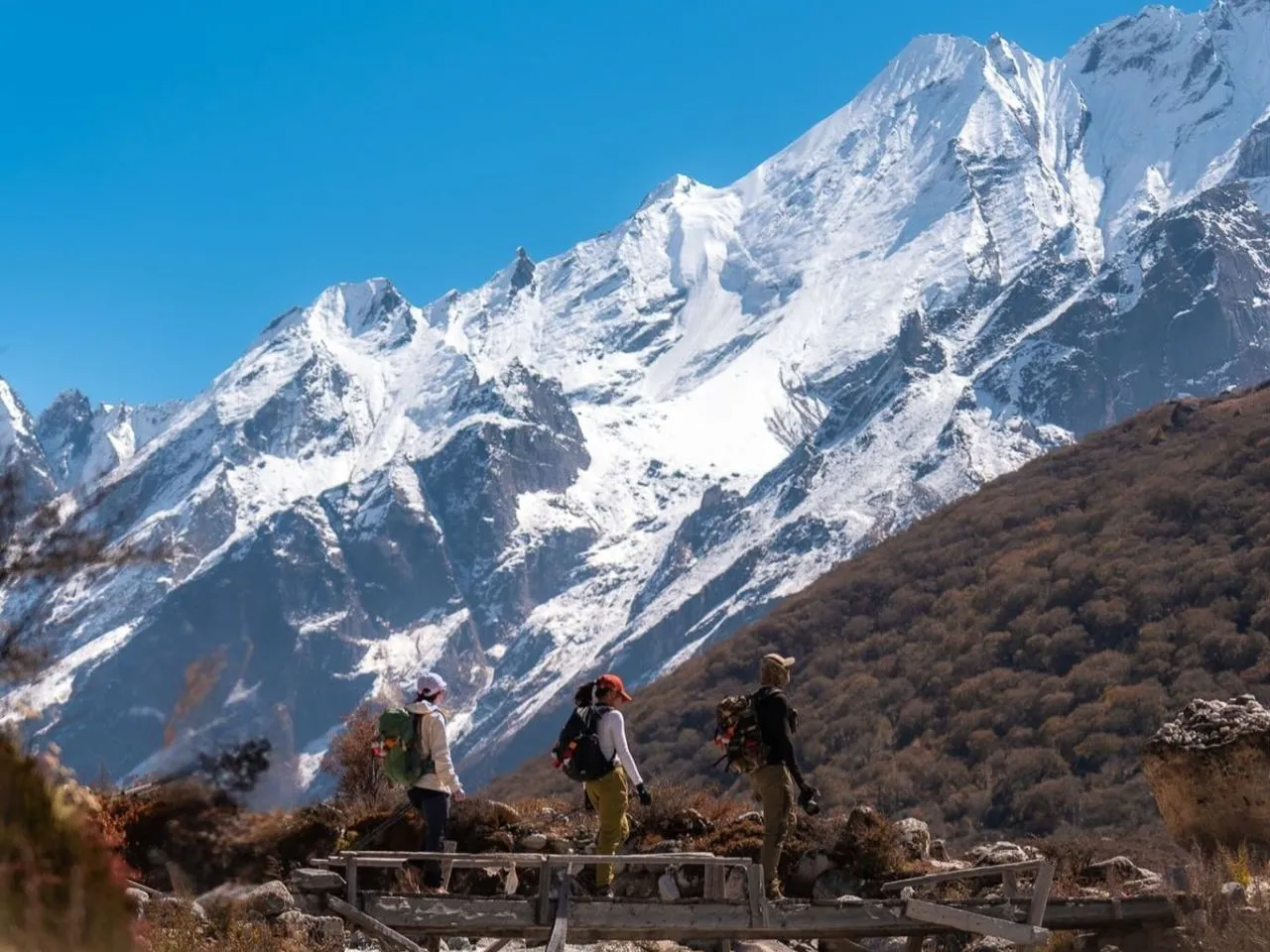
Langtang Luxus-Trek – 10 Tage
Langtang Luxus-Trek – 10 Tage
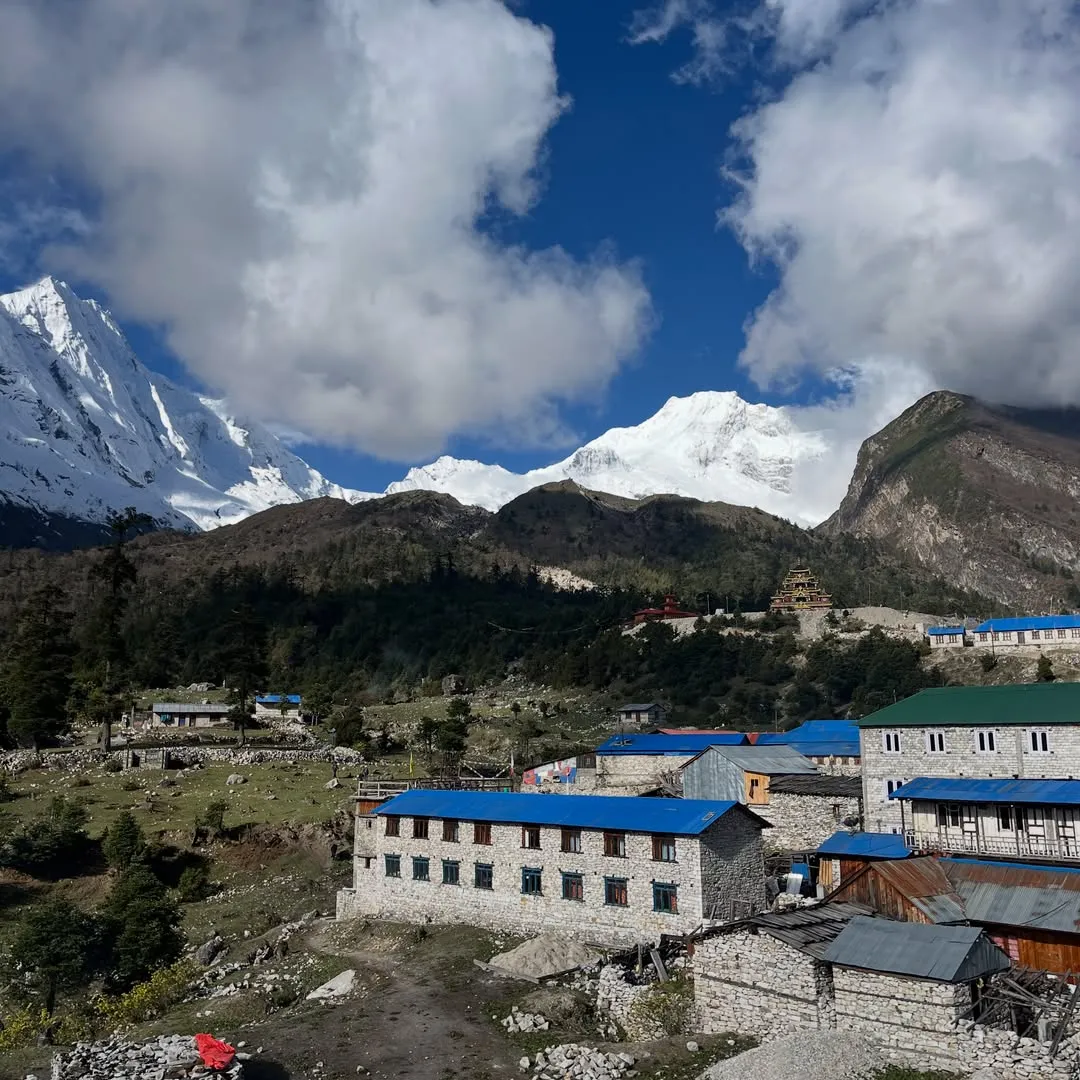
Manaslu-Familienwanderung – 12 Tage
Manaslu-Familienwanderung – 12 Tage
Manaslu-Luxus-Trek – 14 Tage
Manaslu-Luxus-Trek – 14 Tage

Manaslu-Fotografie-Trek – 17 Tage
Manaslu-Fotografie-Trek – 17 Tage
 English
 Deutsch
 Svenska
 Dansk
Dansk Русский
 Français
 Português
 Español
 Polski
 简体中文
简体中文 日本語
日本語 ไทย
ไทย العربية
 한국어
한국어