
hurtigt svar
Shortlisting an operator for the Simikot-Hilsa Trek with a mixed-ability group demands a different checklist than a standard trek. Look for documented Humla experience, flexible acclimatization days, a porter ratio of one porter per two weaker trekkers, and a written contingency plan for the 4,600 metre Nara Lagna pass crossing.
Detaljeret opdeling
The Simikot-Hilsa Trek is the standard Nepal approach to Mount Kailash, running 8 to 12 days from Simikot to the Tibetan border crossing at Hilsa. The route crosses the Nara Lagna pass at 4,600 metres and links to Lake Manasarovar on the Tibetan side. Most groups combine the Nepal-side trek with a Kailash parikrama on the Tibet side.
Mixed-ability groups bring a specific planning challenge. Stronger members can acclimatise in three to four days from Simikot at 2,900 metres to the pass at 4,600 metres. Weaker members need six to seven days. An operator must build an itinerary that keeps the stronger members active without forcing the weaker members into altitude risk.
The three operator categories are Kathmandu-based generalist operators, Kailash specialists, and Humla regional operators. Generalist operators run the trek as part of a broader Nepal portfolio. Kailash specialists focus on the Tibet-side logistics. Humla regional operators are based in Simikot or Nepalgunj and know the Nepal-side route in detail.
For a mixed-ability group, the Humla regional operator paired with a Kathmandu-based Kailash specialist is usually the best combination. The regional operator handles Nepal-side trekking and the specialist handles the Tibet-side permits and transport.
Omkostning/komponentopdeling
| Operator type | Nepal-side cost 2027 | Tibet-side cost 2027 | I alt pr. person |
|---|---|---|---|
| Kathmandu generalist | $1.200 til $1.800 | $3.500 til $4.800 | $4,700 to $6,600 |
| Kailash specialist only | $900 til $1.500 | $3.800 til $5.200 | $4,700 to $6,700 |
| Humla regional plus specialist | $1.400 til $2.000 | $3.500 til $4.800 | $4,900 to $6,800 |
| Porter upgrade (1 per 2 trekkers) | $200 to $300 extra | N/A | Recommended for mixed ability |
| Extra acclimatization day | $80 til $120 pr. dag | N/A | Recommended for mixed ability |
Hvad påvirker svaret
Tibet border status is the first factor. The Hilsa border crossing has been intermittently open since 2020. Confirm the current border status with the operator before booking.
Group fitness spread is the second factor. Ask the operator for the standard porter ratio and the upgrade cost for one porter per two trekkers.
Acclimatisation protocol is the third factor. Ask the operator for the acclimatisation schedule from Simikot at 2,900 metres to the Nara Lagna at 4,600 metres. A schedule that gains more than 500 metres per day above 3,500 metres is risky for weaker members.
Contingency planning is the fourth factor. The Simikot STOL flight cancels roughly 30 percent of departures. Ask the operator for the written contingency plan for delayed starts.
Bookingtips
Shortlist three operators and request detailed proposals. Compare porter ratios, acclimatisation days, contingency plans, and Tibet-side partner credentials.
Ask five specific questions of each operator. How many Simikot-Hilsa trips did you run in the last 12 months? What is your porter ratio for mixed-ability groups? What is your acclimatisation schedule? What is your written contingency plan for Simikot flight cancellations? Who is your Tibet-side partner and what is their permit success rate?
Book the operator with documented recent Humla experience, even at a 10 to 15 percent price premium. The Simikot side is the most logistically fragile segment of the Kailash journey, and an experienced operator prevents costly delays.
Build two buffer days into the itinerary at Simikot and one at Hilsa. STOL flight delays and border crossings both have 25 to 35 percent probability of disruption, and the buffer days prevent missed Tibet connections.
Sammenligning med alternativer
Compared with the Limi Valley Trek, the Simikot-Hilsa Trek is shorter and more logistically focused. Limi Valley is a 14 to 18 day cultural loop. Simikot-Hilsa is an 8 to 12 day transit route to Kailash. Mixed-ability groups usually choose Simikot-Hilsa for the Kailash connection.
Almindelige fejl at undgå
Booking the cheapest operator. The Simikot side is not where to save money. Cheap operators cut porter ratios, skip acclimatisation days, and have weak Tibet-side partners.
Skipping the Tibet-side partner check. The Nepal-side operator is only half the journey. Verify the Tibet-side partner's permit success rate and the border crossing protocol before booking.
Rushing the acclimatisation schedule. Weaker members pushed above 4,000 metres before they are ready produce altitude evacuations that cost thousands of dollars and end the trip.
FAQ
What porter ratio is right for a mixed-ability Simikot-Hilsa group?
One porter per two trekkers for mixed ability. Stronger members can carry their own packs. Weaker members share a porter. The upgrade costs $200 to $300 per person.
How many acclimatization days do I need before the Nara Lagna pass?
Two acclimatisation days above 3,500 metres. The pass at 4,600 metres is the high point. Weaker members benefit from a third acclimatisation day at 4,000 metres.
Can a Humla regional operator handle the Tibet-side permits?
Usually no. Regional operators handle the Nepal side. Tibet-side permits require a Lhasa-based agency partnership. Confirm the operator's Tibet-side partner before booking.
Hvad sker der, hvis Simikot-flyet aflyser?
The operator should activate a written contingency plan with two buffer days, a possible helicopter upgrade option at $2,500 to $4,000 per group, and a rebooked Tibet permit if the delay exceeds the buffer.
oversigt
Shortlist three operators for the Simikot-Hilsa Trek, compare porter ratios, acclimatisation schedules, contingency plans, and Tibet-side partners, and book the operator with documented recent Humla experience. Plan one porter per two weaker trekkers, two acclimatisation days above 3,500 metres, and two buffer days at Simikot. Avoid the cheapest option.
ende
The Simikot-Hilsa Trek in 2027 is the most logistically fragile segment of the Kailash journey, and operator selection matters more than for any standard Nepal trek. For mixed-ability groups, the right operator balances acclimatisation discipline with porter support and a credible Tibet-side partner. Pay the 10 to 15 percent premium for documented Humla experience and the trip delivers.
Anbefalede Trek-pakker
Trekking steder at udforske
Explore Trips in Nepal
Hand-picked guided trips to this destination
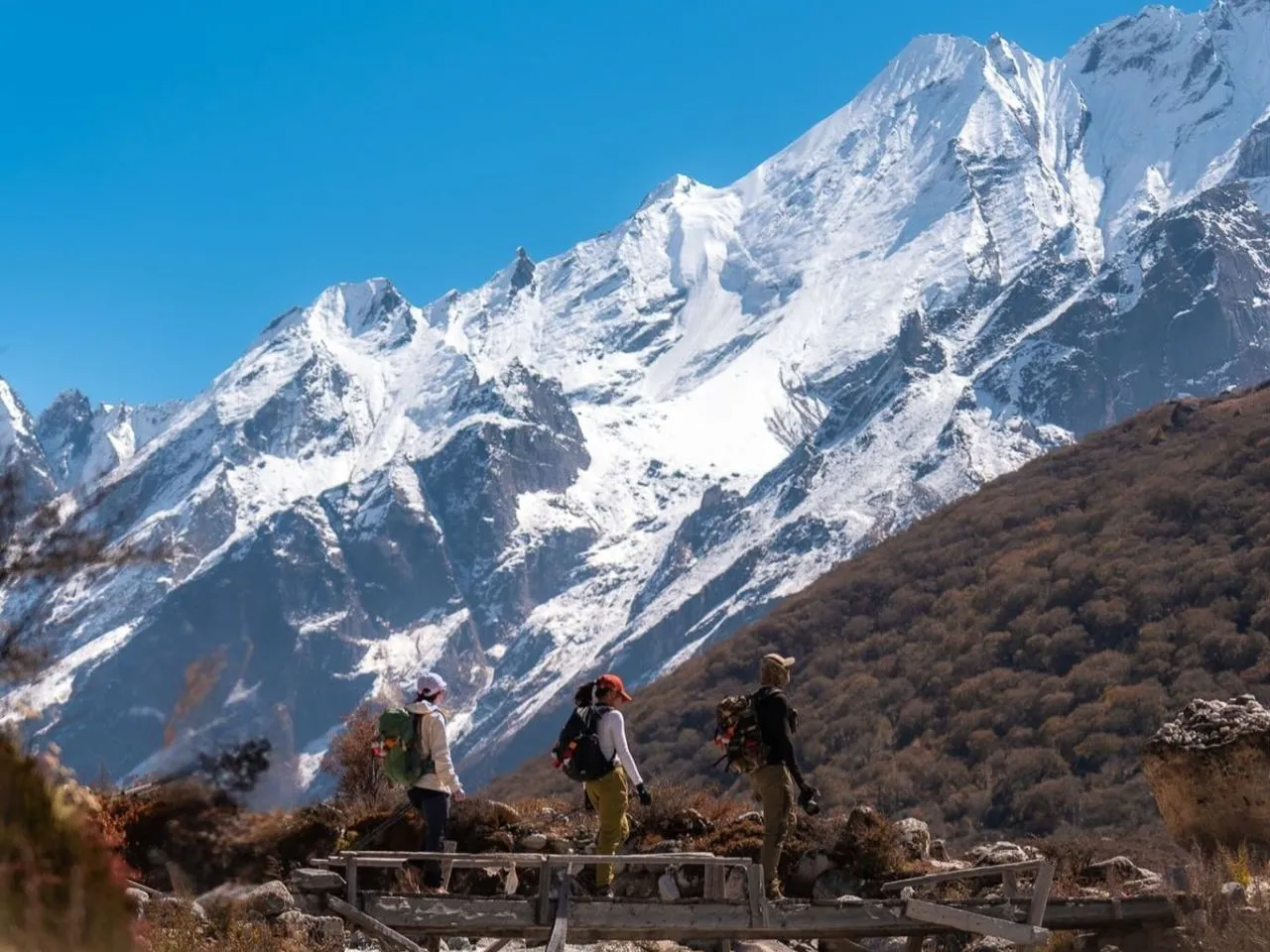
Langtang Luxury Trek – 10 dage
Langtang Luxury Trek – 10 dage
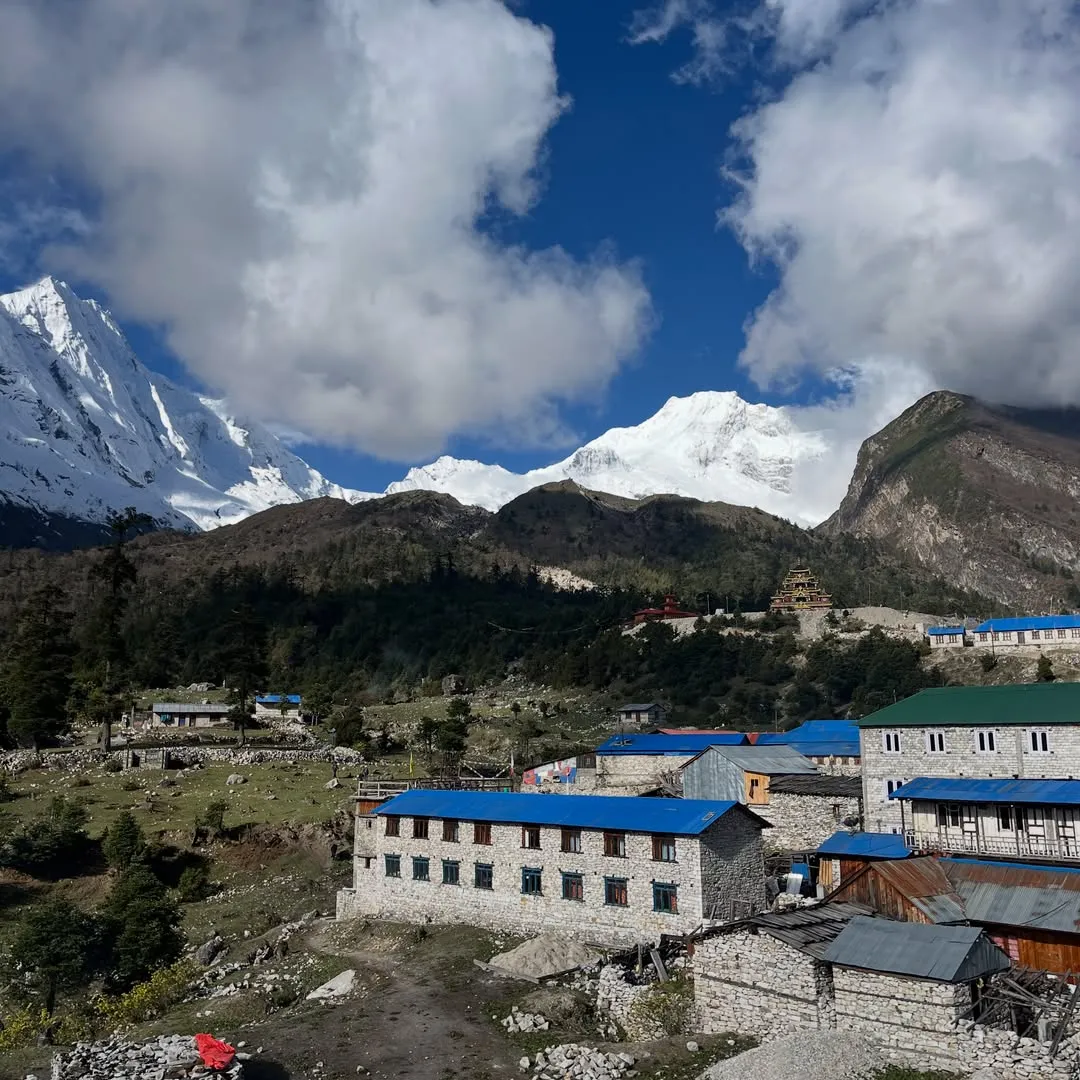
Manaslu Family Trek – 12 dage
Manaslu Family Trek – 12 dage
Manaslu Luxury Trek – 14 dage
Manaslu Luxury Trek – 14 dage

Manaslu Photography Trek – 17 dage
Manaslu Photography Trek – 17 dage
 English
 Deutsch
 Svenska
 Dansk
Dansk Русский
 Français
 Português
 Español
 Polski
 简体中文
简体中文 日本語
日本語 ไทย
ไทย العربية
 한국어
한국어