
إجابة سريعة
Dhorpatan offers genuine village culture alongside remote landscapes. The route crosses Magar and Tibetan refugee settlements at 2,500 to 3,000 metres, climbs to alpine meadows at 3,700 metres, and passes working hunter camps. Plan 9 to 14 days to experience both cultural and scenic dimensions, and budget USD 1,400 to USD 2,000 per person including permits and guide.
تفصيلي مفصل
The Dhorpatan Hunting Reserve Trek sits in western Nepal, the only designated hunting reserve in the country, covering 1,325 square kilometres. The reserve is the only place where regulated trophy hunting of blue sheep and Himalayan tahr is permitted, but the trek itself is open to non hunters. The route starts at Burtibang, climbs through subtropical forest to the Magar village of Dhorpatan, then crosses the Bobang and Gurjaghat ridges before descending back to Burtibang or continuing east to Beni.
The village layer of the experience is real. Dhorpatan village itself is home to roughly 800 households, primarily Magar people who practice a mix of Hinduism, Buddhism, and animist traditions. Tibetan refugees arrived in the 1960s and run small potato and buckwheat farms on the high meadows. Trekkers stay in village homestays at Dhorpatan, Bobang, and Gurjaghat, and meals include dal bhat, dhindo, and local buckwheat pancakes.
The landscape layer is equally real. Above 3,000 metres the forest opens to rolling alpine meadows, and the route crosses three passes above 3,500 metres with views of Dhaulagiri, Gurja Himal, and the western Annapurna ranges. The reserve's core zone, where hunting is permitted, is off the trekking route, but trekkers can observe blue sheep and tahr herds grazing on the meadows.
تكلفه / تقسيم المكون
| مكون | 9 day | 14 day |
|---|---|---|
| Pokhara to Burtibang jeep | $40 | $40 |
| Dhorpatan Reserve permit | $20 | $20 |
| بطاقة تيمس | $10 | $10 |
| دليل (يوم) | $360 | $560 |
| Homestay and meals | $360 | $560 |
| Return transport to Pokhara | $40 | $40 |
| المجموع لكل شخص | $830 | $1,230 |
Add USD 100 to USD 200 for a porter if you want to walk without a heavy pack. Magar homestays run USD 25 to USD 35 per person including all meals.
ما يؤثر على الجواب
Itinerary length is the largest factor. The 9 day loop covers Dhorpatan village and one alpine pass, while the 14 day version adds Gurjaghat, the eastern descent to Beni, and a deeper cultural engagement with Tibetan refugee families on the high meadows.
Season shifts the cultural dimension. Spring (March to May) sees the Magar village festivals of Chhaite Dasain and the spring planting ceremony, which trekkers can attend with prior arrangement. Autumn (October to November) is the post harvest season, when families are threshing grain and preparing for winter, and the village atmosphere is more workaday.
Your guide matters. A Magar speaking guide unlocks conversation with village elders, explains animist ritual sites along the trail, and arranges impromptu meals in village homes that a non local guide cannot access.
نصائح الحجز
Book through a Pokhara based agency with explicit Dhorpatan experience. Most Kathmandu agencies subcontract Pokhara operators, which adds 10 to 15 percent to the cost without improving service.
Request a Magar or local guide specifically. The Dhorpatan area has a small but reliable pool of Magar guides who grew up in the valley and know both the cultural and route details.
Carry cash in NPR. There is no ATM in Burtibang or Dhorpatan, and homestay payments are cash only. Plan NPR 25,000 to NPR 40,000 per person for the trek duration.
مقارنة مع البدائل
The Annapurna Circuit offers stronger mountain scenery and more developed teahouse infrastructure, but village culture is more diluted by tourism. Dhorpatan is the better choice if cultural authenticity matters more than scenery.
The Dhaulagiri Circuit sits to the north and offers more dramatic alpine scenery but has minimal village culture, with most nights in tented camps. The Ghorepani Poon Hill Trek is shorter and easier but significantly more crowded and less culturally immersive.
The Api Nampa Trek in far western Nepal offers similar Magar and Byans cultural encounters, but with longer transport and higher cost. Dhorpatan wins on accessibility from Pokhara.
الأخطاء الشائعة التي يجب تجنبها
Treating Dhorpatan as a hunting trip if you are not a hunter. Trophy hunting permits cost USD 15,000 to USD 35,000 and require months of advance booking. The trekking experience is entirely separate.
Skipping the village homestays for tented camps. The homestays are the cultural highlight, and tented camping misses the point of visiting the reserve.
Booking a guide without checking Magar language ability. Many Kathmandu guides speak only Nepali and English, which limits conversation with village elders who speak Magar as their first language.
أسئلة وأجوبة
Is the Dhorpatan trek suitable for non hunters?
Yes, completely. The trekking route does not enter the hunting core zone, and most visitors are trekkers rather than hunters. Hunting permits are separate and cost tens of thousands of dollars.
What is the best village to stay in for cultural experience?
Dhorpatan village itself, with at least two nights. The Tibetan refugee settlement at Gurjaghat is the second highlight for cultural engagement.
Are the villages authentic or tourist oriented?
Authentic. Dhorpatan sees fewer than 200 trekkers per year, so the villages have not adapted to tourism in the way Annapurna or Khumbu villages have.
Can I extend the trek to combine culture and scenery?
Yes. The 14 day version crosses two additional passes and includes the eastern descent to Beni, balancing village stays with high alpine scenery.
خلاصة
Dhorpatan delivers both village culture and remote landscapes in a single 9 to 14 day itinerary. Choose a Magar speaking guide, stay in homestays, and budget USD 1,400 to USD 2,000 per person for the full experience. The reserve's low visitor numbers make it one of the more authentic cultural treks still accessible from Pokhara.
ختام
The Dhorpatan Hunting Reserve Trek answers the village versus landscape question with a clear yes to both. The Magar villages, Tibetan refugee farms, and high alpine meadows form a single itinerary that few other moderate altitude treks in Nepal can match for cultural depth and scenic range, and the low visitor volume preserves the authenticity that has eroded in more popular regions.
حزم الرحلات الموصى بها
أماكن للرحلات للاستكشاف
Explore Trips in Nepal
Hand-picked guided trips to this destination
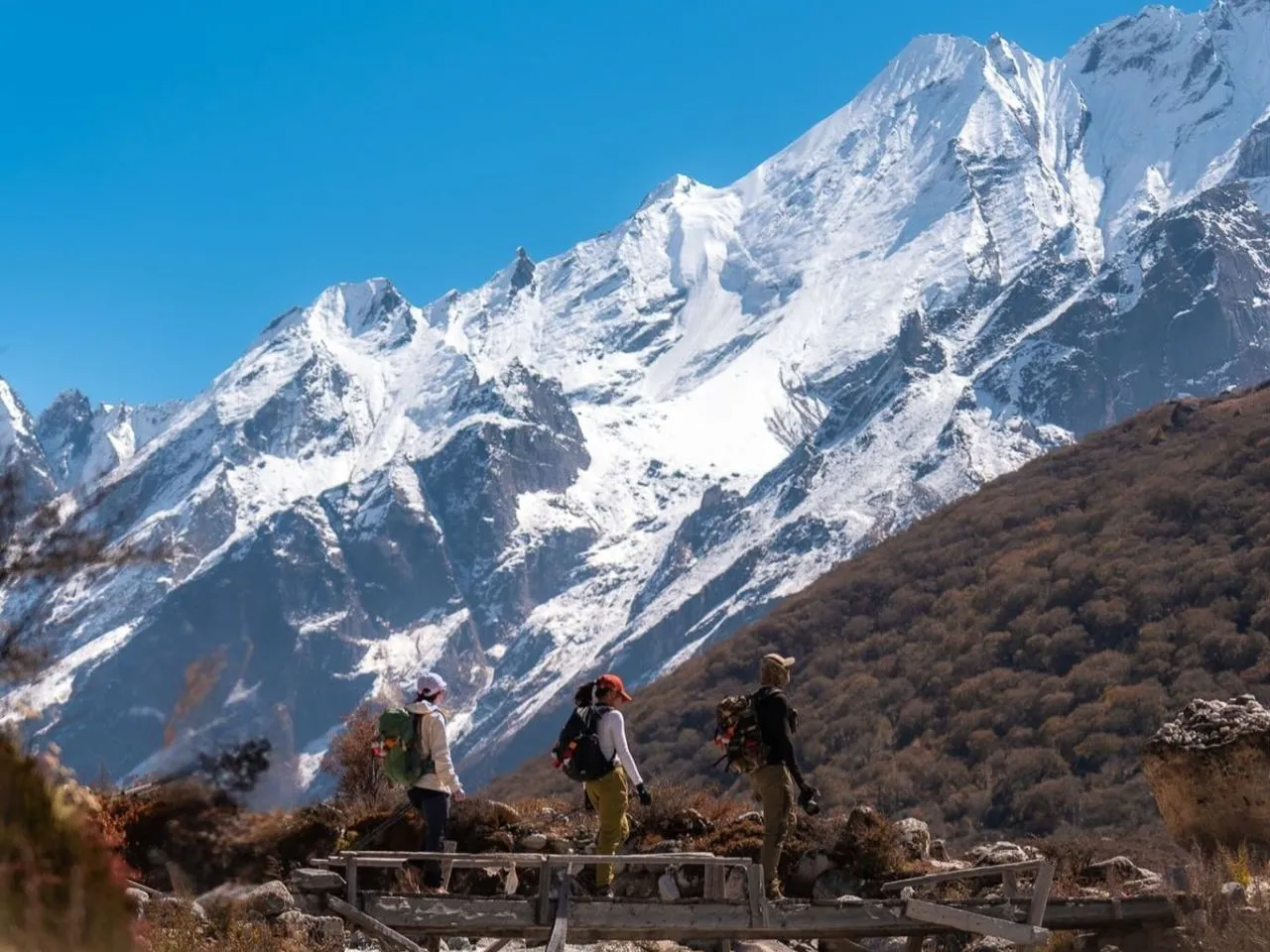
لانجتانج تيك لاكشري - 10 أيام
لانجتانج تيك لاكشري - 10 أيام
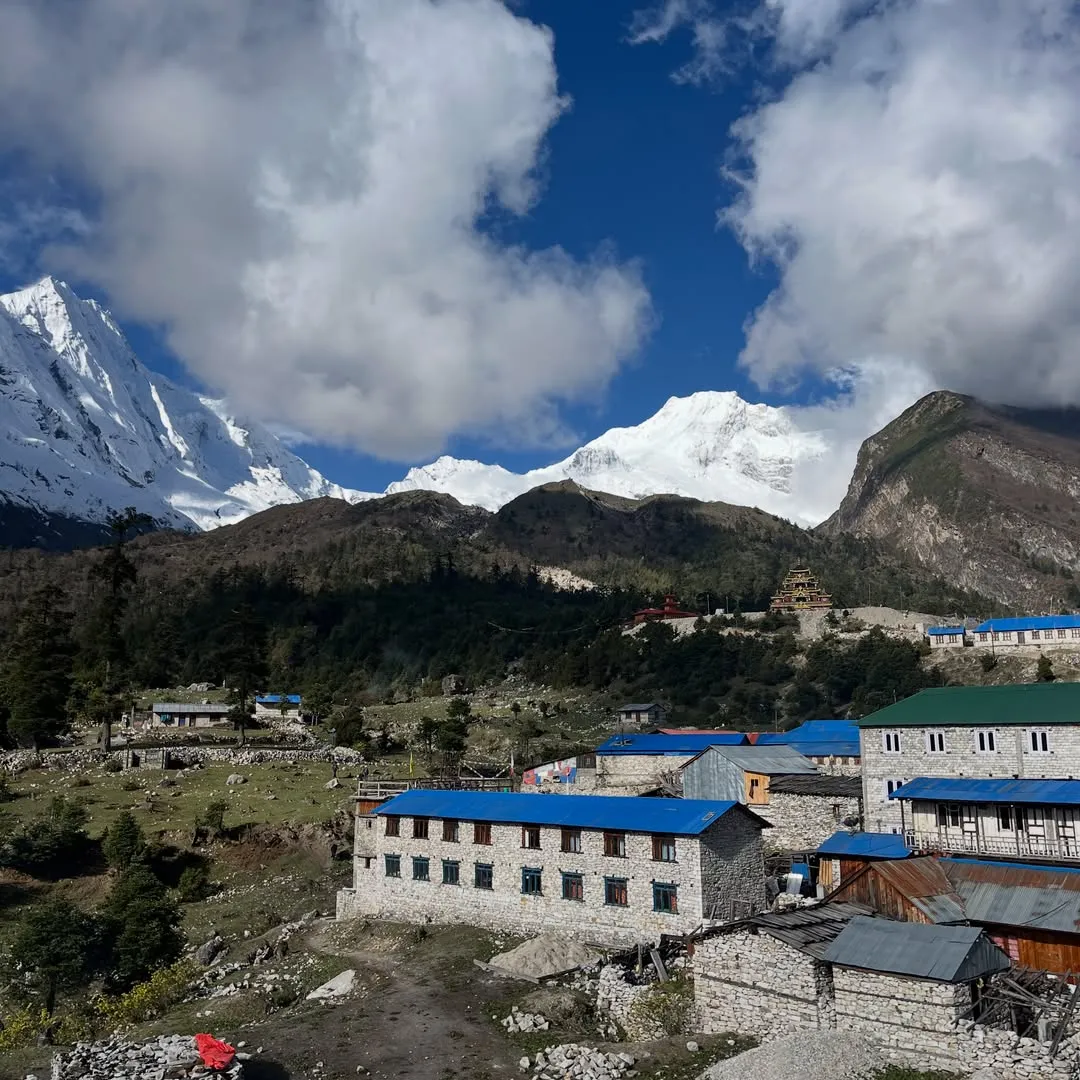
رحلة عائلة ماناسلو - 12 يومًا
رحلة عائلة ماناسلو - 12 يومًا
رحلة ماناسلو الفاخرة - 14 يومًا
رحلة ماناسلو الفاخرة - 14 يومًا

رحلة تصوير ماناسلو – 17 يومًا
رحلة تصوير ماناسلو – 17 يومًا
 English
 Deutsch
 Svenska
 Dansk
Dansk Русский
 Français
 Português
 Español
 Polski
 简体中文
简体中文 日本語
日本語 ไทย
ไทย العربية
 한국어
한국어