
resposta rápida
Food, lodging, and toilets on Far West Nepal treks like the Simikot route run basic. Dal bhat is served twice daily, squat toilets are the norm with no running water, cold showers cost USD 1 to USD 2, and dorm beds sleep 4 to 8 trekkers per room. Tea houses operate below 3,000 m at USD 15 to USD 25 per night full board. Above 3,000 m the route uses full camping with a kitchen crew. Carry soap, toilet paper, hand sanitizer, and water purification tablets.
Detalhamento detalhado
The Simikot Trek runs 6 to 9 days from Simikot at 2,950 m to Hilsa at 3,720 m and back, with optional extensions to Limi Valley. Simikot has 8 basic teahouses with shared dorm rooms of 4 to 8 beds each, squat toilets outside, and cold showers at USD 1 to USD 2. Meals are dal bhat twice daily, fried rice, and noodles. The route climbs through 6 villages above 3,000 m where teahouse infrastructure ends and full camping is required.
Teahouses on the Simikot route serve dal bhat for USD 3 to USD 4, fried rice for USD 2 to USD 3, and tea for USD 0.50. Kitchens use wood or gas stoves. Squat toilets are pit style with no running water and no toilet paper. Carry your own paper, hand sanitizer, and soap. Cold showers run from a bucket. Above 3,000 m the camping crew cooks dal bhat, pasta, and rice on gas stoves, with dug pit toilets at each camp.
Distribuição de custo/componente
| componente | detalhe | custo USD |
|---|---|---|
| pensão completa da casa de chá | Below 3,000 m | $15 a $25 por noite |
| Camping full board | Above 3,000 m | $30 to $45 per night |
| Dal bhat meal | Standard dinner | $3 to $4 |
| Fried rice meal | Lunch option | $2 to $3 |
| Tea or coffee | Per cup | $0.50 |
| Cold shower | Bucket and tap | $1 a $2 |
| Satellite phone use | Per minute | $2 to $3 |
| Total de 9 dias de caminhada | Per trekker with guide | $680 to $1,120 |
O que afeta a resposta
Altitude is the biggest factor. Below 3,000 m teahouses operate with dorm beds and shared squat toilets. Above 3,000 m the route enters the Limi Valley with no infrastructure and requires full camping. Season is the second factor. October to November offers 70 to 75 percent clear mornings. December to February drops demand to 2 to 4 trekkers per day and most teahouses close.
Group size is the third factor. A 4 person group splits the kitchen crew cost across 4 trekkers and lands at USD 680 per person. A solo trekker pays USD 1,200 to USD 1,500. Trek duration is the fourth factor. The 6 day Simikot to Hilsa route uses teahouses only. The 14 to 18 day Limi extension adds 8 to 9 days of camping above 3,000 m.
Dicas de reserva
Book 8 to 10 weeks ahead through a Kathmandu or Nepalgunj agency. Carry soap, hand sanitizer, toilet paper, and water purification tablets because teahouse toilets provide none. Carry a minus 10 C sleeping bag for Hilsa nights. Bring a headlamp for nighttime toilet visits. Carry USD 200 to USD 300 cash because no ATMs operate above Simikot.
Comparação com alternativas
The Limi Valley Trek at 5,000 m runs 14 to 18 days with full camping for USD 2,800 to USD 3,800. The Api Base Camp Trek at 3,800 m runs 14 to 18 days for USD 2,400 to USD 3,200. The Rara Lake Trek at 3,000 m runs 7 to 10 days with teahouses for USD 480 to USD 780. The Mugu Cultural Trek at 3,700 m runs 12 to 16 days for USD 1,800 to USD 2,800.
Erros comuns a evitar
Trekkers often arrive without toilet paper, soap, and hand sanitizer. Teahouse toilets provide none of these, and 30 to 40 percent of trekkers develop gastrointestinal illness without proper hygiene.
A second mistake is assuming hot showers are available. Cold showers at USD 1 to USD 2 are the norm. Carry wet wipes and 2 sets of base layers for the route. Hot water for washing hands is available only at the kitchen.
FAQ
How basic are food, lodging, and toilets on remote Far West Nepal treks? Very basic. Dal bhat twice daily, dorm beds for 4 to 8, squat toilets with no running water, and cold showers at USD 1 to USD 2. Carry soap, paper, and sanitizer.
Do teahouses have running water? Mostly no. Squat toilets are pit style. Carry water from the kitchen for cleaning. Cold showers run from a bucket.
What is the standard meal on the Simikot route? Dal bhat for dinner and lunch, fried rice or noodles for breakfast. The kitchen serves 1 to 2 portions and unlimited rice refills. Bring snacks because variety is limited.
Can I drink the local water? Treat all water with purification tablets or a filter. River water above 3,000 m carries bacteria from upstream villages. Carry 2 L of capacity and refill at each teahouse.
resumo
Food, lodging, and toilets on Far West Nepal treks like the Simikot route run basic with dal bhat twice daily, dorm beds for 4 to 8 trekkers, squat toilets with no running water, and cold showers at USD 1 to USD 2. Carry soap, toilet paper, hand sanitizer, and water purification tablets. Budget USD 680 to USD 1,120 per trekker for the 9 day route.
conclusão
Choose Far West Nepal treks only if you accept basic food, lodging, and toilet conditions. Carry soap, toilet paper, hand sanitizer, water purification tablets, a minus 10 C sleeping bag, and USD 200 to USD 300 in cash. Book 8 to 10 weeks ahead through a Kathmandu or Nepalgunj based agency for the 9 day Simikot to Hilsa route.
Pacotes de Trek recomendados
Trekking Places para explorar
Explore Trips in Nepal
Hand-picked guided trips to this destination
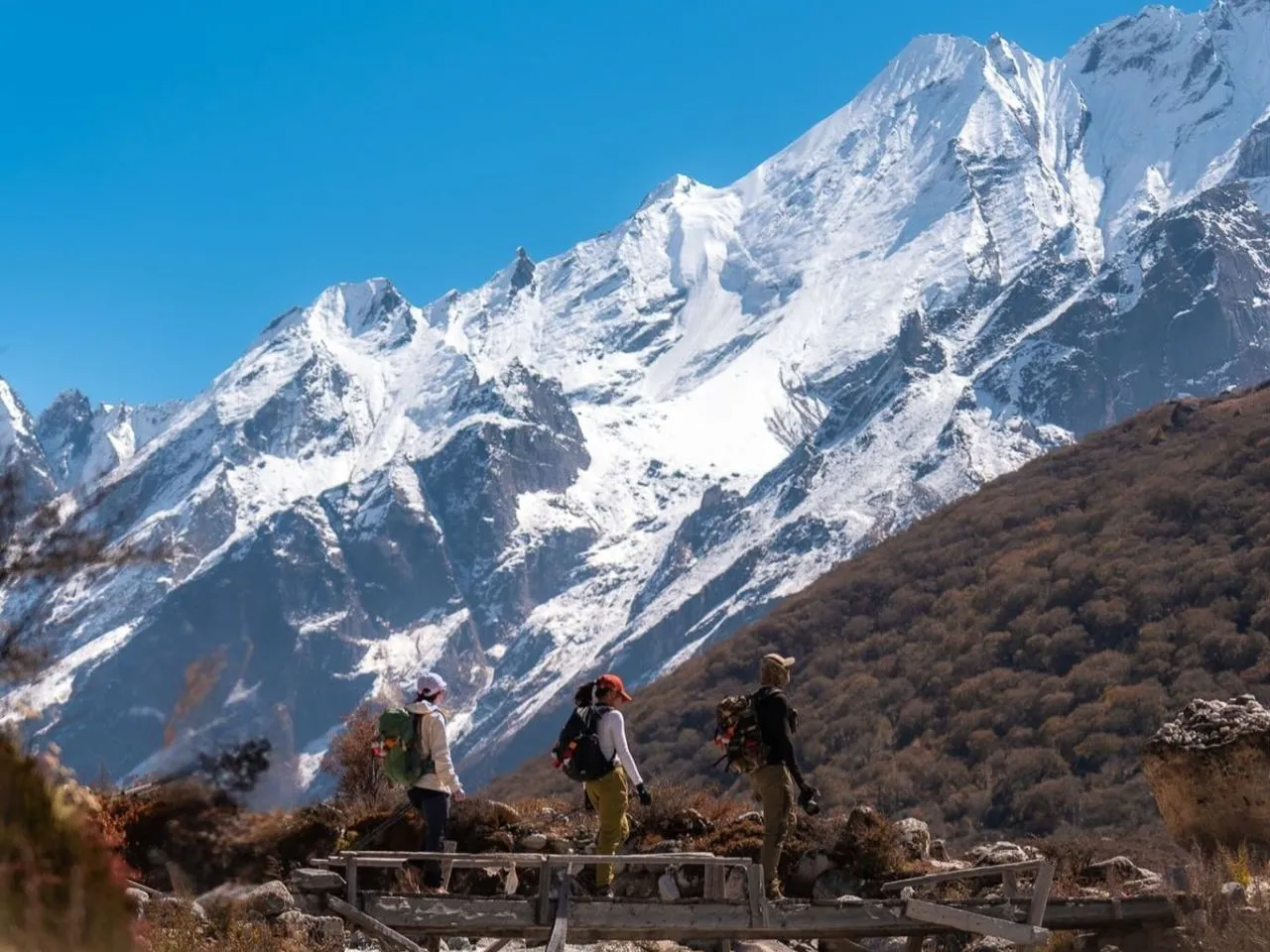
Trek de luxo Langtang – 10 dias
Trek de luxo Langtang – 10 dias
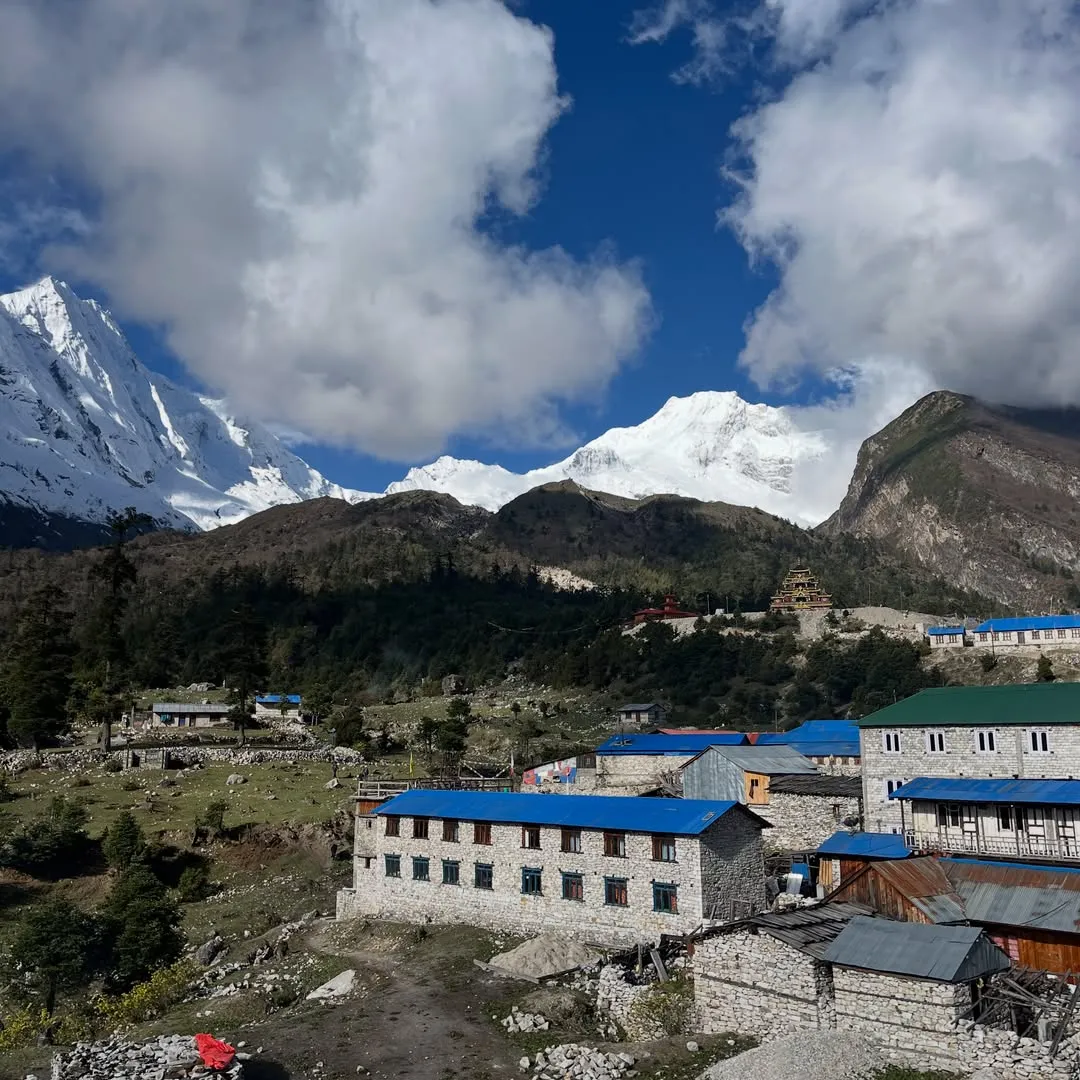
Trek em família Manaslu – 12 dias
Trek em família Manaslu – 12 dias
Trek de luxo em Manaslu – 14 dias
Trek de luxo em Manaslu – 14 dias

Trek de fotografia de Manaslu – 17 dias
Trek de fotografia de Manaslu – 17 dias
 English
 Deutsch
 Svenska
 Dansk
Dansk Русский
 Français
 Português
 Español
 Polski
 简体中文
简体中文 日本語
日本語 ไทย
ไทย العربية
 한국어
한국어