
szybka odpowiedź
Mera Peak summit chances run 75 to 85 percent in October and April with stable weather, 60 to 70 percent in November and May as cold and snow increase, 50 to 60 percent in December and February with winter storms, and 30 to 40 percent in July and August with monsoon cloud. Pick spring April to early May or autumn October to early November for safest conditions. Budget USD 3,000 to USD 4,500 per climber for 16 to 20 days in 2027.
Szczegółowy podział
Mera Peak at 6,476 m is Nepal's highest trekking peak. The climbing season splits into four windows. Spring from March to May has warming temperatures, stable snow bridges over crevasses, and 70 to 85 percent summit rates. Autumn from October to November has clear skies, fresh snow, and 75 to 85 percent summit rates. Winter from December to February has cold, storms, and 50 to 60 percent rates. Monsoon from June to September has cloud, rain, and 30 to 40 percent rates.
Safety follows the same pattern. Spring and autumn see 5 to 10 percent frostbite rates and 8 to 12 percent AMS retreat rates. Winter jumps to 15 to 25 percent frostbite and 15 to 20 percent AMS retreat. Monsoon has lower frostbite but route finding becomes hard in cloud.
The summit push from High Camp at 5,800 m to the 6,476 m top takes 8 to 11 hours up and 4 to 6 hours down. Climbers leave at 2 to 3 am and need a 10 to 12 hour weather window. Spring and autumn offer these windows 4 to 6 days out of 7. Winter offers them 2 to 3 days out of 7.
Podział kosztów/komponentów
| składnik | szczegół | Koszt (USD) |
|---|---|---|
| Lukla flights round trip | Both ways, Kathmandu Lukla | $360 do $440 |
| Pozwolenie na wspinaczkę na szczyt Mera | NMA permit per climber | $250 do $350 |
| Sagarmatha and Pasang Lhamu permits | Park entry | $50 do $60 |
| Przewodnik i wspinaczka Sherpa | 16 to 20 days, 1 to 2 Sherpas | $1,200 do $1,900 |
| Tragarze i jakowie do bazy | Carry gear to Khare | $400 do $700 |
| Teahouse and tent full board | 16 do 20 dni | $700 do $1,100 |
| Group climbing gear rental | Ice axe, crampons, harness, rope | $150 do $300 |
| Total per climber 2027 | 16 to 20 days Kathmandu return | $3,000 do $4,500 |
Co wpływa na odpowiedź
Storm timing is the biggest summit lever. A single 2 day storm at High Camp can end a climb. Spring and autumn have fewer storms and more reliable 10 to 12 hour windows. Winter has 4 to 6 storms per month.
Climber fitness and acclimatisation shape safety. Climbers who arrive at High Camp with mild AMS symptoms have 3 times the retreat rate. Build in 2 acclimatisation days at Khare at 5,000 m and 1 rest day at Mera Base Camp at 5,300 m.
Wskazówki dotyczące rezerwacji
Book 5 to 7 months ahead for April and October. Confirm the operator uses a 1 to 2 climber to Sherpa ratio for the summit push. Buy helicopter evacuation insurance covering USD 6,000 to USD 10,000. Carry a personal locator beacon for High Camp.
Pack a 4 season sleeping bag rated to minus 25 C, plastic double mountaineering boots, warm mittens, and a down suit rated to minus 30 C for the summit push.
Porównanie z alternatywami
Island Peak at 6,189 m costs USD 2,800 to USD 4,200 for 16 to 20 days with similar spring and autumn windows but more technical fixed rope sections. Lobuche East at 6,119 m costs USD 2,500 to USD 4,000 with 70 to 80 percent summit rates in autumn. Mera Peak is the highest and least technical of the three, making season choice the main safety lever.
Częste błędy, których należy unikać
Choosing winter to avoid crowds is the main mistake. Crowds are smaller but storm risk doubles and summit rates drop to 50 to 60 percent. A second mistake is under acclimatising to save days. Skipping Khare rest days triples AMS retreat rates.
Under packing gloves is a third mistake. Summit pushes need 3 layer gloves: liner, insulated, and shell. Single gloves lead to frostnip in 1 to 2 hours at minus 25 C.
FAQ
What is the best season for Mera Peak? Spring April to early May and autumn October to early November. Both offer 75 to 85 percent summit rates, stable weather, and 5 to 10 percent frostbite risk.
Can I climb Mera Peak in winter? Possible but risky. December and February have 50 to 60 percent summit rates and 15 to 25 percent frostbite rates. Only attempt with prior 6,000 m experience.
Is Mera Peak safe in monsoon? No. Cloud covers the route 60 to 80 percent of days in July and August, and summit rates drop to 30 to 40 percent. Skip monsoon for any 6,000 m peak.
How many summit days should I plan? Two. Build in 1 weather day at High Camp so a 1 day storm does not end the trip. Most operators include this in 18 to 20 day itineraries.
What is the AMS retreat rate on Mera Peak? 8 to 12 percent in spring and autumn, 15 to 20 percent in winter. Acclimatise at Khare for 2 nights and carry Diamox as backup.
zbiorczy
Mera Peak summit chances run 75 to 85 percent in October and April, 60 to 70 percent in November and May, 50 to 60 percent in winter, and 30 to 40 percent in monsoon. Pick spring or autumn, budget USD 3,000 to USD 4,500 per climber for 16 to 20 days in 2027, and build in 2 acclimatisation days and 1 weather day.
wnioskowanie
Season is the single biggest factor in Mera Peak safety and summit success. Spring and autumn deliver 75 to 85 percent summit rates with manageable frostbite and AMS risk. Winter and monsoon cut those rates by 25 to 50 percent and raise frostbite risk sharply. Book April or October, acclimatise properly, and bring 4 season gear.
Zalecane pakiety Trek
Miejsca trekkingowe do zwiedzania
Explore Trips in Nepal
Hand-picked guided trips to this destination
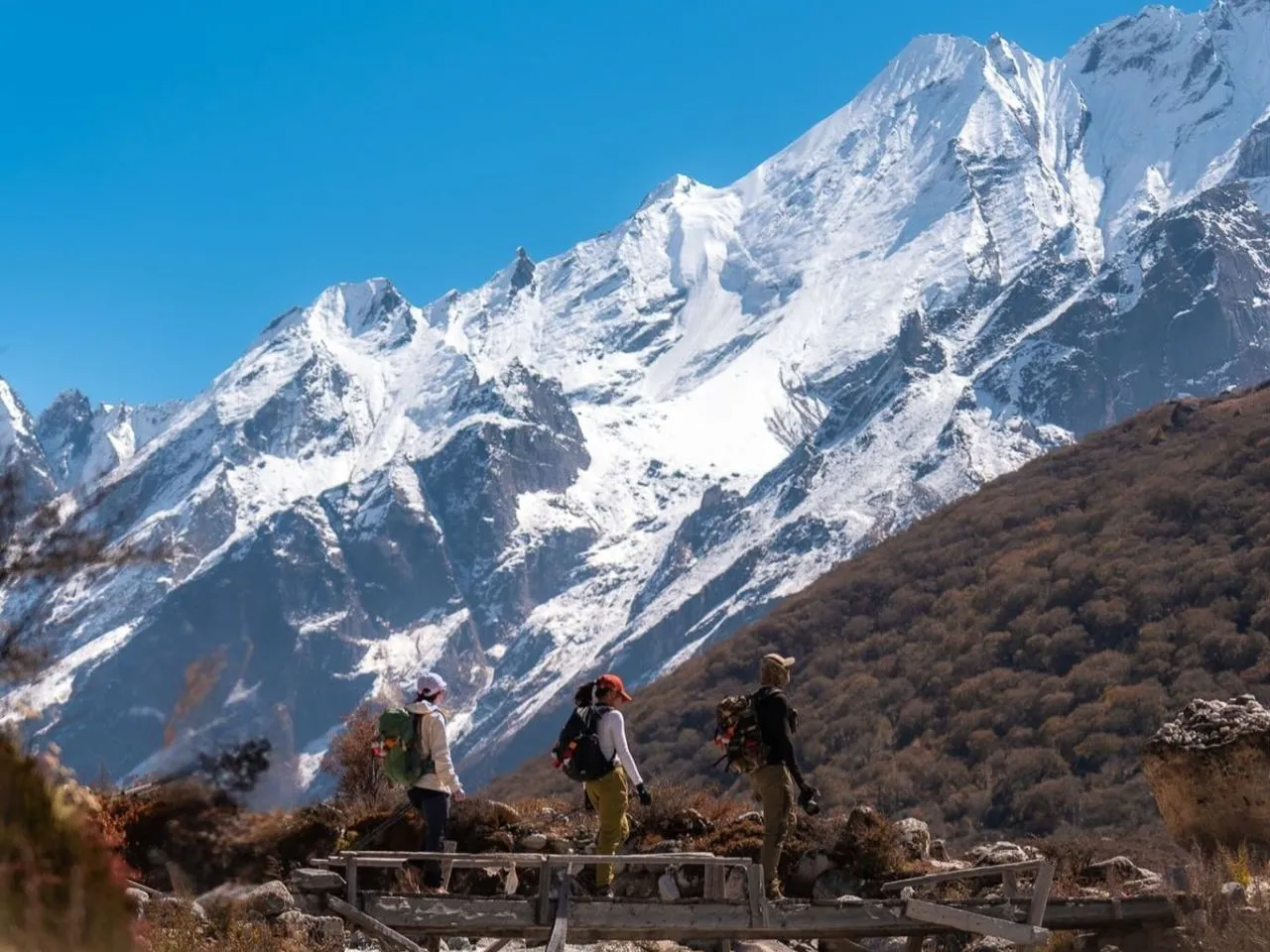
Luksusowa wędrówka Langtang – 10 dni
Luksusowa wędrówka Langtang – 10 dni
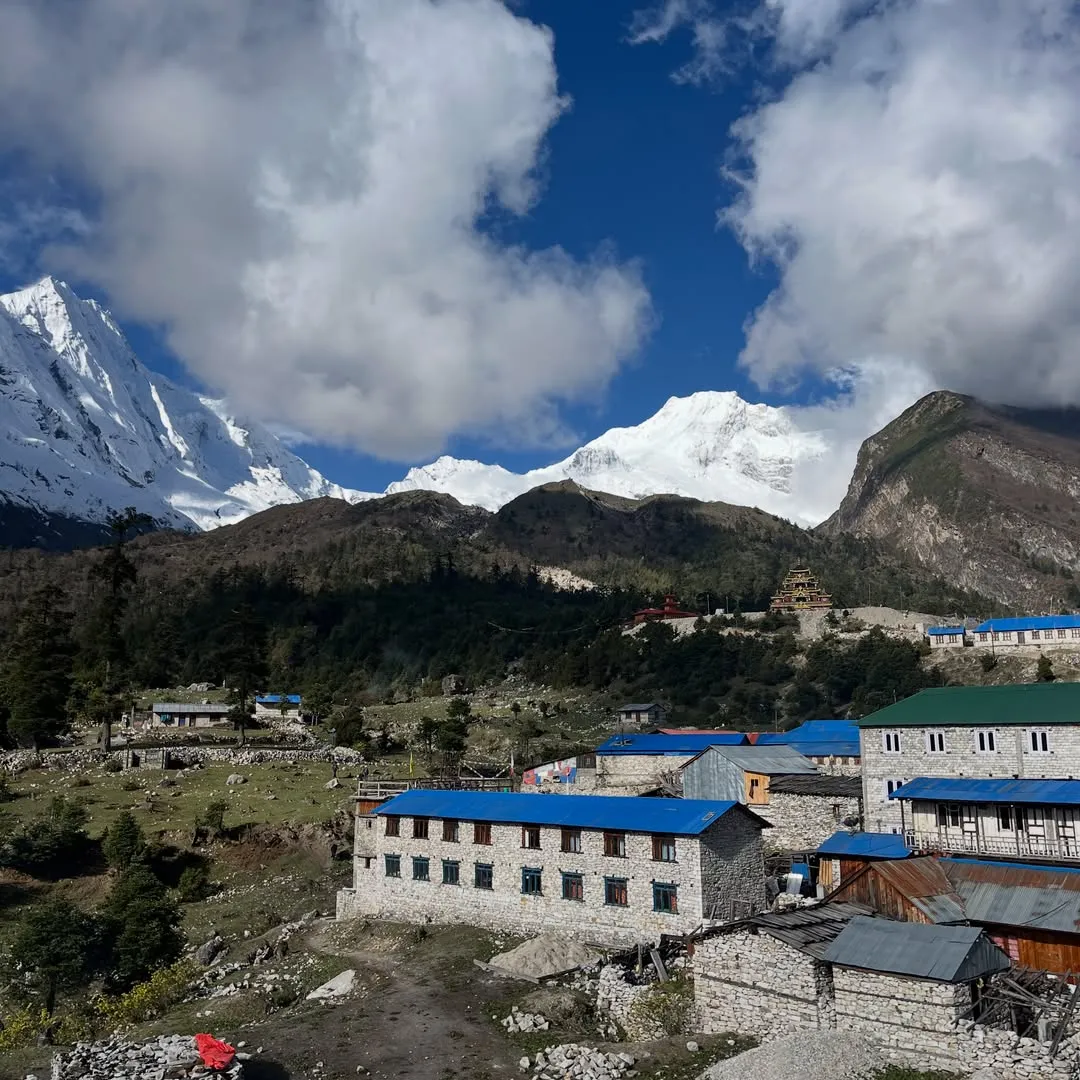
Wędrówka rodzinna Manaslu – 12 dni
Wędrówka rodzinna Manaslu – 12 dni
Luksusowa wędrówka Manaslu – 14 dni
Luksusowa wędrówka Manaslu – 14 dni

Manaslu Fotografia wędrówka – 17 dni
Manaslu Fotografia wędrówka – 17 dni
 English
 Deutsch
 Svenska
 Dansk
Dansk Русский
 Français
 Português
 Español
 Polski
 简体中文
简体中文 日本語
日本語 ไทย
ไทย العربية
 한국어
한국어