
szybka odpowiedź
A Langtang-Gosaikunda trek operator should provide altitude trained guides with first aid certification, a pulse oximeter for daily blood oxygen monitoring, an emergency oxygen canister, a satellite phone or Garmin inReach, a comprehensive first aid kit, and a written evacuation plan covering Gosaikunda at 4,380 metres and the Laurebina La pass at 4,610 metres. A 2027 standard 9 day Langtang-Gosaikunda package costs $780 to $1,050 per person with safety equipment included.
Langtang-Gosaikunda combines moderate altitude trekking with the Lauribina La pass crossing at 4,610 metres, and operator safety support is critical because the route has 8 to 12 percent altitude sickness incidence.
Szczegółowy podział
Altitude trained guides with first aid certification should lead every Langtang-Gosaikunda trek, because the route reaches 4,610 metres at Lauribina La and 4,380 metres at Gosaikunda. Guides should have completed the Nepal Mountaineering Association altitude training and hold a current first aid certificate. Verify the guide's credentials before departure, because some operators use untrained assistants to cut costs.
A pulse oximeter for daily blood oxygen monitoring is essential at altitude, because readings below 85 percent require descent. The operator should carry an emergency oxygen canister rated for 15 minutes of use, enough to stabilize a sick trekker until ground evacuation or helicopter rescue arrives. A satellite phone or Garmin inReach is critical because cellular signal is patchy in Langtang and non-existent at Gosaikunda, and emergency coordination requires real-time communication.
Podział kosztów/komponentów
Below is a 2027 cost breakdown for safety equipment and operator support on a 9 day Langtang-Gosaikunda trek.
| Element bezpieczeństwa | kosztować | Odpowiedzialność operatora |
|---|---|---|
| Altitude trained guide 9 days | $270 | Mandatory, included in package |
| First aid kit with altitude medication | $40 | Mandatory, included |
| pulsoksymetr | $30 | Mandatory, included |
| Awaryjny kanister z tlenem | $80 | Mandatory, included |
| Telefon satelitarny lub Garmin inReach | $50 rental | Mandatory, included |
| Helicopter evacuation coordination | $0 retainer | Mandatory, billed to insurance |
| Pisemny plan ewakuacji | $0 | Mandatory, provided before departure |
| Guide insurance covering 5,000 metres | $60 | Mandatory, included |
Safety equipment adds $530 to the operator's cost, included in any reputable package.
Co wpływa na odpowiedź
Several factors shape what safety support your operator should provide. The route choice matters, with the Gosaikunda via Lauribina La crossing requiring more safety equipment than the lower Langtang Valley only. The season matters, with winter crossings requiring additional cold weather gear and oxygen. Your group size matters, with solo trekkers requiring more operator support because there is no group member to assist in emergencies.
- Wybór trasy: Lauribina La crossing requires full safety kit.
- Sezon: Winter crossings need additional cold weather and oxygen support.
- Wielkość grupy: Solo trekkers need enhanced operator coverage.
- Doświadczenie Trekkera: First time altitude trekkers need closer monitoring.
Wskazówki dotyczące rezerwacji / porady praktyczne
Ask your operator for proof of guide altitude training and first aid certification before paying the deposit, because untrained guides put you at risk. Verify that oxygen canister and pulse oximeter are listed in the package inclusions, because some budget operators skip these to save $80. Request the written evacuation plan before departure, with phone numbers for helicopter companies and the nearest hospital in Kathmandu.
Carry your own personal first aid kit with Diamox, ibuprofen, and rehydration salts, because the operator kit is for emergencies only and you should self-manage minor issues. Buy travel insurance that explicitly covers trekking to 5,000 metres and helicopter rescue, because most standard policies cap at 3,000 metres. Build 1 buffer day in Kathmandu at the start, because the Syabrubesi road closes 5 to 10 days per year in monsoon and winter. Confirm your operator has 24 hour emergency contact, because altitude emergencies can happen at any time of day.
Porównanie z alternatywami
Compared with Langtang Valley only, which reaches 4,984 metres at Tserko Ri, Langtang-Gosaikunda reaches similar altitude but adds the Lauribina La pass crossing that requires enhanced safety equipment. Compared with Helambu trek, which stays below 3,650 metres, Langtang-Gosaikunda is more altitude demanding and needs full safety support. Compared with Ganja La Pass trek, which crosses 5,106 metres and requires camping, Langtang-Gosaikunda is lodge based and safer on infrastructure.
Częste błędy, których należy unikać
Do not book with an operator who cannot show guide altitude training certificates, because untrained guides miss early altitude sickness signs. Avoid budget packages under $700 for 9 days, because they cut safety equipment to save $80 to $100. Never assume your standard travel insurance covers Langtang-Gosaikunda, because most policies cap at 3,000 metres and the route reaches 4,610 metres. Do not skip the pulse oximeter check at Kyanjin Gompa and Gosaikunda, because early altitude sickness signs are subtle.
Często zadawane pytania
These are the questions we hear most about Langtang-Gosaikunda operator safety.
zbiorczy
A Langtang-Gosaikunda trek operator should provide altitude trained guides, pulse oximeter, oxygen canister, satellite phone, first aid kit, written evacuation plan, and guide insurance covering 5,000 metres. The 9 day package costs $780 to $1,050 per person with safety equipment included. Verify guide credentials, carry personal Diamox, and buy altitude insurance that covers helicopter rescue.
wnioskowanie
Langtang-Gosaikunda is a rewarding moderate altitude trek, and operator safety support is the difference between a smooth journey and a preventable emergency. Insist on trained guides, full safety equipment, and a written evacuation plan. With these in place, the sacred lakes of Gosaikunda and the Lauribina La pass crossing will be safe and unforgettable.
Zalecane pakiety Trek
Miejsca trekkingowe do zwiedzania
Explore Trips in Nepal
Hand-picked guided trips to this destination
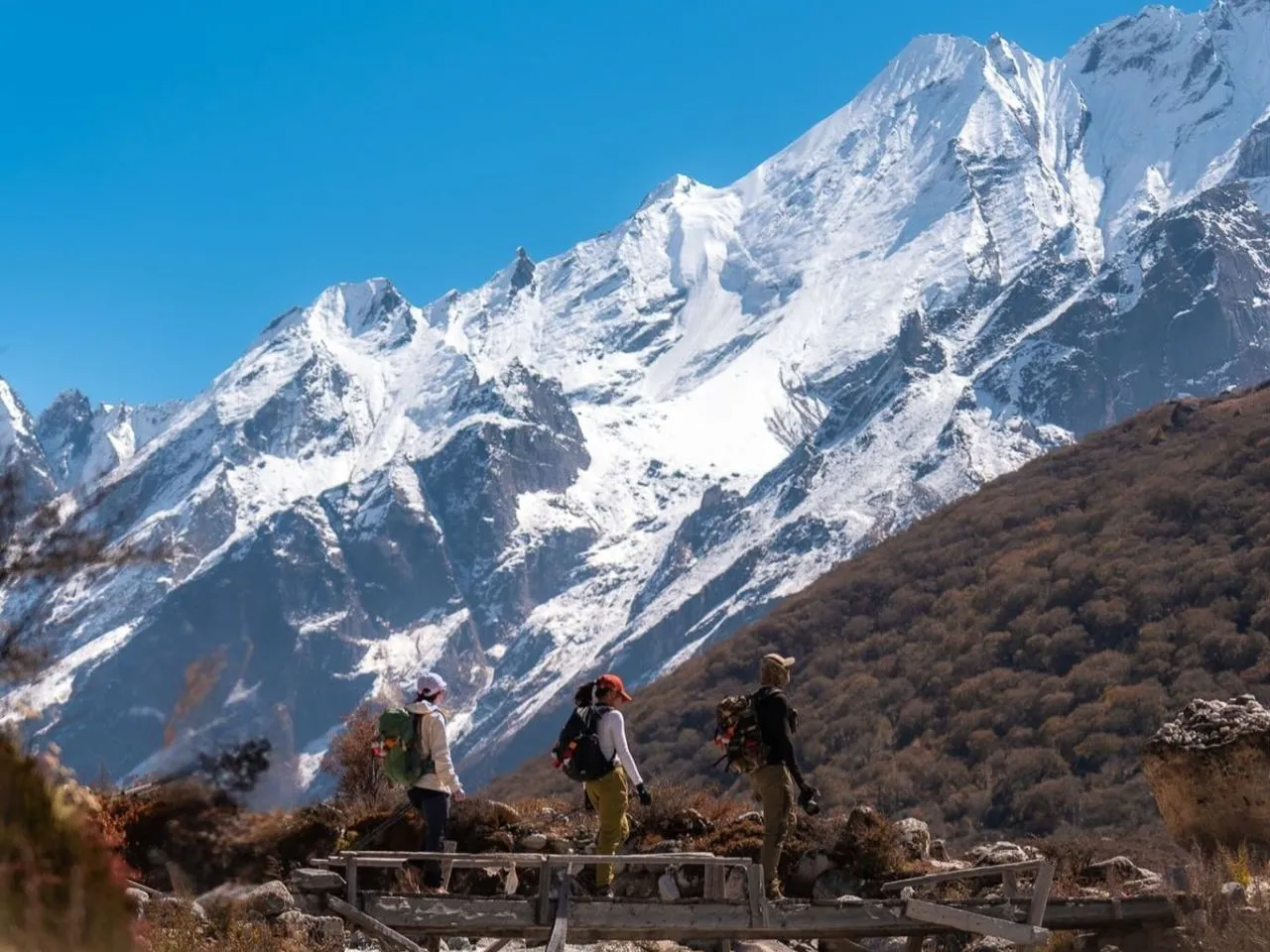
Luksusowa wędrówka Langtang – 10 dni
Luksusowa wędrówka Langtang – 10 dni
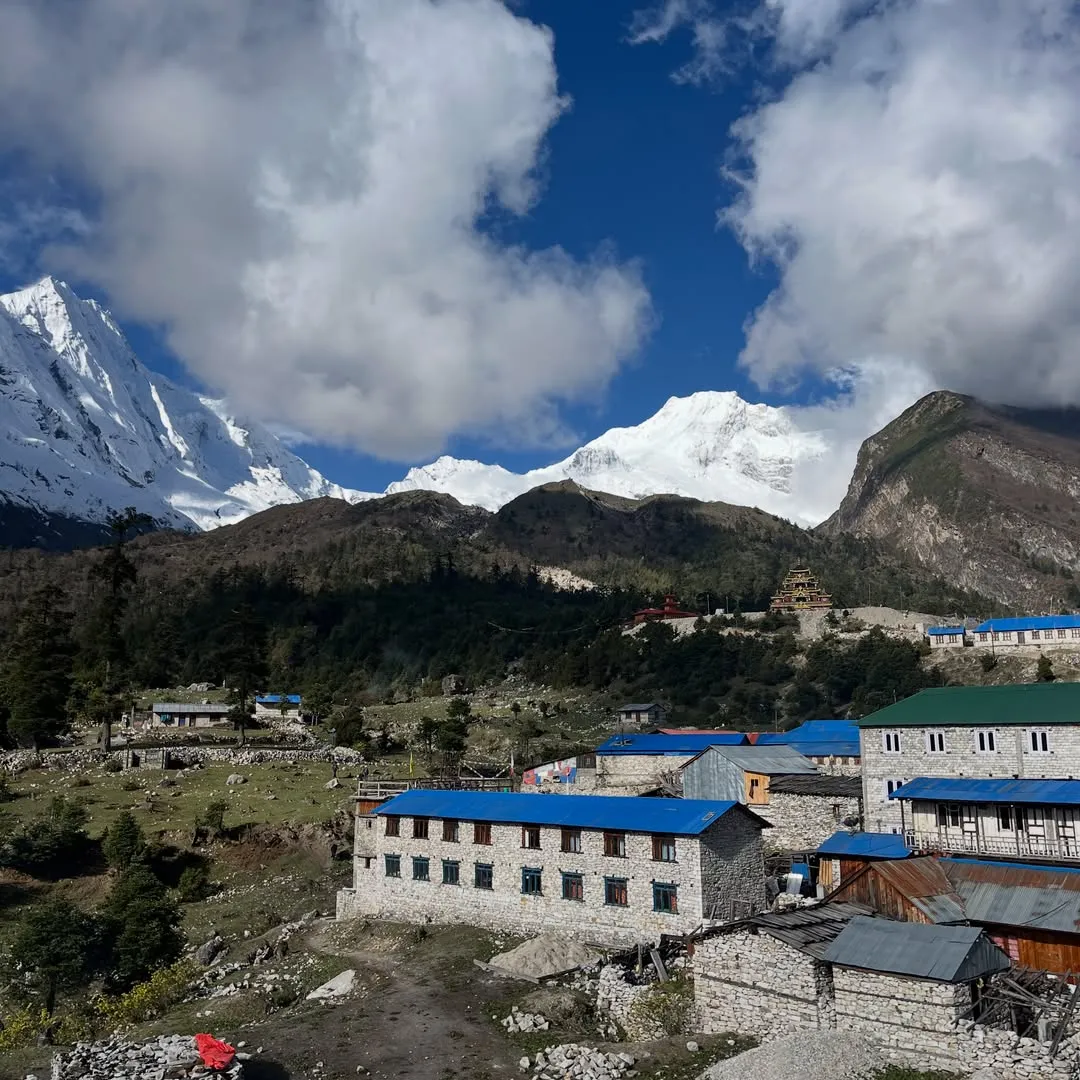
Wędrówka rodzinna Manaslu – 12 dni
Wędrówka rodzinna Manaslu – 12 dni
Luksusowa wędrówka Manaslu – 14 dni
Luksusowa wędrówka Manaslu – 14 dni

Manaslu Fotografia wędrówka – 17 dni
Manaslu Fotografia wędrówka – 17 dni
 English
 Deutsch
 Svenska
 Dansk
Dansk Русский
 Français
 Português
 Español
 Polski
 简体中文
简体中文 日本語
日本語 ไทย
ไทย العربية
 한국어
한국어