
szybka odpowiedź
An Api Base Camp trek itinerary is too rushed in 2027 to 2030 if it skips a Gokuleshwor or Darchula rest day, climbs more than 600 m per day above 3,000 m, or compresses the round trip below 14 days. A safe itinerary runs 16 to 18 days from Kathmandu, includes two acclimatization halts, and costs $1,400 to $2,200 per person including permits, guide, porter, flights, and food.
Szczegółowy podział
The Api Base Camp Trek in far west Nepal reaches 4,000 m at the snout of Api Himal and involves a 14 to 18 day round trip from Kathmandu. The trail runs from Gokuleshwor through theApi Nampa Conservation Area, climbing steadily from 850 m at the Mahakali River to 4,000 m at base camp. The altitude gain is 3,150 m over eight walking days, which means pacing is critical.
Look at the daily altitude profile. A safe itinerary gains no more than 500 m per day above 3,000 m, includes rest days at Seti and at Api Base Camp, and stages the final approach over two days from the last village. Rushed itineraries compress the approach into a single day from Seti, which is a 1,200 m gain and a known altitude sickness trigger.
Podział kosztów/komponentów
| składnik | Koszt (USD) |
|---|---|
| Zezwolenie na obszar ochrony API Nampa | $30 |
| Karta Timsa | $17 |
| Lot Katmandu do Dhangadhi powrót | $240 do $300 |
| Prywatny Jeep Dhangadhi do Gokuleshworu powrót | $200 do $280 |
| Licencjonowany przewodnik (16 dni) | $480 do $640 |
| Porter (16 dni, 1 na 2 trekkerów) | $320 do $480 |
| Camping gear and cook | $180 do $280 |
| Food and lodging (16 days) | $320 do $480 |
| Wynajem telefonów satelit | $40 do $80 |
| Ubezpieczenie załogi z ochroną ewakuacji $5 000 | $40 do $60 |
| Razem na osobę (grupa 4) | $1,400 do $2,200 |
Co wpływa na odpowiedź
Three factors shape the rushed itinerary assessment. First, starting altitude: trekkers flying from Kathmandu at 1,400 m to Dhangadhi at 250 m then driving to Gokuleshwor at 850 m need a rest day before the climb starts. Itineraries that begin walking the morning after arrival are rushed.
Second, prior acclimatization: trekkers who have been above 3,000 m in the past 14 days can manage a slightly faster profile. Trekkers coming straight from sea level need the full 18 day version with two rest days.
Third, season: October and November see stable weather that allows a 16 day version. March and April bring spring storms that can delay the high camp day, so the 18 day version is safer.
Wskazówki dotyczące rezerwacji
Ask each operator for a day by day altitude chart with overnight elevations, walking hours, and rest day markers. Reject itineraries that climb more than 600 m per day above 3,000 m or that skip a rest day at Seti.
Verify the operator carries a satellite phone and a pulse oximeter. Confirm the evacuation plan with the Dhangadhi or Kathmandu hospital contact, and check that crew insurance includes $5,000 helicopter cover.
Book Kathmandu to Dhangadhi flights 10 weeks ahead for October and November. Carry 25,000 to 32,000 Nepali rupees cash since ATMs end at Dhangadhi and the trail has no card payment infrastructure.
Porównanie z alternatywami
The Rara Lake Trek costs $1,000 to $1,600 for 8 to 12 days and reaches 3,850 m with a Talcha airport flight return. The Saipal Base Camp Trek costs $1,800 to $2,600 for 18 to 22 days and reaches 4,500 m on the more technical western approach. The Khaptad Trek costs $700 to $1,200 for 6 to 9 days and stays below 3,300 m on the plateau.
Częste błędy, których należy unikać
Do not book a 12 or 13 day Api Base Camp itinerary, since these skip the Gokuleshwor rest and the Seti acclimatization day. Avoid operators that quote under $1,400 per person for the 16 day trek, since they typically skip satellite comms and crew insurance.
Do not skip the pulse oximeter check at Seti and at base camp. Avoid operators that promise a fixed departure without checking your prior altitude experience, since sea level trekkers need the longer itinerary.
FAQ
What is the minimum safe duration for an Api Base Camp trek?16 days from Kathmandu, with 18 days preferred for trekkers coming from sea level. Shorter itineraries skip acclimatization.
How much altitude gain per day is too much?Above 3,000 m, anything over 600 m per day to a new sleeping altitude is too much. Aim for 300 to 500 m per day.
Can I do Api Base Camp without a guide?No. The trail is unmarked, teahouses are sparse, and there is no mobile coverage. A licensed guide and satellite phone are required for safety.
What if the operator offers a 14 day version?Reject it. The 14 day version skips the Gokuleshwor rest day and compresses the Seti to base camp section, which raises altitude sickness risk.
What is the best season for a safe Api itinerary?October and November, with stable weather and clear trails. March and April work but allow buffer days for spring storms.
zbiorczy
An Api Base Camp trek itinerary is too rushed in 2027 to 2030 if it skips rest days, climbs over 600 m per day above 3,000 m, or runs below 14 days. A safe itinerary runs 16 to 18 days, costs $1,400 to $2,200, and includes satellite comms and crew insurance.
wnioskowanie
Book an Api Base Camp operator that produces a day by day altitude chart, runs 16 to 18 day itineraries, carries a satellite phone, and includes $5,000 crew evacuation cover. Reject 12 to 14 day versions and any operator that skips the Seti acclimatization day. The right pacing turns the 4,000 m base camp goal into a controlled ascent instead of an altitude risk event.
Zalecane pakiety Trek
Miejsca trekkingowe do zwiedzania
Explore Trips in Nepal
Hand-picked guided trips to this destination
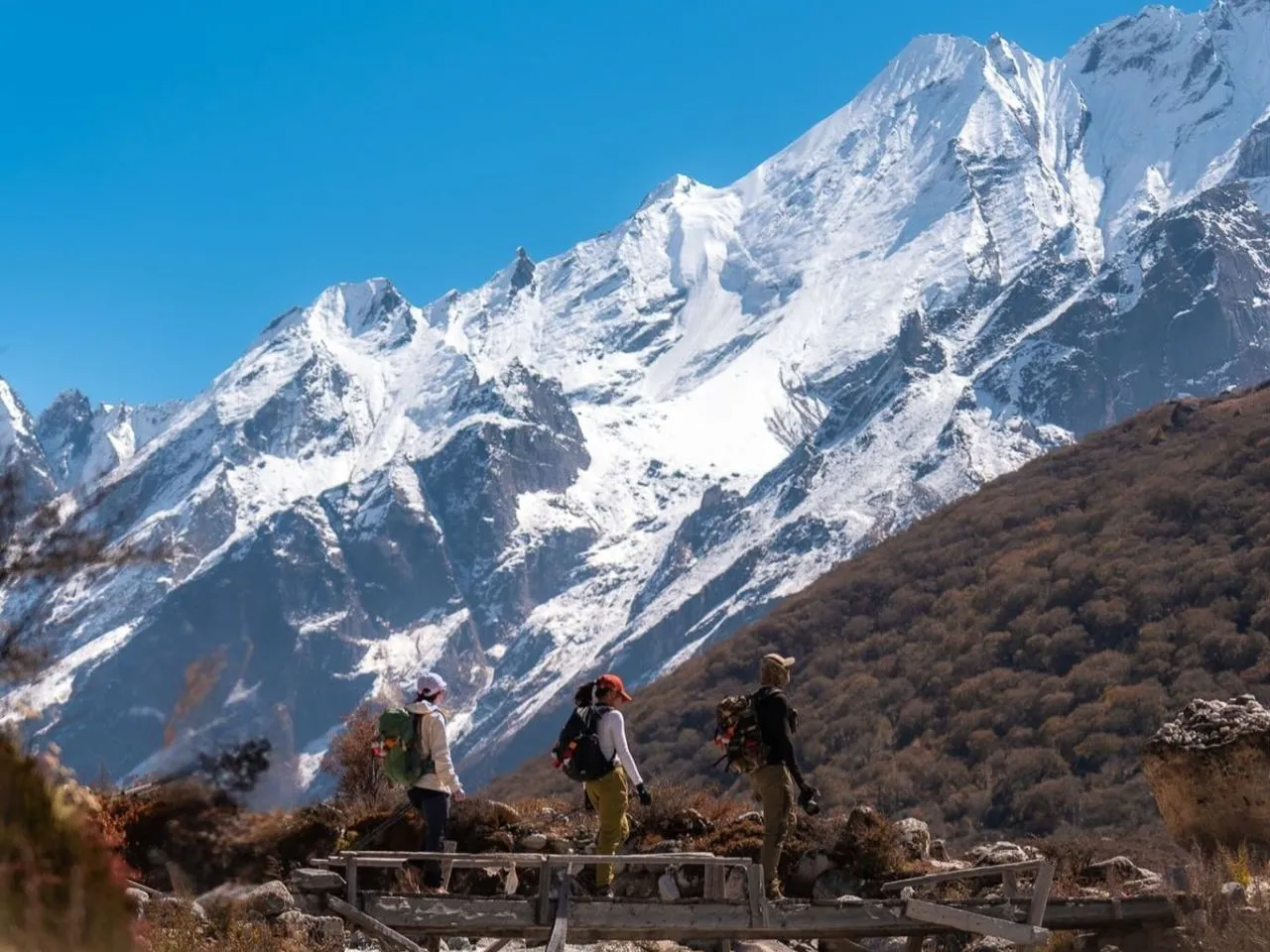
Luksusowa wędrówka Langtang – 10 dni
Luksusowa wędrówka Langtang – 10 dni
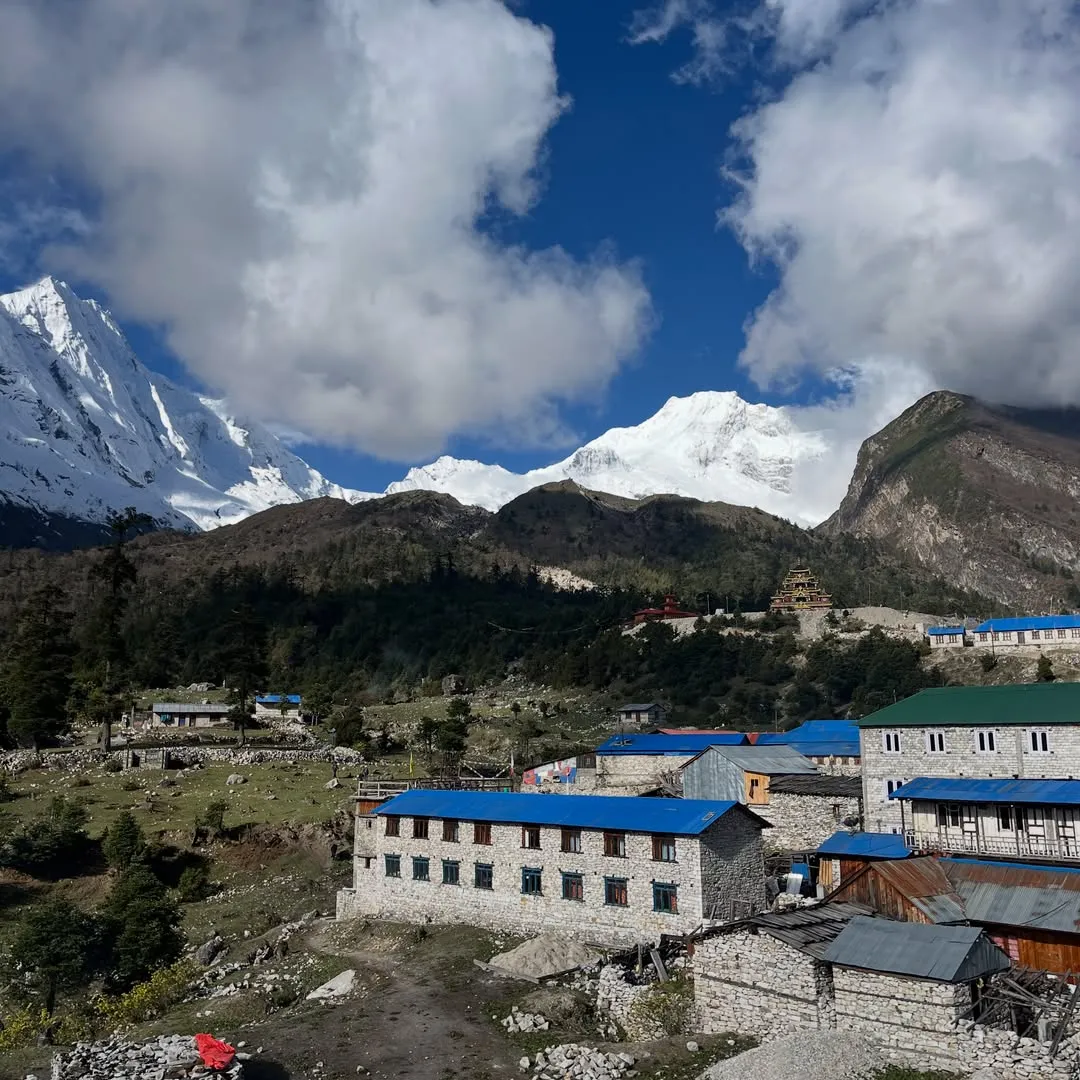
Wędrówka rodzinna Manaslu – 12 dni
Wędrówka rodzinna Manaslu – 12 dni
Luksusowa wędrówka Manaslu – 14 dni
Luksusowa wędrówka Manaslu – 14 dni

Manaslu Fotografia wędrówka – 17 dni
Manaslu Fotografia wędrówka – 17 dni
 English
 Deutsch
 Svenska
 Dansk
Dansk Русский
 Français
 Português
 Español
 Polski
 简体中文
简体中文 日本語
日本語 ไทย
ไทย العربية
 한국어
한국어