
Quick Answer
Book a Three Passes trek for October or November five to seven months ahead to secure Lukla flights, Renjo La and Gokyo teahouse space, guide availability and Sagarmatha permits during the busiest Khumbu season.
Detailed Breakdown
The Three Passes Trek crosses Kongma La, Cho La and Renjo La in a 17 to 21 day loop through the Khumbu, reaching 5,535 metres at Kongma La. We treat October and November as the most popular window because the weather is stable and the views are crisp, which also makes it the most competitive booking window. Booking late in this season often means missing out on Lukla flights or top teahouses.
The booking timeline matters because the Three Passes trek involves three high-altitude crossings that need weather windows and acclimatization. Operators release October and November fixed departures in February or March, and the best dates sell out by June. Lukla flights in particular have limited seats and are essential to lock in early.
Cost / Component Breakdown
The table shows typical 2027 to 2030 USD pricing for an 18-day Three Passes trek in October or November.
| Component | USD per trekker |
|---|---|
| Lukla flights return | $360 to $400 |
| Guide 18 days | $540 to $720 |
| Porter 18 days | $360 to $450 |
| Sagarmatha, Khumbu Pasang Lhamu, TIMS | $60 |
| Teahouse lodging 16 nights | $220 to $340 |
| Meals 16 days | $520 to $660 |
| Kathmandu hotel 3 nights | $110 to $220 |
| Total per trekker | $2,170 to $2,850 |
What Affects the Answer
Specific October date matters because the first two weeks of October overlap with the Nepali Dashain festival, which raises domestic flight demand. The second half of October and first half of November are the best weather windows but also the busiest. November dates are slightly colder but have clearer skies and fewer crowds than October.
Your group size matters too. A group of four can book a private departure with better teahouse choices, while a solo trekker needs to join a fixed departure early to secure a spot. The direction of the trek also matters: clockwise via Renjo La first is the standard and works either way, but anti-clockwise via Kongma La first suits trekkers who want a slower warm-up.
Booking Tips / Practical Advice
Book your Three Passes trek by April for an October departure and by May for a November departure. Ask the operator for the first morning Lukla flight slot, since afternoon flights have higher cancellation rates. Confirm that the itinerary includes a full acclimatization day at Namche and another at Dingboche before the first pass.
Book a Kathmandu hotel for two nights before and two nights after the trek to absorb flight delays. Buy altitude-specific insurance covering 6,000 metres and helicopter rescue. Carry $300 to $400 USD in cash for teahouse extras, since charging, hot showers and wifi add up across 18 days.
Comparison With Alternatives
Compared with Everest Base Camp, the Three Passes trek is longer, higher and more committing, so the booking window is tighter. Compared with Gokyo Lakes only, Three Passes is much longer and reaches higher altitudes. Compared with Renjo La only, Three Passes adds Kongma La and Cho La crossings.
If you cannot book October or November, April is a strong alternative with similar weather and slightly fewer crowds. If you want the Khumbu experience without the pass commitments, the Everest View trek is a moderate alternative that needs less advance booking. For a less crowded alternative, the Manaslu Circuit offers similar altitude without the Lukla flight.
Common Mistakes to Avoid
Do not book a Three Passes trek less than three months ahead for October, since the best Lukla flights and teahouses will be gone. Another mistake is choosing the late morning Lukla flight, which cancels 50 percent of the time in October. Trekkers also forget that the Three Passes are individually weather-sensitive, so a 17-day itinerary leaves no margin.
Avoid itineraries that skip acclimatization days to save time. Do not skip the Gokyo Ri side trip, since it offers the best panorama in the region. Finally, do not underestimate the cold at high camps in November, where temperatures can drop below minus 15 Celsius.
Frequently Asked Questions
How far ahead should I book for October? Five to seven months ahead, ideally by April.
Is November better than October? November is colder but has clearer skies and slightly fewer crowds.
What is the cost for an 18-day trek? Between $2,170 and $2,850 USD per trekker in 2027 to 2030.
Are Lukla flights guaranteed? No, but morning flights in October and November have a 90 percent success rate.
Summary
Book a Three Passes trek for October or November five to seven months ahead to secure Lukla flights, teahouses and guide availability. The 2027 to 2030 cost typically runs $2,170 to $2,850 USD per trekker for an 18-day itinerary. The October and November windows are the busiest in the Khumbu, so early booking is non-negotiable.
Choose mid to late October or early November for the best weather. April is the best fallback if October or November dates fill.
Conclusion
The Three Passes trek in October or November is one of the best Himalayan experiences available, but it requires early booking. We recommend locking dates five to seven months ahead, choosing morning Lukla flights and buying altitude insurance. With these steps the trek delivers three high pass crossings and the best Khumbu views in a single itinerary.
Recommended Trek Packages
Trekking Places to Explore
Explore Trips in Nepal
Hand-picked guided trips to this destination
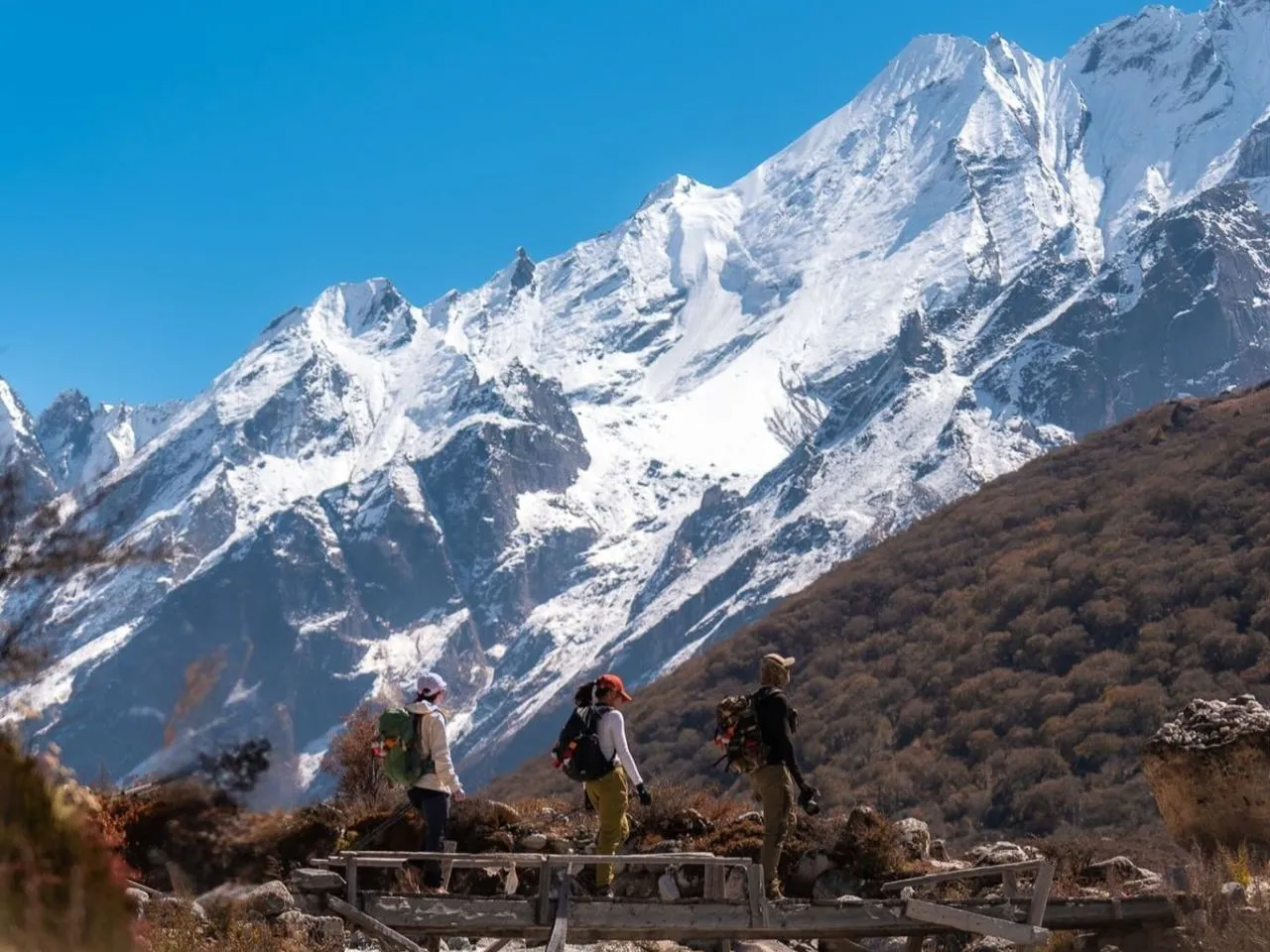
Langtang Luxury Trek – 10 Days
Langtang Luxury Trek – 10 Days
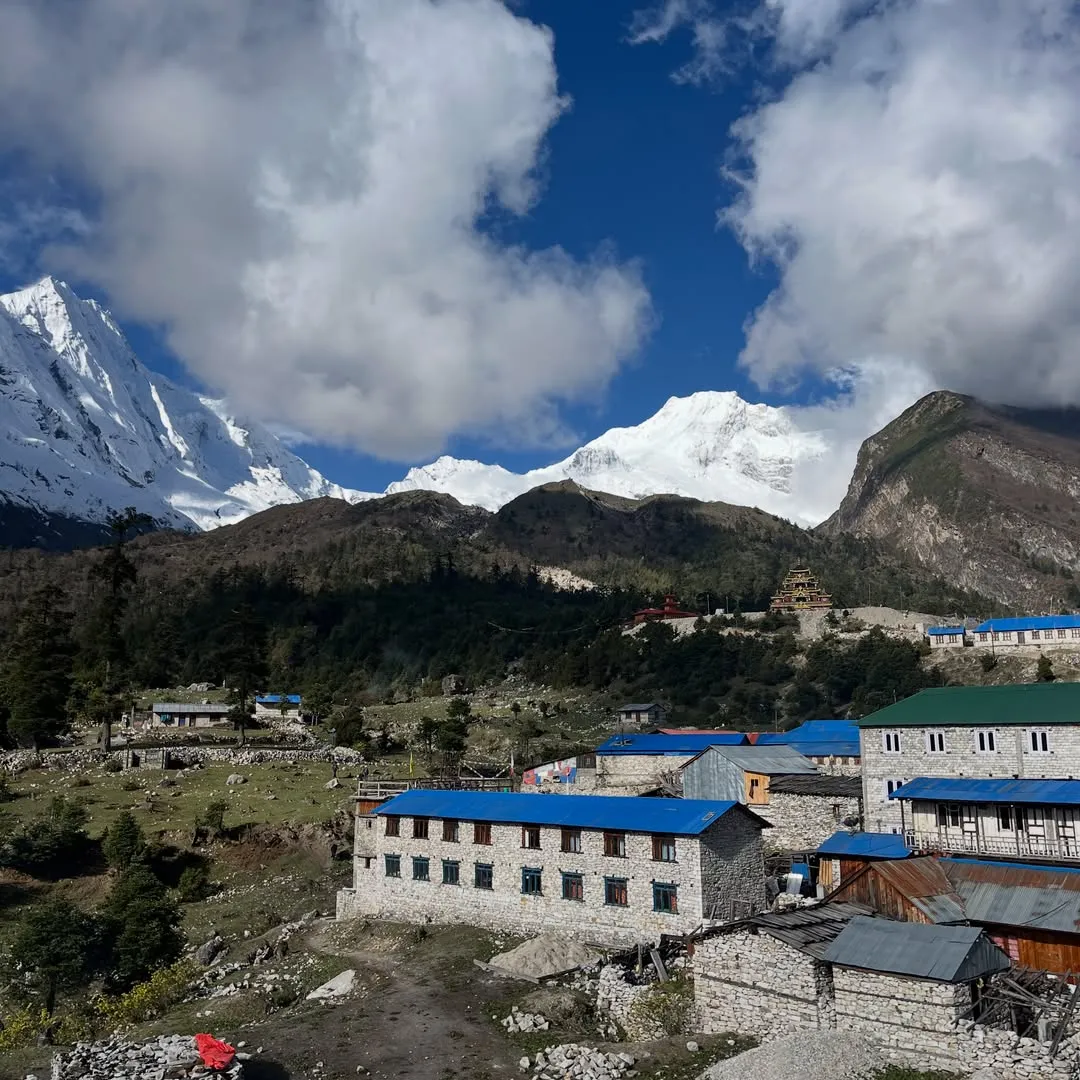
Manaslu Family Trek – 12 Days
Manaslu Family Trek – 12 Days
Manaslu Luxury Trek – 14 Days
Manaslu Luxury Trek – 14 Days

Manaslu Photography Trek – 17 Days
Manaslu Photography Trek – 17 Days
 English
 Deutsch
 Svenska
 Dansk
Dansk Русский
 Français
 Português
 Español
 Polski
 简体中文
简体中文 日本語
日本語 ไทย
ไทย العربية
 한국어
한국어