
Quick Answer
A good Upper Mustang trek operator in 2027 to 2030 must bundle five things in writing: the $500 per 10 day restricted area permit, the ACAP at $30, the TIMS at $10 to $20, a Tibetan speaking licensed guide, and the Lo Manthang special entry permit at $50. The operator should also book the Jomsom flight with a buffer day, provide a written permit dossier with all four permit scans, and charge $1,800 to $2,800 per person for 12 to 17 days. Operators who leave the $500 permit to the trekker are non compliant and should be avoided.
Detailed Breakdown
Upper Mustang is a restricted area in the rain shadow north of the Annapurna range, bordering Tibet. The 12 to 17 day trek starts from Jomsom, accessed by a 20 minute flight from Pokhara, and follows the Kali Gandaki valley through Kagbeni, Chele, Geling, Tsarang, and Lo Manthang. The route crosses three passes above 4,000 m and reaches a maximum altitude of 4,200 m.
Because Upper Mustang is a restricted area, the Nepal government requires a group of at least two trekkers, a licensed guide, and a restricted area permit at $500 per person for the first 10 days and $70 per day beyond. The permit is issued only through a registered operator, with passport scans submitted three to four weeks ahead. The Lo Manthang special entry permit at $50 is collected in Lo Manthang itself.
Cost / Component Breakdown
| Component | Cost (USD) |
|---|---|
| Upper Mustang Restricted Area Permit (first 10 days) | $500 |
| Restricted Area Permit extension (per day beyond 10) | $70 |
| Lo Manthang special entry permit | $50 |
| ACAP permit | $30 |
| TIMS Card | $10 to $20 |
| Jomsom flight return | $220 to $280 |
| Guide (12 to 17 days) | $360 to $510 |
| Teahouse and meals (12 to 17 days) | $480 to $720 |
| Total per person (group of 4, 12 to 17 days) | $1,800 to $2,800 |
Groups of two pay $2,400 to $3,400 per person because the guide and permit minimums split fewer ways.
What Affects the Answer
Permit bundling is the biggest quality lever. Operators who quote $1,500 and leave the $500 permit to the trekker are non compliant, since the restricted area permit cannot be issued to individuals. Always confirm the $500 is included in the quoted price and request a scan of the issued permit before the trek starts.
Guide language is the second factor. Lo Manthang locals speak Lobap, a Tibetan dialect, and standard Nepali speaking guides cannot translate. A Tibetan speaking guide unlocks cultural depth with monastery visits, cave explorations, and Lo Manthang family homestays. Jomsom flight reliability is the third factor, since the flight cancels in roughly 25 percent of attempts due to wind, and a buffer day in Pokhara is essential.
Booking Tips / Practical Advice
Request a written permit dossier with scans of all four permits before paying the balance. Ask for the guide by name with documented Tibetan language skills. Confirm whether the Lo Manthang special entry permit is included, since some operators leave it to the trekker to pay on arrival.
Carry $120 to $180 in cash for hot showers, charging, and monastery donations. Book 6 to 8 weeks ahead for June to September departures, since the permit takes three to four weeks to issue. Add a buffer day in Pokhara on both ends for the Jomsom flight, since wind cancellations are common in the afternoon.
Comparison With Alternatives
The Nar Phu Valley Trek runs $1,400 to $1,900 for 12 to 15 days with a $90 per week restricted area permit, offering similar Tibetan Buddhist culture at lower cost. The Annapurna Circuit runs $1,200 to $1,800 for 14 to 18 days with no restricted area permit. The Lower Dolpo Trek runs $1,800 to $2,600 for 14 to 18 days with a $20 per week permit.
Choose Upper Mustang for the walled city and Tibetan culture, Nar Phu for restricted area solitude at lower cost, Annapurna Circuit for high pass drama, and Lower Dolpo for remoteness at lower permit cost.
Common Mistakes to Avoid
Do not book an operator who leaves the $500 restricted area permit to the trekker, since this is non compliant and the permit cannot be issued to individuals. Avoid booking without a Jomsom flight buffer day, since 25 percent cancellation rates can strand you in Pokhara or Jomsom. Do not skip the Lo Manthang special entry permit, since rangers check it at the city gate.
Do not assume a Nepali speaking guide is sufficient, since Lo Manthang locals speak Lobap. Skip winter departures, since the route crosses passes above 4,000 m that become snowbound. Do not bring a drone without a permit, since Upper Mustang restricts drone use near Lo Manthang and the caves.
Frequently Asked Questions
Can I get the Upper Mustang permit as an individual? No. The restricted area permit is issued only through a registered operator with a group of at least two.
What is the Lo Manthang special entry permit? A $50 fee collected at the city gate, required in addition to the restricted area permit.
How long does the permit take to issue? Three to four weeks from the date of passport scan submission. Book 6 to 8 weeks ahead.
Is the Jomsom flight reliable? Moderately, with about 75 percent on time. Add a buffer day in Pokhara on both ends.
Do I need a Tibetan speaking guide? Yes, for cultural depth. Lo Manthang locals speak Lobap, a Tibetan dialect, and standard Nepali speaking guides cannot translate.
Summary
A good Upper Mustang operator bundles the $500 restricted area permit, $30 ACAP, $10 to $20 TIMS, $50 Lo Manthang entry, and a Tibetan speaking guide. The total package runs $1,800 to $2,800 per person for 12 to 17 days. Verify the permit dossier in writing before paying the balance.
Conclusion
For 2027 to 2030 Upper Mustang treks, shortlist operators who bundle all four permits in writing, name the Tibetan speaking guide, and book the Jomsom flight with a buffer day. Request permit scans before paying the balance, carry $120 to $180 in cash, and target June to September for the most reliable weather in the rain shadow.
Recommended Trek Packages
Trekking Places to Explore
Explore Trips in Nepal
Hand-picked guided trips to this destination
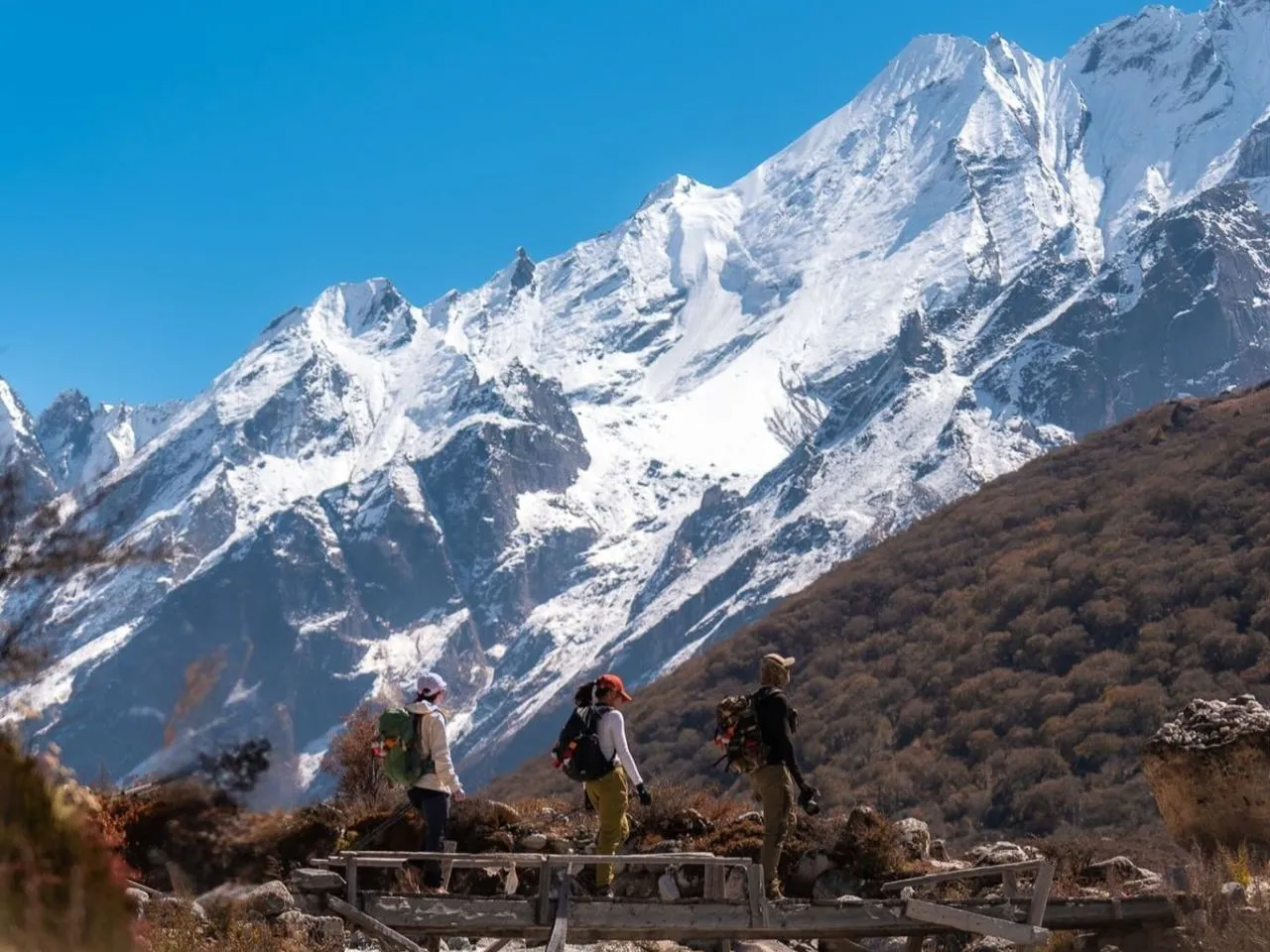
Langtang Luxury Trek – 10 Days
Langtang Luxury Trek – 10 Days
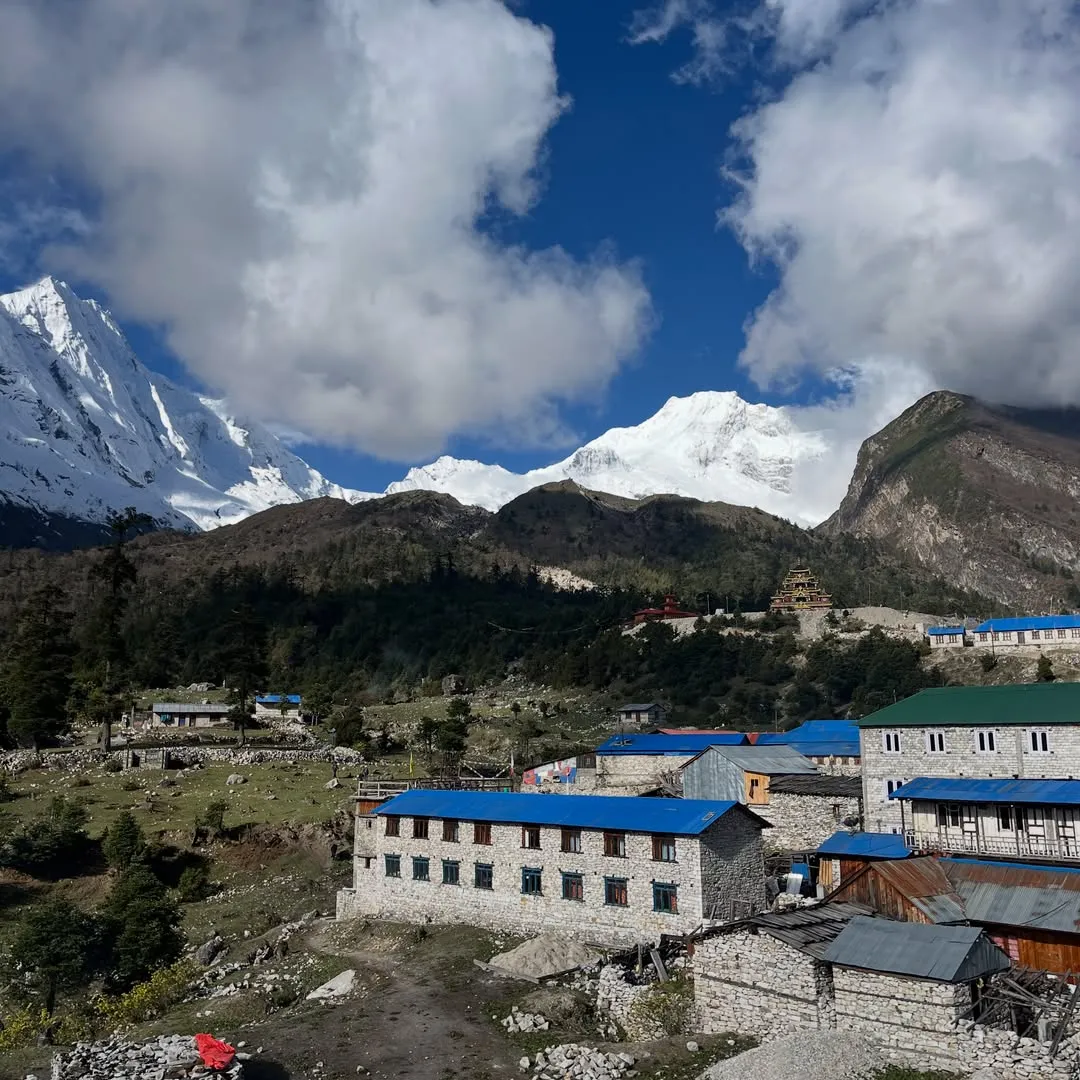
Manaslu Family Trek – 12 Days
Manaslu Family Trek – 12 Days
Manaslu Luxury Trek – 14 Days
Manaslu Luxury Trek – 14 Days

Manaslu Photography Trek – 17 Days
Manaslu Photography Trek – 17 Days
 English
 Deutsch
 Svenska
 Dansk
Dansk Русский
 Français
 Português
 Español
 Polski
 简体中文
简体中文 日本語
日本語 ไทย
ไทย العربية
 한국어
한국어