
Quick Answer
Before booking a Simikot Hilsa trek package, confirm five things in writing: the Nepalgunj to Simikot flight is reserved with a buffer day, the Nara Lagna pass crossing at 4,600 m is acclimatized for, the Hilsa border crossing permit is arranged if continuing to Mount Kailash, the group meets the two person minimum for restricted area clearance, and the package cost of $1,400 to $2,200 per person in 2027 to 2030 covers permits, flights, guide, and full camping support.
Detailed Breakdown
The Simikot Hilsa trek is the standard Nepal overland approach to Mount Kailash in Tibet. The 8 to 12 day Nepal segment runs from the Simikot airstrip in Humla district to the Tibetan border crossing at Hilsa, crossing the Nara Lagna pass at 4,600 m. Most packages link to a 9 to 14 day Kailash circuit on the Tibetan side.
The route is strenuous. It spends multiple days above 3,500 m and crosses a 4,600 m pass with no road access. Teahouse infrastructure is minimal, so full camping support with cook and crew is standard. The nearest major city is Nepalgunj, connected to Simikot by a 50 minute flight that runs only in the morning due to wind.
Cost / Component Breakdown
| Component | Cost (USD) |
|---|---|
| Nepalgunj to Simikot return flight | $320 to $420 |
| Restricted area permit for Humla | $20 per week |
| Guide (8 to 12 days) | $280 to $480 |
| Cook and camping crew | $240 to $400 |
| Food and fuel | $280 to $380 |
| Tims Card | $10 to $20 |
| Total per person (group of 4, Nepal only) | $1,400 to $2,200 |
Adding the Kailash circuit on the Tibetan side adds $2,800 to $4,200 per person including the Tibet permit, Chinese guide, and Land Cruiser transport.
What Affects the Answer
Flight reliability is the biggest operational risk. The Simikot flight cancels in roughly 30 percent of attempts due to wind or low cloud in the morning. Operators who book the first flight out of Nepalgunj and add a buffer day in Simikot reduce the risk of missing the Kailash permit window in Tibet.
Group size is the second factor. Restricted area clearance in Humla requires a minimum of two trekkers, and Chinese Kailash permits require a minimum of two as well. Solo trekkers must join a fixed departure or pay a $600 to $1,000 single supplement to clear the minimums. Acclimatization pacing matters because the Nara Lagna pass at 4,600 m is crossed in two to three days from Simikot at 2,900 m.
Booking Tips / Practical Advice
Ask the operator to confirm the Simikot flight is on the first morning departure and that a buffer day is built in. Request a written acclimatization plan that lists two nights above 3,500 m before the Nara Lagna crossing. Confirm whether the Kailash Tibet permit is included or optional, since the Tibet permit requires the operator to apply six to eight weeks ahead with passport scans.
Carry $150 to $200 in cash for hot water, charging, and tips. Book 10 to 12 weeks ahead for June to September Kailash departures, since Tibet permit volume peaks in those months. Add a trip insurance rider that covers helicopter rescue above 4,500 m, since standard travel insurance often caps at 3,000 m.
Comparison With Alternatives
The Lhasa to Kailash overland route skips the Nepal approach entirely and runs $4,200 to $6,500 for 18 to 22 days with better road infrastructure but a longer Tibet permit process. The Limi Valley Trek overlaps with Simikot Hilsa in Humla but stays in Nepal for $1,800 to $2,600 for 14 to 18 days. The Mount Kailash via Lhasa Trek offers more acclimatization time.
Choose Simikot Hilsa for the shortest Nepal approach to Kailash, Limi Valley for a pure Nepal Humla experience, and Lhasa overland for full acclimatization and road comfort.
Common Mistakes to Avoid
Do not book without a Simikot flight buffer day, since 30 percent cancellation rates can blow a fixed Kailash permit window. Avoid operators who promise same day flight rebooking, since Simikot flights are often full a week ahead. Do not skip the acclimatization check, since the Nara Lagna crossing at 4,600 m in two days risks altitude sickness.
Do not assume Tibet permits are automatic, since the Chinese authorities close Kailash permits intermittently for political reasons. Skip February and December departures, since the Nara Lagna pass is snowbound. Do not bring a drone, since both Nepal Humla and Tibet restrict drone use near the border.
Frequently Asked Questions
Is the Simikot flight reliable? No, it cancels in roughly 30 percent of attempts due to morning wind or low cloud. Always add a buffer day.
Can I do Simikot Hilsa without continuing to Kailash? Yes, the Nepal only segment is 8 to 12 days and ends at Hilsa on the Tibetan border.
What is the minimum group size? Two trekkers for the Humla restricted area. Solo travelers must join a fixed departure or pay a single supplement.
Do I need a Chinese visa for the Kailash extension? No, you need a Tibet Travel Permit and group Chinese visa, both arranged by the operator.
Is camping required? Yes, teahouse infrastructure is minimal past Simikot. Full camping with cook and crew is standard.
Summary
A Simikot Hilsa package requires a confirmed first morning flight with buffer day, written acclimatization plan, Kailash Tibet permit application six to eight weeks ahead, two person minimum clearance, and full camping support. Budget $1,400 to $2,200 per person for the Nepal segment and $4,200 to $6,400 with the Kailash extension.
Conclusion
For 2027 to 2030 Simikot Hilsa treks, book 10 to 12 weeks ahead with an operator experienced in both Nepal Humla and Tibet Kailash permits. Verify the five checklist items in writing, carry helicopter rescue insurance, and target June to September for the most reliable Tibet permit window.
Recommended Trek Packages
Trekking Places to Explore
Explore Trips in Nepal
Hand-picked guided trips to this destination
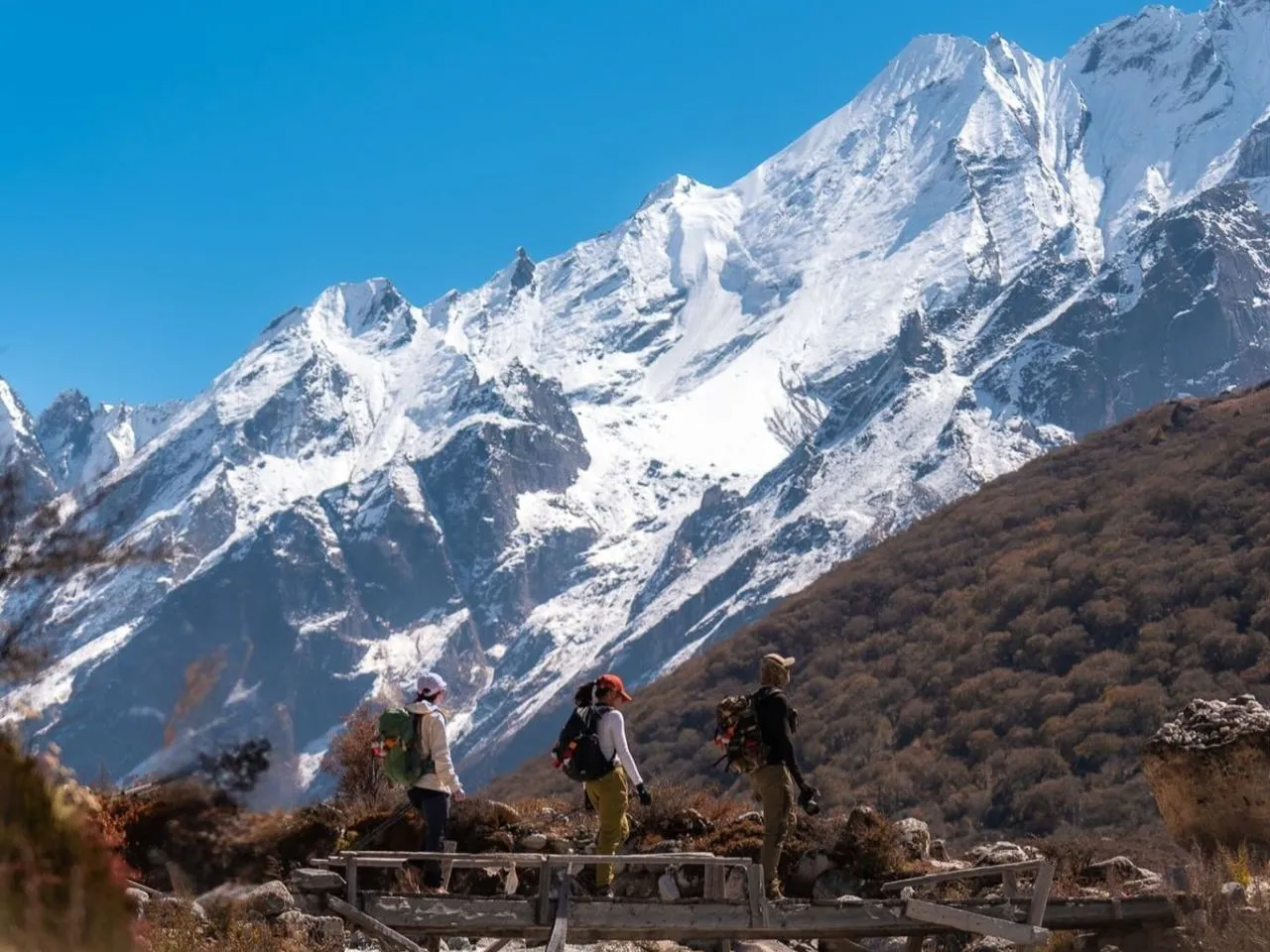
Langtang Luxury Trek – 10 Days
Langtang Luxury Trek – 10 Days
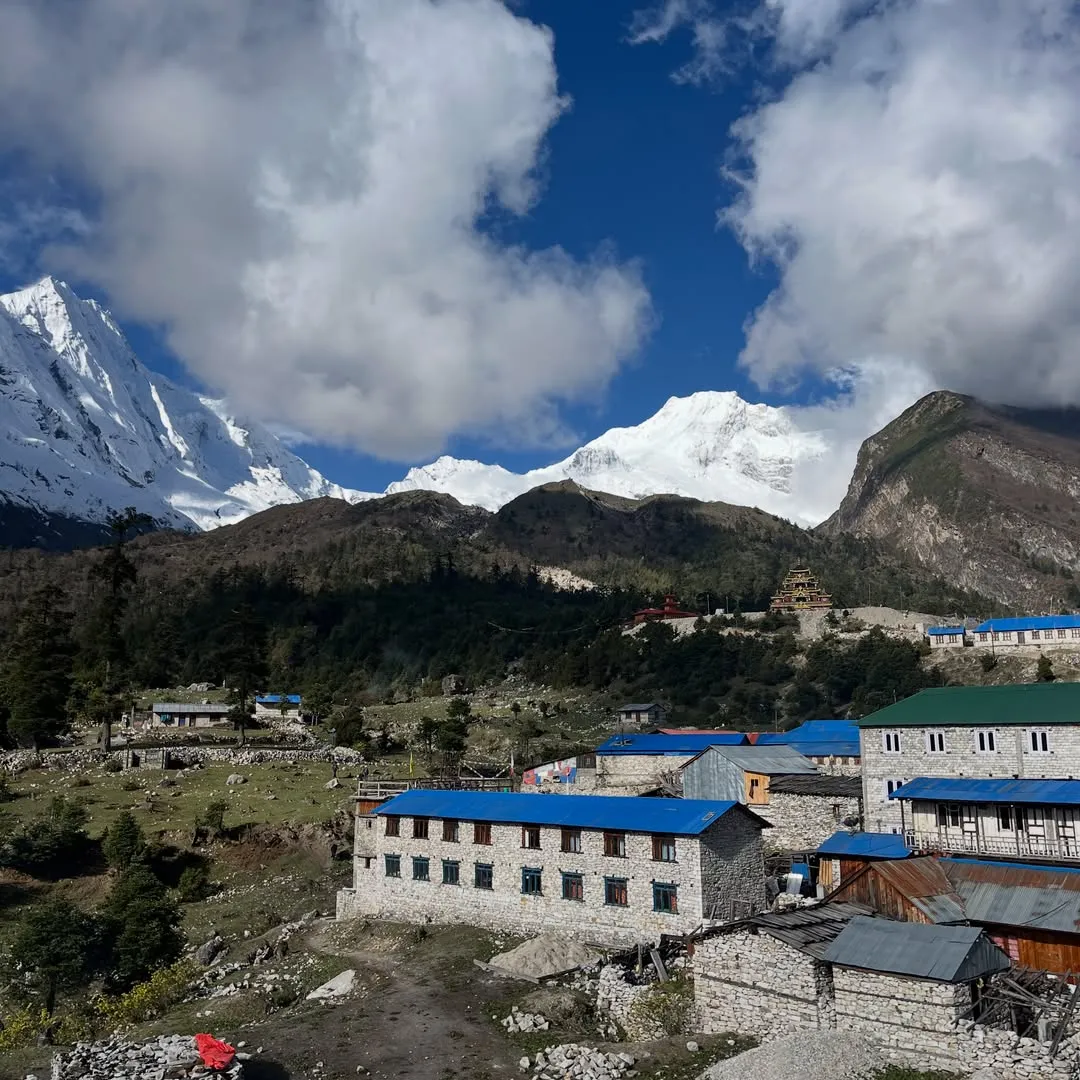
Manaslu Family Trek – 12 Days
Manaslu Family Trek – 12 Days
Manaslu Luxury Trek – 14 Days
Manaslu Luxury Trek – 14 Days

Manaslu Photography Trek – 17 Days
Manaslu Photography Trek – 17 Days
 English
 Deutsch
 Svenska
 Dansk
Dansk Русский
 Français
 Português
 Español
 Polski
 简体中文
简体中文 日本語
日本語 ไทย
ไทย العربية
 한국어
한국어