
Quick Answer
Before paying a Ruby Valley Trek deposit, confirm in writing whether each overnight stop offers private twin rooms, attached or shared bathroom, hot shower timing, the type of dinner included (dal bhat versus menu choice), and whether breakfast is fixed or a la carte. Ask for the named lodge at Singla, Somdang and Pangsang because standards vary sharply. For a 2027 or 2028 trip expect to pay $35 to $55 per person per day on a teahouse package and $90 to $130 on a full camping support package.
Detailed Breakdown
Ruby Valley sits on the southern flank of Ganesh Himal and the lodges are mostly family run, with limited internet and intermittent electricity. The booking conversation should be specific, not generic. We recommend asking the operator for the exact lodge name at each overnight point, the number of beds in the room you will actually get, and whether the room has a wooden or concrete floor.
Meals are typically full board, but the menu is narrow. Dal bhat with seasonal vegetables is the default dinner, and lunch is usually noodles, momo or fried rice. If you have dietary needs such as gluten free, vegan or allergen aware, get that confirmed before booking because not every lodge stocks alternatives.
Hot showers are often a bucket of solar heated water for a small extra fee, and Wi-Fi is sold per device per day. Confirm whether these extras are included in your package rate or charged on the spot.
Cost / Component Breakdown
| Item | Teahouse Package | Camping Support Package |
|---|---|---|
| Per day per person | $35 to $55 | $90 to $130 |
| Lodge room | Shared twin, common bath | Two person tent with mattress |
| Hot shower | $2 to $4 per use | Usually included |
| Charging devices | $1 to $3 per device | Solar or generator, limited |
| Wi-Fi per day | $2 to $5 | Often not available |
| Dinner standard | Dal bhat set | Cooked camp meal, 3 course |
What Affects the Answer
Season changes everything. October and November lodges run full, so private rooms vanish early and operators default to dorm placement. March and April are slightly quieter, while December through February sees some lodges closing at higher stops like Pangsang.
Group size shifts negotiating power. A booking of four or more can usually lock the better lodge; solo travelers and pairs often get whatever is left. Trek duration also matters because longer itineraries allow a rest day at Somdang, where the better lodges sit.
Operator relationship with the lodge owner is the invisible factor. Long standing local operators reserve the best rooms first; online resellers cannot always guarantee this.
Booking Tips / Practical Advice
Get the lodge names in writing in the booking confirmation, not just the village name. Ask for photos of the actual room, not the marketing image. Confirm the dinner menu cycle for two consecutive nights to avoid repetitive dal bhat if you stay two nights at one lodge.
Carry $50 to $80 in small NPR equivalent cash for showers, charging and Wi-Fi because card payment is not an option. Pack a sleeping bag liner rated to handle cool rooms even in spring.
Confirm whether the operator provides a backup dining tent in case a lodge kitchen is overloaded, which happens during festival weeks in late October.
Comparison With Alternatives
Compared with the Langtang Valley Trek, Ruby Valley has fewer lodges and lower standardization, but more privacy and lower costs. Compared with the Manaslu Circuit, Ruby Valley skips the restricted area permit cost but offers less reliable hot water. If you want a similar Ganesh Himal landscape with better lodge standards, the Ganja La Pass Trek has marginally upgraded teahouses on the Langtang side.
If absolute comfort is the priority, a fully supported camping package on Ruby Valley beats the teahouse route at roughly double the price, but it removes the lodge lottery risk entirely.
Common Mistakes to Avoid
Do not assume a private room is automatic. Many trekkers arrive in October to find they have been placed in a four bed dorm. Do not assume hot showers run all afternoon; solar heating peaks at 4pm to 6pm.
Avoid paying full deposit before receiving the lodge list in writing. Avoid booking operators who refuse to name the lodges, because that signals they are waiting for whatever is left over. Avoid skipping the dietary conversation if you have allergies, as emergency evacuation from Somdang takes many hours.
Frequently Asked Questions
Is electricity guaranteed on Ruby Valley Trek? No. Most lodges have small solar setups that may not run a CPAP or charge a laptop. Carry a 10000mAh power bank minimum.
Can I get a vegetarian meal every day? Yes, vegetarian dal bhat is the default. Vegan is possible but confirm cooking oil type in advance.
Are western toilets available? Mostly squat toilets at lower stops and a few western seats at Singla. Bring your own toilet paper.
Do lodges accept USD? No. Convert to NPR in Kathmandu before the drive to Syabrubesi or Dhunche.
Summary
Ruby Valley rewards trekkers who confirm lodging and meal specifics before deposit. The range between a smooth trip and a frustrating one comes down to lodge names, dinner quality and shower access written into the contract.
For 2027 and 2028 departures, plan $35 to $55 per day on a teahouse basis, carry $50 to $80 cash for extras, and lock lodge names in writing.
Conclusion
Booking a Ruby Valley Trek is straightforward when the operator commits to lodge names, meal standards and shower access in writing. We recommend choosing an operator with long standing Ganesh Himal relationships and a confirmed lodge list, because that single decision determines whether your nights are restful or compromised.
Recommended Trek Packages
Trekking Places to Explore
Explore Trips in Nepal
Hand-picked guided trips to this destination
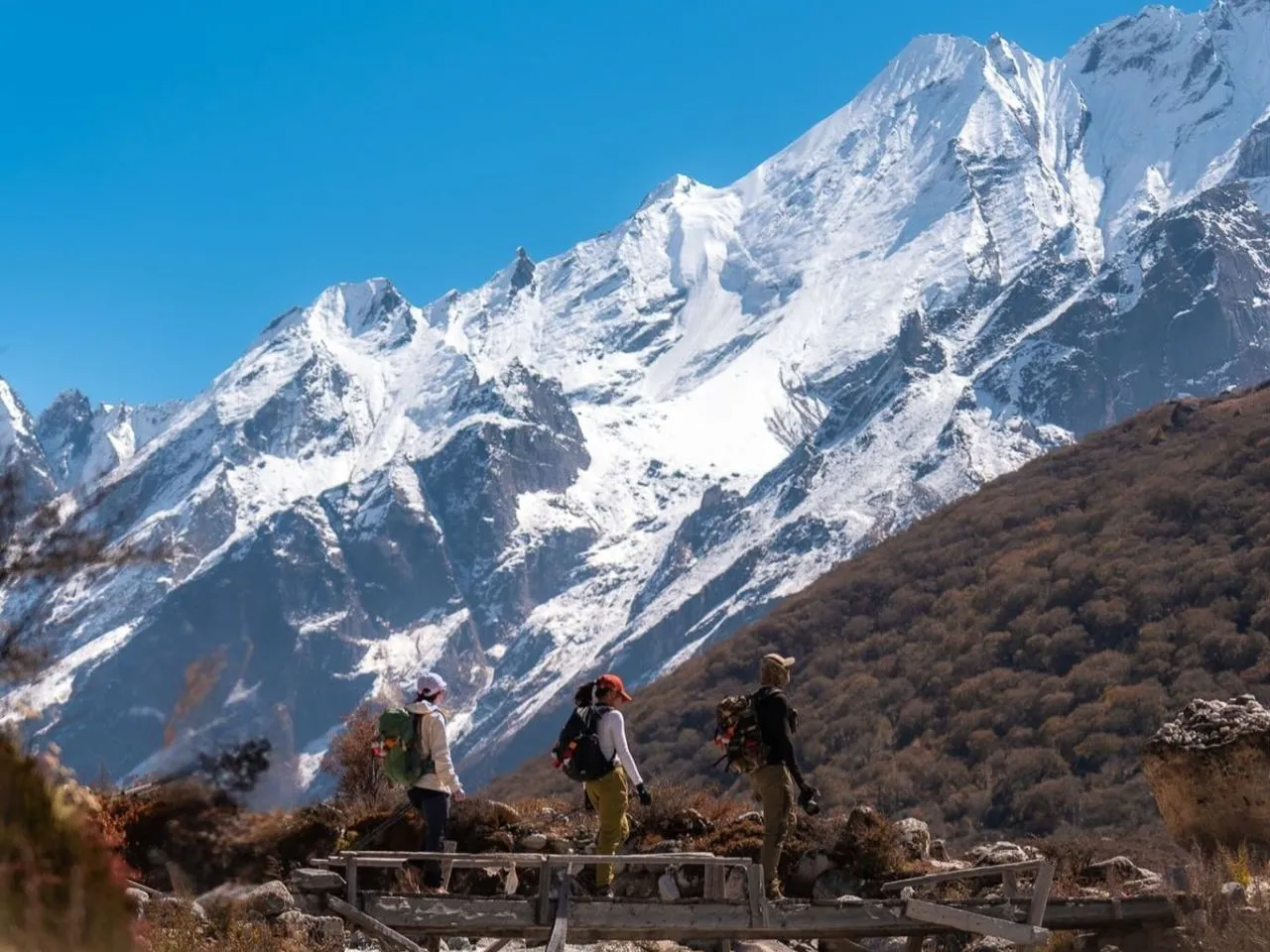
Langtang Luxury Trek – 10 Days
Langtang Luxury Trek – 10 Days
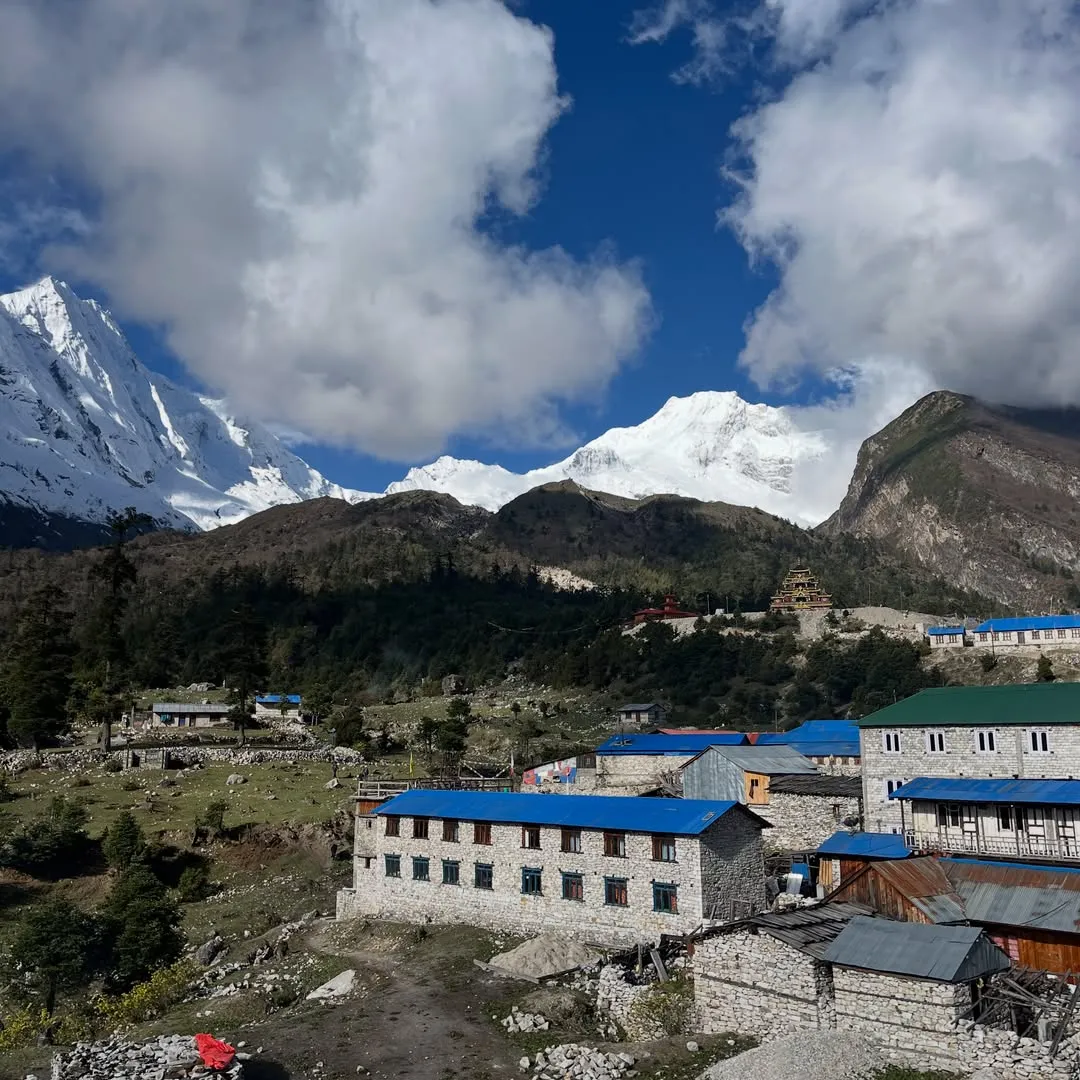
Manaslu Family Trek – 12 Days
Manaslu Family Trek – 12 Days
Manaslu Luxury Trek – 14 Days
Manaslu Luxury Trek – 14 Days

Manaslu Photography Trek – 17 Days
Manaslu Photography Trek – 17 Days
 English
 Deutsch
 Svenska
 Dansk
Dansk Русский
 Français
 Português
 Español
 Polski
 简体中文
简体中文 日本語
日本語 ไทย
ไทย العربية
 한국어
한국어