
Quick Answer
To prevent altitude sickness on a Nepal trek, ascend slowly with no more than 300 to 500m of sleeping altitude gain per day above 3,000m, take a rest day every 1,000m of climb, drink 3 to 4 litres of water daily, and consider Diamox (acetazolamide) from the night before you sleep above 3,500m. Above all, descend immediately if symptoms worsen, because descent is the only real cure. No fitness, supplement or gadget replaces a slow ascent.
Altitude sickness is predictable and mostly preventable when you follow the rules. The trekkers who get into trouble are almost always the ones who rushed an itinerary, ignored early symptoms, or treated Diamox as a licence to climb faster. Treat altitude with respect and you will join the large majority who trek safely in Nepal every year.
Detailed Breakdown
Altitude sickness occurs when you ascend faster than your body can adapt to lower oxygen. The risk starts above 2,500m, becomes significant above 3,500m, and serious above 4,500m. On popular Nepal routes the danger zones are Namche and Dingboche on the EBC trek, Manang and Thorong Phedi on the Annapurna Circuit, and Samagaon before the Larkya La on the Manaslu Circuit. Your body adapts by breathing faster, producing more red blood cells and adjusting blood chemistry, but this takes time.
Three principles drive prevention: climb high and sleep low, never gain more than 500m of sleeping altitude in a day above 3,000m, and take a full rest day every 1,000m of cumulative climb. Hydration matters because the dry mountain air and increased breathing rate dehydrate you fast. Nutrition matters because altitude suppresses appetite, so eat small carbohydrate-rich meals even when you do not feel hungry. Sleep is harder at altitude, so accept broken sleep as normal rather than worrying about it.
Cost / Component Breakdown
Here is a prevention checklist with the cost and effort of each measure for a typical 14 day Nepal trek in 2027.
| Prevention Measure | Cost (USD) | Effort |
|---|---|---|
| Extra acclimatisation rest day | $40 to $50 | One extra day |
| Diamox (acetazolamide), 14 day supply | $10 to $20 | Consult doctor, take twice daily |
| Pulse oximeter | $15 to $30 | Check morning and evening |
| Filtered water, 3 to 4 litres daily | $2 to $4 per day | Drink regularly |
| Altitude-rated travel insurance | $80 to $150 | Buy before flying |
| Guide trained in altitude response | Included in guide fee | Vet the operator |
| Helicopter rescue contingency | $2,500 to $5,000 if uninsured | Covered by insurance |
The cheapest prevention measures, slow ascent and hydration, are also the most effective. Money cannot buy a faster adaptation, only a safer response when things go wrong.
What Affects the Answer
Your personal risk profile depends on several factors that we discuss with every client. Ascent rate is the dominant variable, full stop. Prior altitude experience tells you how your body responds but does not guarantee safety on a new trip. Hydration, sleep and nutrition all support adaptation. Genetics plays an unpredictable role, which is why two equally fit trekkers can respond very differently to the same altitude.
- Ascent rate: Keep sleeping altitude gains to 300 to 500m per day above 3,000m.
- Rest days: One full rest day per 1,000m of cumulative climb.
- Hydration: 3 to 4 litres of water daily, plus soups and tea.
- Diamox: 125mg twice daily from the night before 3,500m sleep, with doctor approval.
- Honesty: Report symptoms to your guide immediately, without shame.
Booking Tips / Practical Advice
Choose an itinerary with at least two acclimatisation rest days for any trek reaching 5,000m, and never book a rushed 9 or 10 day EBC itinerary. Carry Diamox after consulting a travel doctor, and know the dose: 125mg twice daily is standard for prevention, with 250mg twice daily for treatment. Buy a small finger pulse oximeter to track your oxygen saturation, which should stay above 80 percent above 4,000m and recover overnight. Drink before you are thirsty, because altitude blunts thirst perception.
Walk at a conversational pace, where you can speak in full sentences without gasping. Eat carbohydrate-rich meals like dal bhat, pasta and porridge, and avoid heavy fatty meals that are hard to digest at altitude. Limit alcohol above 3,500m because it worsens dehydration and sleep quality. Sleep with your head slightly raised if you feel breathless at night, and accept that waking several times is normal. If your symptoms worsen after a rest day, descend 500 to 1,000m without hesitation.
Comparison With Alternatives
There is no alternative to slow ascent, but you can reduce risk by choosing lower-altitude treks. The Ghorepani Poon Hill trek tops out at 3,210m and is low-risk. The Langtang Valley trek reaches 4,984m at Tserko Ri but with a gentler profile. The Annapurna Base Camp trek tops out at 4,130m, slightly lower than EBC at 5,364m. If you are worried about altitude, start with one of these before attempting EBC, the Three Passes, or Manaslu Circuit.
Common Mistakes to Avoid
Do not use Diamox to climb faster, because it only buys time and does not replace slow ascent. Avoid alcohol and sleeping pills at altitude, because both suppress breathing. Do not ignore a worsening headache or breathlessness, because waiting overnight can turn mild AMS into HAPE or HACE. Avoid comparing yourself to other trekkers, because individual altitude response varies enormously. Finally, do not hide symptoms from your guide to keep the group moving, because that is how evacuations happen.
Frequently Asked Questions
Here are the altitude prevention questions trekkers ask us most often.
Summary
Prevent altitude sickness on a Nepal trek with slow ascent, rest days every 1,000m, 3 to 4 litres of water daily, and Diamox from the night before 3,500m sleep. Carry a pulse oximeter, eat carbohydrates, walk at a conversational pace, and descend immediately if symptoms worsen. No supplement or gadget replaces a slow ascent, and descent is the only real cure.
Conclusion
Altitude sickness is the most predictable risk on a Nepal trek, and it is largely preventable. Follow the slow-ascent rule, hydrate relentlessly, take your rest days, and report symptoms honestly. Do those four things and you give yourself the best chance of reaching your goal safely and enjoying the journey rather than fighting your body.
Recommended Trek Packages
Trekking Places to Explore
Explore Trips in Nepal
Hand-picked guided trips to this destination
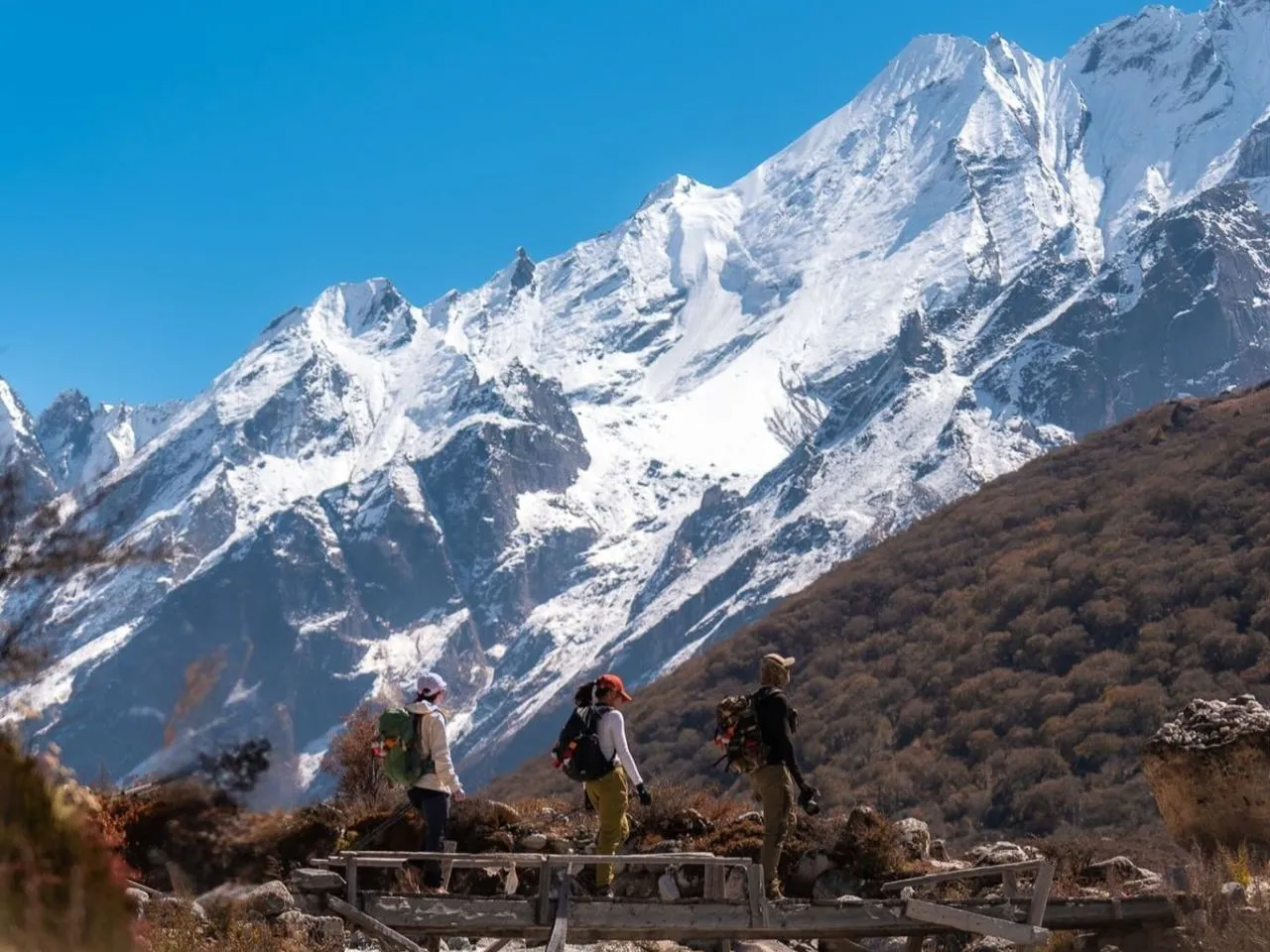
Langtang Luxury Trek – 10 Days
Langtang Luxury Trek – 10 Days
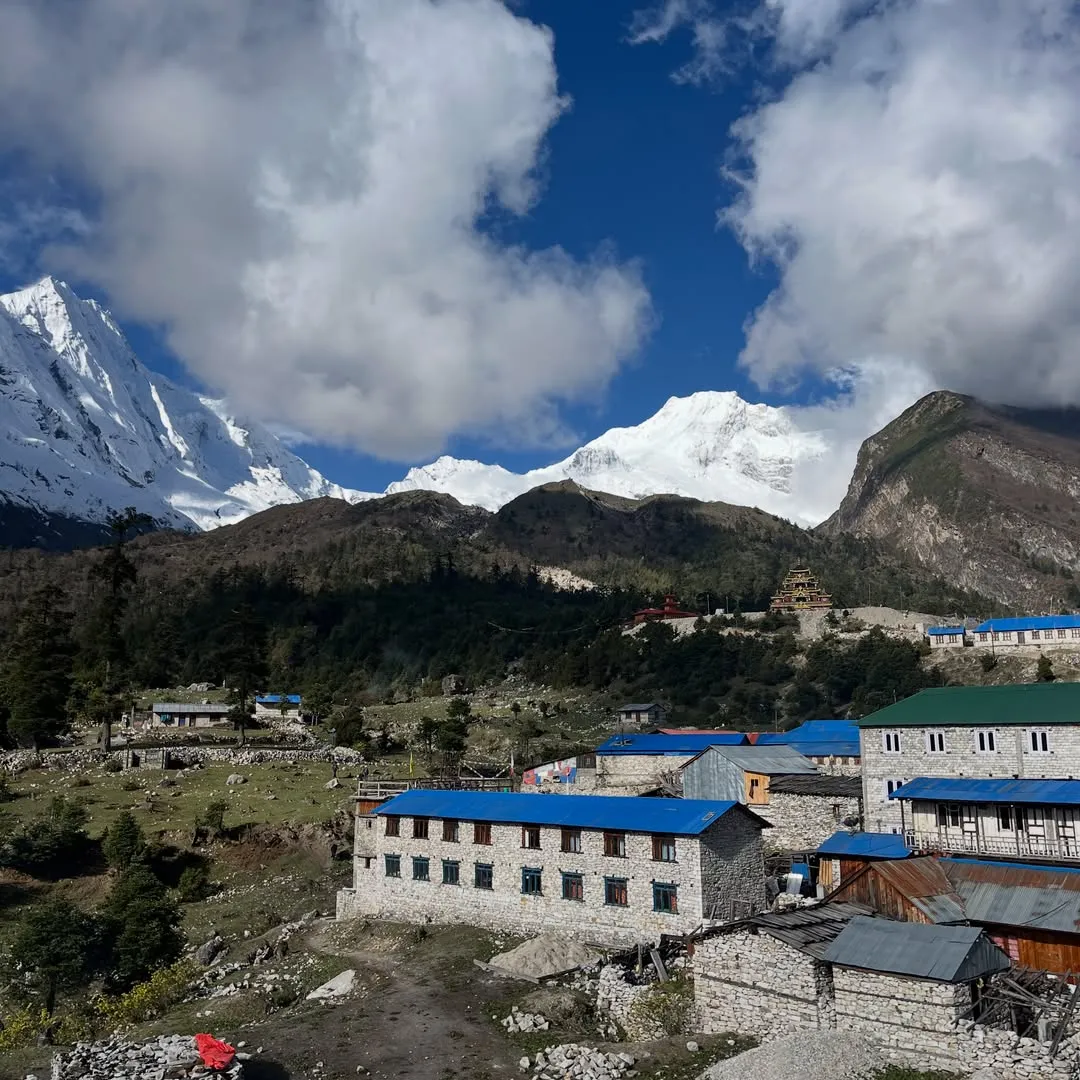
Manaslu Family Trek – 12 Days
Manaslu Family Trek – 12 Days
Manaslu Luxury Trek – 14 Days
Manaslu Luxury Trek – 14 Days

Manaslu Photography Trek – 17 Days
Manaslu Photography Trek – 17 Days
 English
 Deutsch
 Svenska
 Dansk
Dansk Русский
 Français
 Português
 Español
 Polski
 简体中文
简体中文 日本語
日本語 ไทย
ไทย العربية
 한국어
한국어