
Quick Answer
Autumn (October to November) is the best season for Nepal trekking in 2027 if you want the clearest mountain views, driest trails, and most stable weather, with daytime highs of 5 to 15 degrees Celsius at altitude. Spring (March to April) is best if you want warmer days, rhododendron blooms, and quieter trails, with afternoon clouds reducing mountain photography. Autumn is slightly more crowded and expensive, while spring is greener, warmer, and more forgiving for first-timers.
Both seasons are excellent, and the right choice depends on whether you prioritize clear views (autumn) or warm weather and blooms (spring).
Detailed Breakdown
Nepal has two main trekking seasons, autumn (October to November) and spring (March to April), separated by winter (December to February) and monsoon (June to September). Autumn is the post-monsoon period, when the air has been washed clean by summer rains, the trails are dry and firm, and the skies are at their clearest. The first two weeks of October are the most popular trekking dates of the year, with stable weather and crisp blue skies delivering the best mountain photography conditions.
Spring is the pre-monsoon period, when temperatures warm up, the rhododendron forests bloom in red, pink, and white, and the trails are quieter than autumn. Spring afternoons are cloudy, with mountain views often obscured by 2pm, but mornings are clear and the warmer weather makes trekking more comfortable. Spring is also when expedition climbing season peaks on Everest and other 8,000m peaks, which adds a buzz to the Khumbu region.
Cost / Component Breakdown
Here is the 2027 season comparison for Nepal trekking, focused on Annapurna and Everest routes.
| Factor | Autumn (Oct to Nov) | Spring (Mar to Apr) |
|---|---|---|
| Sky clarity | Excellent, especially October | Good in mornings, cloudy afternoons |
| Daytime temperature at altitude | 5 to 15 degrees Celsius | 10 to 18 degrees Celsius |
| Night temperature at altitude | -5 to -12 degrees Celsius | -2 to -8 degrees Celsius |
| Trail conditions | Dry and firm | Dry, occasional pre-monsoon showers |
| Rhododendron blooms | No | Yes, late March to mid April |
| Crowd levels | Very high in October | High in April, lower in March |
| Lodge and package cost | +10 to 15 percent peak | +5 to 10 percent peak |
| Lukla flight reliability | High in October | High in March and April |
| Best for photography | Autumn | Spring mornings only |
| Best for warm weather | Autumn | Spring |
Spring is roughly 5 to 10 percent cheaper than autumn for the same trek, with March being the cheapest peak-season month.
What Affects the Answer
Several factors determine whether spring or autumn is right for your trek. Your photography priority matters, because autumn wins for clear mountain views while spring clouds up by afternoon. Your cold tolerance is also key, because spring is 5 to 8 degrees warmer than autumn at altitude. The route you choose also matters, with high passes like Thorong La, Larkya La, and Three Passes being safer in October than in late November.
- Photography: Autumn for clear mountain shots; spring for morning light only.
- Cold tolerance: Spring is warmer and more forgiving for cold-sensitive trekkers.
- Route: High passes are safer in October; lower routes work in both seasons.
- Crowds: October is busiest; March is quieter than April.
- Rhododendrons: Spring only, with peak bloom in late March to mid April.
Booking Tips / Practical Advice
Book autumn treks 4 to 6 months ahead, with October being the busiest month of the year. Book spring treks 3 to 4 months ahead, with April being busier than March. Carry layers for both seasons, with a four-season sleeping bag rated to minus 15 or warmer for autumn and minus 10 for spring. Pack a down jacket for both, because dawn hikes to Kala Patthar, Thorong La, or Gokyo Ri are cold year-round.
In spring, start your daily trekking by 6am to catch the clear morning weather, because clouds build by noon and obscure views by 2pm. In autumn, you can trek later in the morning because the skies stay clear all day. For rhododendron photography, target the Ghorepani to Tadapani section of the Annapurna trail in late March to mid April, where the forests turn red, pink, and white. Carry microspikes for high-pass crossings in both seasons, because ice forms on shaded sides from November to April.
Comparison With Alternatives
Winter (December to February) offers quiet trails and clear skies but extreme cold at altitude, with high passes often closed by snow. Monsoon (June to September) is wet and leech-infested on most trails, but the rain-shadow regions of Upper Mustang, Upper Dolpo, and Limi Valley are trekable. Shoulder seasons like early December and late May offer lower prices and fewer crowds but variable weather. For first-timers, autumn and spring remain the safest and most rewarding choices.
Common Mistakes to Avoid
Do not assume September is autumn, because the monsoon often lingers into the third week of September and trails are wet. Avoid booking the first week of October without a buffer day, because delayed international flights can wipe out your connection. Do not underestimate spring afternoon clouds, because trekkers expecting all-day views end up disappointed. Finally, do not skip acclimatization in either season, because altitude sickness does not respect the calendar.
Frequently Asked Questions
Here are the season-comparison questions trekkers ask us most.
Summary
Autumn (October to November) offers the clearest skies, driest trails, and best mountain photography, but is more crowded and expensive. Spring (March to April) offers warmer days, rhododendron blooms, and quieter trails, but clouds build in the afternoon. Choose autumn for views and photography, and spring for warmth, blooms, and slightly lower costs. Both seasons are excellent for Nepal trekking, and the right choice depends on your personal priorities.
Conclusion
There is no wrong choice between spring and autumn for Nepal trekking, only the right choice for your priorities. If crisp mountain views and stable weather matter most, pick October. If warm days, blooming forests, and quieter trails sound appealing, pick April. Either way, you will experience some of the most spectacular trekking on Earth, in a country that has been perfecting mountain hospitality for decades.
Recommended Trek Packages
Trekking Places to Explore
Explore Trips in Nepal
Hand-picked guided trips to this destination
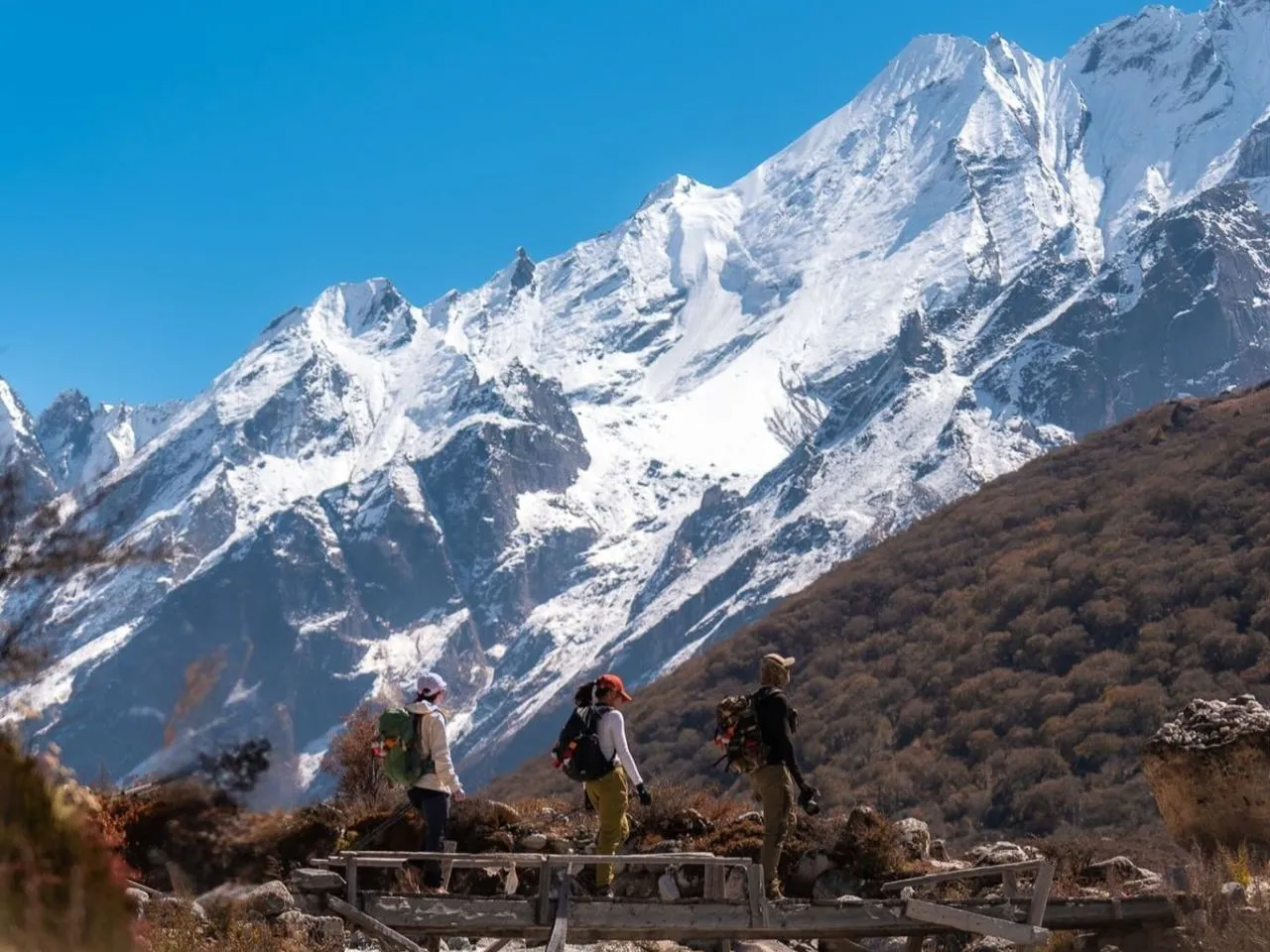
Langtang Luxury Trek – 10 Days
Langtang Luxury Trek – 10 Days
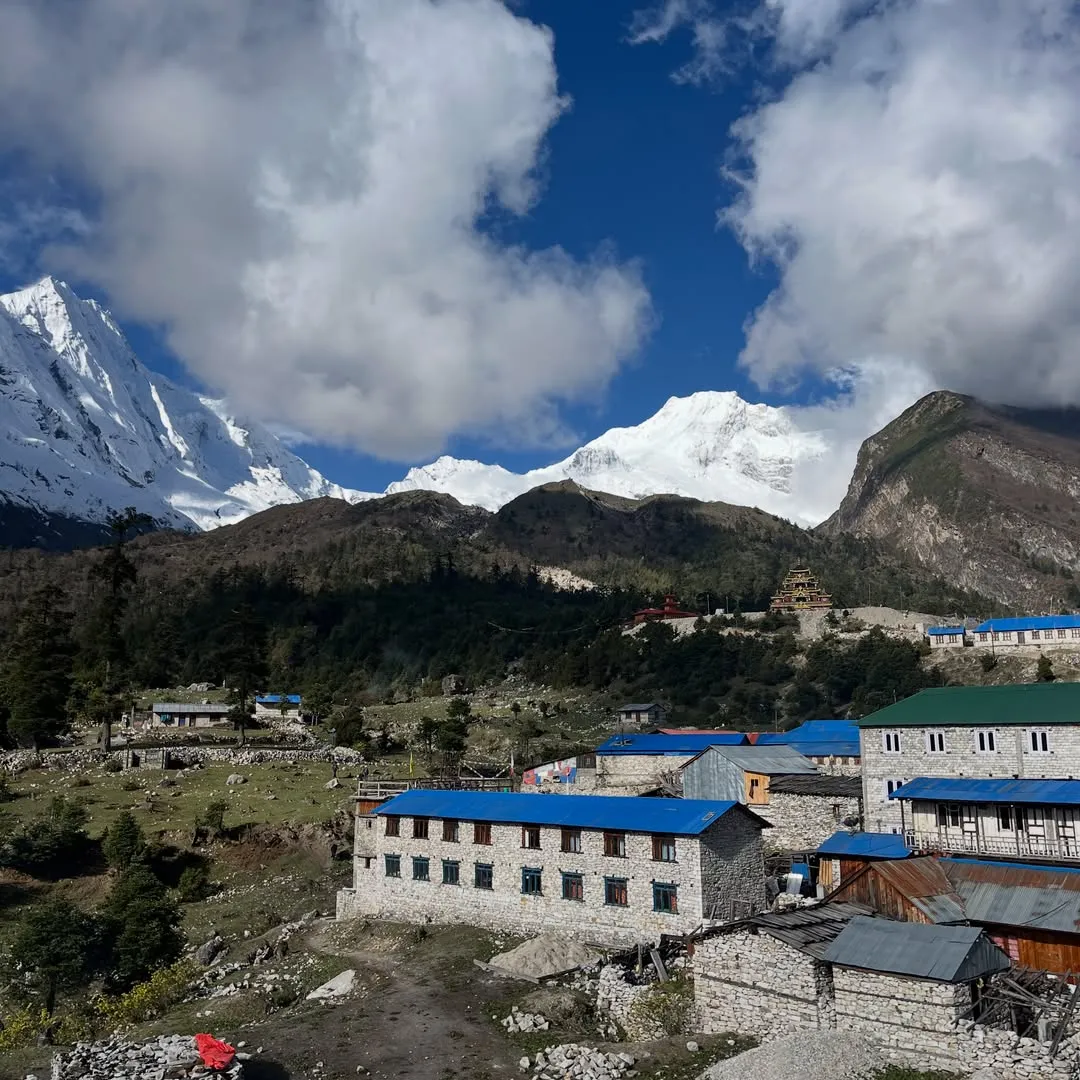
Manaslu Family Trek – 12 Days
Manaslu Family Trek – 12 Days
Manaslu Luxury Trek – 14 Days
Manaslu Luxury Trek – 14 Days

Manaslu Photography Trek – 17 Days
Manaslu Photography Trek – 17 Days
 English
 Deutsch
 Svenska
 Dansk
Dansk Русский
 Français
 Português
 Español
 Polski
 简体中文
简体中文 日本語
日本語 ไทย
ไทย العربية
 한국어
한국어