
Quick Answer
Ganesh Himal homestays and teahouses are very basic in 2027 to 2030. Expect squat toilets, dormitory beds with thin foam mattresses, no WiFi above 2,000 m, cold bucket showers, and dal bhat twice daily. There is no attached bathroom in any homestay on the route. Carry your own sleeping bag rated to minus 10 Celsius and budget $1,800 to $2,800 USD per person for a 14 day guided package.
Detailed Breakdown
The Ganesh Himal trek sits between Langtang and Manaslu in central Nepal. It is a homestay focused route that crosses Tamang and Gurung villages between Syabrubesi and Somdang. The trail has fewer than 200 trekkers per year, which means there is no commercial teahouse infrastructure like Annapurna or Everest. Accommodation is in family homes that have been converted to host trekkers.
Rooms are typically small with two single beds, a thin foam mattress, and a wool blanket. Walls are wood and mud with gaps that let in cold air. Toilets are shared squat latrines outside the main house. Some homestays have a western style toilet installed for trekkers but it is rare. Showers are a bucket of hot water heated on the wood stove, served in a small cubicle.
Food is dal bhat with seasonal vegetables, rice, lentils, and pickled greens. Breakfast is Tibetan bread with honey or porridge. There is no menu in most homestays. You eat what the family eats. Tea is black or milk tea with sugar. There are no bakeries, no pizza, no apple pie, and no beer above 2,000 m.
Cost/Component Breakdown
| Component | Homestay package | Camping package |
|---|---|---|
| Guide and porter (14 days) | $500 to $700 | $700 to $950 |
| Permits (Ganesh Himal, TIMS) | $40 to $60 | $40 to $60 |
| Homestay lodging and meals (14 days) | $280 to $400 | $0 (camping) |
| Camping gear, cook, food (14 days) | $0 | $420 to $620 |
| Kathmandu transfers and contingency | $180 to $280 | $180 to $280 |
| Gear, rescue insurance, margin | $800 to $1,200 | $860 to $1,300 |
| Total per person USD | $1,800 to $2,800 | $2,200 to $3,400 |
What Affects the Answer
Three factors decide how basic your experience will be. The season matters. Spring and autumn homestays are full of life, family cooking, and warmth. Winter homestays are cold and many families migrate to lower villages, closing their homes. The village size matters. Larger villages like Gatlang and Somdang have slightly better facilities. Smaller stops like Chilime and Tatopani are very rustic. The operator choice matters. Culture focused operators book homestays with families who speak some English. Budget operators book the cheapest available room.
Booking Tips
Book a spring 2027 or 2028 departure with an operator that specialises in Tamang heritage trails. Ask for a homestay list with family names and contact numbers. Carry a sleeping bag rated to minus 10 Celsius, a sleeping bag liner, earplugs, and a headlamp. Bring snacks from Kathmandu because there are no shops above Syabrubesi. Pack wet wipes and hand sanitiser because water is cold and scarce. Carry a small gift for the host family like tea, biscuits, or a small torch.
Comparison With Alternatives
If you want similar Tamang culture with better infrastructure, the Langtang Valley trek in 9 days has established teahouses with attached bathrooms and WiFi. If you want a similar homestay experience with easier access, the Helambu trek in 7 days is closer to Kathmandu and has slightly better facilities. If you want a camping focused route with no homestays, the Ruby Valley trek next to Ganesh Himal is similar scenery with full camping support.
Common Mistakes to Avoid
Trekkers expect Annapurna or Everest teahouse standards. Ganesh Himal is one notch above camping. They bring thin sleeping bags and freeze at 3,000 m. They expect hot showers daily. There are none above 2,000 m. They skip snacks and energy bars, then complain about repetitive dal bhat. They also book the cheapest homestay package and end up in the least comfortable family home in each village.
FAQ
Are there attached bathrooms in Ganesh Himal homestays? No. All toilets are shared squat latrines outside the main house.
Can I get vegetarian food easily? Yes. Most homestay meals are naturally vegetarian. Vegan is harder because ghee and milk are staples.
Is there charging for phones? Sometimes, for a small fee of $1 to $2 USD per charge. Solar power is common.
Are bedding and towels provided? Blankets yes, towels no. Bring your own quick dry towel.
Summary
Ganesh Himal homestays and teahouses are very basic. Expect squat toilets, dorm beds, no WiFi, and dal bhat twice daily. Budget $1,800 to $2,800 USD for a 14 day package and carry your own minus 10 Celsius sleeping bag.
Conclusion
For 2027 to 2030 Ganesh Himal treks, treat the route as a homestay and camping hybrid. Carry your own sleeping bag, snacks, and towel, and choose a culture focused operator that books English speaking families. The reward is genuine Tamang hospitality that no commercial teahouse route can match.
Recommended Trek Packages
Trekking Places to Explore
Explore Trips in Nepal
Hand-picked guided trips to this destination
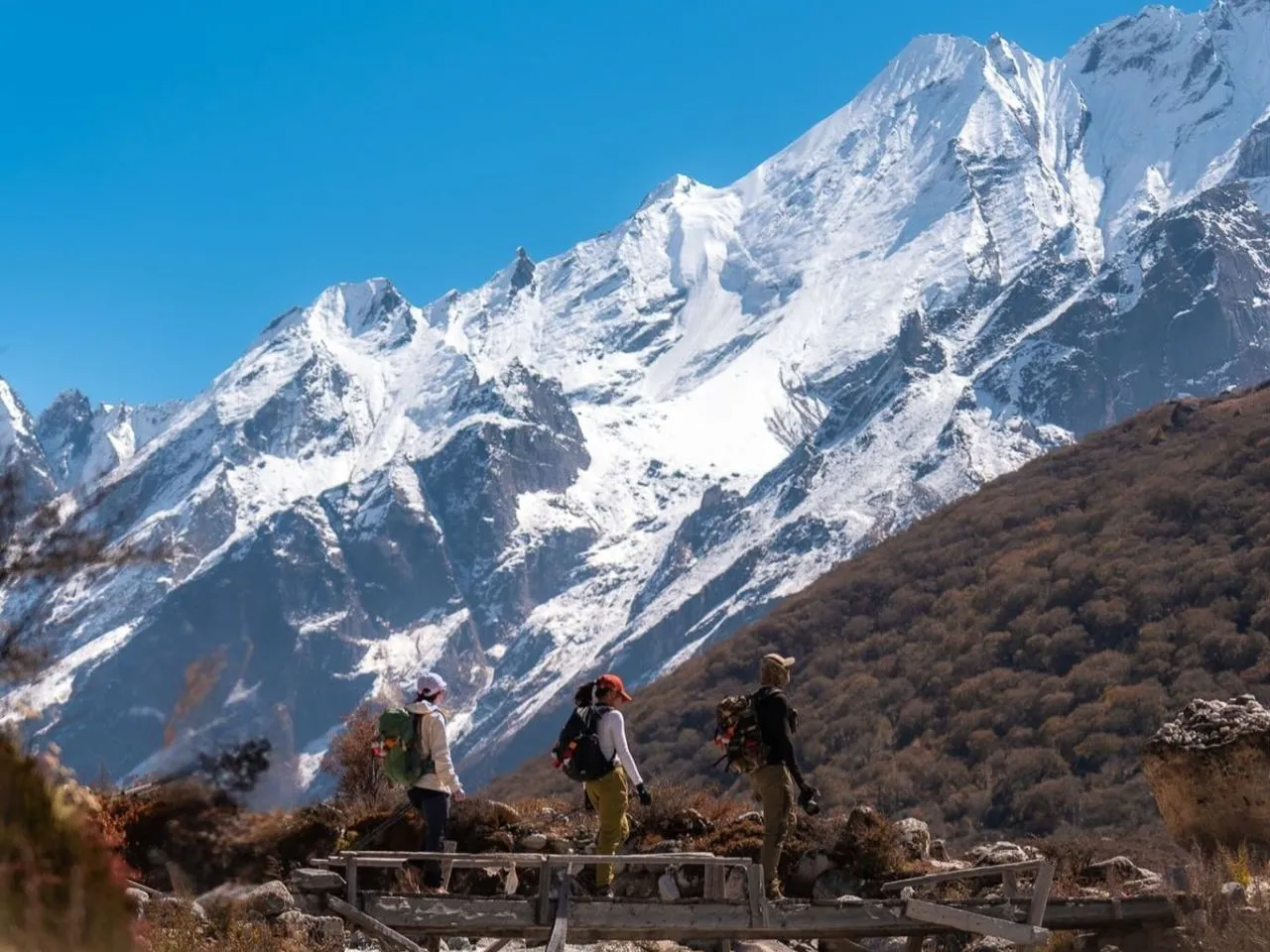
Langtang Luxury Trek – 10 Days
Langtang Luxury Trek – 10 Days
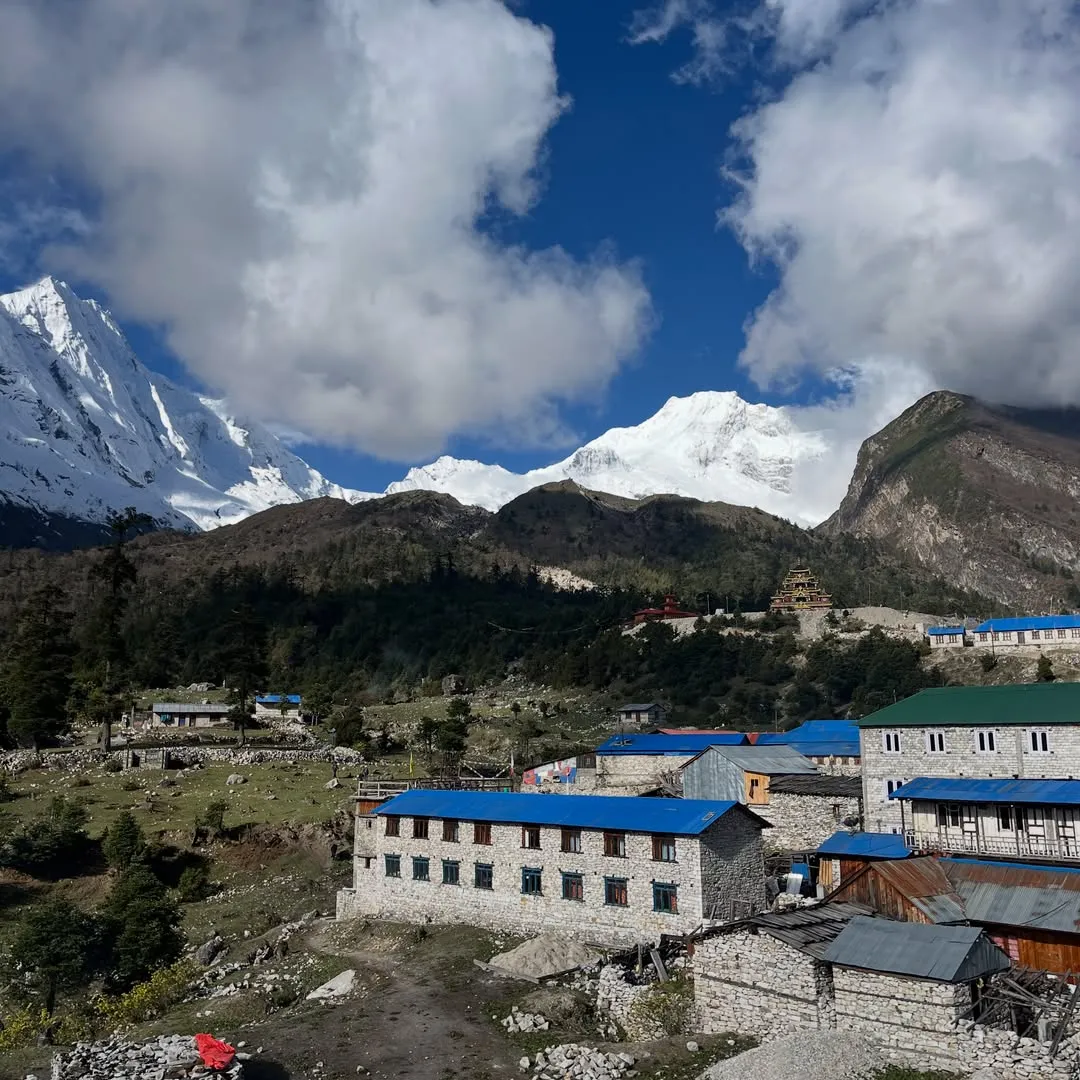
Manaslu Family Trek – 12 Days
Manaslu Family Trek – 12 Days
Manaslu Luxury Trek – 14 Days
Manaslu Luxury Trek – 14 Days

Manaslu Photography Trek – 17 Days
Manaslu Photography Trek – 17 Days
 English
 Deutsch
 Svenska
 Dansk
Dansk Русский
 Français
 Português
 Español
 Polski
 简体中文
简体中文 日本語
日本語 ไทย
ไทย العربية
 한국어
한국어