
Quick Answer
Resupply on the Great Himalayan Trail in Nepal works through a mix of teahouse food purchases in the popular sections, porter carried food between villages in remote sections, and occasional helicopter airdrops in Humla, Dolpo, and Mugu. Plan 5 to 7 day food carries between major supply points at Kanchenjunga, Makalu, Lukla, Jomsom, Juphal, Jumla, and Simikot.
Detailed Breakdown
The Great Himalayan Trail in Nepal runs roughly 1,700 kilometres from Kanchenjunga in the east to Hilsa in the west, crossing 8 climate zones and altitude ranges from 800 to 6,200 metres. A full thru hike takes 120 to 160 days, with food resupply the dominant logistical challenge.
The trail splits into three resupply zones. The eastern and central sections through Kanchenjunga, Makalu, Khumbu, and Annapurna have established teahouse networks where trekkers buy food daily and carry only 2 to 3 days of snacks. The western sections through Dolpo and Mugu need porter carried food for 6 to 9 day stretches. The far western Limi and Humla sections need airdrops or long carries of 8 to 12 days.
Major supply points with shops and airstrips include Taplejung, Tumlingtar, Lukla, Jiri, Besisahar, Jomsom, Juphal, Jumla, and Simikot. Distances between them range from 4 to 12 walking days.
Cost/Component Breakdown
| Resupply Method | Used On | Cost per Day 2027 |
|---|---|---|
| Teahouse meals | Khumbu, Annapurna, Langtang | $20 to $30 |
| Shop bought food carry | Kanchenjunga, Makalu approach | $10 to $15 |
| Porter carried food | Dolpo, Mugu, Manaslu restricted | $15 to $25 plus porter $30 per day |
| Helicopter airdrop | Limi Valley, upper Dolpo, Mugu | $800 to $1,500 per drop |
| Mule carried food | Upper Mustang, sections of Dolpo | $15 to $20 plus mule $40 per day |
| Total food budget 120 days | Mixed methods | $1,800 to $3,200 |
What Affects the Answer
Season drives supply availability. October and November see full shop stocks in all major supply points. April and May see reduced stocks in remote villages as winter inventory depletes. Winter thru hikes from December to February face closed shops above 3,500 metres.
Group size shifts the resupply strategy. Solo trekkers can buy from village shops daily and carry minimal food. Groups of three or more need porter carried food because village stocks deplete quickly under group demand.
Direction of travel matters. East to west is the standard direction because acclimatisation builds gradually and resupply points line up with fitness peaks. West to east is harder because the high Humla and Dolpo sections hit early when fitness and acclimatisation are lower.
Your dietary needs affect weight. Standard dal bhat and noodle diet carries at 600 to 800 grams per person per day. Specialist dietary needs add 200 to 400 grams per day and push total food weight above 8 kilograms for a 7 day carry.
Booking Tips
Plan resupply points at 5 to 7 day intervals and pre book porters through district operators in Taplejung, Tumlingtar, Juphal, Jumla, and Simikot. Walk in porter sourcing fails in shoulder months.
Pre arrange airdrops through a Kathmandu operator for the Limi Valley, upper Dolpo, and Mugu legs. Helicopter availability is limited and needs 7 to 10 days notice.
Carry cash in NPR for the full trek duration. No ATMs operate beyond Lukla, Jomsom, and Pokhara. A 120 day thru hike needs $2,500 to $4,000 in cash, split into multiple hiding spots.
Pack food in rodent proof bags. Marmots and rats in remote shelters chew through thin plastic, and food loss in a 9 day carry is a serious problem.
Book helicopter evacuation insurance that covers remote western Nepal. Standard trekking policies exclude Humla, Dolpo, and Mugu.
Comparison With Alternatives
Compared with the Annapurna Circuit or Everest Base Camp Trek, the GHT has 5 to 10 times the food carry burden because teahouse coverage is patchy west of Annapurna.
The Three Passes Trek in Khumbu runs 18 to 22 days on full teahouse resupply, with no food carry needed. It serves as a useful test of fitness and acclimatisation before committing to a GHT thru hike.
The Upper Dolpo Trek is the closest single section to GHT resupply conditions, with 6 to 9 day food carries and porter dependency. Doing it as a standalone trip is the best test of remote resupply capability.
Common Mistakes to Avoid
Do not assume village shops will have what you need. Remote shops stock rice, lentils, instant noodles, and biscuits only. Specialty food needs must be carried from Kathmandu or Pokhara.
Do not plan a winter thru hike. Most supply shops above 3,500 metres close from December to February, and high passes are snowbound.
Do not skip the porter pre booking in remote sections. Walk in porter sourcing in Juphal, Jumla, and Simikot fails in 30 to 40 percent of shoulder season attempts.
Do not underestimate cash needs. A 120 day thru hike often needs $3,000+ in NPR cash, and running out in upper Dolpo means ending the trek early.
FAQ
How often do GHT trekkers resupply?
Every 5 to 7 days on average, with longer 8 to 12 day carries in Humla, Dolpo, and Mugu. Major supply points are Taplejung, Tumlingtar, Lukla, Jomsom, Juphal, Jumla, and Simikot.
How much food do I carry at once?
5 to 8 kilograms for a 7 day carry, including snacks. Solo trekkers carry less by buying from village shops; groups need porter support for the same volume.
How much does GHT food cost total?
$1,800 to $3,200 for a 120 day thru hike, depending on teahouse versus porter carried mix and airdrop frequency.
Can I buy food in remote villages?
Yes but selection is limited to rice, lentils, instant noodles, biscuits, and seasonal vegetables. Specialty diets must be carried in.
Do I need a guide for the full GHT?
Yes, strongly recommended. Restricted area permits in Manaslu, Dolpo, Humla, and Limi require a guide by law, and route finding in remote sections defeats independent trekkers.
Summary
Great Himalayan Trail resupplies mix teahouse food, porter carries, mule carries, and occasional helicopter airdrops. Plan 5 to 7 day food carries between major supply points, pre book porters, and carry $2,500 to $4,000 in cash for a full 120 day thru hike.
Conclusion
For 2027 and 2028 GHT thru hikers, resupply is the single biggest logistical challenge and the main reason most attempts fail. Plan supply points at 5 to 7 day intervals, pre book porters in all remote sections, and arrange airdrops well ahead for Limi, upper Dolpo, and Mugu. With solid resupply logistics, the 1,700 kilometre Nepal section of the GHT becomes achievable. Without them, even strong hikers end their attempts in Jomsom or Juphal.
Recommended Trek Packages
Trekking Places to Explore
Explore Trips in Nepal
Hand-picked guided trips to this destination
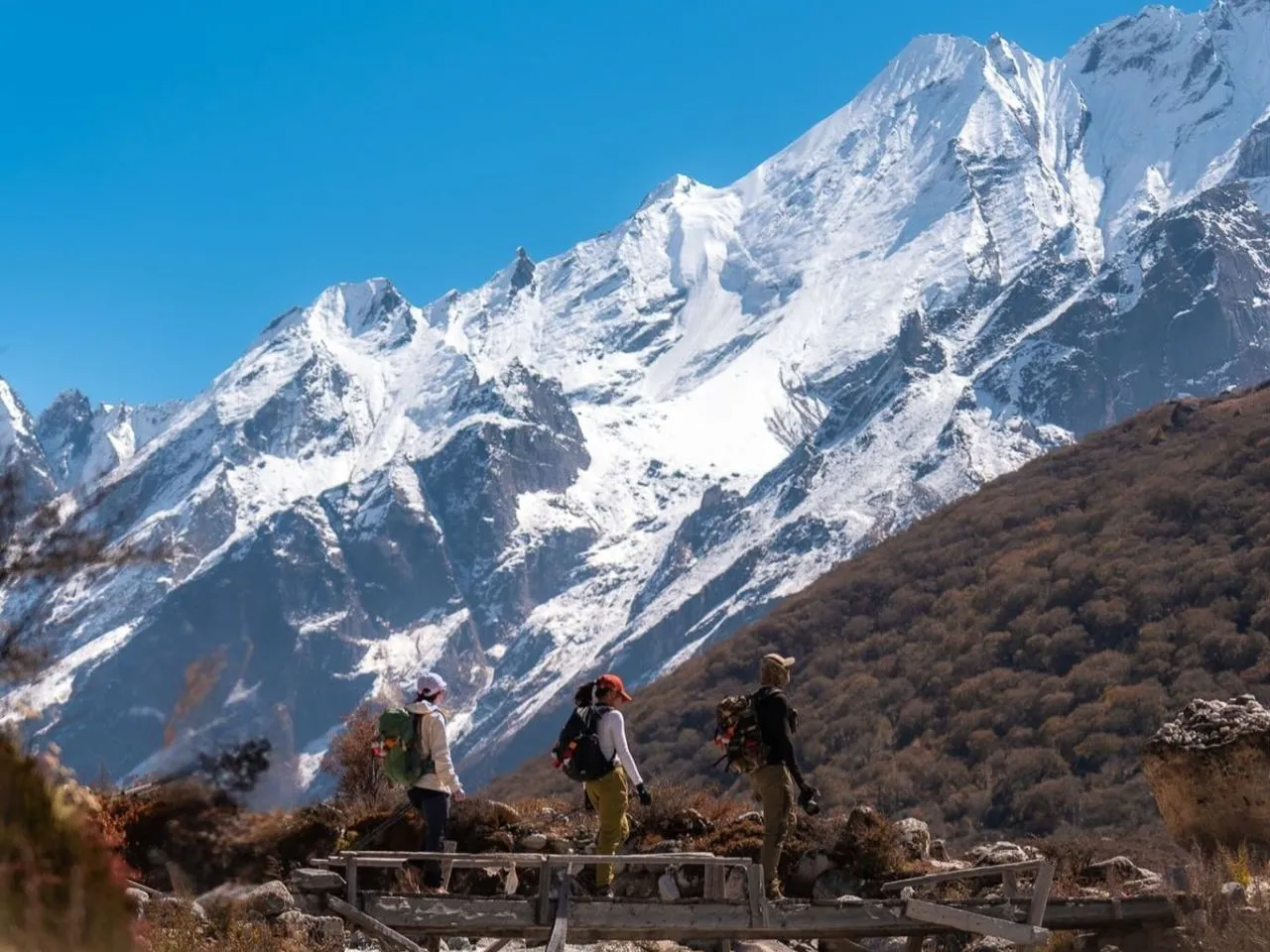
Langtang Luxury Trek – 10 Days
Langtang Luxury Trek – 10 Days
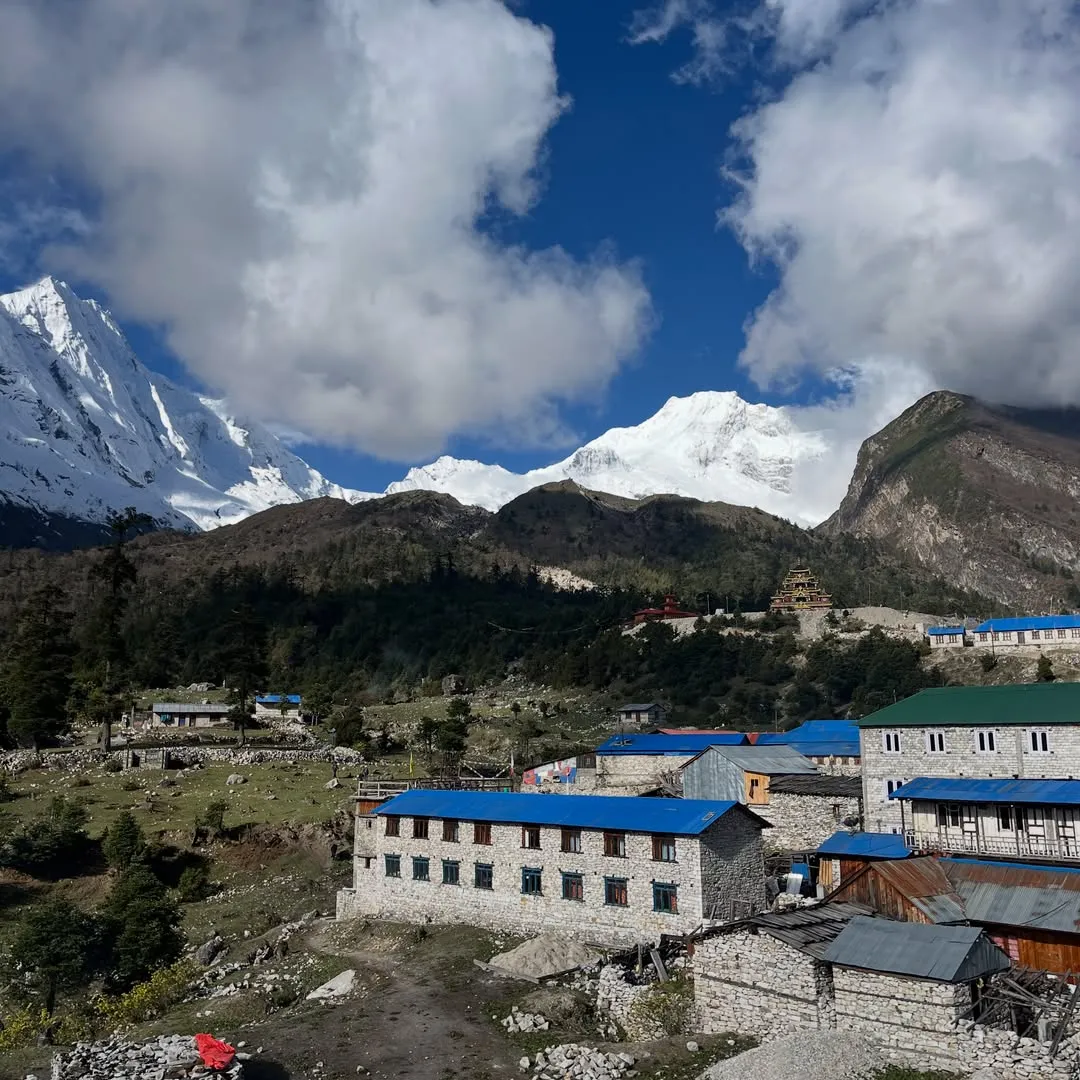
Manaslu Family Trek – 12 Days
Manaslu Family Trek – 12 Days
Manaslu Luxury Trek – 14 Days
Manaslu Luxury Trek – 14 Days

Manaslu Photography Trek – 17 Days
Manaslu Photography Trek – 17 Days
 English
 Deutsch
 Svenska
 Dansk
Dansk Русский
 Français
 Português
 Español
 Polski
 简体中文
简体中文 日本語
日本語 ไทย
ไทย العربية
 한국어
한국어