
Quick Answer
A guided Kanchenjunga trek in 2027 to 2030 costs $2,150 to $3,250 per person for 20 to 26 days, including restricted-area permits, flights to Bhadrapur or Taplejung, guide, porter, lodging, and meals. Group joiners of 4 to 6 land near $2,150 per head. Private solo trips run $3,800 to $4,800.
Detailed Breakdown
The Kanchenjunga Trek reaches the north and south base camps of the third highest mountain in the world at 5,143 m. The route starts at Taplejung, accesses both base camps via Sele La pass, and returns through Taplejung. The trek is restricted-area, meaning a special permit is required and a licensed guide is mandatory. Most operators run it as a 22 day standard itinerary.
For 2027 to 2030, Kanchenjunga is gaining popularity as an alternative to the crowded Everest and Annapurna routes. About 1,500 to 2,000 foreign trekkers attempt it per year, compared with 40,000 on Everest Base Camp. Trail infrastructure has improved. New teahouses opened at Ghunsa and Sele La base between 2022 and 2024, but lodging capacity is still tight in peak October.
Cost / Component Breakdown
| Component | Cost (USD) |
|---|---|
| Licensed English speaking guide, 22 days | $660 to $880 |
| Porter shared 1 per 2 trekkers, 22 days | $440 to $580 |
| Kanchenjunga Restricted Area Permit | $20 per week, $60 to $80 total |
| Kanchenjunga Conservation Area Permit | $30 |
| TIMS Card | $10 to $20 |
| Kathmandu to Bhadrapur flight round trip | $280 to $360 |
| Bhadrapur to Taplejung jeep round trip | $120 to $180 |
| Teahouse lodging and meals, 20 days | $600 to $820 |
| Operator overhead and contingency | $160 to $260 |
| Total per person, group of 4 to 6 | $2,300 to $3,210 |
Private solo trips run $3,800 to $4,800 because guide and porter costs cannot be split. Helicopter return from Ghunsa costs $2,400 to $3,200 per group of 5.
What Affects the Answer
Group size is the biggest lever. A 6 person group splits fixed costs and lands near $2,150 per head. A solo trekker pays $3,800 to $4,800. Couples land around $2,900 each. Group joiner departures with 6 to 8 trekkers are the best value option.
Route length also matters. The 20 day north base camp only itinerary costs $2,150 to $2,950. The 24 to 26 day north and south base camp circuit costs $2,650 to $3,500. The full circuit is the standard because it gives both Pangpema and Oktang viewpoints. Season shifts pricing by 10 to 12 percent. October and April carry peak surcharges at popular teahouses.
Booking Tips / Practical Advice
Book 8 to 10 weeks ahead for October and April departures. Ask operators for an itemized quote. Vague all-inclusive numbers under $2,000 are a red flag and often hide permit or porter wage gaps. Confirm the restricted-area permit is included in writing.
Pack a 4 season sleeping bag rated to minus 15 Celsius. Night temperatures at Ghunsa and Sele La base drop to minus 10 Celsius in November. Carry a power bank rated 20,000 mAh or higher because charging is rare above 3,500 m. Buy an NTC SIM in Kathmandu. Mobile data works at Taplejung, Ghunsa, and Sele La base, but is patchy elsewhere. Bring a printed copy of your travel insurance with 24 hour emergency number.
Comparison With Alternatives
The Manaslu Circuit is the closest alternative at $1,250 to $1,950 for 14 to 18 days. It is shorter, cheaper, and more accessible but reaches only 5,106 m versus Kanchenjunga at 5,143 m. Manaslu is the best value remote trek in Nepal. Kanchenjunga is the best high altitude remote trek.
The Makalu Base Camp Trek costs $2,450 to $3,650 for 18 to 22 days and reaches 5,000 m. It is more remote than Kanchenjunga and has fewer teahouses. Combining Kanchenjunga with Makalu into a 30 to 35 day traverse costs $3,800 to $5,400 per person.
Common Mistakes to Avoid
Do not book a compressed 18 day Kanchenjunga itinerary. The standard 22 day route allows proper acclimatization and time for both base camps. Compressed versions skip either Pangpema or Oktang, which defeats the purpose of choosing this trek.
Do not underestimate the cold. November night temperatures at Ghunsa drop to minus 10 Celsius. A 3 season bag is not enough. Do not skip the restricted-area permit. Checkpoints at Taplejung ask for it. Do not book tight international connections out of Kathmandu. Bhadrapur flights cancel 15 to 20 percent of mornings, especially in shoulder seasons. Allow 48 hours of buffer.
Frequently Asked Questions
Is Kanchenjunga harder than Everest Base Camp? Yes, by duration and remoteness. Kanchenjunga is 22 days versus 12 to 14 for EBC, with thinner infrastructure and longer stretches between teahouses.
Can I do Kanchenjunga solo? No. The restricted-area permit requires a licensed guide and a minimum group of 2. Solo departures are not permitted.
What is the best month? October and November for clear skies. April and May for spring blooms and warmer weather. Avoid monsoon from June to September.
Are there ATMs on the trail? No. Withdraw enough Nepali rupees in Taplejung for 20 days. Budget NPR 35,000 to NPR 50,000 per person.
Is helicopter evacuation reliable? Yes in October and April with 8 to 14 hour response. Monsoon and winter response times stretch to 24 to 48 hours.
Summary
A guided Kanchenjunga trek costs $2,150 to $3,250 per person for 20 to 26 days in 2027 to 2030. Group size and route length are the main cost drivers. Book a 22 day standard itinerary, pack for cold, and allow 48 hours of buffer for Bhadrapur flight cancellations.
Conclusion
Kanchenjunga is the best high altitude remote trek in Nepal for fit trekkers with 3 to 4 weeks available. Pay for a guided package, join a group of 4 to 6 to split fixed costs, and pack for serious cold. The result is a 22 day traverse of the third highest mountain in the world with better solitude per dollar than any other major Nepal trek.
Recommended Trek Packages
Trekking Places to Explore
Explore Trips in Nepal
Hand-picked guided trips to this destination
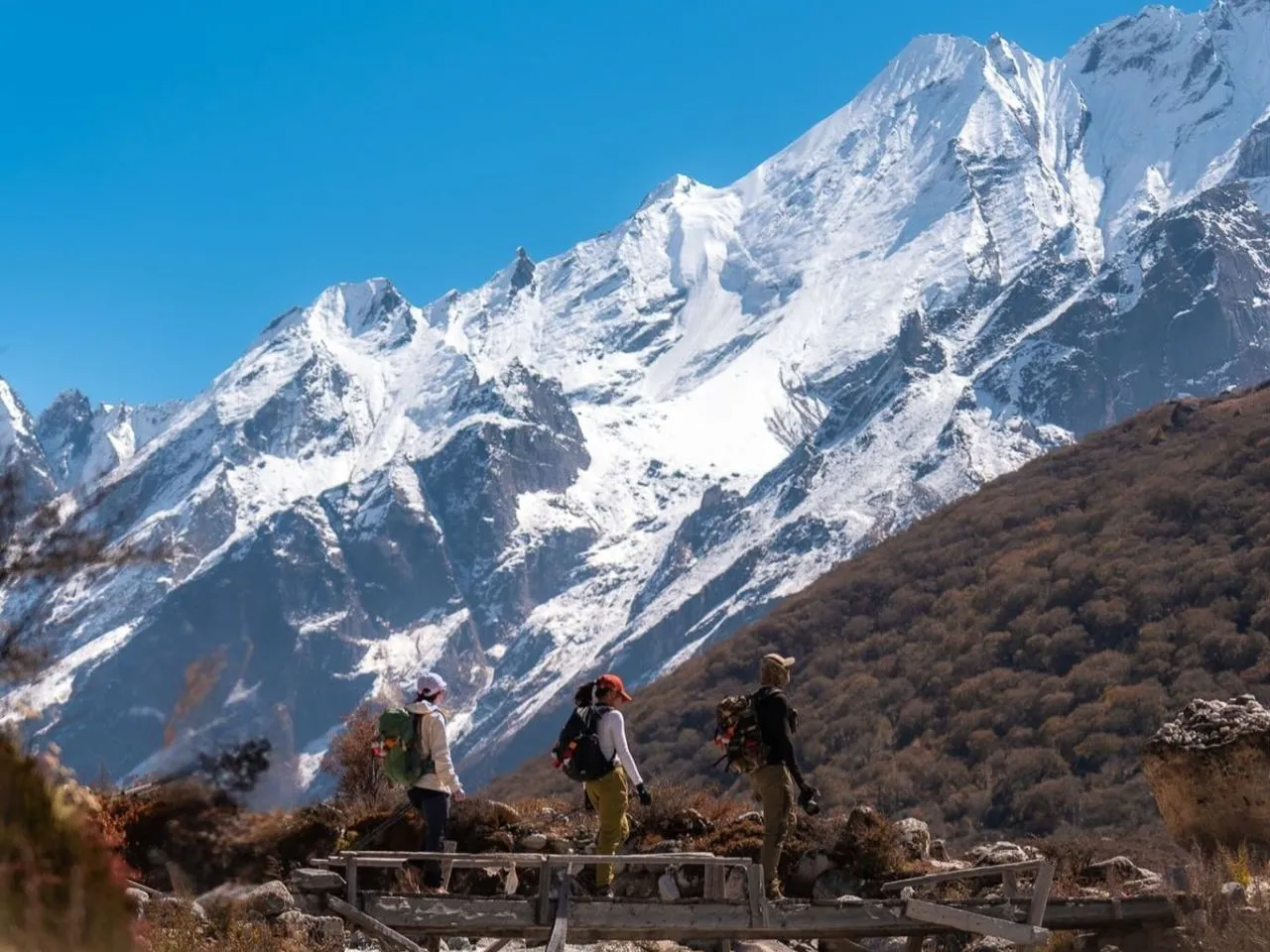
Langtang Luxury Trek – 10 Days
Langtang Luxury Trek – 10 Days
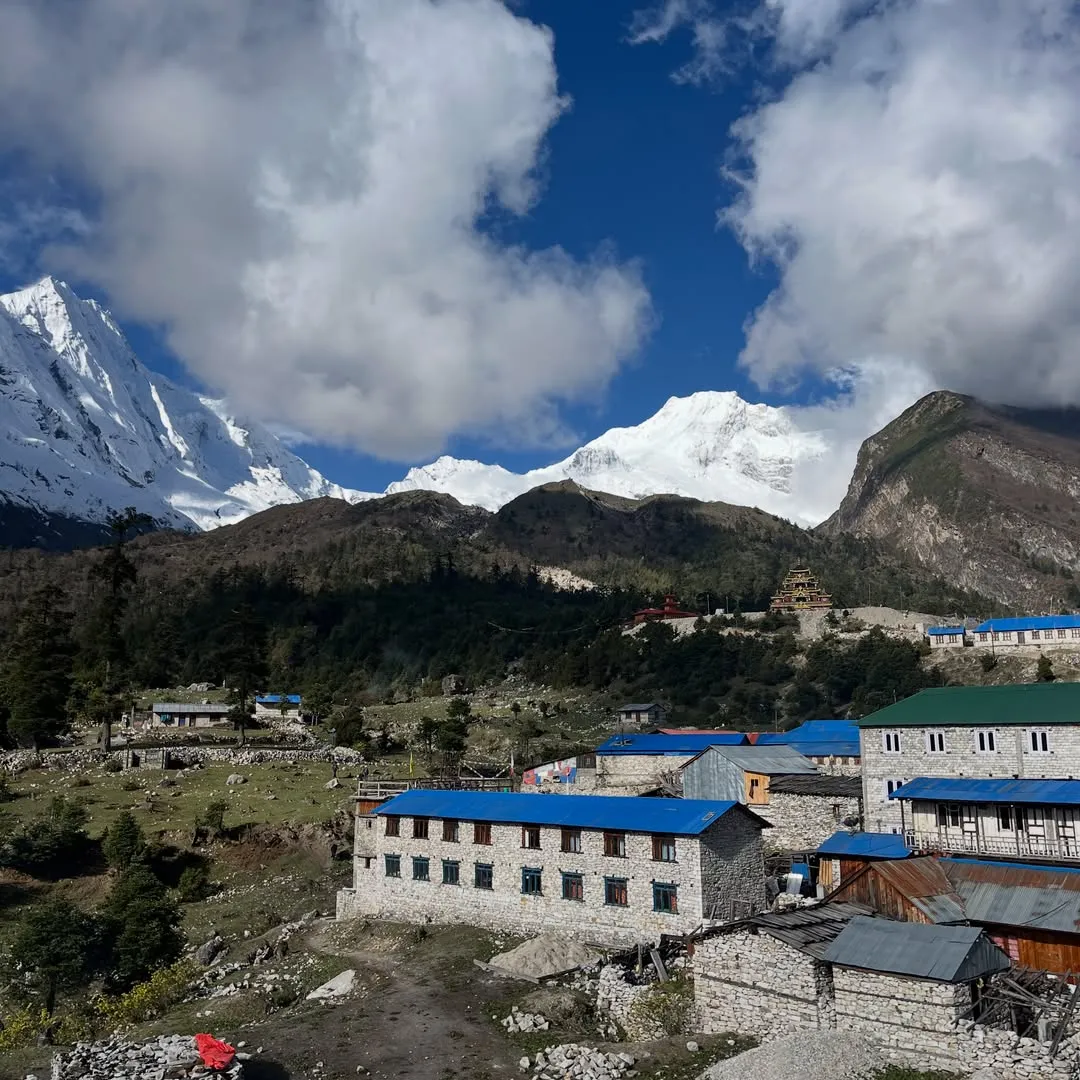
Manaslu Family Trek – 12 Days
Manaslu Family Trek – 12 Days
Manaslu Luxury Trek – 14 Days
Manaslu Luxury Trek – 14 Days

Manaslu Photography Trek – 17 Days
Manaslu Photography Trek – 17 Days
 English
 Deutsch
 Svenska
 Dansk
Dansk Русский
 Français
 Português
 Español
 Polski
 简体中文
简体中文 日本語
日本語 ไทย
ไทย العربية
 한국어
한국어