
Quick Answer
The Annapurna Conservation Area Permit (ACAP) costs $30 per person for foreign trekkers in 2027, $15 for SAARC nationals, and is free for children under 10. It is mandatory for anyone entering the Annapurna Conservation Area, which covers Annapurna Base Camp, Annapurna Circuit, Ghorepani Poon Hill, Mardi Himal, and Khopra Danda treks. You also need a separate TIMS card at $20 per person, so budget $50 total per trekker for permits.
ACAP revenue funds conservation, trail maintenance, and community projects across the 7,629 square kilometer Annapurna Conservation Area. The permit is checked at multiple entry gates, so skipping it is not an option.
Detailed Breakdown
The Annapurna Conservation Area Project (ACAP) was established in 1986 as Nepal first conservation area, and the permit fee has funded trail bridges, lodge-owner training, reforestation, and snow leopard monitoring for nearly four decades. The 2027 fee structure is set by the National Trust for Nature Conservation, the quasi-government body that manages the area. Foreign trekkers pay $30, SAARC nationals pay $15, and Nepali citizens pay 1,000 Nepali rupees (about $8).
The permit is a single-entry document valid for the duration of your trek, so you can stay as long as you like within the conservation area. You can buy ACAP at the Nepal Tourism Board office in Kathmandu or Pokhara, at the ACAP entry gates in Besisahar, Nayapul, Kotre, or Beni, or online through the NTNC portal. Most trekkers buy in Pokhara the day before the trek because it takes 30 minutes and avoids queues at the trailhead.
Cost / Component Breakdown
Here is the full 2027 permit cost breakdown for trekkers entering the Annapurna Conservation Area.
| Trekker Category | ACAP Fee | TIMS Fee | Total Per Person |
|---|---|---|---|
| Foreign trekkers | $30 | $20 | $50 |
| SAARC nationals | $15 | $6 | $21 |
| Nepali citizens | 1,000 NPR (~$8) | Free | $8 |
| Children under 10 (foreign) | Free | Free | $0 |
| Children under 10 (SAARC) | Free | Free | $0 |
Add $5 to $10 for passport photos at the permit office if you do not bring your own. Most operators bundle ACAP and TIMS into the package price, but verify this on your quote.
What Affects the Answer
Several factors affect the permit cost for your Annapurna trek. Your nationality is the biggest factor, with foreign trekkers paying the highest rate and SAARC nationals paying half. Group size matters because each trekker needs their own permit, including children. The trekking route matters too, because some routes like Nar Phu Valley require an additional restricted-area permit on top of ACAP.
- Nationality: Foreign, SAARC, or Nepali rates apply.
- Age: Children under 10 travel free; under 16 sometimes discounted.
- Route: Nar Phu Valley adds $90 per week; Tilicho Lake adds nothing.
- Duration: ACAP is single entry but unlimited duration.
- Booking channel: Buying direct costs the same as through an operator.
Booking Tips / Practical Advice
Buy your ACAP in Pokhara or Kathmandu the day before your trek starts, because trailhead offices sometimes have long queues and limited hours. Bring two passport photos per person, your passport, and the exact fee in cash or by card. Print and laminate your permit, because it gets checked at multiple gates and the paper tears easily in backpacks. Save a photo of the permit on your phone as backup.
If you are trekking Annapurna Circuit with a side trip to Tilicho Lake or Ice Lake, the same ACAP covers the entire route. If you are adding Nar Phu Valley, buy the restricted-area permit at the same office for $90 per week. For Upper Mustang, you need a separate Upper Mustang permit at $500 for 10 days, even though Mustang borders the Annapurna Conservation Area.
Comparison With Alternatives
Compared to the Sagarmatha National Park permit for Everest Base Camp, which costs $30 plus a $20 Khumbu municipality fee, ACAP is similarly priced but covers a much larger area. The Manaslu Restricted Area Permit is far more expensive at $70 per week in peak season, but that is because Manaslu is a restricted area with controlled access. Langtang National Park permit is $30 plus TIMS, making it the same total as ACAP. For budget comparison, ACAP gives you the most trail miles per dollar of any Nepal permit.
Common Mistakes to Avoid
Do not try to skip ACAP by entering through unofficial trails, because checkpoint staff fine trekkers double the permit fee and require immediate payment. Avoid buying from touts outside the official office, because fake permits are sold to unsuspecting tourists every season. Never laminate your original ACAP if the office has not stamped it, because the stamp must be visible. Finally, do not assume your package includes ACAP, because some budget operators list permits as a separate line item to make the package look cheaper.
Frequently Asked Questions
Here are the ACAP questions trekkers ask us most before booking.
Summary
The Annapurna Conservation Area Permit costs $30 for foreign trekkers, $15 for SAARC nationals, and is free for children under 10 in 2027. Combined with the $20 TIMS card, your total Annapurna permit cost is $50 per person. Buy at the Nepal Tourism Board in Kathmandu or Pokhara, at ACAP entry gates, or online via the NTNC portal. The permit covers Annapurna Base Camp, Annapurna Circuit, Poon Hill, Mardi Himal, and Khopra Danda, and funds decades of conservation work.
Conclusion
ACAP is one of the best-value permits in Nepal trekking, covering a vast conservation area for a flat $30 fee. Buy it ahead of time, carry it with you, and know that the money goes directly to trail maintenance, reforestation, and community projects. With ACAP and TIMS in hand, you are officially permitted to trek some of the most spectacular routes in the Annapurna range.
Recommended Trek Packages
Trekking Places to Explore
Explore Trips in Nepal
Hand-picked guided trips to this destination
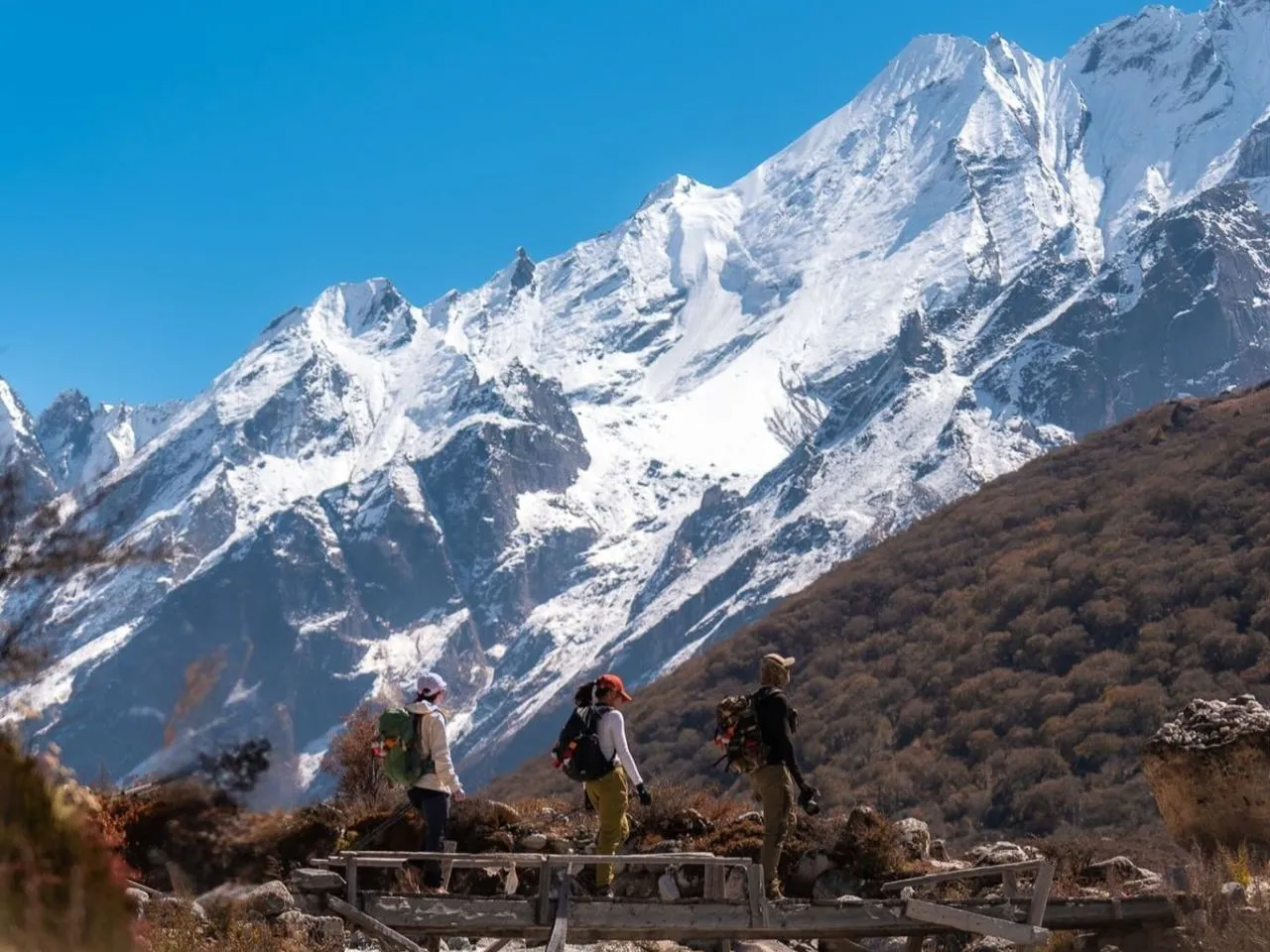
Langtang Luxury Trek – 10 Days
Langtang Luxury Trek – 10 Days
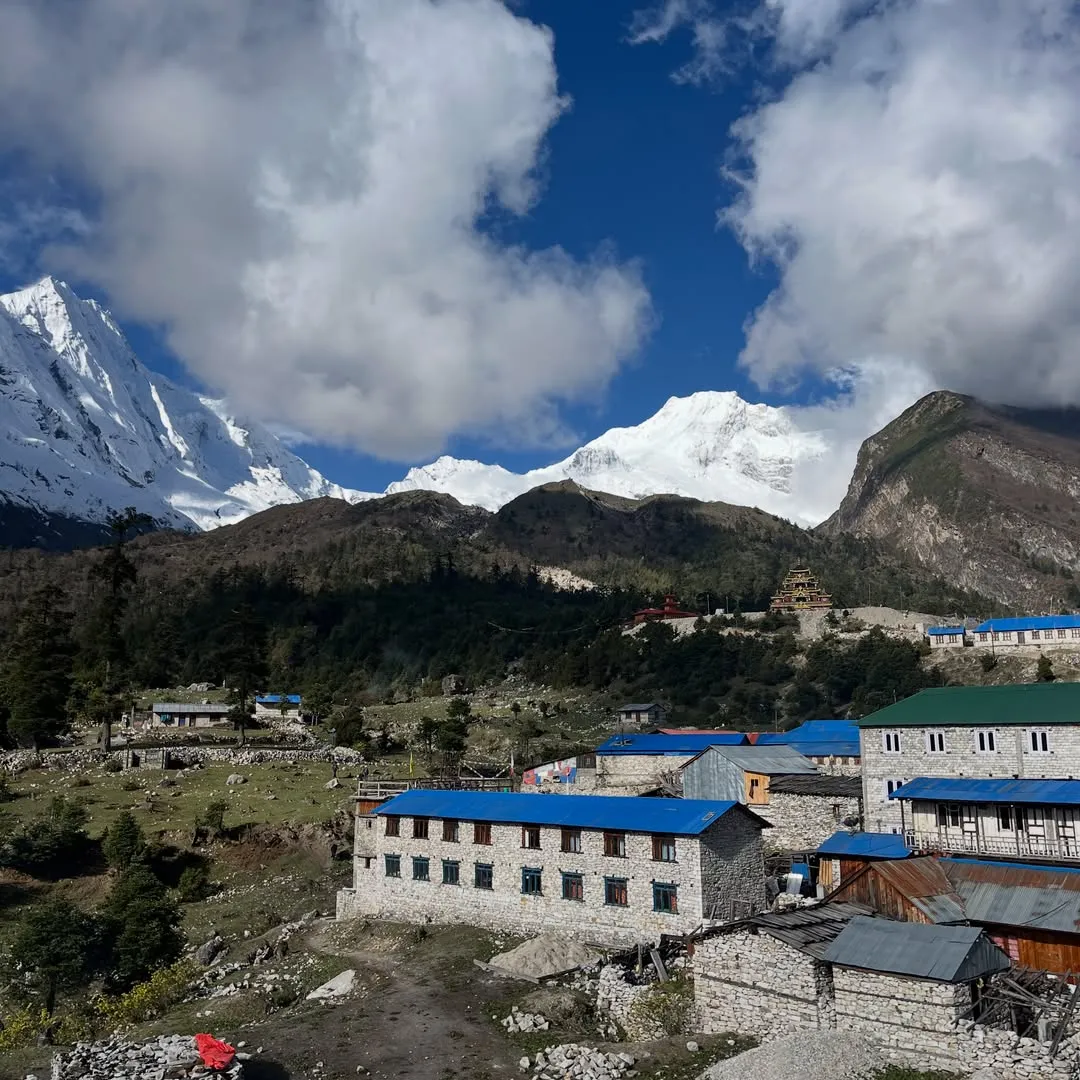
Manaslu Family Trek – 12 Days
Manaslu Family Trek – 12 Days
Manaslu Luxury Trek – 14 Days
Manaslu Luxury Trek – 14 Days

Manaslu Photography Trek – 17 Days
Manaslu Photography Trek – 17 Days
 English
 Deutsch
 Svenska
 Dansk
Dansk Русский
 Français
 Português
 Español
 Polski
 简体中文
简体中文 日本語
日本語 ไทย
ไทย العربية
 한국어
한국어