
réponse rapide
Island Peak summit day starts at 1:30 am from high camp at 5,600 m and reaches the 6,189 m summit by 9 to 11 am, a 12 to 14 hour push. The route crosses the Imja Glacier with crevasse risk, climbs a 50 to 55 degree headwall on fixed ropes, and finishes with a knife edge ridge to the summit. Climbers need 5,500 m acclimatization, jumar and rappel skill, and minus 20 C gear. Summit success runs 80 to 90 percent for prepared climbers and 50 to 60 percent for underprepared trekkers. Full 14 to 18 day expedition costs USD 3,500 to USD 5,200 per person.
Répartition détaillée
Island Peak, or Imja Tse, is a 6,189 m trekking peak in the Chhukung valley east of Everest Base Camp. The summit day starts at high camp at 5,600 m, descends 100 m to the Imja Glacier, then crosses 2 km of glacier with 8 to 12 crevasses. Climbers rope up and travel in teams of 3 to 4 with a guide. The glacier crossing takes 2 to 3 hours in the dark, requiring headlamp discipline and crampon skill.
The headwall rises 180 m at 50 to 55 degrees on fixed ropes set by the guide team. Climbers jumar up and rappel down, taking 2 to 3 hours up and 1 hour down. Above the headwall, a 200 m knife edge ridge leads to the summit, corniced south and dropping 800 m north. Most climbers fix a running belay. Summit time is 9 to 11 am. Descent to high camp takes 3 to 4 hours. Full day is 12 to 14 hours.
Répartition des coûts/composants
| composante | Coût |
|---|---|
| Permis de parc national de Sagarmatha | 30 USD |
| Permis de Khumbu Pasang Lhamu | 20 USD |
| Island Peak Climbing Permit | USD 250 spring, USD 125 autumn |
| Carte TIM | 20 USD |
| Vols aller-retour à Lukla | USD 360 to USD 420 |
| Climbing guide for 16 days | USD 640 to USD 880 |
| High camp cook and crew | USD 320 to USD 420 |
| Location de cordes et d'engins fixes | USD 120 to USD 180 |
| Teahouse full board x 11 nights | USD 330 to USD 440 |
| Assurance de secours | 80 USD à 150 USD |
| Total 16 days | USD 3,500 to USD 5,200 |
Qu'est-ce qui affecte la réponse
Acclimatization profile is the biggest factor. Climbers who arrive at high camp with 4 nights above 4,500 m including 1 above 5,000 m see 80 to 90 percent summit success. Climbers who push from Base Camp at 5,100 m to high camp at 5,600 m to summit in 2 days see 50 to 60 percent success and 25 to 35 percent AMS turnarounds. Technical skill is the second factor. Jumar ascending a 50 degree headwall needs 4 to 6 hours of pre trip training on rock or ice.
Weather windows matter. Spring sees 65 to 75 percent summitable windows. Autumn sees 55 to 65 percent. Crampon and rope discipline is the third factor. Climbers with previous 5,500 m experience cut summit day risk by 40 percent.
Conseils pour la réservation
Book a Kathmandu agency with previous Island Peak summits. Confirm the guide team fixes the headwall rope in advance. Train 12 weeks pre trip on jumaring, rappelling, and glacier travel. Carry a minus 20 C sleeping bag, double boots, and 3 layer glove system. Time the summit push for a 3 day weather window. Plan 4 acclimatization nights above 4,500 m before high camp.
Comparaison avec les alternatives
Mera Peak at 6,476 m is the easiest Nepal trekking peak with no technical headwall, runs 14 to 18 days for USD 3,200 to USD 4,800 with 90 to 95 percent summit success. Lobuche East at 6,119 m is similar in difficulty to Island Peak, runs 14 to 16 days for USD 3,400 to USD 5,000 with 75 to 85 percent summit success. Ama Dablam at 6,812 m is a true mountaineering objective, runs 25 to 30 days for USD 8,000 to USD 12,000 with 50 to 70 percent summit success.
Erreurs courantes à éviter
Climbers attempt Island Peak with EBC acclimatization only. EBC reaches 5,364 m for 1 night, not enough for a 6,189 m summit. Add a Chhukung Ri at 5,546 m acclimatization night.
A second mistake is underestimating the headwall. Climbers without jumar training take 4 to 6 hours on the 180 m headwall, exhausting themselves before the ridge. Train jumaring before the trip.
FAQ
How hard is Island Peak summit day? Hard. 12 to 14 hours from high camp, glacier crossing, 180 m headwall at 50 to 55 degrees, knife edge ridge. Summit success 80 to 90 percent with proper prep.
Ai-je besoin d'une expérience d'escalade antérieure ? Yes. Jumar and rappel training is required. A 12 week pre trip course on rock or ice covers the basics.
What is the summit temperature? Minus 15 to minus 25 C at 6,189 m in spring and autumn summit windows. Carry double boots and a 3 layer glove system.
Puis-je combiner Island Peak avec Everest Base Camp ? Yes. The standard 16 to 18 day itinerary includes EBC and Kala Patthar acclimatization before Island Peak.
somm
Island Peak summit day is a 12 to 14 hour push from 5,600 m high camp to 6,189 m summit. The route crosses the Imja Glacier, climbs a 50 to 55 degree headwall on fixed ropes, and finishes on a knife edge ridge. Summit success runs 80 to 90 percent with proper prep. Cost runs USD 3,500 to USD 5,200.
conclusion
Train jumar and rappel for 12 weeks, acclimatize 4 nights above 4,500 m including 1 above 5,000 m, time the push for a 3 day weather window, and Island Peak becomes a demanding but achievable first 6,000 m peak. Skip the prep and summit success drops to 50 percent.
Forfaits Trek recommandés
Des lieux de randonnée à explorer
Explore Trips in Nepal
Hand-picked guided trips to this destination
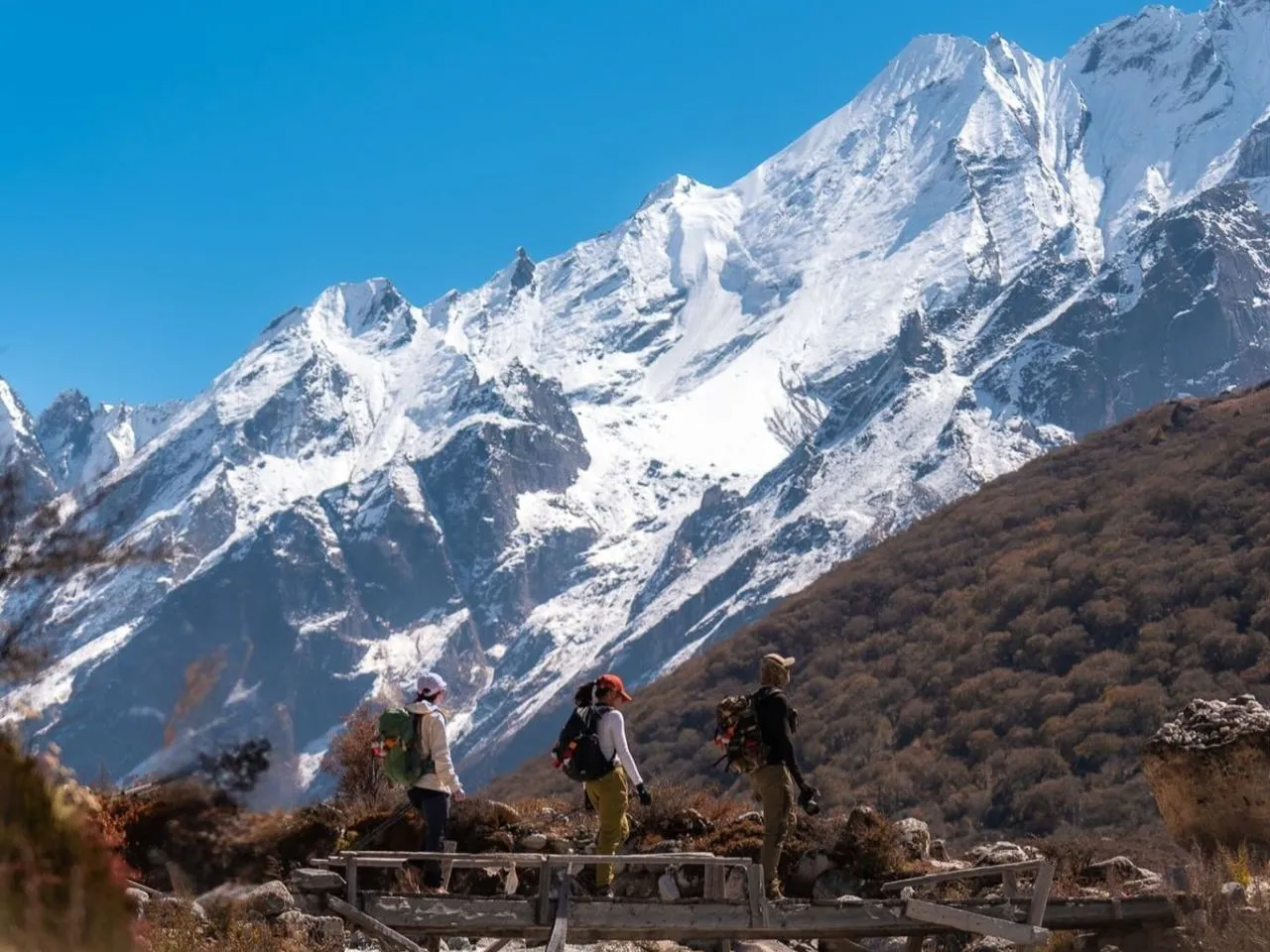
Trek de luxe de Langtang – 10 jours
Trek de luxe de Langtang – 10 jours
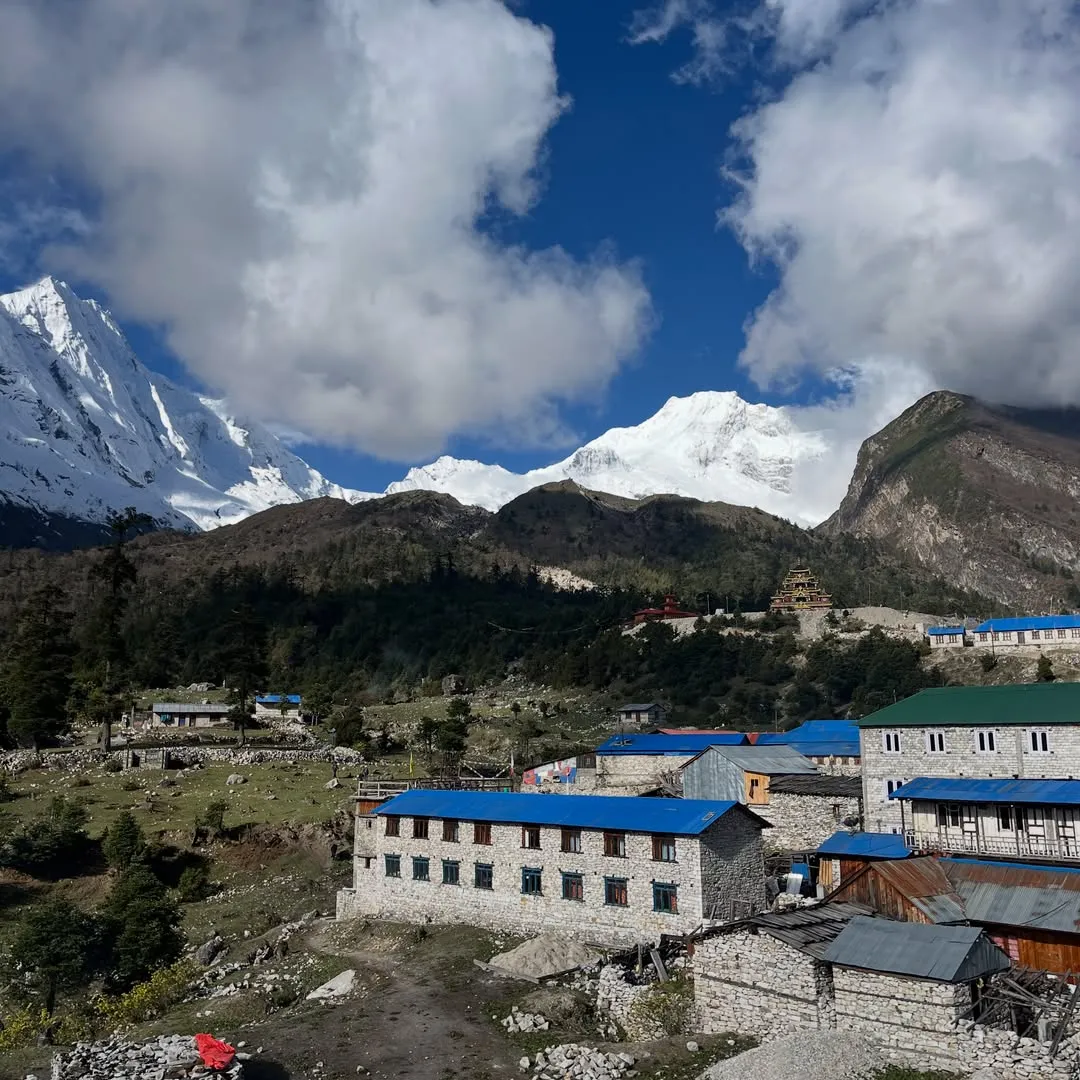
Treken en famille Manaslu – 12 jours
Treken en famille Manaslu – 12 jours
Trek de luxe à Manaslu – 14 jours
Trek de luxe à Manaslu – 14 jours

Trek de la photographie Manaslu – 17 jours
Trek de la photographie Manaslu – 17 jours
 English
 Deutsch
 Svenska
 Dansk
Dansk Русский
 Français
 Português
 Español
 Polski
 简体中文
简体中文 日本語
日本語 ไทย
ไทย العربية
 한국어
한국어