
respuesta rápida
Sikles and Kapuche Lake weather in 2027 runs 10 to 20 Celsius in spring from March to May, 5 to 15 Celsius in autumn from October to November, 0 to 10 Celsius in winter from December to February, and wet with heavy leeches in monsoon from June to August. Kapuche Lake at 2,460 m is the lowest glacier lake in Nepal and stays mostly ice free year round except January. Best photography season is October to mid November, with crisp air and clear sunrise over Annapurna II at 7,937 m and Lamjung Himal at 6,983 m.
Desglose detallado
Sikles village sits at 2,000 m on the Annapurna southern ridge, a 4 to 6 day trek from Pokhara via Kalikasthan and Lamakhet. Kapuche Lake, the lowest glacier lake in the world, sits at 2,460 m and is fed by the Annapurna II glacier. The trail climbs gradually through Gurung villages and rhododendron forest. Spring brings wildflowers and mild trekking weather, with daytime highs of 18 to 20 Celsius and nighttime lows of 5 to 8 Celsius. Autumn delivers the clearest mountain views, with daytime highs of 12 to 15 Celsius and nighttime lows of 2 to 5 Celsius. Winter is cold but workable, with daytime highs of 8 to 10 Celsius and nighttime lows of minus 2 to 2 Celsius. Monsoon brings 300 to 400 mm of rain per month, leeches, and frequent landslides between Kalikasthan and Sikles.
Desglose de costo/componente
| aguerrir | Daytime Celsius | Night Celsius | visibilidad | Trek Cost |
|---|---|---|---|---|
| Marcha de primavera a mayo | 18 to 20 | 5 a 8 | Good, rhododendron bloom | $300 a $450 |
| Autumn October to November | 12 a 15 | 2 a 5 | Excellent, crisp | $350 a $500 |
| Invierno de diciembre a febrero | 8 a 10 | minus 2 to 2 | Good, snow at pass | $300 a $400 |
| Monsoon June to August | 22 to 25 | 12 a 15 | Poor, cloud cover | $250 a $350 |
Costs include jeep from Pokhara to Kalikasthan, guide, lodging at community lodges in Sikles and Hugu, ACAP permit at $30, TIMS at $20, and meals. Winter and monsoon run 15 percent cheaper due to lower demand.
que afecta la respuesta
Photography goals shift the answer. Sunrise alpenglow on Annapurna II needs clear October or November mornings. Rhododendron bloom needs late March to mid April. Glacier activity at Kapuche needs summer meltwater flow from June to August, but monsoon clouds block views. Cold tolerance shifts winter viability: Sikles at 2,000 m stays mild, but Kapuche nights dip below freezing. Trail condition in monsoon is the biggest risk, with the Kalikasthan to Sikles section prone to landslides.
Consejos de reserva
Book October slots 8 to 10 weeks ahead for the Sikles community lodge, which has only 12 beds. Carry layered clothing for autumn: a down jacket for sunrise at Kapuche and a light shell for afternoon wind. Pack microspikes for winter visits when the lake trail ices over. Hire a Gurung speaking local guide from Pokhara for $25 per day to unlock village access. Use a telephoto lens 70 to 200 mm for Annapurna II sunrise and a wide angle for the lake reflection.
Comparación con alternativas
Compared with the Annapurna Base Camp trek at 4,130 m, Sikles is 2,000 m lower and 4 to 8 degrees warmer, with similar autumn clarity but no snow risk. Compared with Ghorepani Poon Hill at 3,210 m, Sikles has fewer crowds and a closer view of Annapurna II, but less lodge infrastructure. Compared with Mardi Himal at 4,500 m, Sikles is 2,500 m lower and runs 4 to 5 degrees warmer, with better rhododendron bloom in spring.
Errores comunes a evitar
Do not skip the pre dawn hike to the Kapuche viewpoint: the alpenglow window lasts 12 minutes. Do not attempt the lake trail in monsoon without a local guide: landslides close the route without warning. Do not expect warm meals at Hugu community lodge in winter: the kitchen runs on a single wood stove. Do not underestimate autumn cold at 2,460 m: pack a down jacket even in October. Do not photograph the lake at midday: glare washes out the glacier blue.
preguntasrán el
Q: What is the best month for Sikles and Kapuche photography?
A: Late October to mid November. Crisp air, clear sunrise, and the post monsoon wash gives the brightest Annapurna II glow.
Q: Does Kapuche Lake freeze in winter?
A: Partially. The surface ices over in January but the deep glacial flow keeps most of the lake open. Best ice photos come in early February.
Q: Is the Sikles trek open in monsoon?
A: Technically yes, but the trail between Kalikasthan and Sikles closes 5 to 8 days per month due to landslides. Avoid July and August.
Q: How cold does it get at Kapuche Lake at night?
A: Minus 2 to 5 Celsius in autumn, minus 5 to 2 Celsius in winter. Daytime highs run 8 to 15 Celsius.
Q: Can I see Annapurna II from Sikles village?
A: Yes. The Sikles ridge gives a 30 km direct sightline to Annapurna II at 7,937 m and Lamjung Himal at 6,983 m, best at sunrise in autumn.
sumario
Sikles and Kapuche Lake weather in 2027 spans 0 to 25 Celsius across seasons. Spring offers wildflowers, autumn delivers crisp clear mountain views, winter brings cold with ice photos, and monsoon is wet and risky. Best photography window is October to mid November when the lowest glacier lake in Nepal sits under clear Annapurna II alpenglow.
idea de narración
Pick October or November for the best Sikles and Kapuche photography. Carry layered clothing, book the community lodge early, and hike to the viewpoint before dawn. Avoid monsoon for safety and winter for warmth unless you specifically want ice photos.
Paquetes de Trek Recomendados
Lugares de trekking para explorar
Explore Trips in Nepal
Hand-picked guided trips to this destination
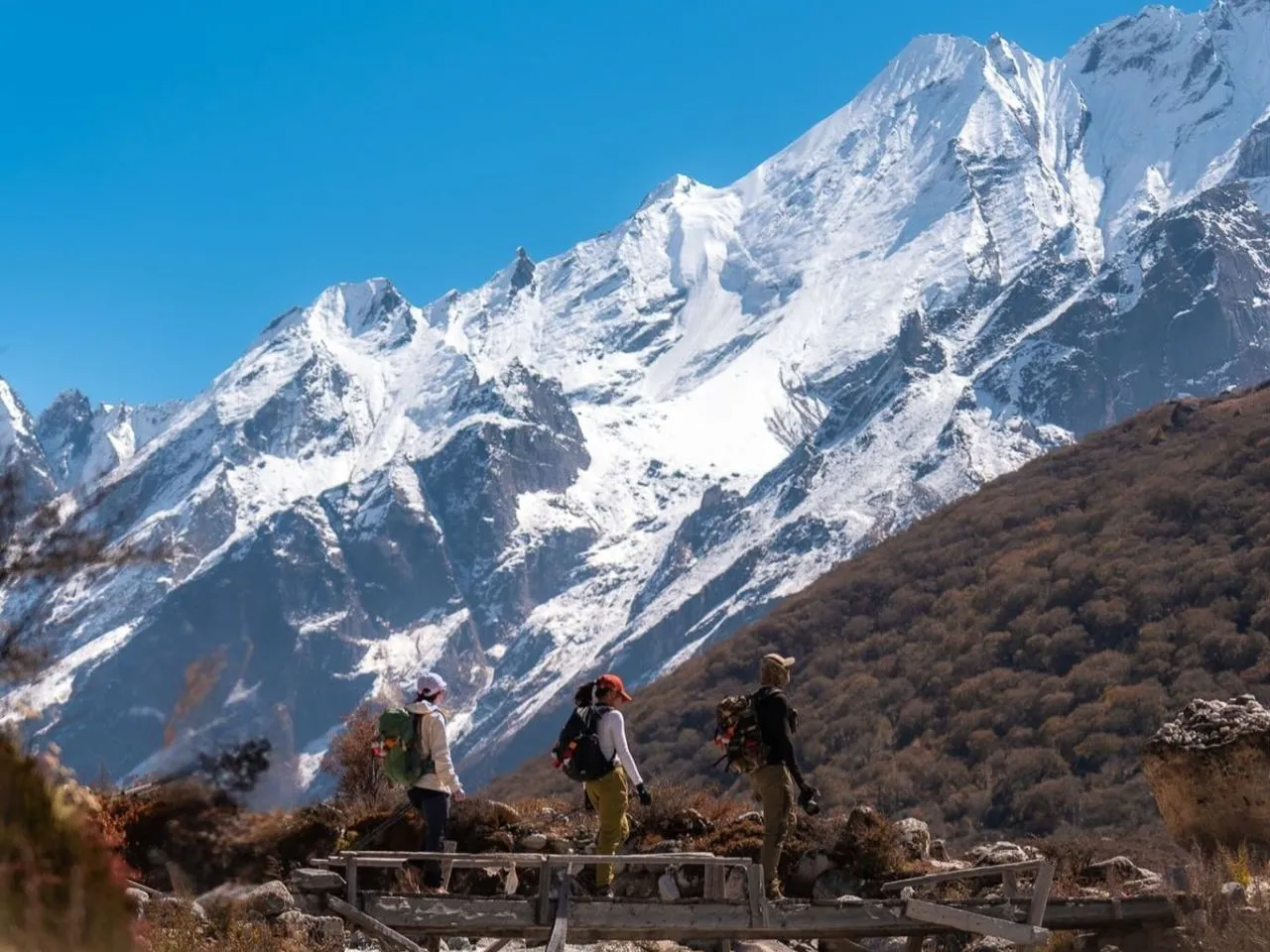
Trek de Lujo Langtang – 10 días
Trek de Lujo Langtang – 10 días
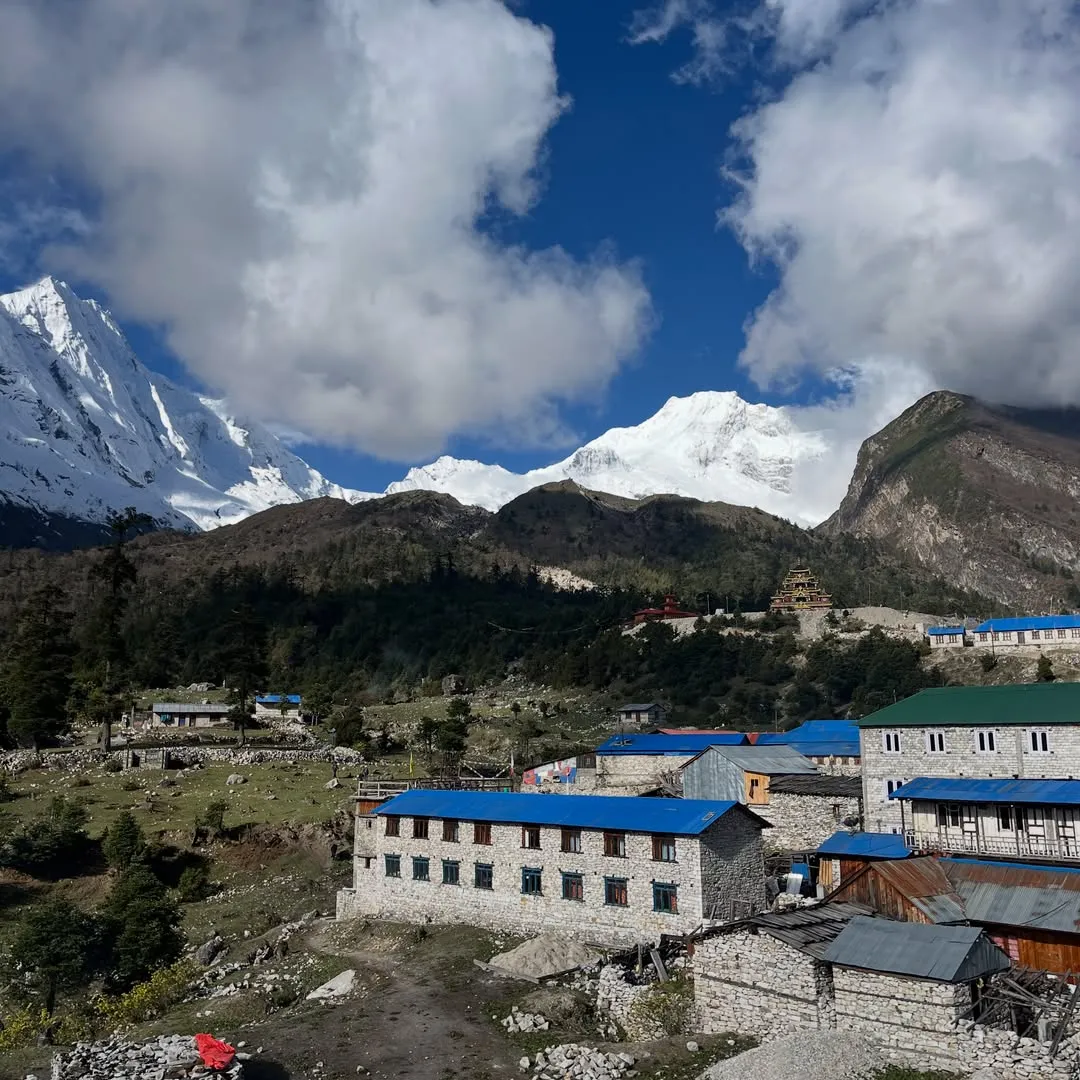
Trek Familiar Manaslu – 12 días
Trek Familiar Manaslu – 12 días
Trek de Lujo Manaslu – 14 días
Trek de Lujo Manaslu – 14 días

Trekking Manaslu - 17 días
Trekking Manaslu - 17 días
 English
 Deutsch
 Svenska
 Dansk
Dansk Русский
 Français
 Português
 Español
 Polski
 简体中文
简体中文 日本語
日本語 ไทย
ไทย العربية
 한국어
한국어